Lafayette Cemetery No. 1 occupies a city block in New Orleans’ Garden District, at 1427 Washington Avenue. Established in 1833, it is known for its above-ground tombs, varied stonework and magnolia-shaded paths. The cemetery is currently closed to the public, but you can view the monuments through its iron gates while exploring the surrounding neighborhood. Film and book fans may recognize its Gothic atmosphere from works connected with Anne Rice, including Interview with the Vampire. Treat it as a brief exterior stop, not an open-air visit.
A Garden District cemetery, closed to entry
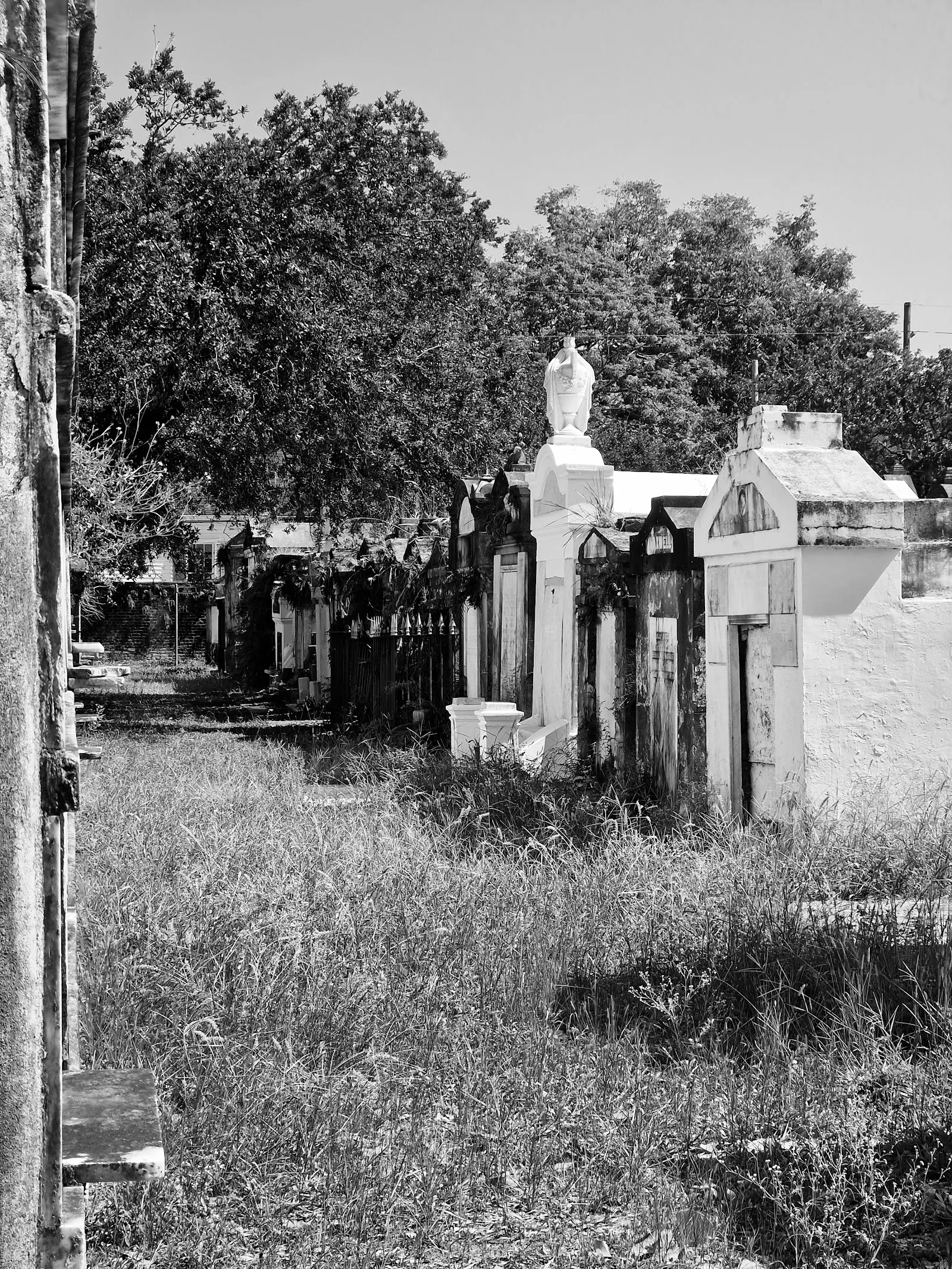
Lafayette Cemetery No. 1 is at 1427 Washington Avenue in the Garden District. Established in 1833, it is one of New Orleans’ early planned cemeteries. Its intersecting main avenues were laid out to accommodate funeral processions, with magnolia and oak trees among the grounds.
The cemetery is currently closed to the public. Visitors can still look through the locked iron gates at rows of above-ground tombs and weathered stonework. Check for current access information before making plans, as closures or restrictions may change.
Tombs, burial traditions and cultural history
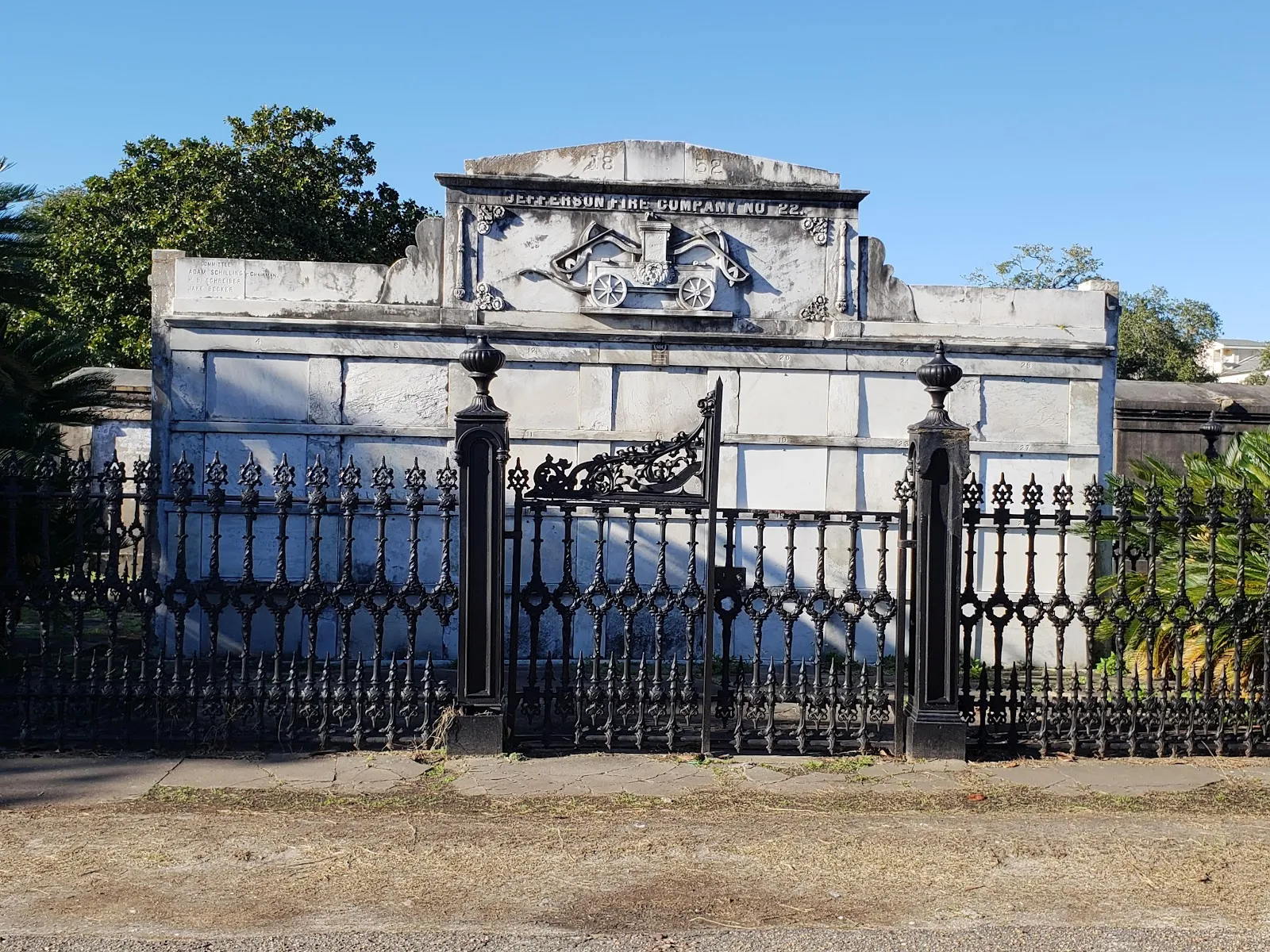
The raised family tombs are a defining feature of the site. New Orleans cemeteries use above-ground structures in response to the city’s high water table, and the monuments at Lafayette vary in material and design. Some are built from plastered brick; wealthier families chose marble, while fraternal organizations also constructed crypts.
The cemetery opened during a period of immigration to New Orleans and became a burial place for people from many backgrounds. Plaques and headstones record some connections to the Civil War. The site also holds the memory of the yellow fever epidemic: 2,000 victims were buried here in 1852, many of them children and newcomers to the city.
A Gothic setting in books and film
The tombs, ironwork and mature trees have made Lafayette Cemetery No. 1 recognizable beyond the Garden District. Its atmosphere is associated with Anne Rice’s Interview with the Vampire, and the cemetery has also appeared in screen adaptations and films, including Double Jeopardy and Dracula 2000. A white metal mausoleum is noted for its connection to the story’s fictional tomb.
Because the grounds are closed, these details are best appreciated from outside the gates. A walk around the perimeter lets you see the cemetery’s boundary and some of its monuments without entering a place of burial.
FAQ
Can you go inside Lafayette Cemetery No. 1?
No. The cemetery is currently closed to public entry. You can view some of the tombs through the iron gates.
Where is Lafayette Cemetery No. 1?
It is at 1427 Washington Avenue in New Orleans’ Garden District.
When was Lafayette Cemetery No. 1 established?
It was established in 1833.
What can you see from outside the cemetery?
The iron gates frame views of above-ground tombs, varied stonework and trees within the grounds.