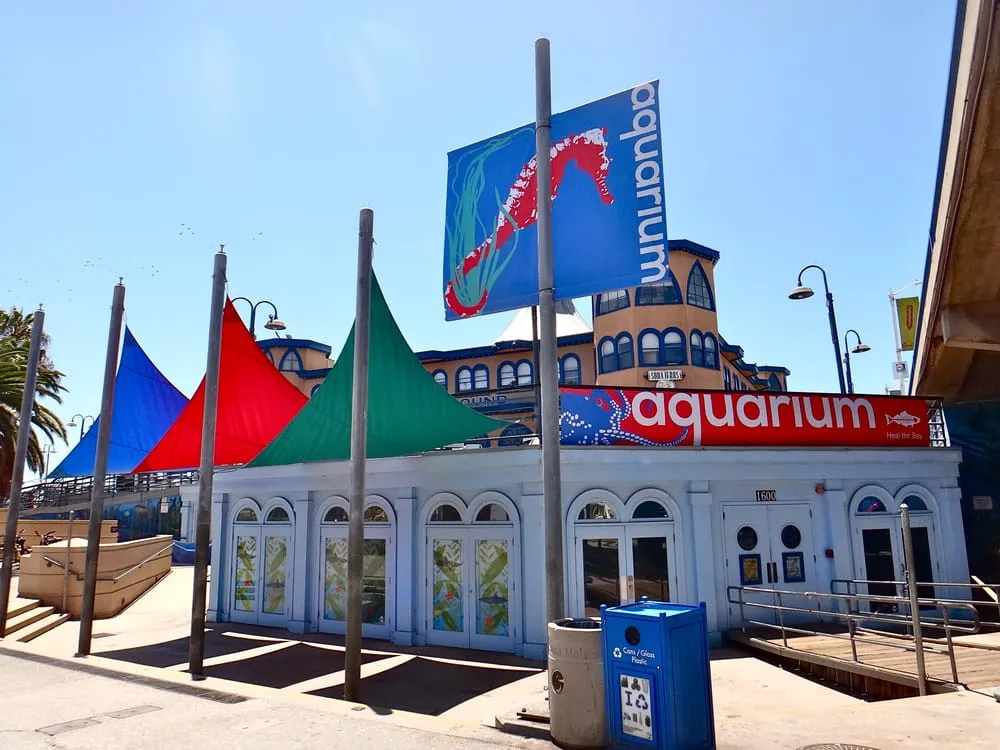
Under the Santa Monica Pier, Heal the Bay Aquarium introduces you to more than 100 species of animals and plants from Santa Monica Bay. Look for sea jellies, sharks, rays and other local marine life, then get closer at touch tanks with starfish, hermit crabs and sea urchins. Exhibits and educational programs connect the animals to the bay’s watersheds and conservation. It’s a compact stop, especially suited to families and anyone curious about the coast; plan for a smaller aquarium, not a full-day attraction.
A small aquarium focused on Santa Monica Bay
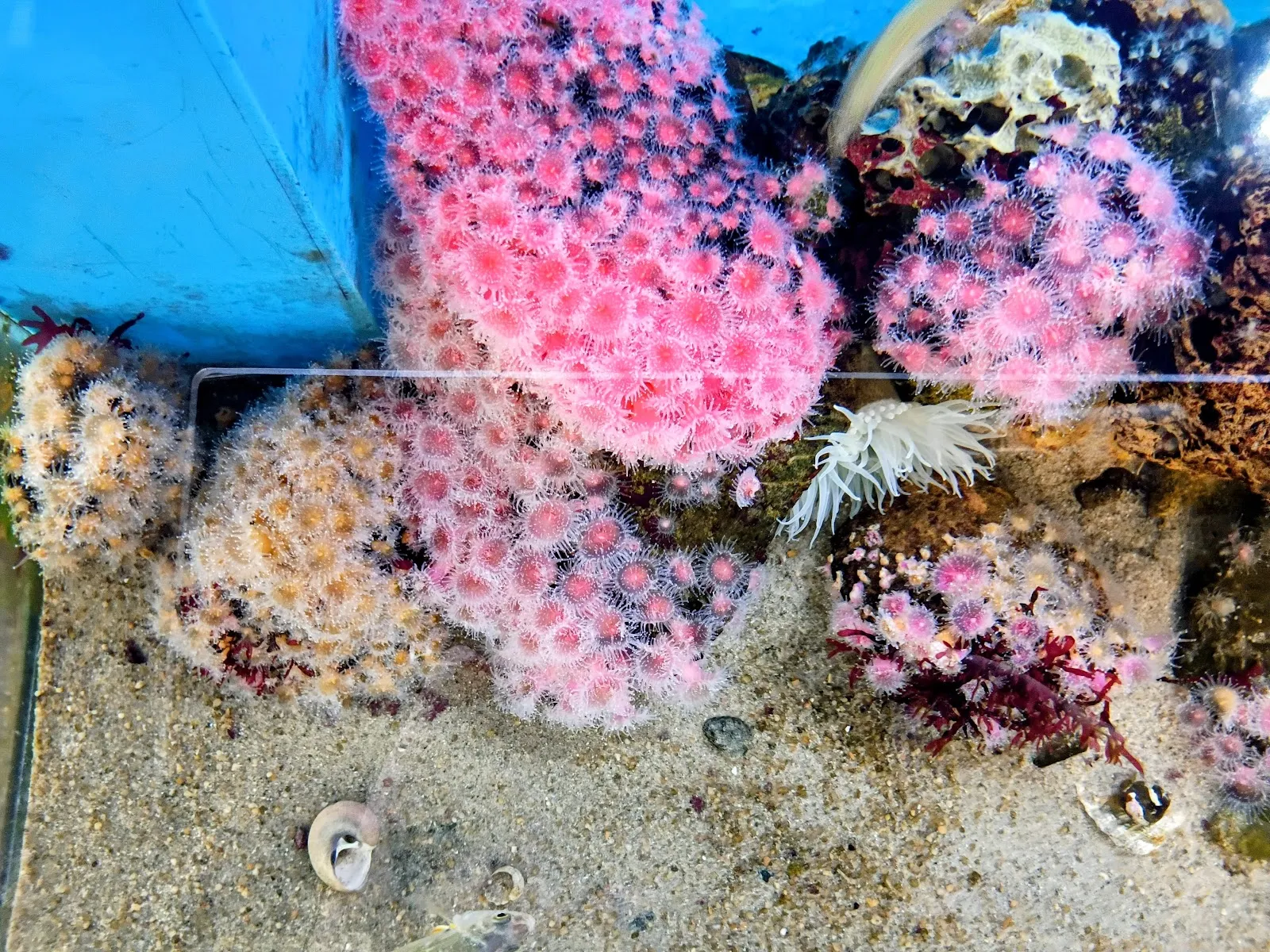
Heal the Bay Aquarium sits at beach level beneath the Santa Monica Pier. It is run by Heal the Bay, a nonprofit focused on protecting the bay and Southern California’s coastal waters. The exhibits centre on animals and plants found locally, so a visit offers a closer look at the marine life of the coast beside you.
The aquarium has more than 100 local species on display. Sea jellies, sharks, rays, eels and octopuses are among the animals associated with its exhibits. The compact scale makes it a manageable stop alongside time at the pier, though visitors looking for a large aquarium with extensive galleries may want to plan for a different kind of visit.
Touch tanks and exhibits

Touch tanks let visitors encounter selected marine animals, including starfish, hermit crabs and sea urchins. These hands-on displays are a draw for children, while the aquarium’s other exhibits provide a chance to observe bay species without handling them. The Under the Pier exhibit focuses on marine life associated with the structure above, including halibut and rays.
Moon jellyfish are another animal to look for. The aquarium also has exhibits on habitats such as kelp forests and rocky reefs, alongside displays about local watersheds. Educational activities and programs cover marine science and conservation; the program schedule can depend on the day, so check what is planned before visiting.
Learning about the bay
The aquarium’s purpose goes beyond displaying marine life. Heal the Bay works on coastal protection, clean water and community involvement in restoring local waterways. Exhibits and educational programs introduce these issues through the animals and habitats found in Santa Monica Bay.
The Dorothy Green Room has interactive material about local watersheds and short educational films on weekends. The aquarium also holds educational programs that may include animal feedings or discussions led by aquarium scientists. Ask staff what is happening during your visit if you want to include a scheduled activity.
For families, a children’s area has books, games and coloring activities. There is also a gift shop. Birthday events can be held at the aquarium, and the organization has been used for children’s parties; contact Heal the Bay directly for current arrangements.
Planning your visit
The listed public hours are Saturday and Sunday from noon to 4 pm, and advance tickets are recommended. Ticket-price information in available material is inconsistent, so check the aquarium’s website for current admission details. Student discounts have been mentioned; confirm eligibility and terms before your visit.
The aquarium is a short, focused outing rather than a large-scale attraction. If you are visiting with children, allow time for the touch tanks and any educational activity taking place. Its location beneath the pier makes it easy to combine with other time at the waterfront. The entrance is at 1600 Ocean Front Walk in Santa Monica.
FAQ
Where is Heal the Bay Aquarium?
It is beneath the Santa Monica Pier at beach level, at 1600 Ocean Front Walk in Santa Monica.
When is Heal the Bay Aquarium open?
The listed public hours are Saturday and Sunday, noon to 4 pm. Check the aquarium’s website before setting out.
What can you see at Heal the Bay Aquarium?
Exhibits include more than 100 species of animals and plants from Santa Monica Bay, including sea jellies, sharks, rays and eels.
Can children touch animals at the aquarium?
Yes. Touch tanks include selected animals such as starfish, hermit crabs and sea urchins.