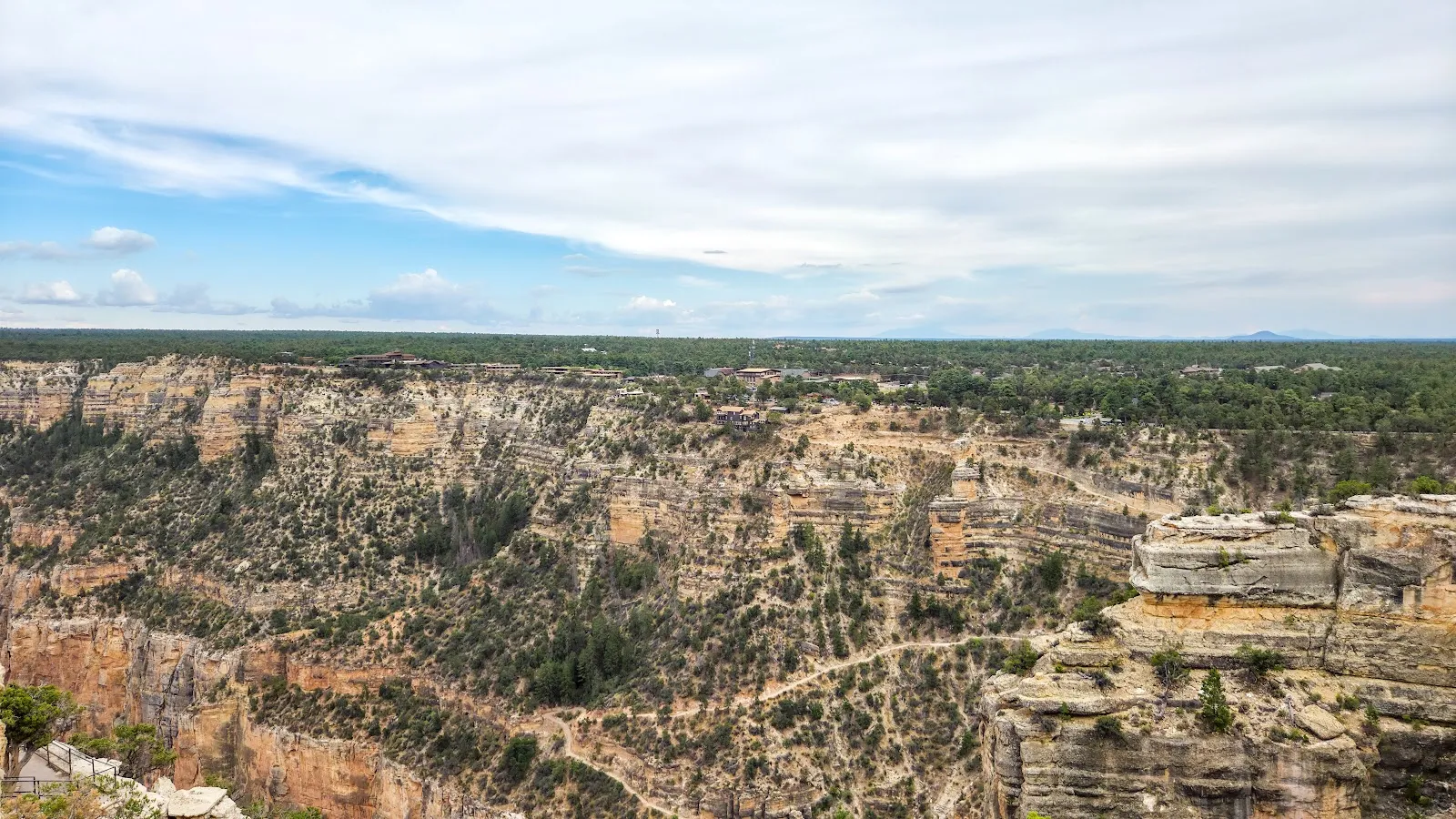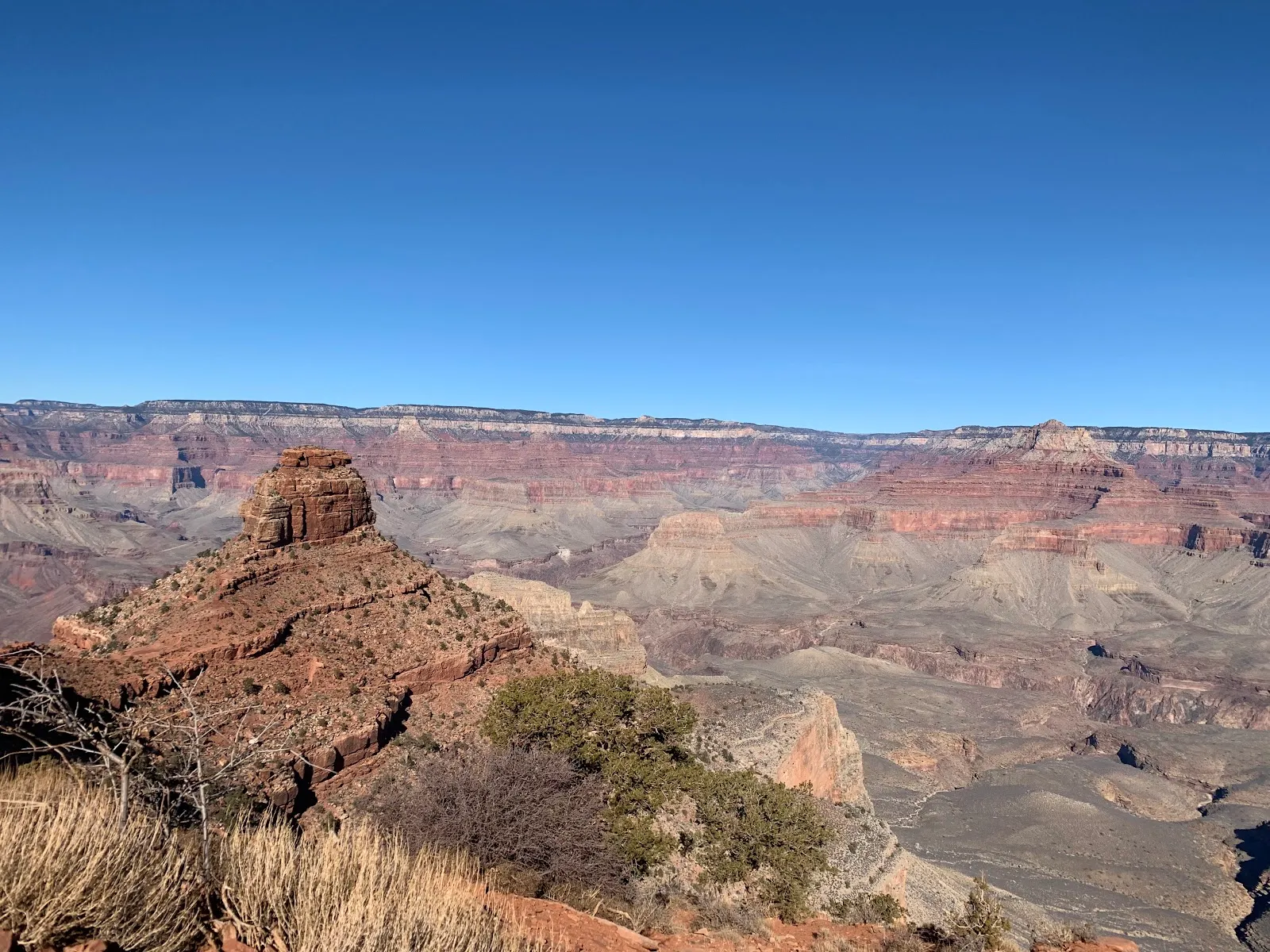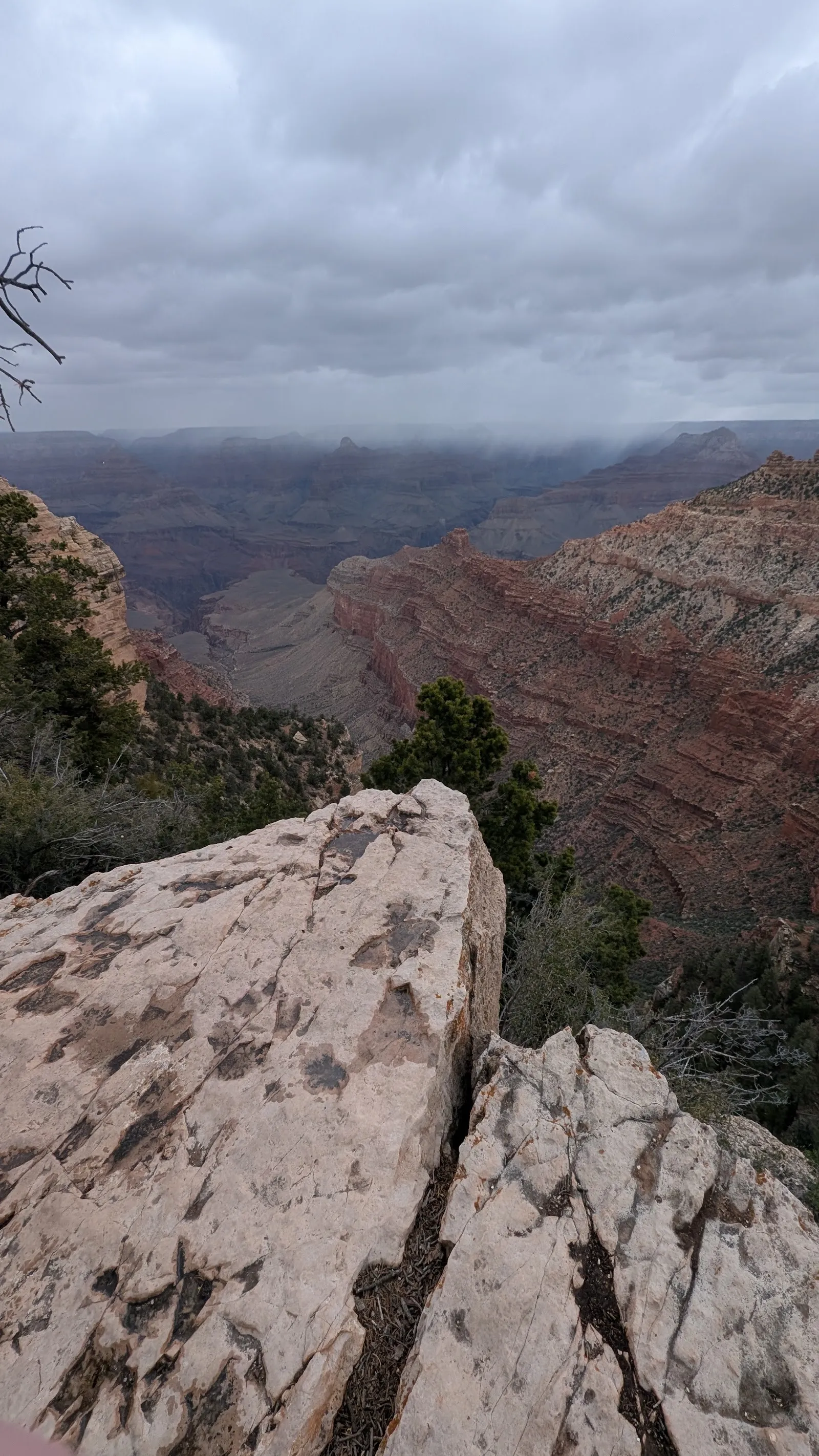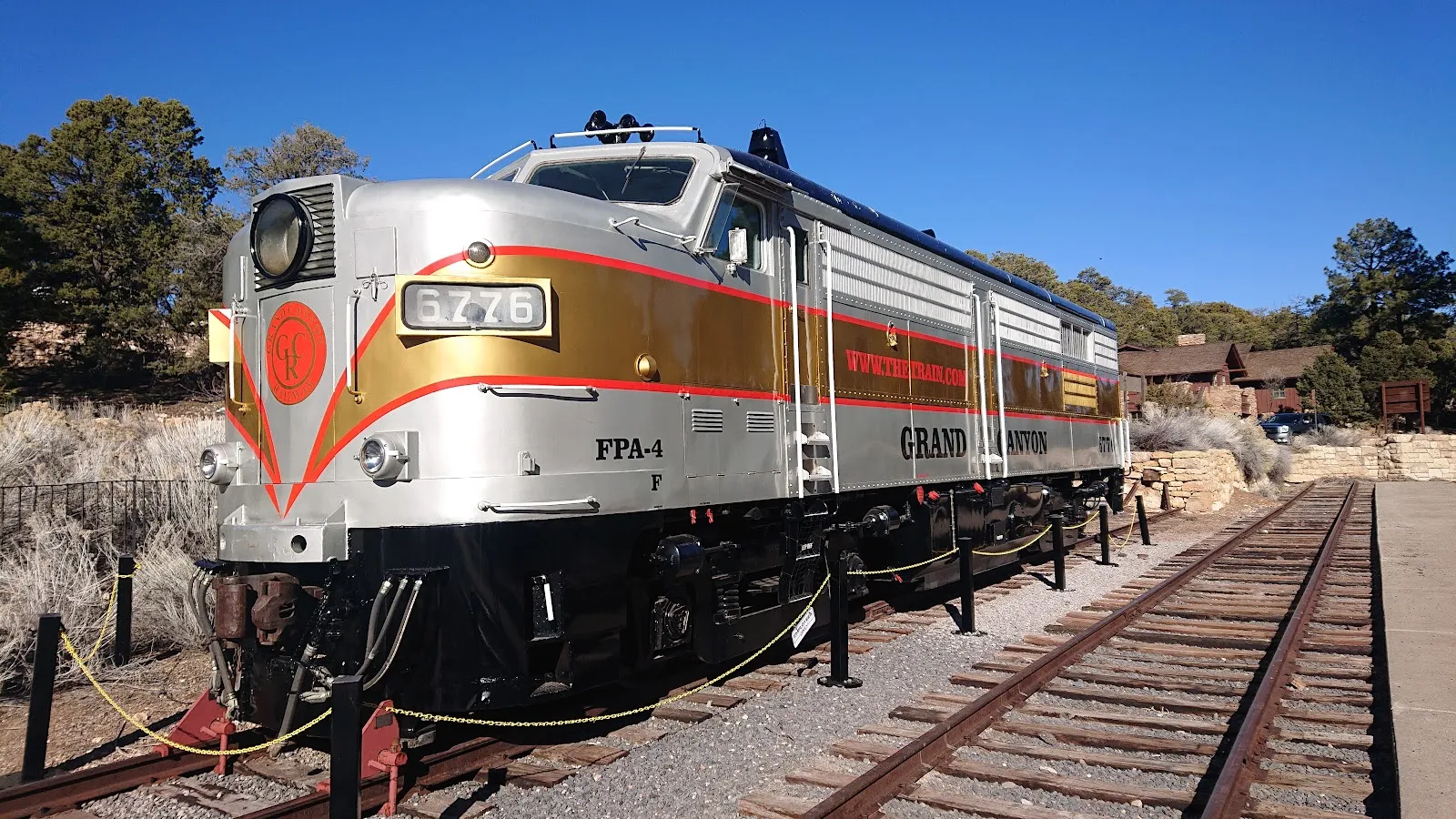
Grand Canyon National Park’s South Rim pairs expansive canyon views with historic buildings and the Grand Canyon Depot in Grand Canyon Village. For a change from driving, the Grand Canyon Railway runs from Williams to the depot in restored coaches; some trains have glass-ceiling observation cars. In the village, look for Hopi House, designed by architect Mary Colter, and Verkamp’s Visitor Center, with exhibits on pioneer history. Rocky trails can be slippery, so take care underfoot as you explore the rim.
The railway and Grand Canyon Depot
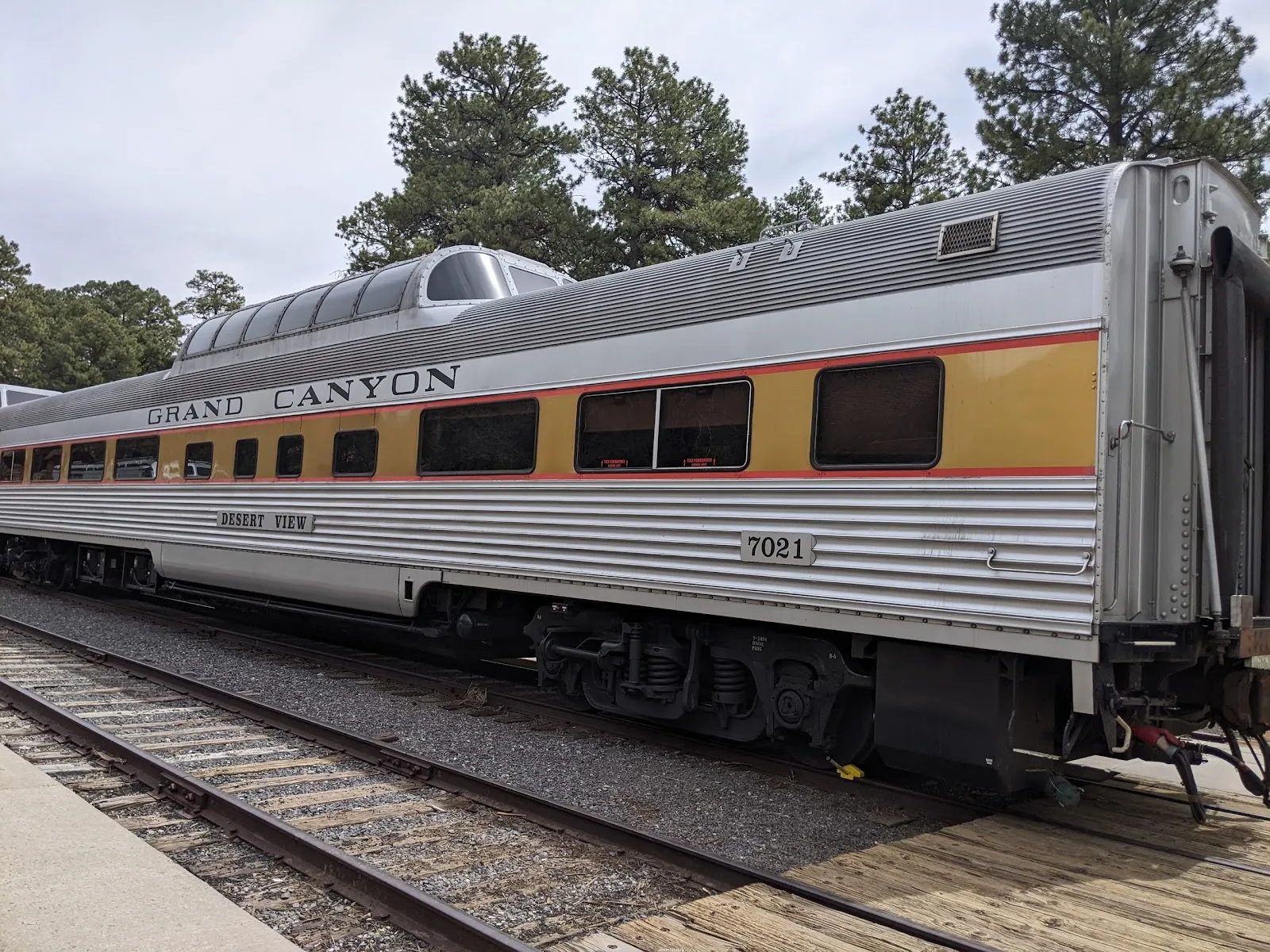
The Grand Canyon Railway connects Williams, Arizona, with the South Rim’s Grand Canyon Depot. The route began as a way to haul ore and later brought early visitors to the park. The depot, also known as the Grand Canyon Railroad Station, dates to 1910 and marks the railway’s end point.
The railway runs restored coaches from the 1920s and 1950s. Some trains have observation cars with glass ceilings. Taking the train gives you a way to reach the canyon without driving and adds a historic rail journey to the visit.
Historic buildings in Grand Canyon Village
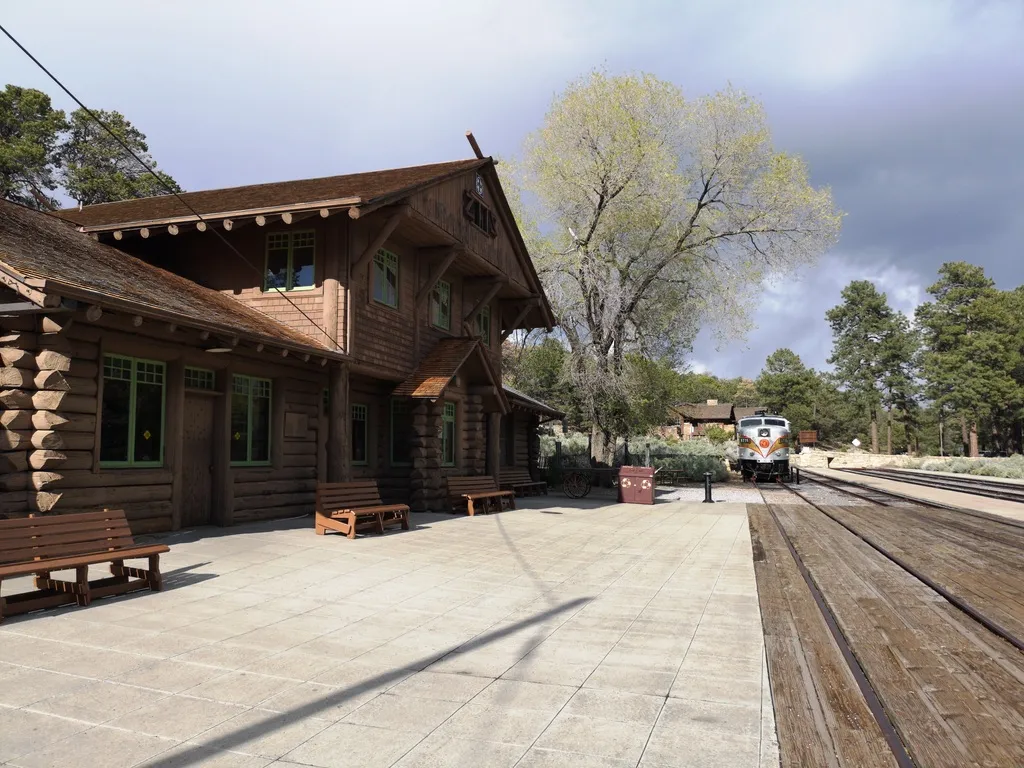
Grand Canyon Village has a National Historic Landmark district with buildings designed by architect Mary Colter. Hopi House, built in 1905, draws on Indigenous architecture of the Southwest. It now houses a Native American art gallery and the park’s largest souvenir store.
Verkamp’s Visitor Center dates to 1906 and has a bookstore, information desk and exhibits on the canyon’s pioneer history. Hermit’s Rest and Lookout Studio are among the other distinctive structures on the South Rim. Rocky paths around the rim can be slippery, so watch your footing.
FAQ
Can you take a train to the Grand Canyon?
Yes. The Grand Canyon Railway runs from Williams, Arizona, to the Grand Canyon Depot on the South Rim.
When was the Grand Canyon Depot built?
The historic depot was built in 1910.
What can you see in Grand Canyon Village?
The village has historic buildings including Hopi House, Verkamp’s Visitor Center, Hermit’s Rest and Lookout Studio. Verkamp’s has exhibits on the canyon’s pioneer history.