Biscayne National Park, south of Miami near Homestead, protects Biscayne Bay, mangrove shoreline, islands and coral reefs. Most of the park is underwater, so a boat trip is the way to reach its reefs and keys. Choose a guided outing for snorkeling, or explore the shallow bay and mangrove channels by kayak. On Boca Chita Key, you can see the lighthouse and beaches; along the water, look for marine life and the Stiltsville houses near Biscayne Channel. The Dante Fascell Visitor Center has exhibits and maps for planning your visit.
A park built around the water
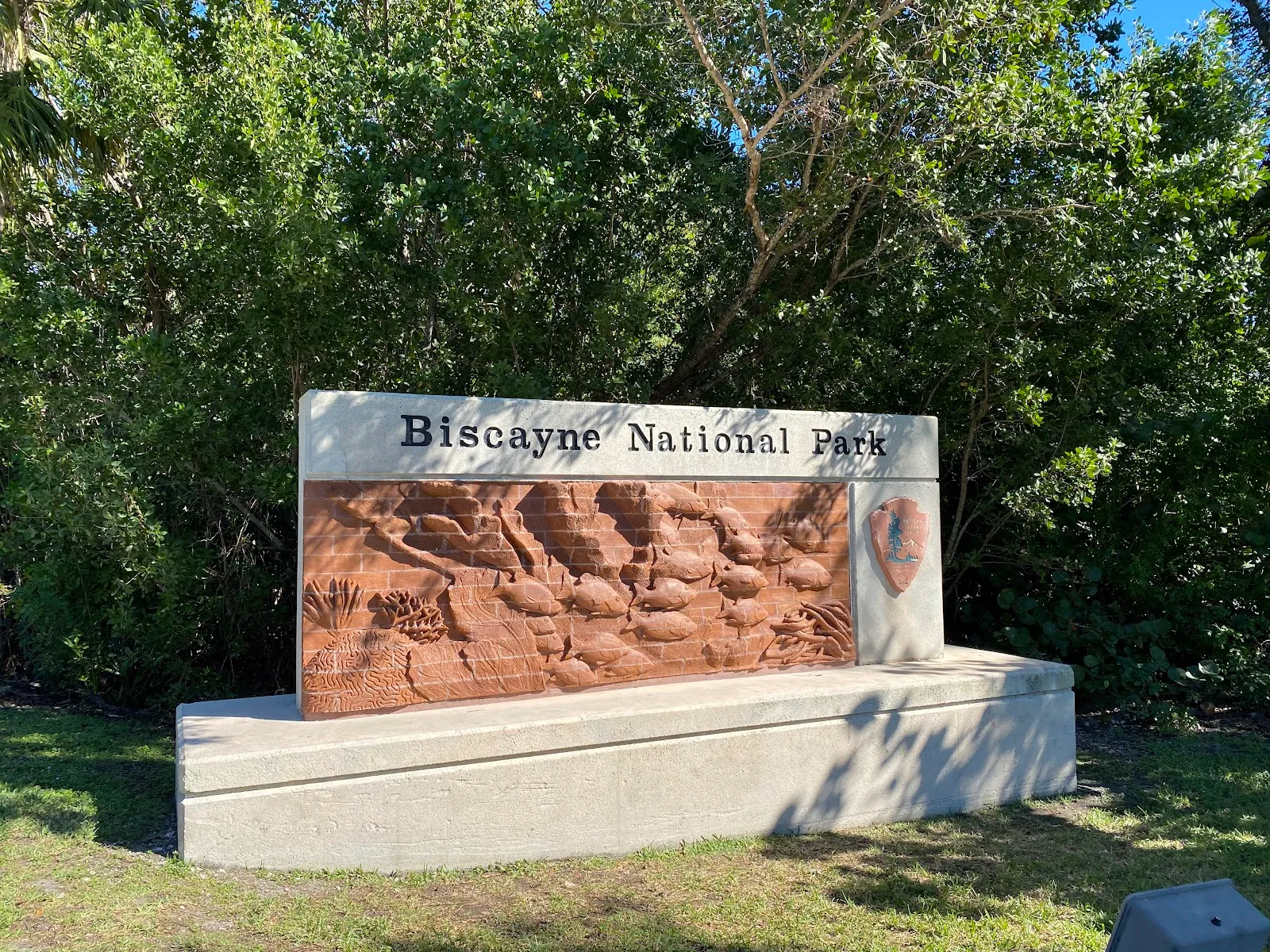
Biscayne National Park lies south of Miami, near Homestead, and protects part of Biscayne Bay, the mainland mangroves, small islands and offshore coral reef. Water makes up most of the park. That shapes the visit: the islands and many of the natural areas people come to see are reached by boat, not by road.
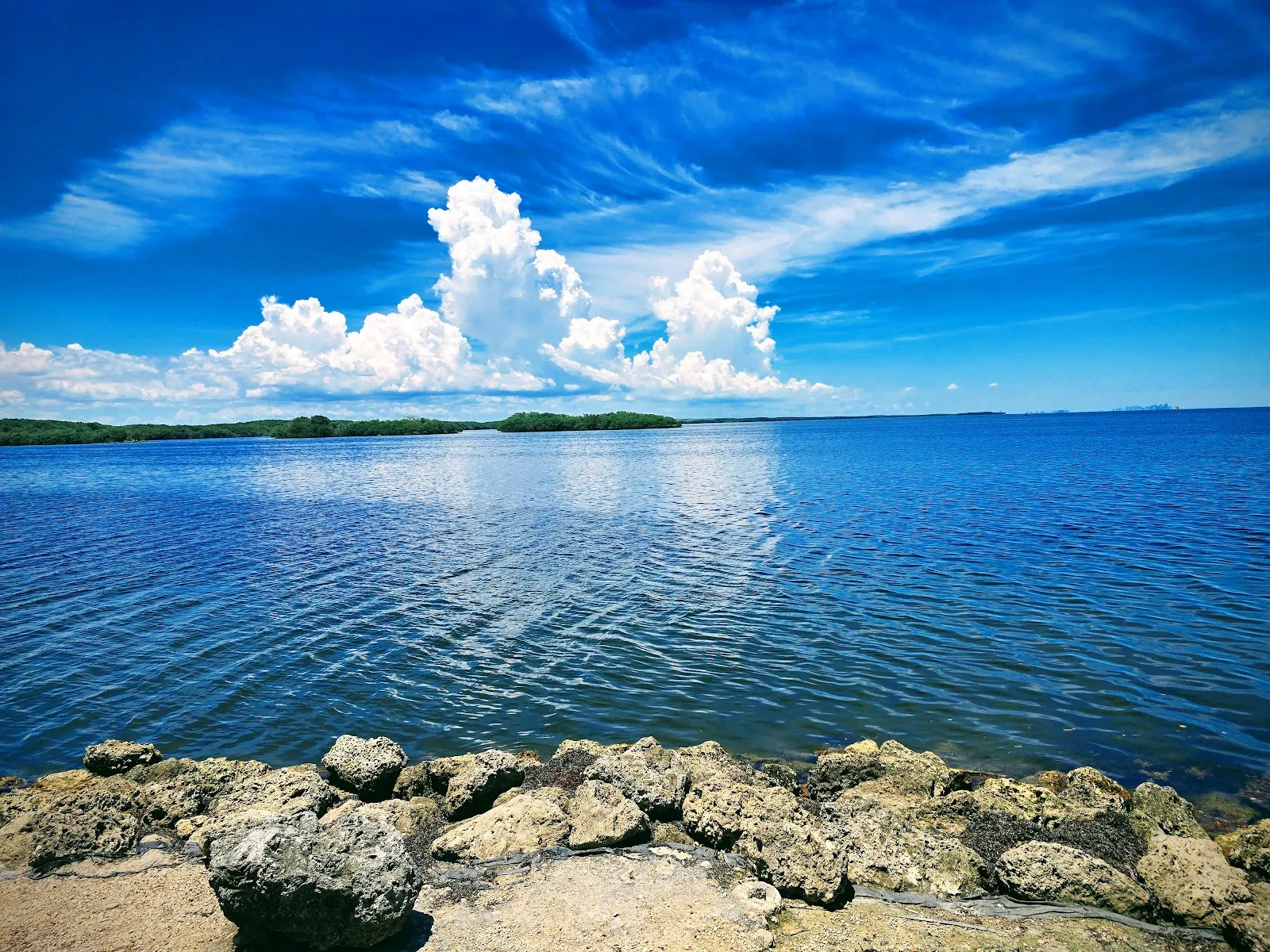
The park brings together several coastal habitats, including mangrove forests, seagrass beds, coral reefs and the keys. Along the shore, mangroves border shallow water; farther offshore, reefs and shipwrecks draw snorkelers and divers. The setting can feel removed from the city, even though Miami is nearby.
Choose a boat trip, paddle or snorkel
A guided boat outing is a practical way to reach the park’s islands and water-based activities. Excursions can include snorkeling, sailing or fishing; guided tours also provide a way to explore with someone familiar with the area. Check what the current trip includes before booking, since the activity and destination depend on the excursion.
For snorkeling and diving, the park’s reefs and wrecks are the main draw. The Biscayne Maritime Heritage Trail links underwater wreck sites, where marine life and maritime remains can be seen. Snorkeling areas are accessed by boat, so plan transport to the water as part of your outing rather than expecting to reach the reef from shore.
Kayaking and canoeing suit a slower route through the bay’s shallow water and mangrove-lined shore. The park has routes around keys and through channels, creeks and lagoons. Bring your own kayak or look into rental availability before you travel. If you prefer not to paddle, a boat tour can cover more distance with less effort.
Boca Chita Key and the visitor center
Boca Chita Key is one of the islands to consider on a boat visit. Its lighthouse is a landmark, and the island also has beaches and historic sites. The keys are not a conventional beach destination: sandy shorelines are limited in places, and reaching them requires a boat. Stiltsville’s houses near Biscayne Channel are another distinctive sight from the water.
Start trip planning at the Dante Fascell Visitor Center, east of Homestead. Its exhibits and maps can help you understand the park and choose an outing. Guided boat tours depart from the visitor center area, and some trips also leave from Coconut Grove. Check the park’s official website for current excursion details before making plans.
FAQ
How do you get around Biscayne National Park?
Most of the park is underwater, and the islands and reefs are mainly reached by boat. Guided boat trips, kayaking and canoeing are ways to explore.
Can you snorkel at Biscayne National Park?
Yes. Snorkeling trips visit the park’s coral reefs and, on some outings, shipwrecks. You need a boat to reach the snorkeling areas.
What can you see on Boca Chita Key?
Boca Chita Key has a lighthouse, beaches and historic sites. It is reached by boat.
Where is the Dante Fascell Visitor Center?
The visitor center is east of Homestead and is a starting point for trip planning and guided boat tours.