Bodnant Garden is a National Trust garden on a hillside above the Conwy Valley, near Tal-y-cafn in North Wales. Italianate terraces, woodland paths and streams have been planted over more than 150 years, with Snowdonia's mountains in the distance. The Laburnum Arch, a long tunnel of golden flowers, is the best-known sight in late spring, but the garden has colour through the year, including a designated Winter Garden. Allow a few hours for the walks, and bring a picnic if you like.
From Victorian planting to the National Trust
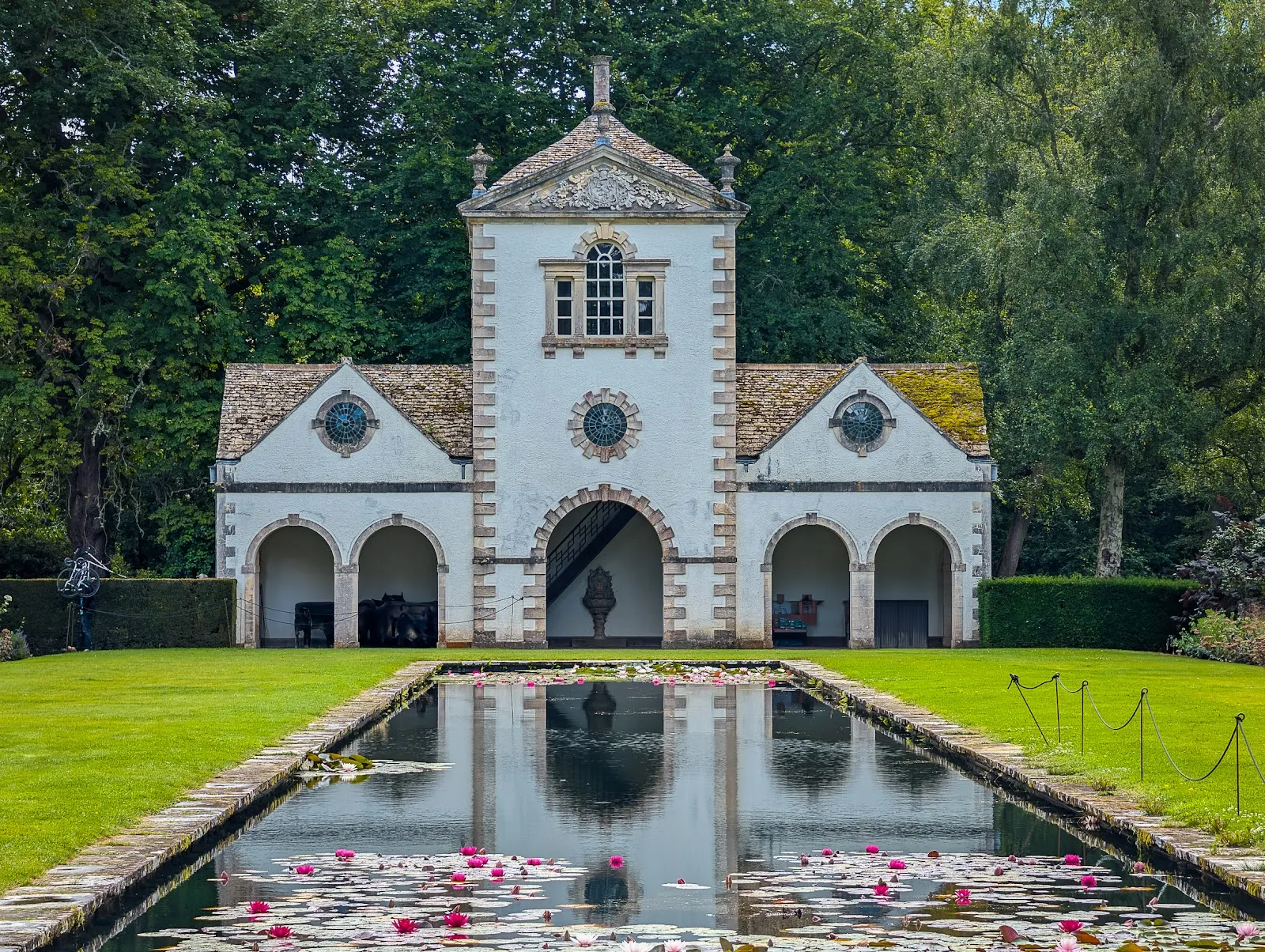
The garden was shaped by the Victorian scientist and politician Henry Pochin, and it was developed over generations after that. The house at its heart is a gracious late-18th-century building. Lord Aberconway of the McLaren family, who once lived there, left the property to the National Trust in 1949.
Today the garden covers 80 acres, or 32 hectares, of hillside, terraces, woodland and streams. It was laid out in the 1870s and has been planted for more than 150 years.
Terraces, ponds and the Dell
The formal part of the garden is built on Italianate terraces. Five are named: the Canal Terrace, the Lower Rose Terrace, the Croquet Terrace, the Upper Rose Terrace and the Lily Terrace. Rectangular ponds run down from the house into the wooded valley, where the planting becomes wilder.
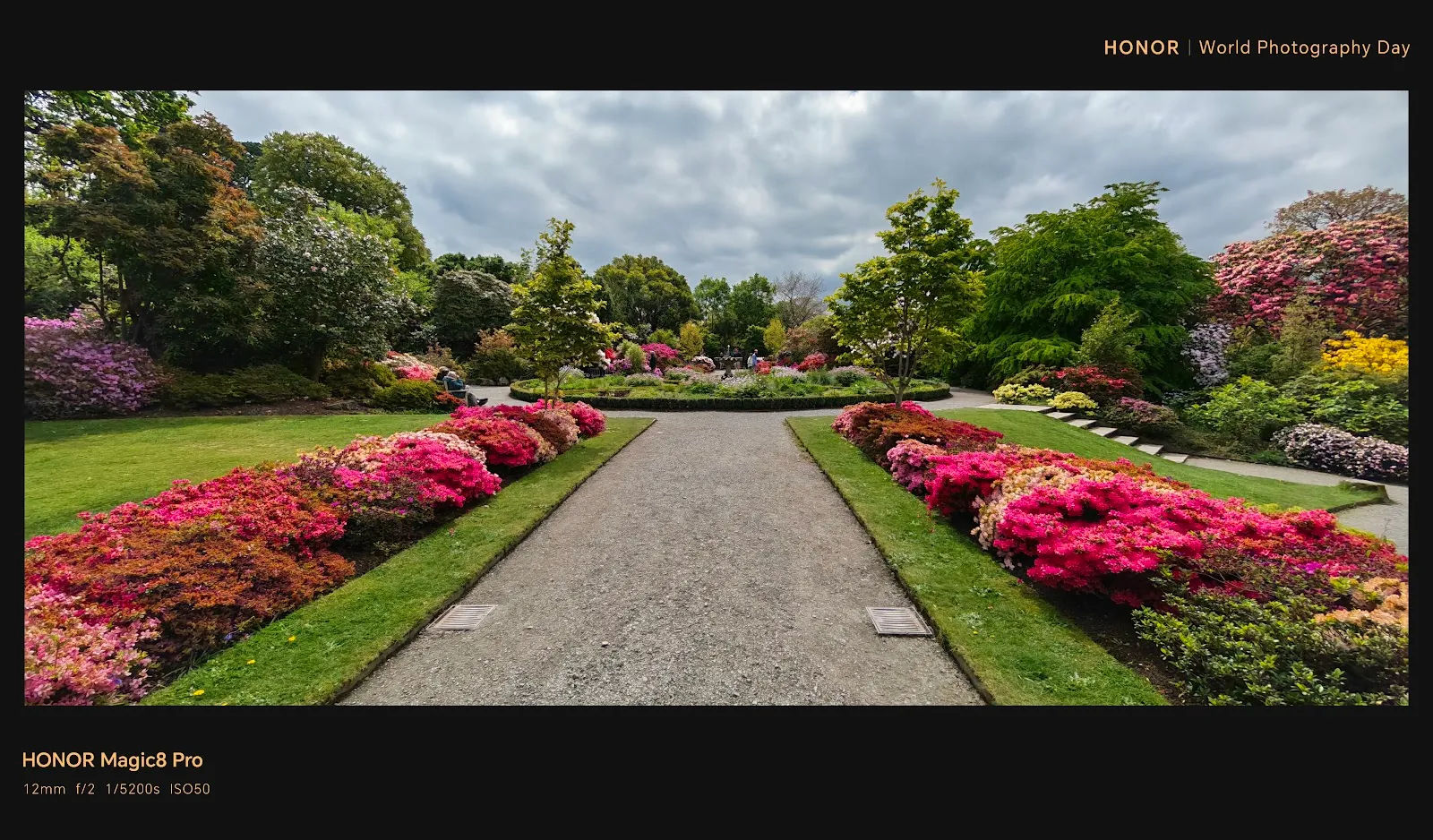
The garden is split into two sections. The Upper Garden is set around Bodnant Hall. The Dell is the wild garden, with waterfalls and an impressive collection of trees. The house itself is not open to visitors, so the gardens are the part to plan your time around.
Plants and collections
Bodnant holds four National Plant Collections. Its plants come from many parts of the world, and the garden has evergreen trees and exotic species alongside its seasonal flowers. One of its earliest introductions was the magnolia from China, brought in during the late 19th century. Rhododendrons and magnolias are among the collections to look for.
The rose garden grows David Austin roses, which are worth a slow look in summer.
Walking routes and access
The routes are signed. The red path is about 1.5 km and the blue path is about 3 km. The free map given at entry marks both, which helps you choose between a short loop and a longer walk. Shaded benches are spread through the grounds, so you can rest on the way up the hillier sections.
For visitors with limited mobility, the garden has step-free routes and accessible tea rooms. Manual wheelchairs and mobility aids can be borrowed. Blue Badge parking is near the entrance, and the car park is clearly signposted.
Planning a visit
Entry is paid, and National Trust members go in free. Booking ahead is recommended. Cafés are placed near the car park, near the entrance and exit, and at the far end of the walking loop. A gift shop and a plant centre are at the entrance area. Dogs are welcome.
The garden has appeared on screen. A section of the film The Secret Garden was filmed here, and the gardens feature on the BBC's Antiques Roadshow.
FAQ
Is there an entry fee?
Yes. Non-members pay to enter, and National Trust members go in free. Children and families have cheaper rates, depending on the season.
How long do you need?
Plan two to four hours to walk the main routes and stop at a café. The red path is about 1.5 km and the blue path about 3 km.
When is the Laburnum Arch in bloom?
The Laburnum Arch flowers in late spring. Book ahead for that period, when the garden is busiest.
Is Bodnant Garden accessible?
Yes, in part. The garden has step-free routes and accessible tea rooms, and manual wheelchairs can be borrowed. Some paths are hilly, and Blue Badge parking is near the entrance.