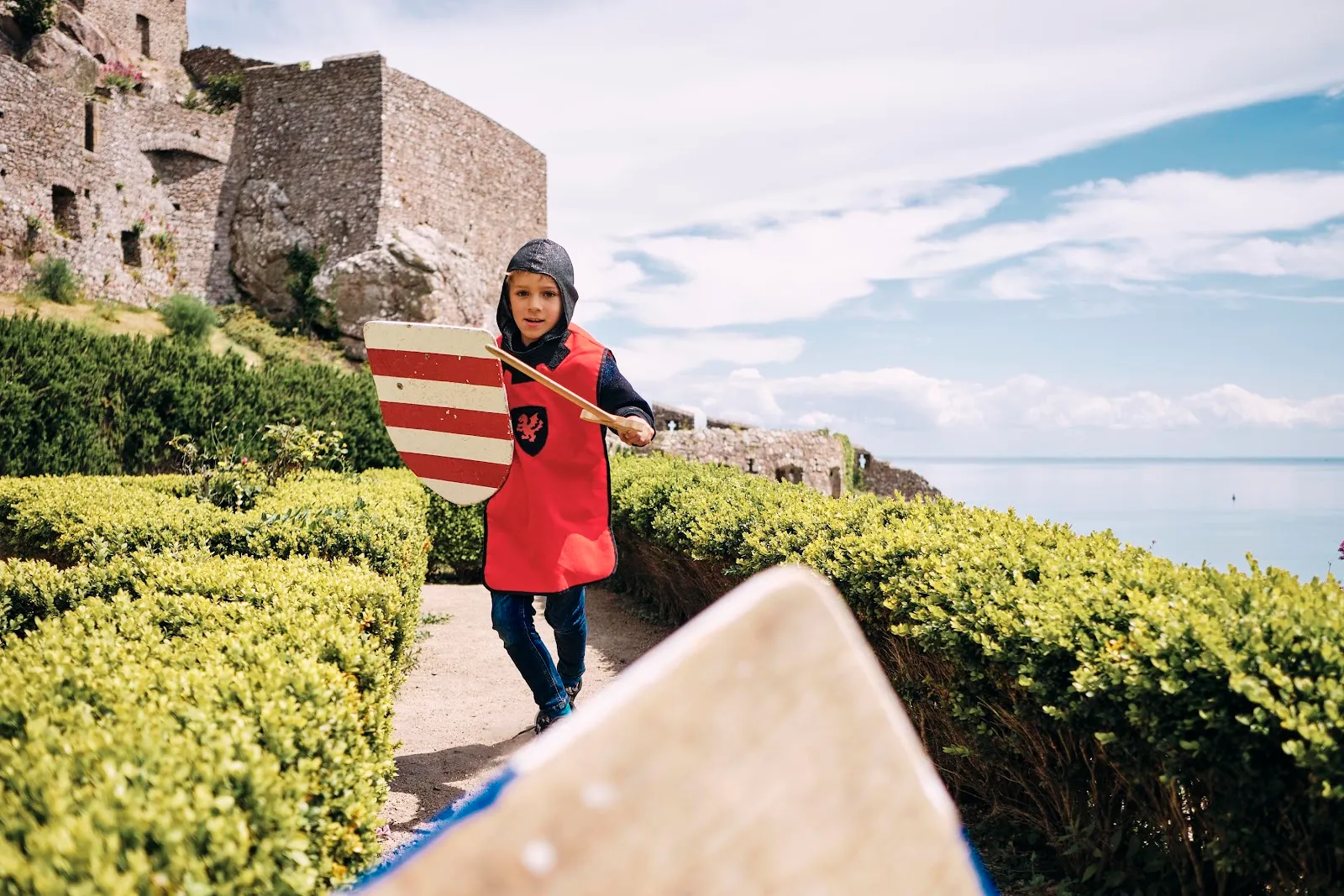
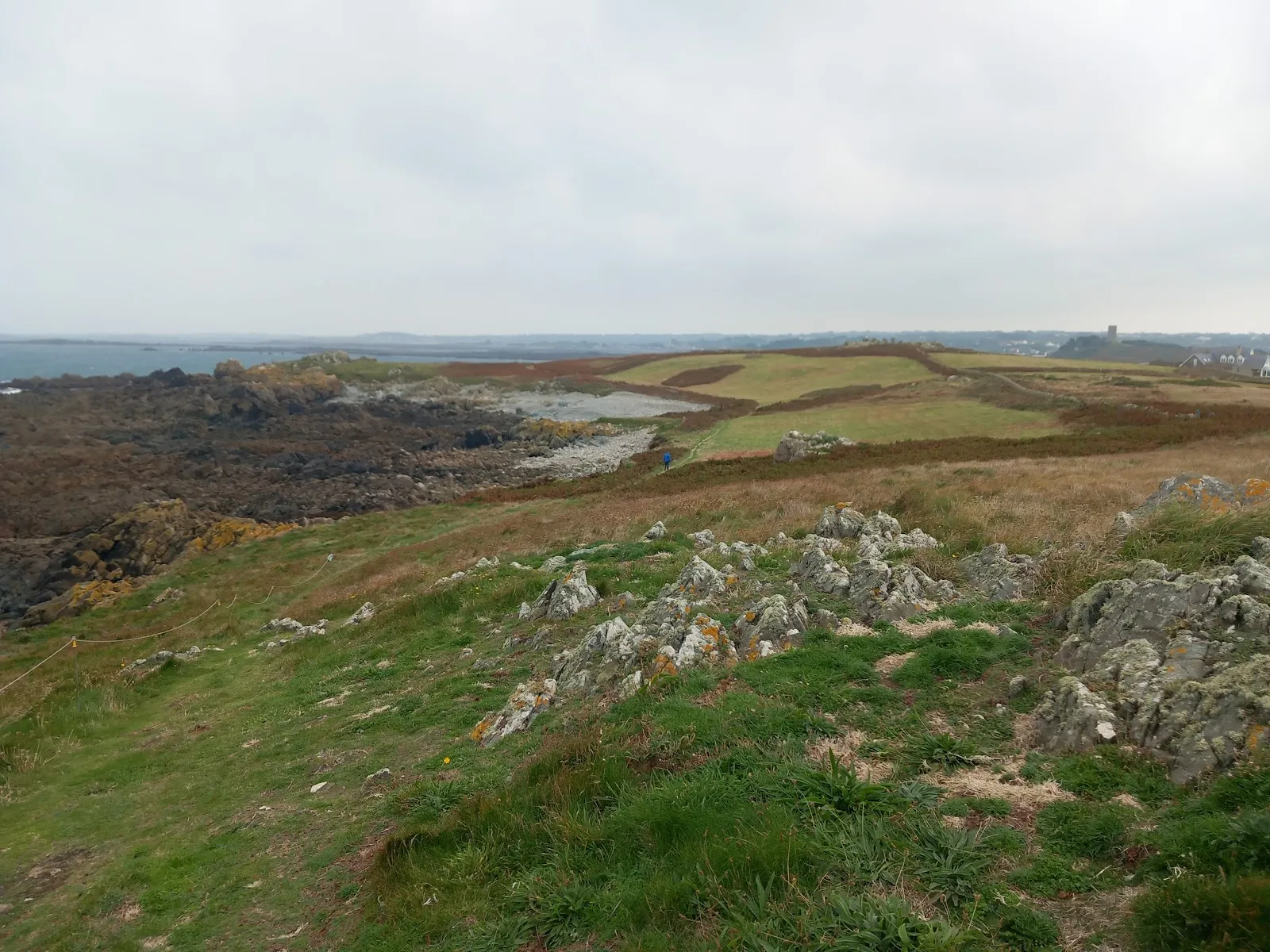
Alderney is the northernmost of the Channel Islands, part of the Bailiwick of Guernsey. Its quiet beaches, coastal paths and compact town of St Anne make it a good choice for a slower island break. Explore Victorian forts and Second World War remains, including bunkers scattered across the island, then look out for puffins and other seabirds around the coast. You can get around on foot or by bike, and the island’s cafes and restaurants give you a place to pause between walks.
Fortifications across the island
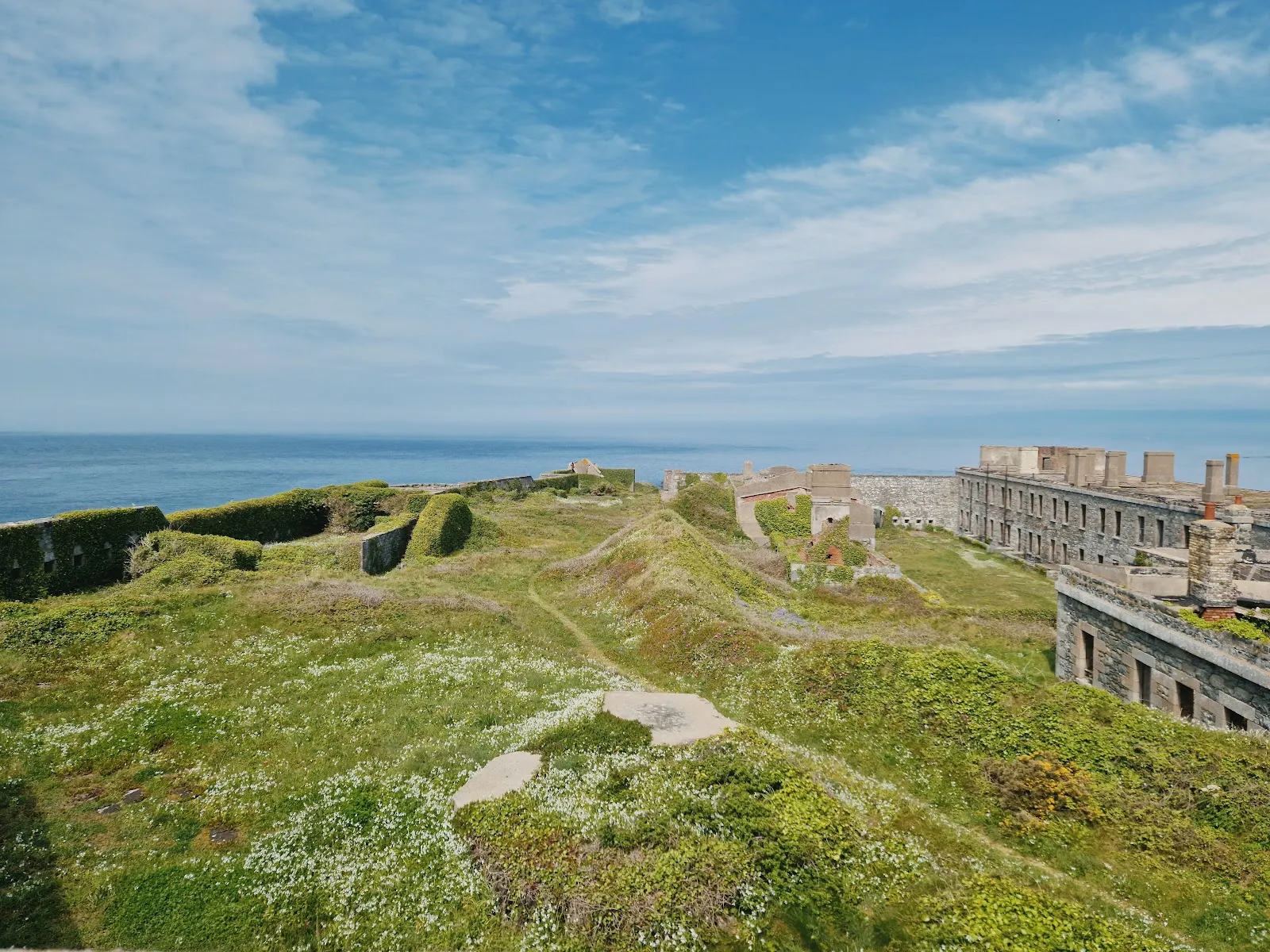
Alderney’s position in the Channel shaped its military history. The Romans built the Nunnery above Longis Bay in the 4th century. It is considered one of the best-preserved small Roman forts in Western Europe.
Victorian forts were later built around the island as defences against France. During the Second World War, the island was heavily militarised under German occupation, and concrete bunkers and other remains are still part of the landscape. These sites are spread across Alderney, so walking or cycling lets you combine them with time on the coast.
Fort Clonque stands on the rugged western shore. A short circular walk from the harbour passes the fort, goes uphill by the small airport and continues to St Anne before returning. It gives a useful overview if you have only a few hours, while longer coastal walks reach more of the island’s beaches and defensive remains.
Paths, beaches and wildlife
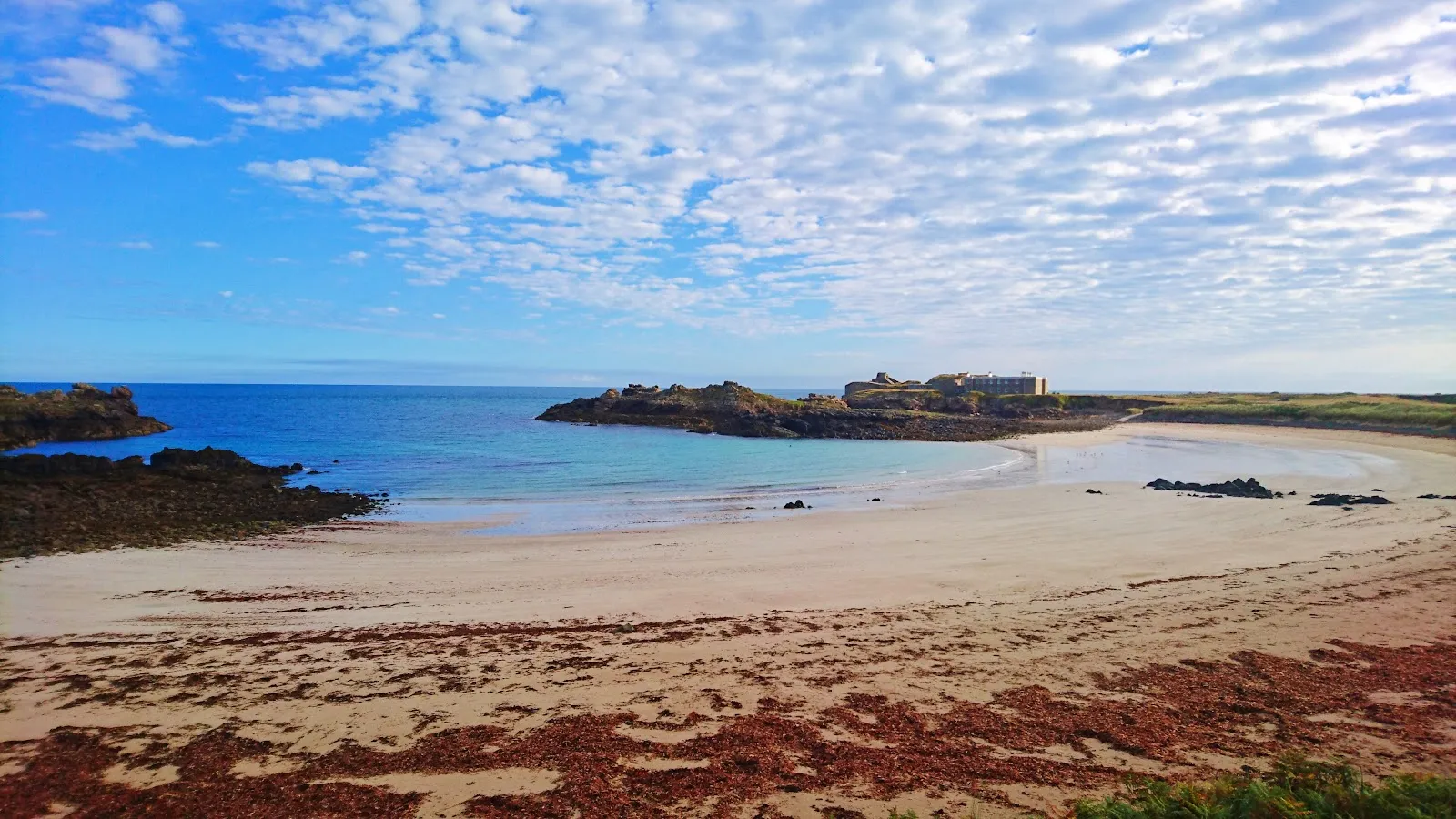
Alderney’s coast shifts between beaches, cliffs and exposed western shore. Saye Bay, Braye Bay and Corblets Bay are among the beaches noted for a visit. Braye Beach is close to St Anne, and its water is sheltered by the breakwater. At high tide, the old quay is used as a place to jump into the sea.
The island’s paths also pass habitats for seabirds. Puffins, gannets and other birds can be seen around the cliffs, beaches and nearby islets. Spring brings northbound bird migration, and the island is home to wildlife including rare blonde hedgehogs. An Alderney Wildlife Trust walk is one way to learn about the birds and wildlife as you explore.
Walking is a practical way to see the island, and cycling gives you another option for covering different areas. The roads are described as quiet, though the road system can be confusing in places. Take a walking guide or ask for one at the Visitor Information Centre in St Anne.
Getting around and spending time in St Anne
Alderney is a small island, but reaching it takes planning. Travel options include a passenger ferry from Guernsey or a connecting flight from Guernsey; there are also boat connections from Normandy. Routes and services differ, so check your chosen connection before setting out.
St Anne is the island’s main town. Its cobbled streets and Victorian-era houses offer a change of pace from the coastal paths, with shops, cafes and restaurants for a break. The island has a close-knit local feel, and its food and drink venues are part of a visit as well as a stop between walks.
For a short stay, you can focus on the harbour, Fort Clonque and St Anne. With more time, use a bike or walk further along the coast to reach additional beaches, forts and wildlife sites. The quieter pace suits visitors looking for walks, history and time by the sea; those wanting a busy schedule of large-town attractions may find the island’s slower rhythm less appealing.
FAQ
How do you get to Alderney?
You can travel by passenger ferry or connecting flight from Guernsey. Boat connections from Normandy are also mentioned; check the route and service before planning your trip.
What is there to see on Alderney?
The island has Victorian forts, Second World War remains, coastal paths, beaches and seabird habitats. In St Anne, look for cobbled streets and Victorian houses.
Can you explore Alderney on foot?
Yes. Walking is a practical way to explore, including a short circular route from the harbour past Fort Clonque, the airport and St Anne. You can also hire a bike.
When is a good time to visit for birdwatching?
Spring is a good time to look for northbound bird migration. Puffins, gannets and other seabirds are found around the island.