Plan a trip
Language: English
Trip plannerPlan your trip on a map

Top destinations

EnglishDeutschFrançaisEspañolPortuguêsPortuguês (BR)Italiano
Travel advisory · ThailandSome governments advise against travel to parts of Thailand.The warnings cover only these areas: 50 km strip along the Cambodia border, Narathiwat, Pattani, Southern Songkhla (Chana, Na Thawi, Thepha and Saba Yoi districts), Thailand-Cambodia border zones (distance not stated), Yala, 20 km strip along the Cambodia border.Advice depends on your passport. Read your own government's advice before you book.Official advice
Areas with warnings
  • 50 km strip along the Cambodia border · avoid all travel · Canada, France, New Zealand
  • Narathiwat · avoid all travel · Canada, Germany, Spain, France, Ireland, Italy, New Zealand, UK
  • Pattani · avoid all travel · Canada, Germany, Spain, France, Ireland, Italy, New Zealand, UK
  • Southern Songkhla (Chana, Na Thawi, Thepha and Saba Yoi districts) · avoid all travel · Canada, Germany, France, Ireland, Italy, New Zealand, UK
  • Thailand-Cambodia border zones (distance not stated) · avoid all travel · Spain, Ireland, Italy
  • Yala · avoid all travel · Canada, Germany, Spain, France, Ireland, Italy, New Zealand, UK
  • 20 km strip along the Cambodia border · avoid non-essential travel · Germany, UK

Also named by one government: Buriram border areas (Spain), East of Highways 408 and 4113, including Sakom (Canada), Hat Yai city (Canada), Sisaket border areas (Spain), Surin border areas (Spain), Thailand-Myanmar border (except Mae Sot) (France), Ubon Ratchathani border areas (Spain), Hat Yai to Padang Besar train line (UK), Myanmar border: Mae Hong Son and Tak provinces (Italy), Myanmar border: Tak and Chiang Mai provinces (Spain), Phatthalung (France), Preah Vihear Temple area (Sisaket) (Italy), Satun (France)

GovernmentAdviceUpdatedRead the advice
United Kingdom (FCDO)No advice against the whole country (regional advisories)–Read the advice
United States (State Dept)Exercise normal precautionsJul 7, 2026Read the advice
Canada (Global Affairs)Exercise a high degree of caution (regional advisories)–Read the advice
Germany (Auswärtiges Amt)No advice against the whole country; partial warnings for border and southern areas (regional advisories)Oct 26, 2026Read the advice
New Zealand (SafeTravel)Exercise increased caution (regional advisories)–Read the advice
Ireland (Department of Foreign Affairs)Normal Precautions (regional advisories)–Read the advice
France (Ministry for Europe and Foreign Affairs)Increased vigilance across the country (regional advisories)–Read the advice

Checked daily from the governments' published advice; last checked Nov 3, 2026. RoamLedger summarises official advice; it is not advice from any government.

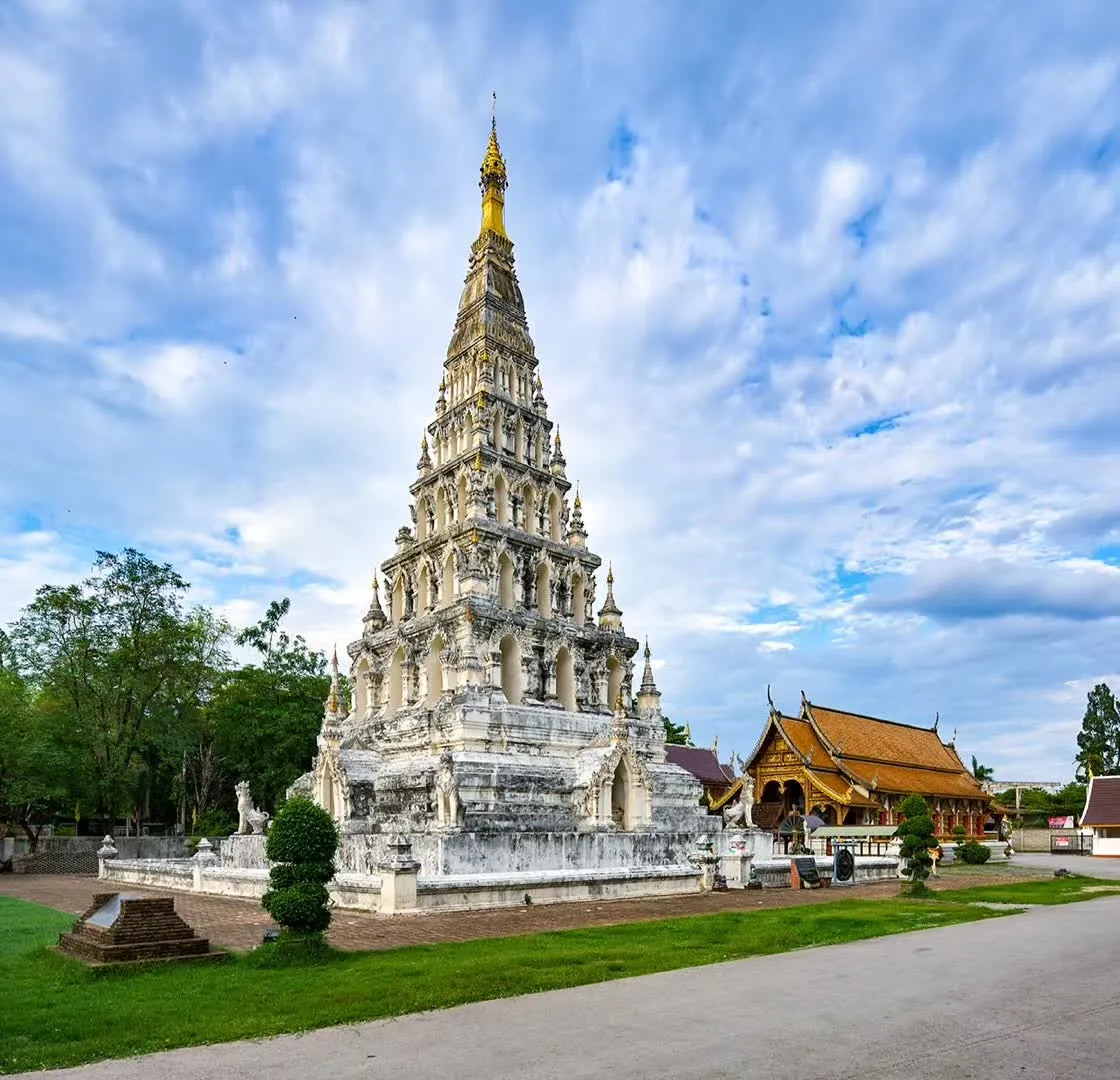
Wat Chiang Yuen
Temple

Wat Chiang Man

Visit Wat Chiang Man in Chiang Mai’s Old City to see its elephant-supported chedi, historic Lanna buildings and revered Crystal and Marble Buddhas.

Wat Chiang Man is a Buddhist temple inside Chiang Mai’s Old City, regarded as the city’s oldest. King Mengrai founded it in 1296, during the city’s construction. Its best-known landmark is Chedi Chang Lom, a stupa with stone elephants around its base and a gold upper section. Inside, look for the Crystal Buddha and Marble Buddha, two revered images. The grounds also have Lanna-style buildings, gardens and wall paintings, giving you plenty to notice on a short, quiet stop among the Old City’s temples.

A temple from Chiang Mai’s founding
Wat Chiang Man
Wat Chiang Man

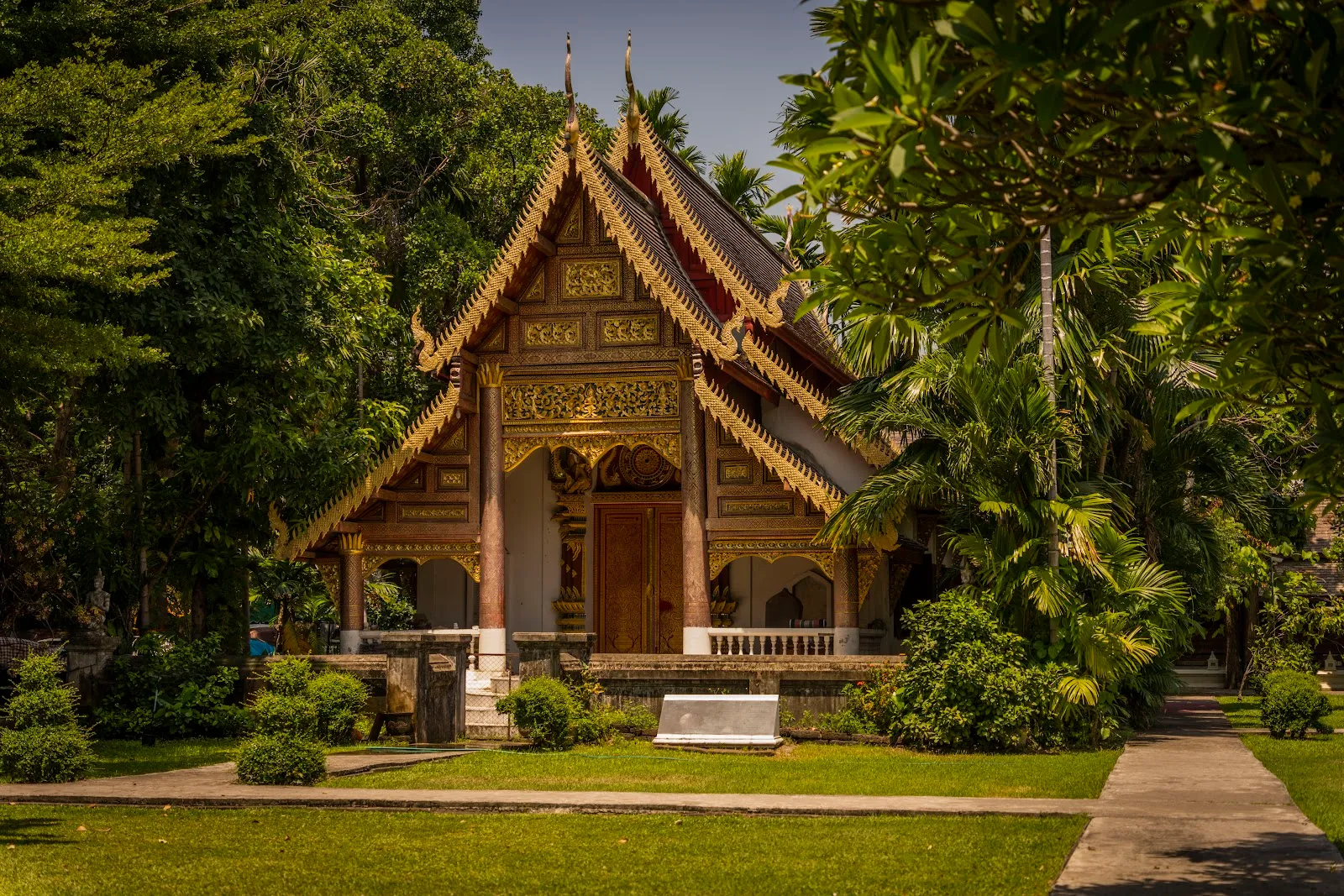
Wat Chiang Man is regarded as Chiang Mai’s oldest temple. It was founded by King Mengrai in 1296, when he established the city as the new capital of the Lanna Kingdom. Accounts connect the site with the king’s camp during the construction of Chiang Mai, and say he stayed here while overseeing the work.

The temple stands within the historic Old City, inside its walls and moat. Its location makes it a straightforward stop while exploring the old quarter on foot. The grounds bring together religious buildings and older structures, with architectural details associated with Lanna and other regional styles.

Chedi Chang Lom and its elephants
Wat Chiang Man
Wat Chiang Man

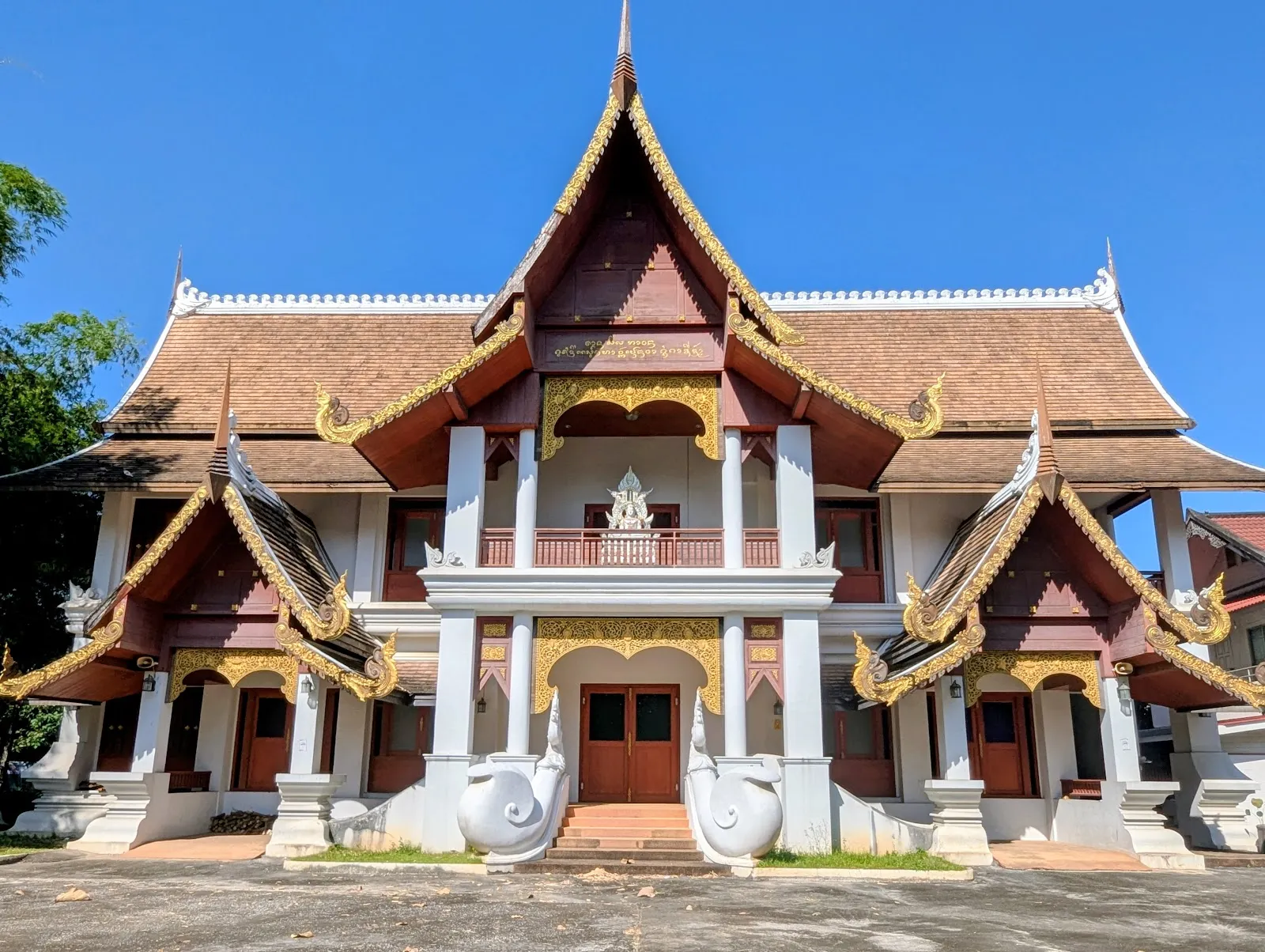
The chedi, or stupa, is the complex’s most distinctive landmark. Its stone base is encircled by 15 life-size elephant sculptures, while the upper tiers are gold. The contrast between the darker stone and gilded top makes the structure easy to pick out among the temple buildings.

Walk around the base to see the elephants from different angles and notice their carved details. The chedi is often called the Elephant Chedi, after the figures that appear to support it. The grounds also include gardens and older wooden buildings, so there is more to see than the central stupa.

Buddha images and temple buildings

Two of the temple’s most notable Buddha images are the Crystal Buddha, also known as Phra Sae Tang Khamani, and the Marble Buddha, or Phra Sila. Both are held in high regard. The complex also has Buddha images in its temple halls, alongside painted interiors that depict stories and religious themes.

The buildings include Lanna-style halls and an old wooden structure associated with the temple’s library. An inscription at Wat Chiang Man records details about the temple and the history of Chiang Mai. If you want more context for the buildings and artworks, a guide can help explain their significance.

FAQ

Is Wat Chiang Man free to enter?

An available account describes entry as free. No admission price is provided in the current place details.

How long do you need at Wat Chiang Man?

Allow about 20 to 30 minutes for a short visit to the chedi, Buddha images and grounds.

What should I see at Wat Chiang Man?

Look for Chedi Chang Lom, with 15 elephant sculptures around its base, and the Crystal Buddha and Marble Buddha inside the temple.

What should I wear to Wat Chiang Man?

Dress modestly when visiting this sacred site.

More must-sees in Chiang Mai Province

Explore all