Plan a trip
Language: English
Trip plannerPlan your trip on a map

Top destinations

EnglishDeutschFrançaisEspañolPortuguêsPortuguês (BR)Italiano
Travel advisory · ThailandSome governments advise against travel to parts of Thailand.The warnings cover only these areas: 50 km strip along the Cambodia border, Narathiwat, Pattani, Southern Songkhla (Chana, Na Thawi, Thepha and Saba Yoi districts), Thailand-Cambodia border zones (distance not stated), Yala, 20 km strip along the Cambodia border.Advice depends on your passport. Read your own government's advice before you book.Official advice
Areas with warnings
  • 50 km strip along the Cambodia border · avoid all travel · Canada, France, New Zealand
  • Narathiwat · avoid all travel · Canada, Germany, Spain, France, Ireland, Italy, New Zealand, UK
  • Pattani · avoid all travel · Canada, Germany, Spain, France, Ireland, Italy, New Zealand, UK
  • Southern Songkhla (Chana, Na Thawi, Thepha and Saba Yoi districts) · avoid all travel · Canada, Germany, France, Ireland, Italy, New Zealand, UK
  • Thailand-Cambodia border zones (distance not stated) · avoid all travel · Spain, Ireland, Italy
  • Yala · avoid all travel · Canada, Germany, Spain, France, Ireland, Italy, New Zealand, UK
  • 20 km strip along the Cambodia border · avoid non-essential travel · Germany, UK

Also named by one government: Buriram border areas (Spain), East of Highways 408 and 4113, including Sakom (Canada), Hat Yai city (Canada), Sisaket border areas (Spain), Surin border areas (Spain), Thailand-Myanmar border (except Mae Sot) (France), Ubon Ratchathani border areas (Spain), Hat Yai to Padang Besar train line (UK), Myanmar border: Mae Hong Son and Tak provinces (Italy), Myanmar border: Tak and Chiang Mai provinces (Spain), Phatthalung (France), Preah Vihear Temple area (Sisaket) (Italy), Satun (France)

GovernmentAdviceUpdatedRead the advice
United Kingdom (FCDO)No advice against the whole country (regional advisories)–Read the advice
United States (State Dept)Exercise normal precautionsJul 7, 2026Read the advice
Canada (Global Affairs)Exercise a high degree of caution (regional advisories)–Read the advice
Germany (Auswärtiges Amt)No advice against the whole country; partial warnings for border and southern areas (regional advisories)Oct 26, 2026Read the advice
New Zealand (SafeTravel)Exercise increased caution (regional advisories)–Read the advice
Ireland (Department of Foreign Affairs)Normal Precautions (regional advisories)–Read the advice
France (Ministry for Europe and Foreign Affairs)Increased vigilance across the country (regional advisories)–Read the advice

Checked daily from the governments' published advice; last checked Nov 3, 2026. RoamLedger summarises official advice; it is not advice from any government.

Bhubing Palace
Landmark

Bhubing Palace

Visit Bhubing Palace above Chiang Mai for Suan Suwaree rose garden, seasonal flowers and Thai-style royal buildings viewed from the grounds.

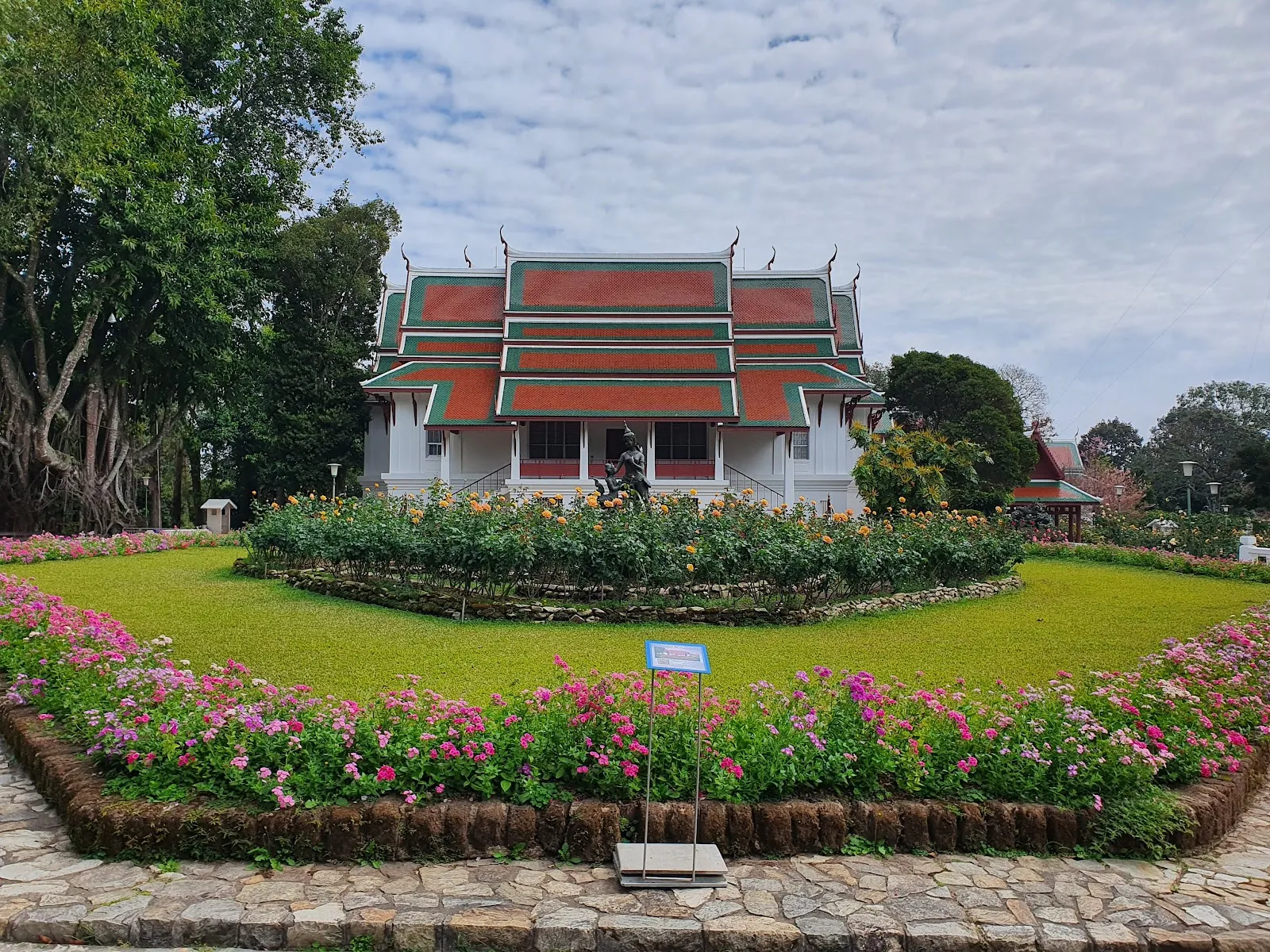
Bhubing Palace, also called Phu Phing Palace, is a royal winter residence on Doi Buak Ha in the mountains above Chiang Mai. Its grounds are the main draw: Suan Suwaree rose garden, greenhouses and beds of seasonal flowers sit among landscaped paths, with ferns, camellias, orchids and giant bamboo also growing here. The palace buildings use an applied Thai architectural style, but visitors cannot enter them. The gardens open to the public when the royal family is not in residence, so check access before making the drive.

A royal residence on Doi Buak Ha
Bhubing Palace
Bhubing Palace

Bhubing Palace, also known as Phu Phing Palace, stands on Doi Buak Ha in the mountains outside Chiang Mai. Built in 1961, it was created as a residence for the royal family during visits to northern Thailand. The grounds and residence have also served as a guesthouse for notable visitors from abroad.

The complex includes several buildings in an applied Thai architectural style, with high-rise masonry and Thai-style roofs. The palace itself is not open to visitors. Public access is to the gardens, and only when the royal family is not staying there.

Suan Suwaree and the flower gardens
Bhubing Palace
Bhubing Palace

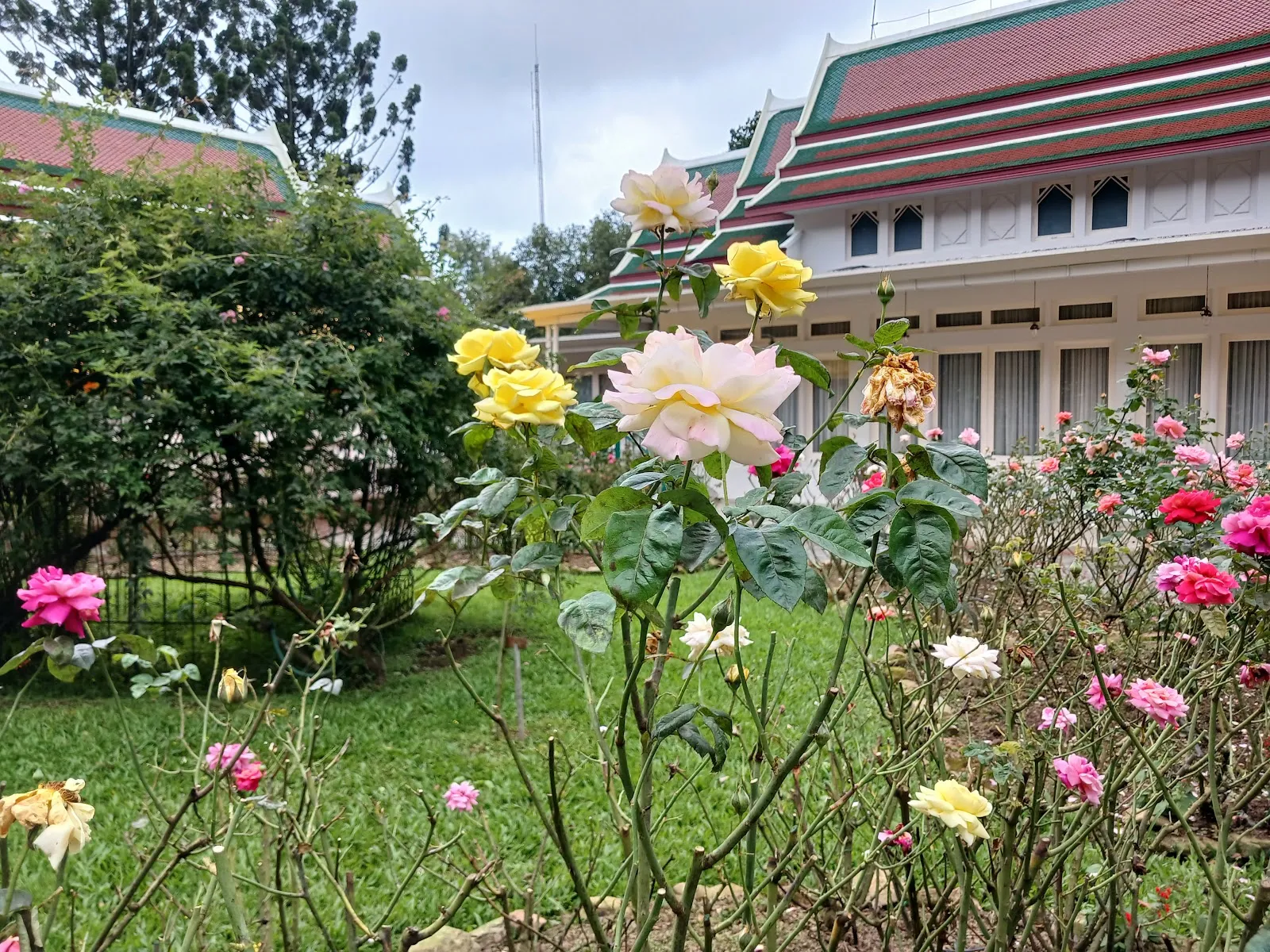
Suan Suwaree is the palace’s rose garden and one of the main reasons to visit. The landscaped grounds also contain greenhouses and a range of plants, including ferns, camellias, giant bamboo and colourful orchids. Seasonal and winter flowers bring changing displays through the year, with rare Thai plants among the collection.

Paths lead through the cultivated gardens and outdoor areas. The grounds also include a large reservoir with a fountain, and the gardens support bird and insect life. Take time to look beyond the rose beds for the variety of plants growing around the palace.

Planning a visit

The palace is a mountain stop that can be paired with Doi Suthep on a drive from Chiang Mai. A car with a driver can make the trip more convenient if you do not want to arrange the mountain journey yourself. Public access is listed for Fridays, Saturdays and Sundays, but access depends on whether the royal family is in residence, so confirm that the grounds are open before setting out.

Visitors can explore the gardens, but should not expect to tour the palace interiors. Bring toilet paper in case the bathrooms are not stocked. The grounds are the focus here, so allow time for a walk among the rose garden, greenhouses and seasonal flower displays.

FAQ

Can you go inside Bhubing Palace?

No. Visitors can explore the gardens, but the palace buildings are closed to the public.

When is Bhubing Palace open to the public?

The gardens are open on Fridays, Saturdays and Sundays when the royal family is not in residence. Check access before travelling.

What can you see at Bhubing Palace?

The grounds include Suan Suwaree rose garden, greenhouses and seasonal flowers, as well as plants such as ferns, camellias, giant bamboo and orchids.

How long do you need at Bhubing Palace?

Allow about an hour to walk through the gardens.

More must-sees in Chiang Mai Province

Explore all