
Skansen is an open-air museum and zoo on Djurgården, Stockholm, where historic homes and farmsteads from across Sweden bring earlier ways of life into view. Founded in 1891, it includes traditional workshops, gardens and buildings such as a schoolhouse, alongside Nordic animals including moose, reindeer, wolves and bears. Watch crafts such as glassblowing or pottery when demonstrations are scheduled, and allow time to explore the steep, spacious grounds. It suits families and anyone interested in Swedish history, though a shorter visit means choosing what to see.
A museum built from places across Sweden
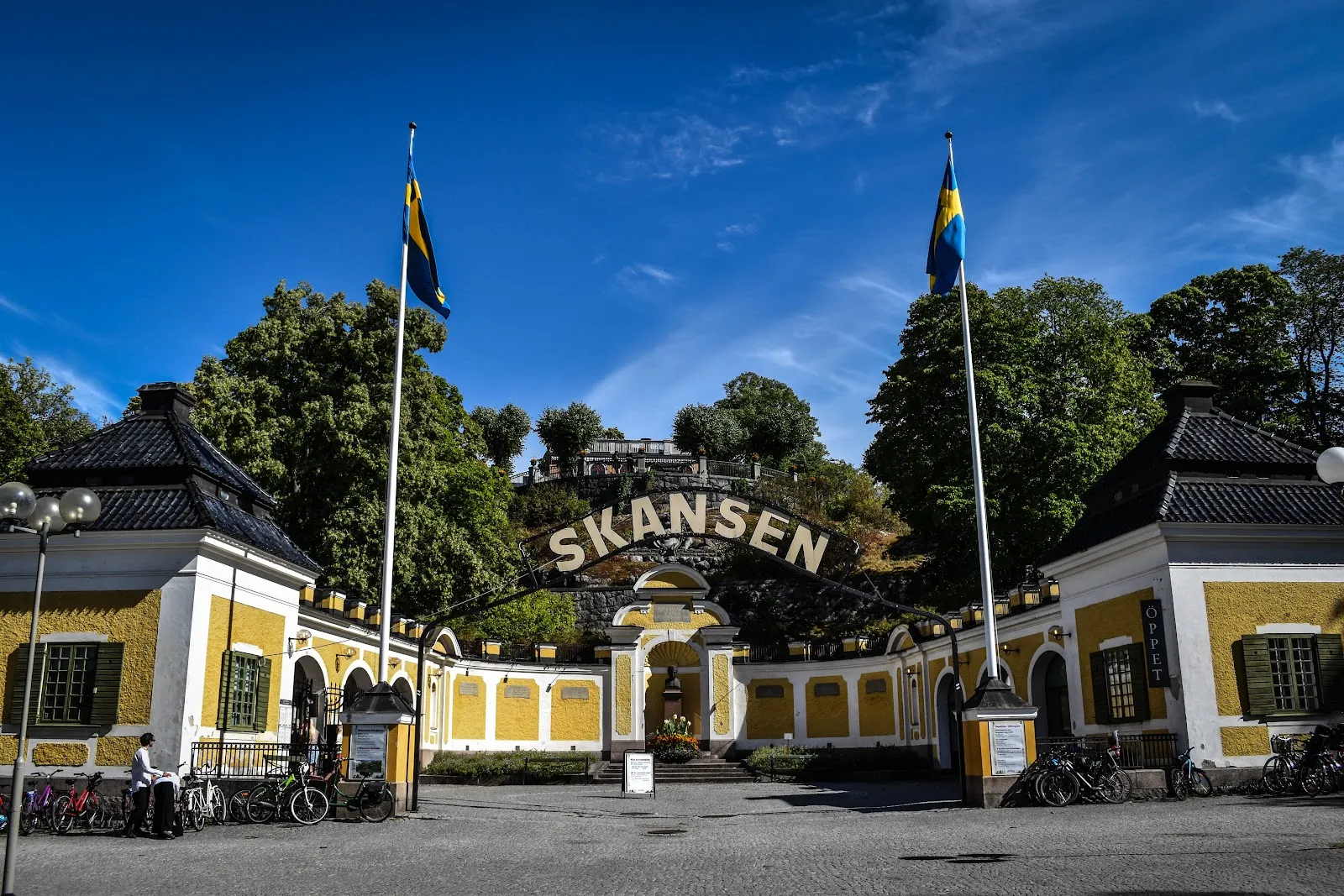
Skansen opened in 1891, founded by Artur Hazelius as a way to preserve and present Swedish life before industrialisation. Its approach was to bring buildings from different parts of the country together, so visitors could encounter regional traditions and domestic life in one place.
The grounds include around 150 historic houses and farmsteads. They represent different periods and settings, from rural properties to shops and homes in a town quarter. Buildings such as an old schoolhouse give a glimpse of everyday spaces, while a wooden church and farms show other parts of community life. The structures were moved to Djurgården from their original locations, and some are open to explore.
Skansen’s scale is part of the experience. It is set on hilly ground, with buildings, gardens and animal areas spread across the site. A visit works best when you choose a few areas that interest you rather than trying to see everything in one pass.
Crafts and living history
Traditional work is part of the museum’s programme. Demonstrations have included glassblowing, pottery, metalworking and leather tanning, as well as activities such as spinning and knitting. The schedule can change, so check it before your visit if a particular craft is a priority.
Historical interpreters in period clothing bring context to some of the buildings and daily activities. You can step into recreated shops and workshops, including an old bakery and furniture-making spaces, and see how homes and workplaces differed across regions and periods. Take time to talk with interpreters when they are available; they can explain the buildings and the practices shown there.
The museum also holds seasonal events. Public Midsummer celebrations have included folk music, dance and workshops, while a Christmas market is among its winter events. Dates and activities depend on the programme, so check Skansen’s website before planning around a specific celebration.
Animals and planning your visit
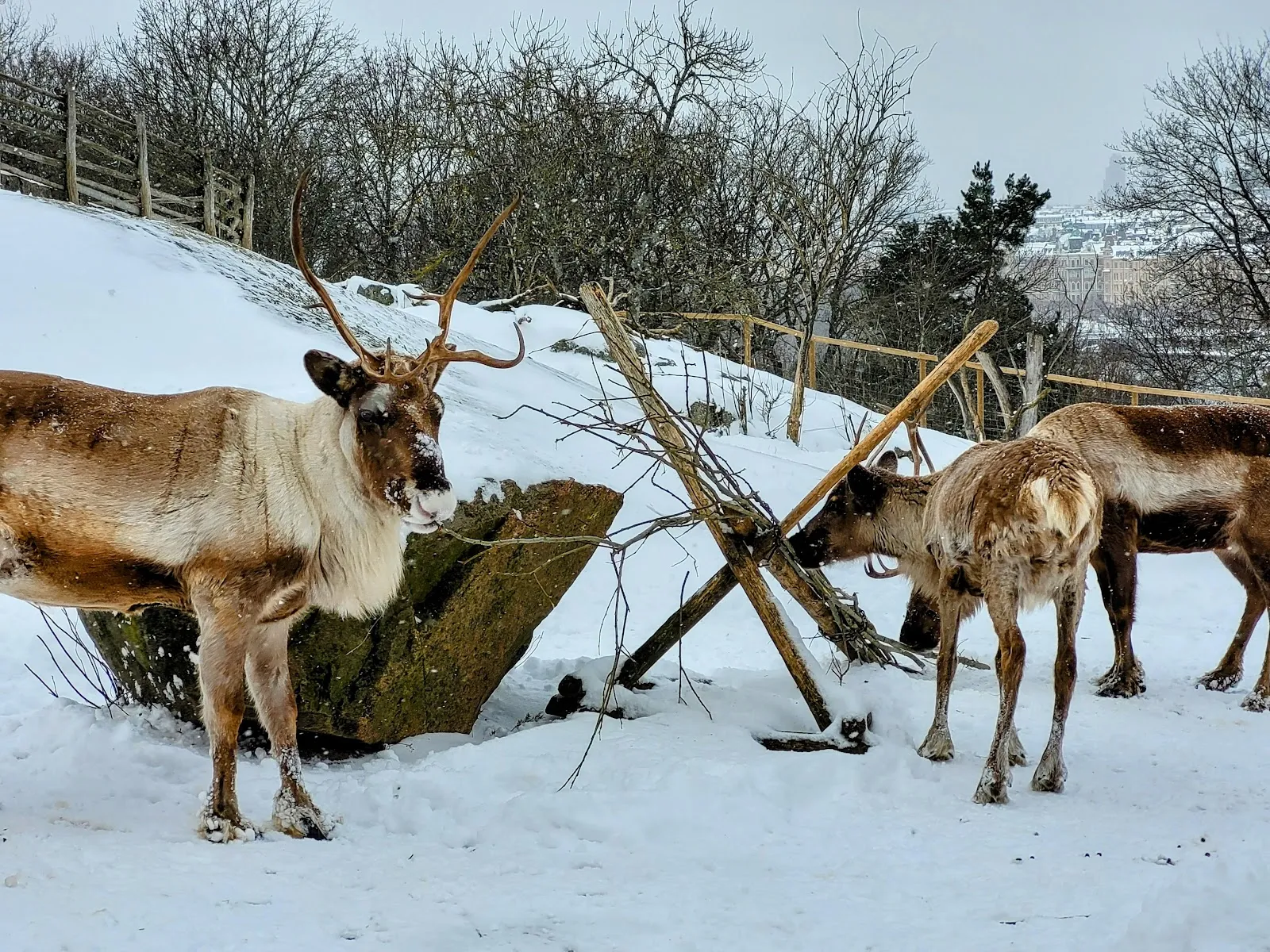
The zoo is home to animals associated with Scandinavia, including moose, reindeer, wolves, bears and lynx. There are also domestic and farm animals. Families can combine the animal areas with the historic buildings, though the size and hills of the grounds make this a substantial outing for children and adults alike.
Skansen has restaurants and other places to eat on site, so you can take a break without leaving the grounds. Its location on Djurgården also makes it possible to pair the visit with other attractions on the island, including the Vasa Museum.
Plan for at least three hours if you want to see several parts of the museum and zoo; some visitors spend much longer. Comfortable shoes matter on the slopes, and advance ticket booking is recommended. If you hope to see a particular craft demonstration or event, check the schedule before setting out.
FAQ
How long should I plan for Skansen?
Allow at least three hours to explore several areas. The grounds are extensive, so you may not see everything in one visit.
What can you see at Skansen?
The site combines historic homes and farmsteads from across Sweden, craft demonstrations, gardens and a zoo with Nordic animals.
Is Skansen suitable for children?
Yes. Children can explore the outdoor museum and see animals, though the hilly, spacious grounds take time to cover.
Should I buy Skansen tickets in advance?
Advance booking is recommended. Buy tickets before you arrive if you plan to use your phone, as connectivity may be unreliable.


