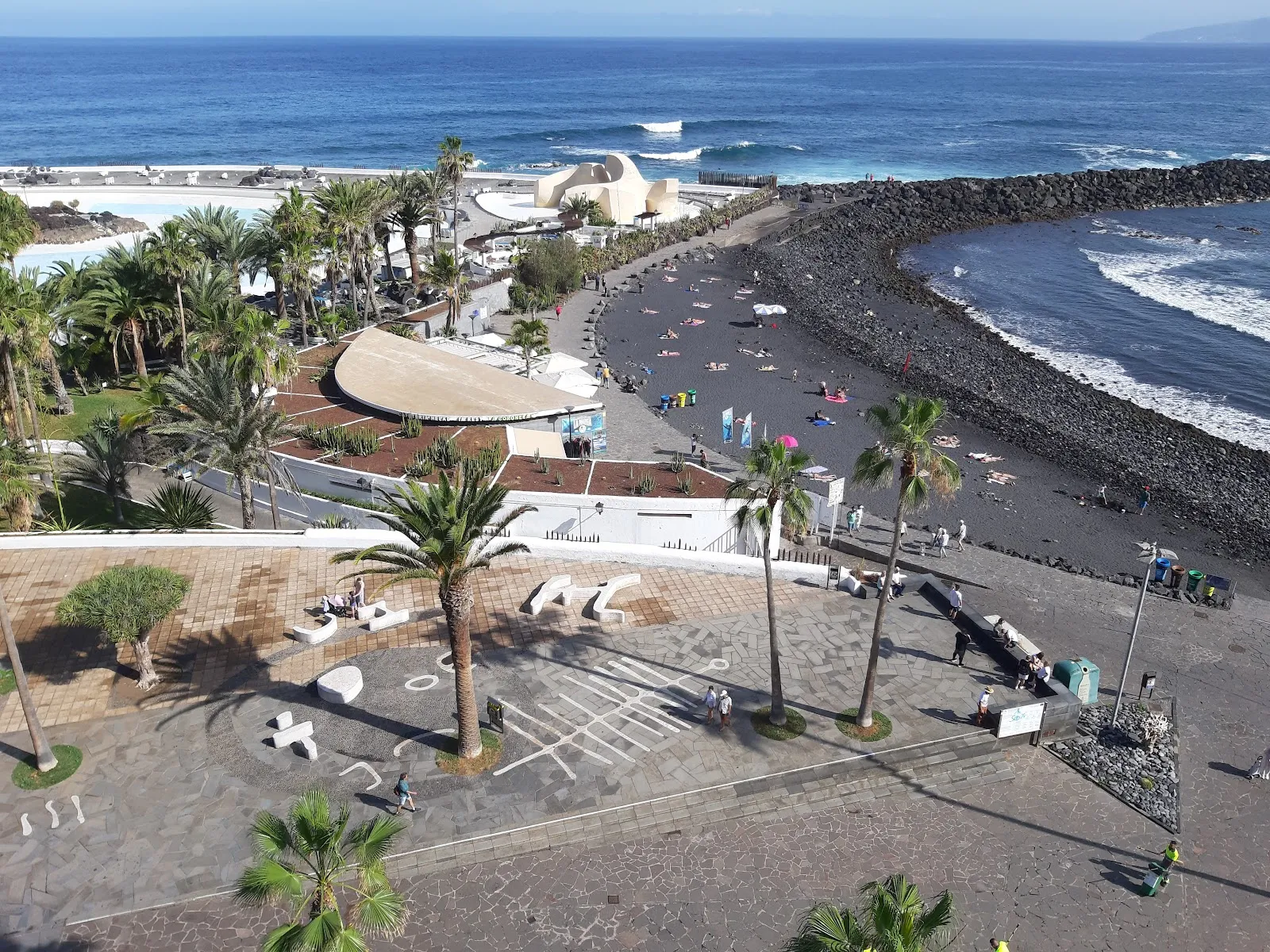
In La Ranilla, Puerto de la Cruz’s former fishing district, this museum focuses on the Guanche people and the pre-Hispanic history of the Canary Islands. Its collection has included pottery, tools and other cultural objects, with displays about Guanche burial practices and daily life. The museum occupies a period building, itself a reason to pause here. Renovation work has limited access to rooms and exhibits in the past, so check its current status before making a special trip.
A museum devoted to Guanche history
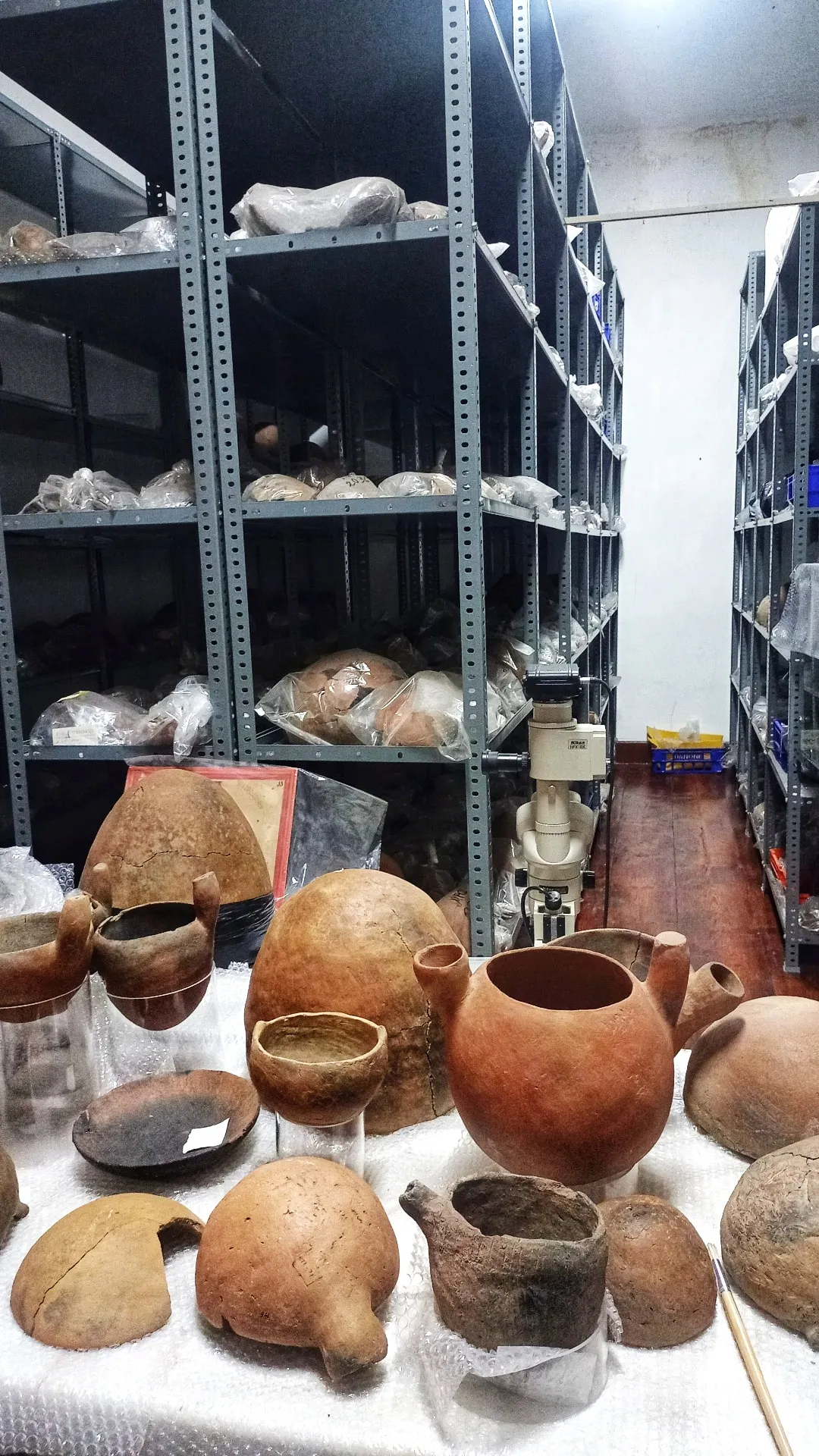
The museum’s collection concerns the Guanche people, the island’s original inhabitants before the Spanish conquest. Pottery, tools and other cultural objects relate to their daily life, while displays have covered burial practices and food storage.
The museum’s history reaches back to 1953, when the Canary Island Institute of Hispanic Studies established an archaeological museum. The present museum opened in 1991. Its holdings have included pottery, mummified remains and historical maps, though not every room or object has always been available to see.
What to check before visiting
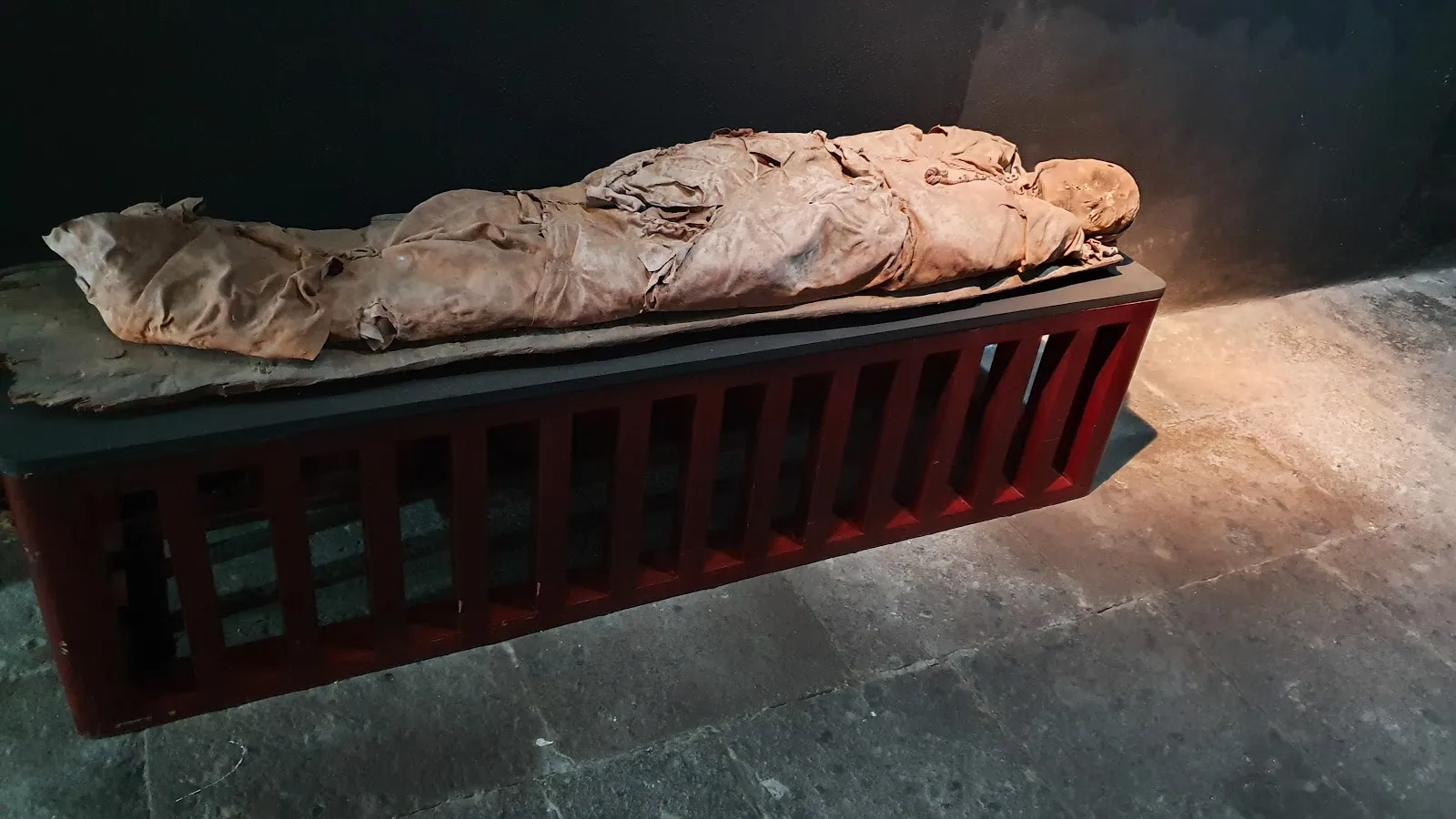
Renovation work has previously left only a small number of rooms open, with some displays unavailable. The exhibits accessible at the time have included a mummy reproduction, pottery and information about Guanche life. Check current access before you go, especially if you are travelling across town to visit.
The museum is in La Ranilla, Puerto de la Cruz’s fishing district, which is also known for its restaurants. Spanish historical panels and English information cards have been available. The building is a period property, and its garden has had benches for visitors to rest.
FAQ
Where is the Archaeological Museum of Puerto de la Cruz?
It is on Calle del Lomo in La Ranilla, the town’s former fishing district.
What can you see at the museum?
The museum focuses on Guanche history and has included pottery, tools and displays about daily life and burial practices. Renovations have affected which rooms and objects are accessible.
Is information available in English?
English information cards have been available alongside historical panels in Spanish.