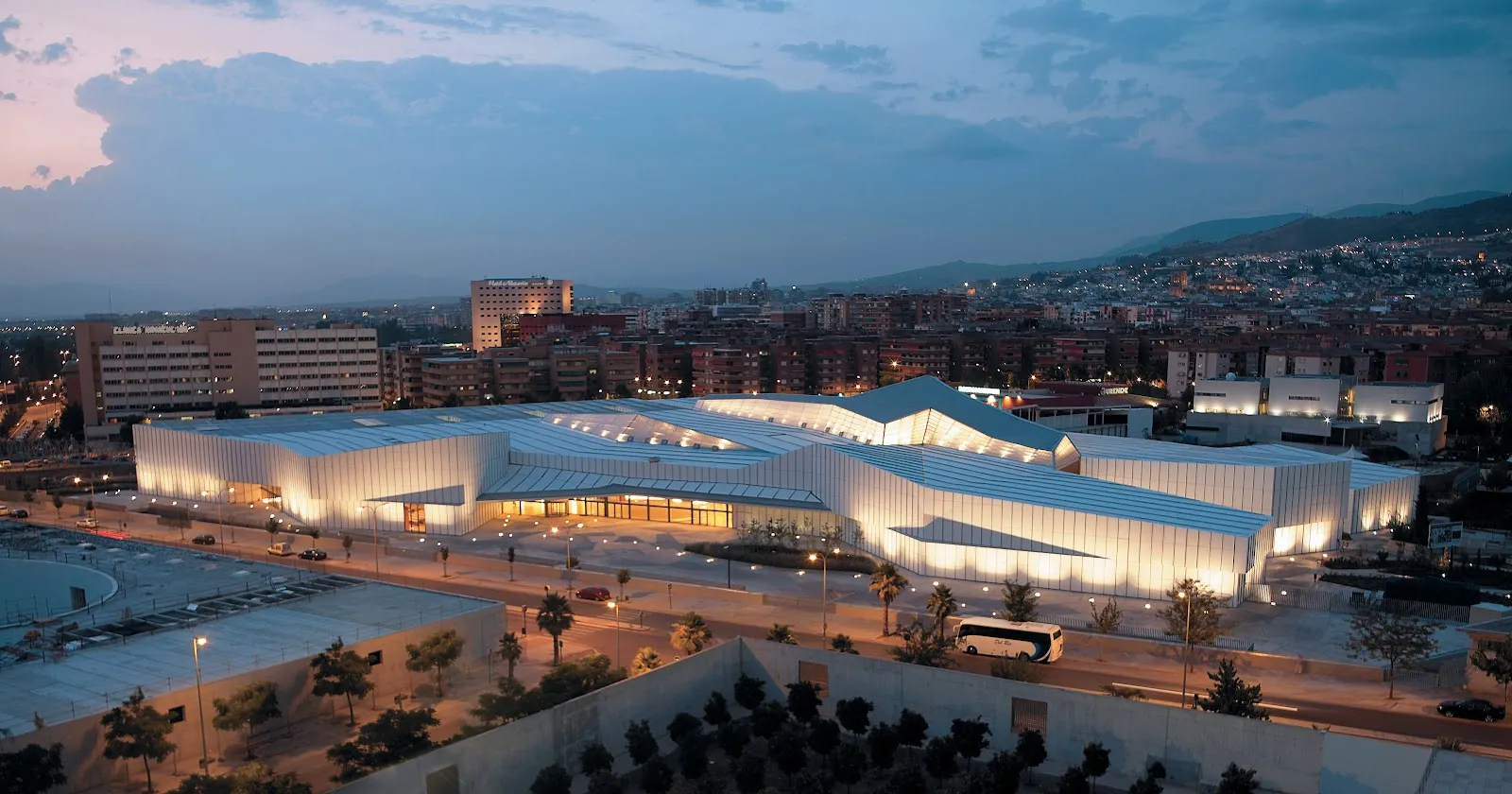
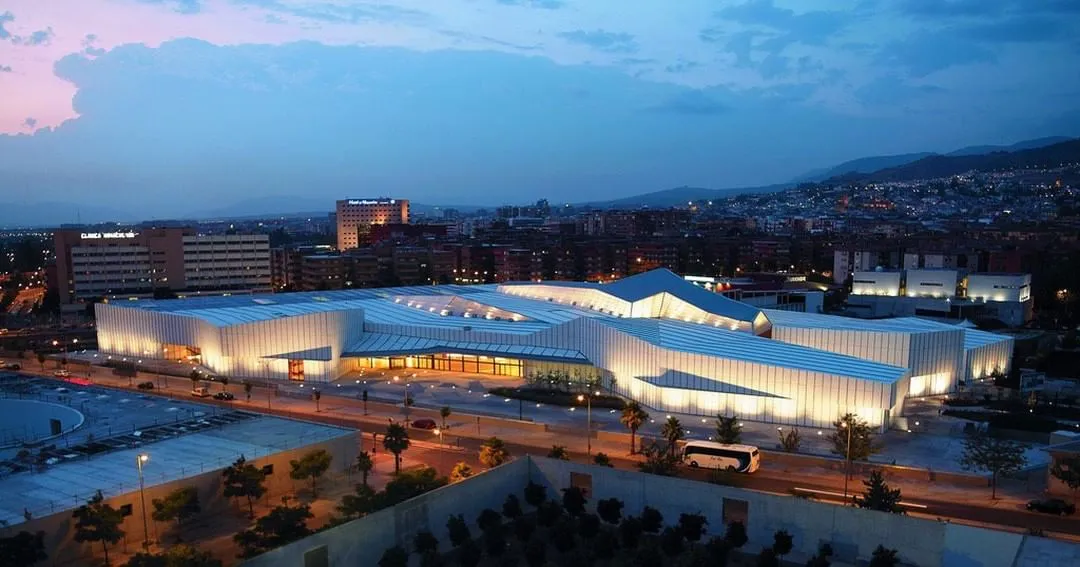
Parque de las Ciencias is Granada’s hands-on science museum, with exhibitions and outdoor areas covering space, physics, biology and the human body. Its main draws include an ESA space exhibition, a planetarium and the BioDomo, where you can see marine life and animals in tropical habitats. There are also interactive activities for children, a butterfly house and an observation tower with views over Granada. Set aside several hours: the complex has enough to explore for much of a day, especially if you add the planetarium and BioDomo.
A museum built around participation
Parque de las Ciencias opened in 1995 as Andalusia’s first interactive science museum. Its exhibitions cover subjects including astronomy, physics, biology, technology and the human body. Rather than focusing only on display cases, many areas invite visitors to experiment with scientific ideas through hands-on activities.
The site brings together indoor exhibitions and outdoor areas. Children can try activities that introduce physics, explore insects and play with water features, while outdoor space gives them room to move between visits to the galleries. The exhibits are designed for different ages, so adults can explore alongside younger visitors.
Space, the planetarium and the tower
The ESA section brings space-related artefacts together with videos. For a closer look at astronomy, add a planetarium show, which takes visitors on a tour of the cosmos. The planetarium is a separate part of the visit to plan for, so check ticket arrangements before you arrive.
The observation tower gives you a view across Granada from above. The lift has been reported out of service, so be prepared for the possibility of climbing rather than taking the elevator.
The BioDomo and its habitats
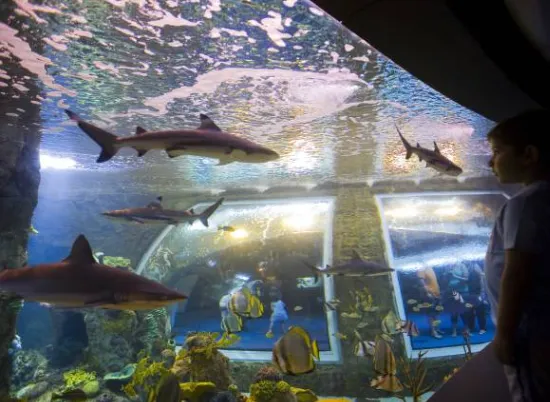
The BioDomo combines aquariums with habitats for animals from tropical environments. Its exhibits include marine life, reptiles and mammals, as well as fresh- and saltwater displays. A butterfly house adds another close-up look at living species.
Allow around 40 minutes to go through the BioDomo. It has its own ticket, so include it when planning your visit rather than assuming it is part of general museum admission.
Science and Andalusian history
The permanent exhibition Al-Andalus and Science explores scientific work carried out in southern Spain under Moorish rule between the eighth and fifteenth centuries. Interactive installations sit alongside paintings, drawings and explanatory panels about discoveries from the period. The exhibition connects scientific subjects with the history of the region, including the work associated with Córdoba.
Other areas take on subjects such as the human body, biodiversity, technology and the natural world. Temporary exhibitions and scheduled activities add further options, so a map and a look at the day’s programme can help you decide where to spend your time.
FAQ
How long should you spend at Parque de las Ciencias?
Plan for at least five hours to cover several areas. The BioDomo takes around 40 minutes, and a planetarium show adds time.
Do you need separate tickets for the BioDomo and planetarium?
The BioDomo and planetarium have separate tickets. Booking ahead is recommended, particularly for these add-ons.
Is Parque de las Ciencias suitable for children?
Yes. It has hands-on exhibits, outdoor play areas and activities about subjects such as physics and insects, alongside the planetarium and BioDomo.
What should you see at Parque de las Ciencias?
Consider the ESA space section, the planetarium, the BioDomo and the observation tower. The Al-Andalus and Science exhibition explores scientific work from Moorish-ruled southern Spain.