MARQ, Alicante’s archaeological museum, traces the region’s past from prehistory through the Middle Ages in the former San Juan de Dios Hospital. Its galleries pair archaeological finds with projections, holograms and interactive displays, including sections that explain how field, urban and underwater archaeology work. Look for Iberian ceramics, Roman-era material and medieval objects, and check what is on in the temporary exhibition rooms. Families can use the audio-visual displays to explore at their own pace; a guided tour adds context to the collections.
A former hospital turned archaeology museum
MARQ is housed in the former San Juan de Dios Hospital. The institution began in 1932 in another building and moved to this site in 2002. Its collection includes archaeological material from across Alicante and the surrounding area, spanning periods from prehistory to the Middle Ages.
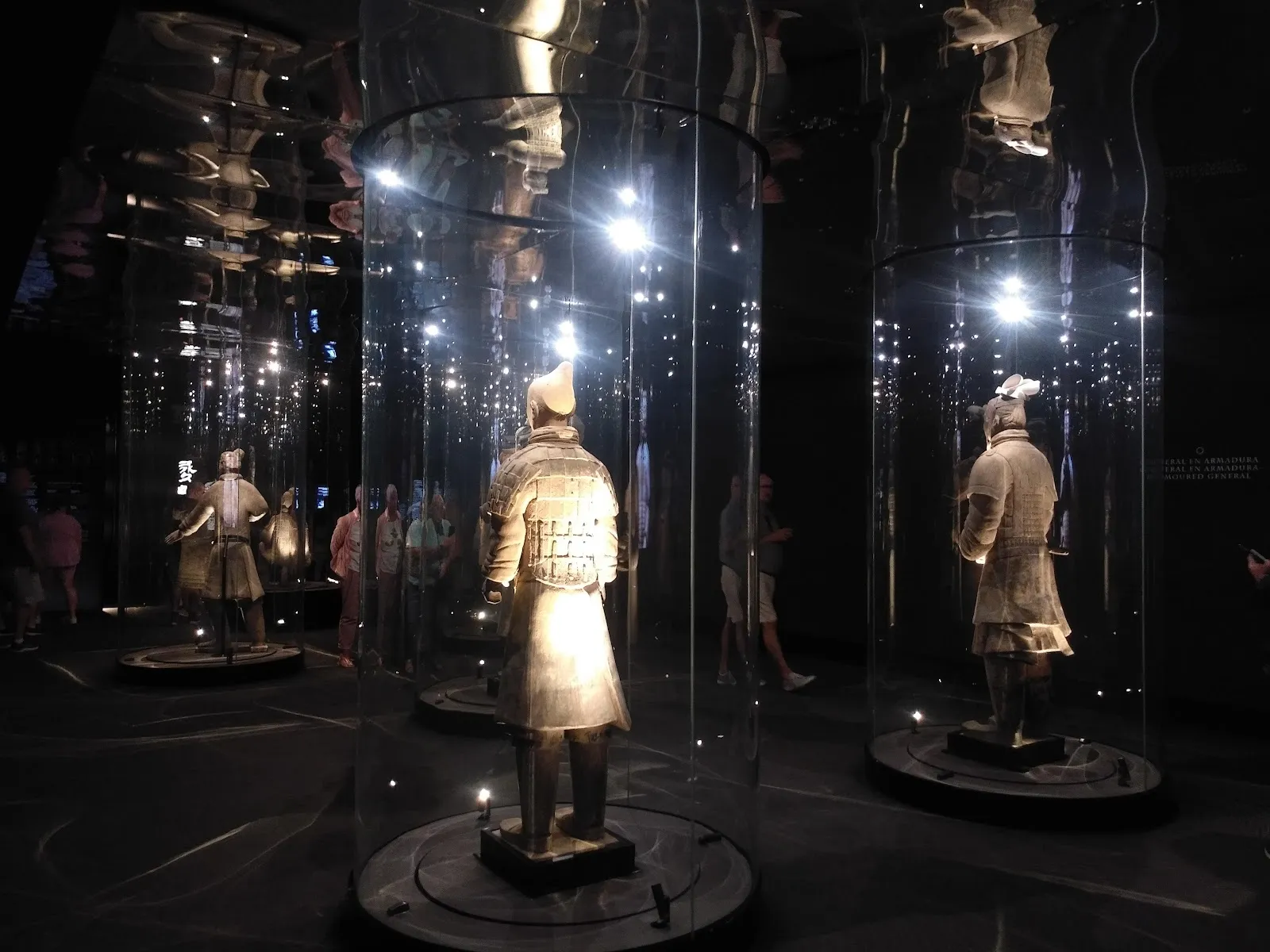
Rather than relying only on objects in display cases, the museum combines artefacts with audio-visual material and interactive elements. Projections and holograms appear alongside information panels, giving the galleries a visual approach to the region’s past.
From prehistory to the Middle Ages
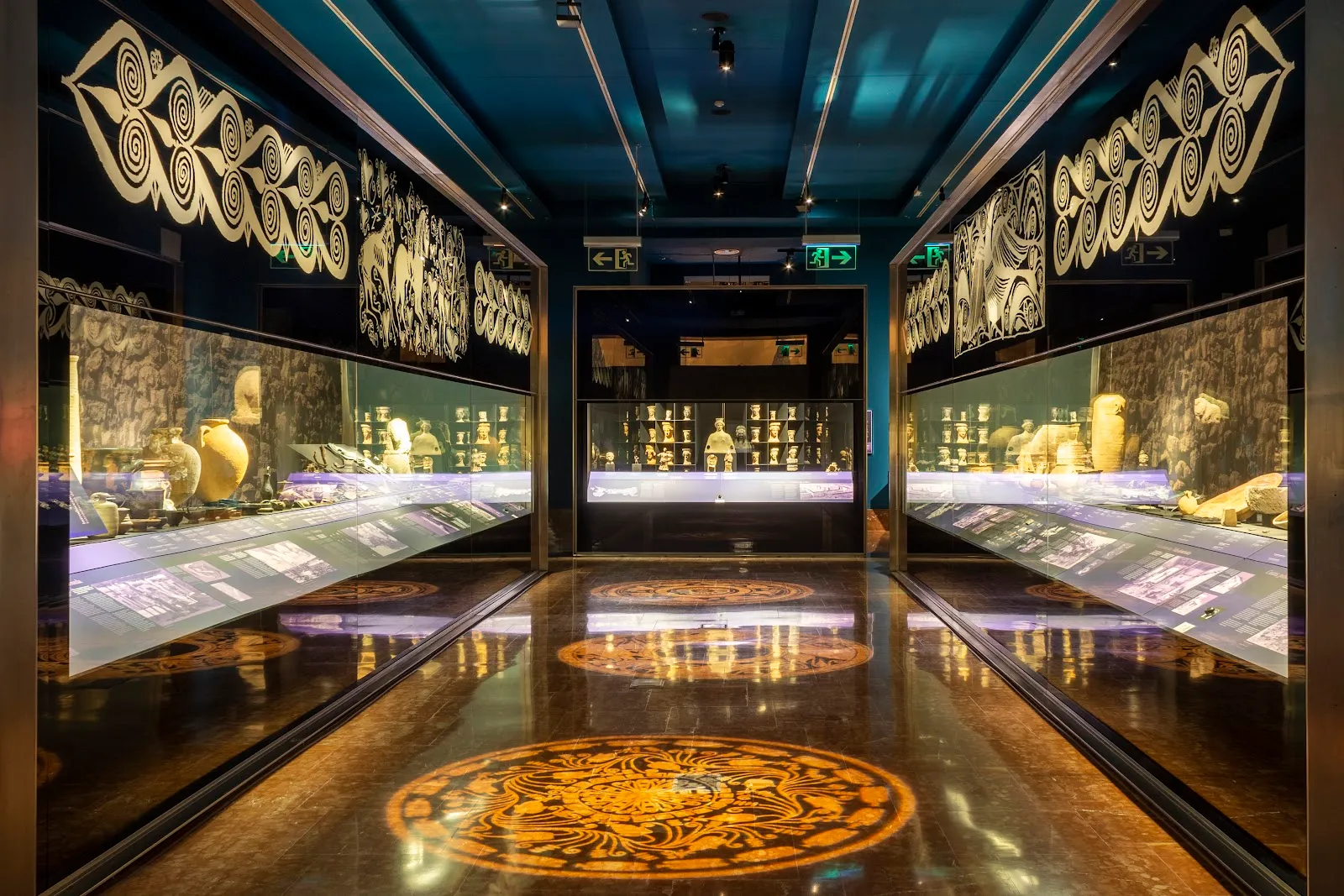
The permanent galleries cover prehistory, Iberian culture, Roman culture and the Middle Ages, with sections also devoted to modern and contemporary periods. Introductory thematic areas connect the exhibition spaces. Among the collection are Iberian ceramics, objects related to Roman life and medieval pieces; material from the Tossal de Manises site also helps explain the area’s Iberian, Greek and Roman past.
The Lady of Guardamar is one named object in the collection. The museum also presents finds that reach back to prehistoric times. Temporary exhibition rooms add a changing element to a visit, so check what is on display when you arrive.
How archaeology is presented
MARQ uses its galleries to explain not only what people left behind, but also how archaeologists investigate the past. Displays cover fieldwork, urban archaeology and underwater archaeology, with audio and video material supporting the objects. Reconstructions and interactive setups help make the subject accessible to children as well as adults.
A guided tour can provide more detail about the exhibits and their historical context. Some areas may not have English translations, so visitors who depend on English descriptions should factor that into their plans. Parts of the museum may also be unavailable during a visit.
FAQ
What periods does MARQ cover?
Its galleries span prehistory, Iberian and Roman cultures, the Middle Ages, and modern and contemporary periods.
Is the Archaeological Museum of Alicante suitable for children?
Yes. The museum has interactive setups and audio-visual displays that children can explore at their own pace.
Are tickets discounted on Sundays?
Tickets are discounted on Sundays and public holidays. The museum closes earlier on those days.
Can I join a guided tour?
Guided tours are available and can add detail about the exhibits and regional history.