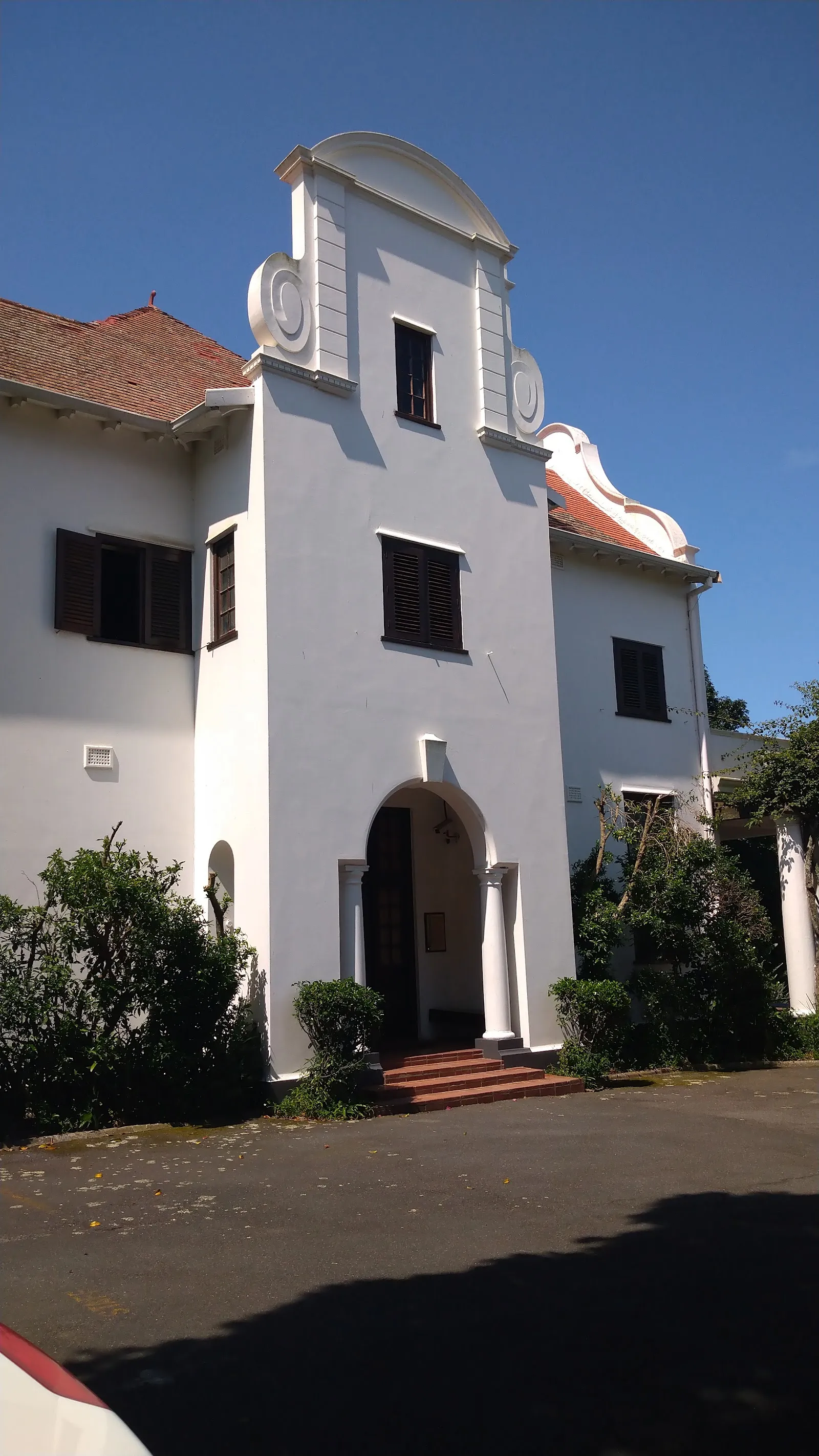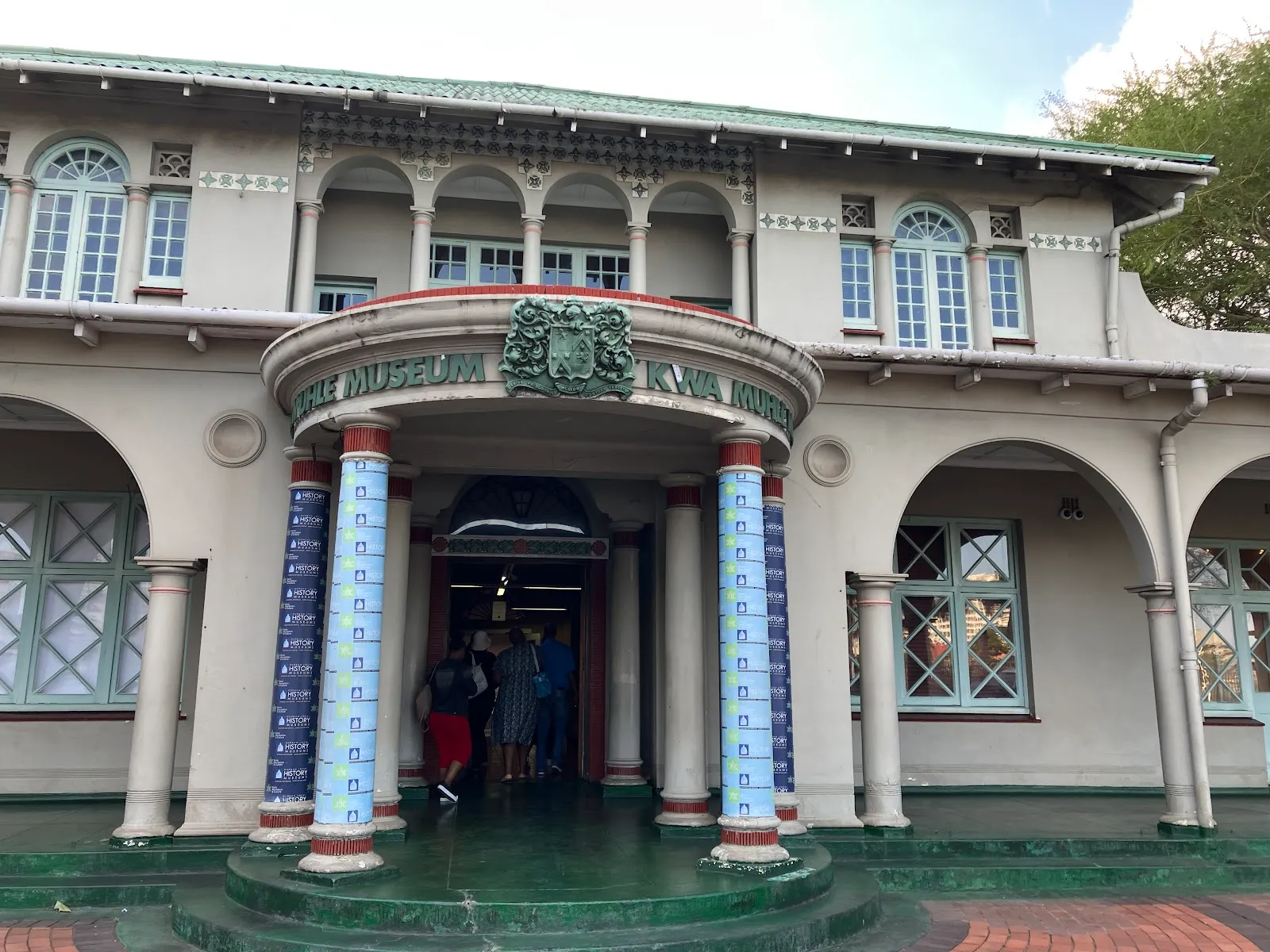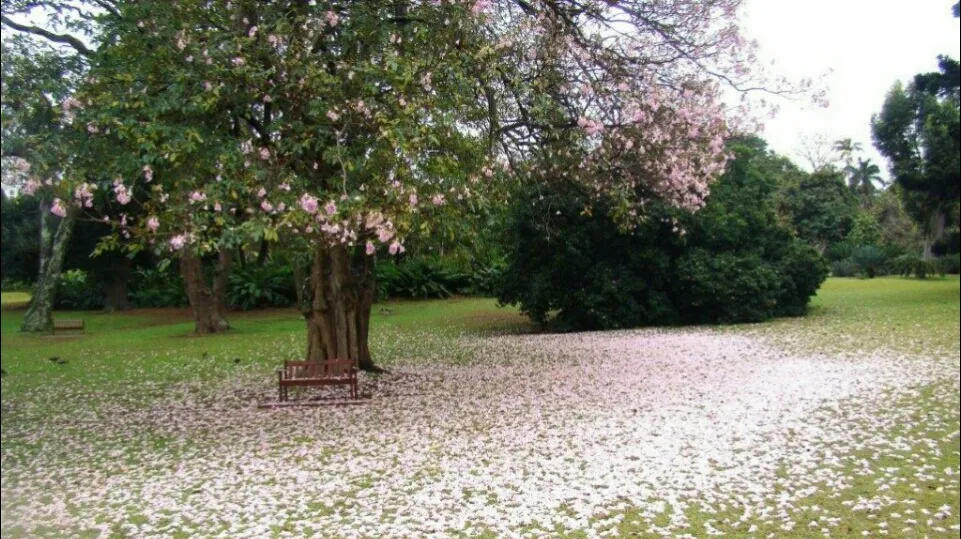
The Durban Botanic Gardens are the oldest surviving botanic garden in Africa, founded in 1849 on the slopes of Berea Hill, north of the city centre. The grounds cover about 15 hectares of indigenous and exotic trees, palms, orchids and cycads, with paths that suit a slow walk. Admission is free. Visit the orchid house, the cycad collection and the lotus pond, where weaver birds can be seen, then stop for a picnic or a drink at the coffee shop.
From a trial plot to a botanic garden
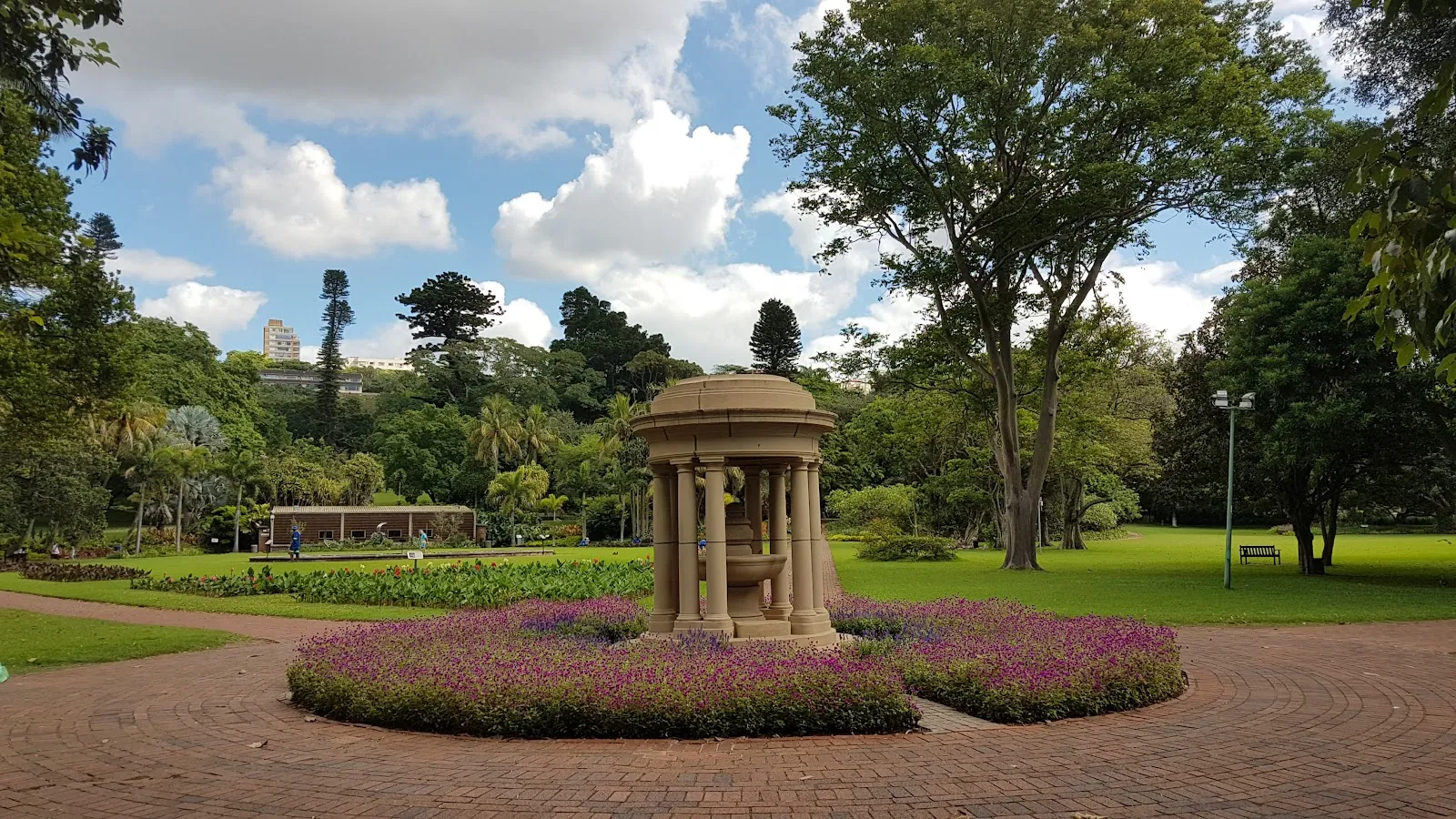
The garden was founded in 1849 on the edge of Berea Ridge by Dr Charles Johnston. Its first work was practical. Crops were grown and tested here, including vegetables, fruit and other farm plants. The property is now about 37 acres, or 15 hectares.
The first site lay on the south bank of the Umgeni River. Hippos and crocodiles made that location unsuitable, so the garden was moved in 1851 to the lower slopes of the Berea forest. Today the gardens are a national and local city asset. The Durban Botanic Gardens Trust was set up in 1993 to support biodiversity, education, heritage and research.
Cycads and other living fossils
The cycads are the garden's best-known collection. Pre-dinosaur cycads are often called living fossils, because they are known to have existed for more than 250 million years and are now at risk of extinction in the wild. The garden holds cycads from South Africa and from other parts of the world.
The most famous plant is the original specimen of Encephalartos woodii, which is still widely regarded as one of the rarest plants in the world. Ferns, bromeliads, palms and sub-tropical trees are also grown here, so the walk changes from one section to the next.
Orchids, the herbarium and the smaller gardens
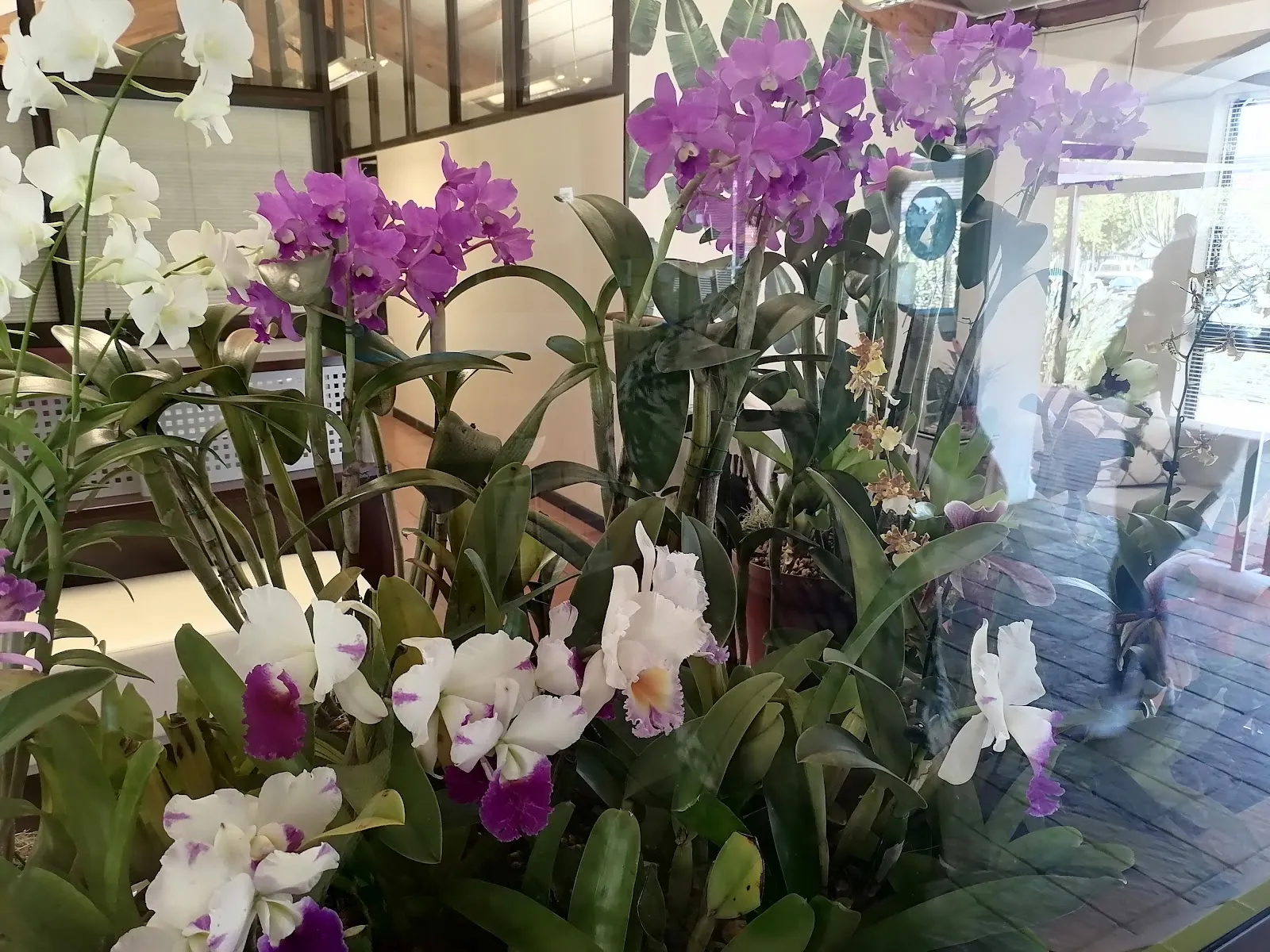
The orchid house is one of the garden's standout features. The Sensory Garden has won an award, and a tea garden run for charity sits within the grounds.
The herbarium holds more than 100,000 items, pressed, dried and catalogued plants from the KwaZulu-Natal province. It is a useful stop for anyone interested in how the region's plants are recorded.
How a visit works
Admission is free. The gardens open early in the morning and are open seven days a week. The entrance, parking, restrooms and seating are wheelchair accessible. The toilets are kept clean, and the coffee shop sells smoothies and snacks.
Picnic areas are spread across the lawns, and families use them for lunch. Guided tours are available, and the guides point out the trees and the best places to take photographs. Visitors can also search for geocaches on the grounds. Stay on the paths and keep off the plants while searching.
Dog walkers use the gardens regularly, and the surroundings are quiet enough for a calm stroll.
Events and the December lights
The gardens hold a Trail of Lights festival in December, when thousands of lights are switched on in the grounds. Weekends often bring wedding photographs, so expect couples posing among the flowers and trees on those days.
FAQ
Is there an entry fee?
No. Admission to the Durban Botanic Gardens is free.
How long do you need?
Plan two to three hours to see the main areas. A guided tour or a picnic will add time.
Is the garden wheelchair accessible?
Yes. The entrance, parking, restroom and seating are listed as wheelchair accessible.
Can you bring a picnic?
Yes. The gardens have picnic areas across the grounds, and many visitors pack lunch.
Should you book tickets in advance?
Getting tickets in advance is recommended.