St Abbs Head National Nature Reserve is a coastal walking area near Eyemouth, with high cliffs above the North Sea and paths around Mire Loch. A circular route takes in broad coastal views, seabird colonies and a Stevenson lighthouse. Guillemots, shags, fulmars, razorbills, puffins and kittiwakes can be seen at different times of year; seals also use the shore. Paths vary in difficulty, so sturdy footwear helps on the uneven ground. Allow time to pause along the way and watch for wildlife.
Cliff paths and coastal views
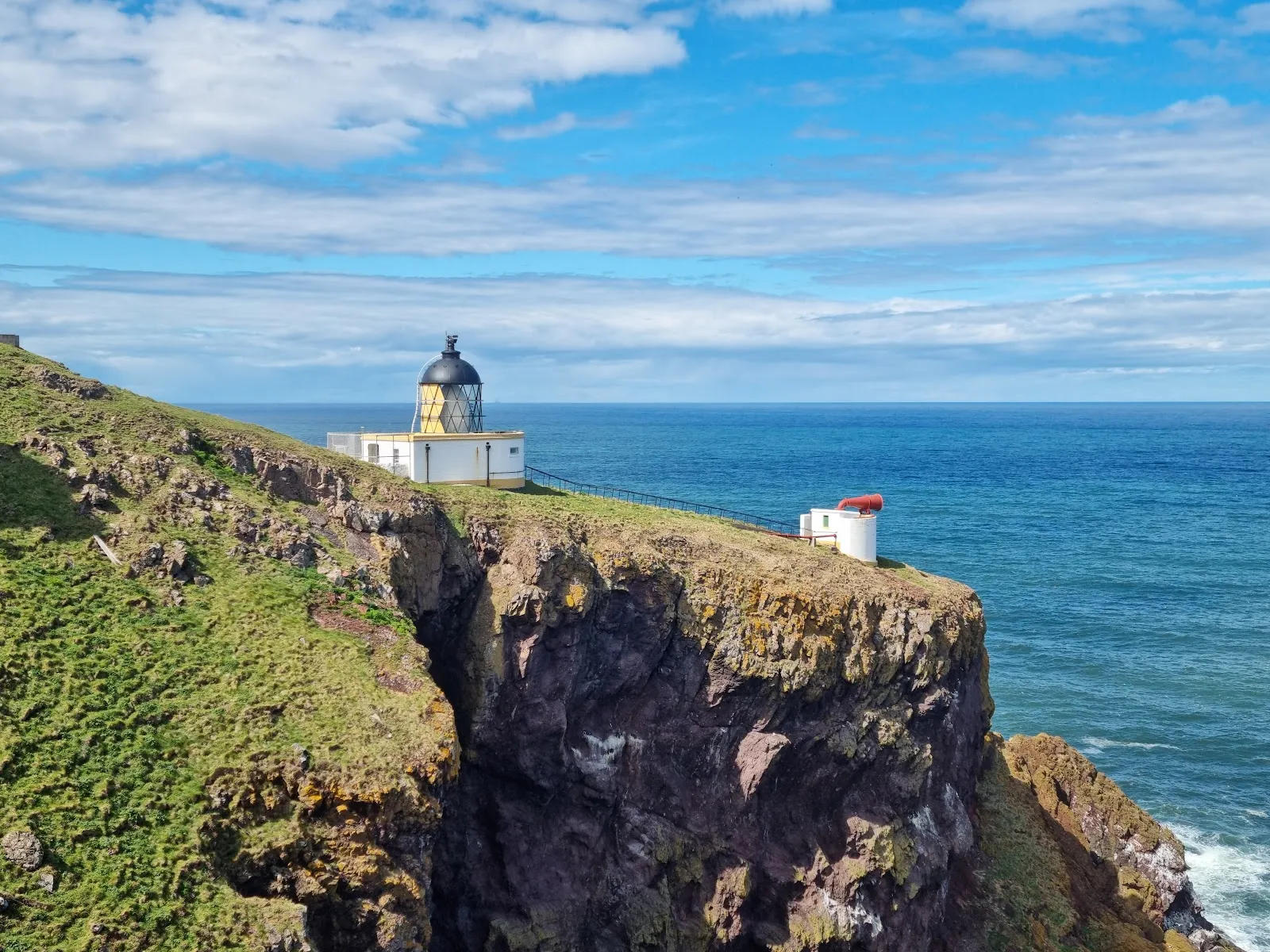
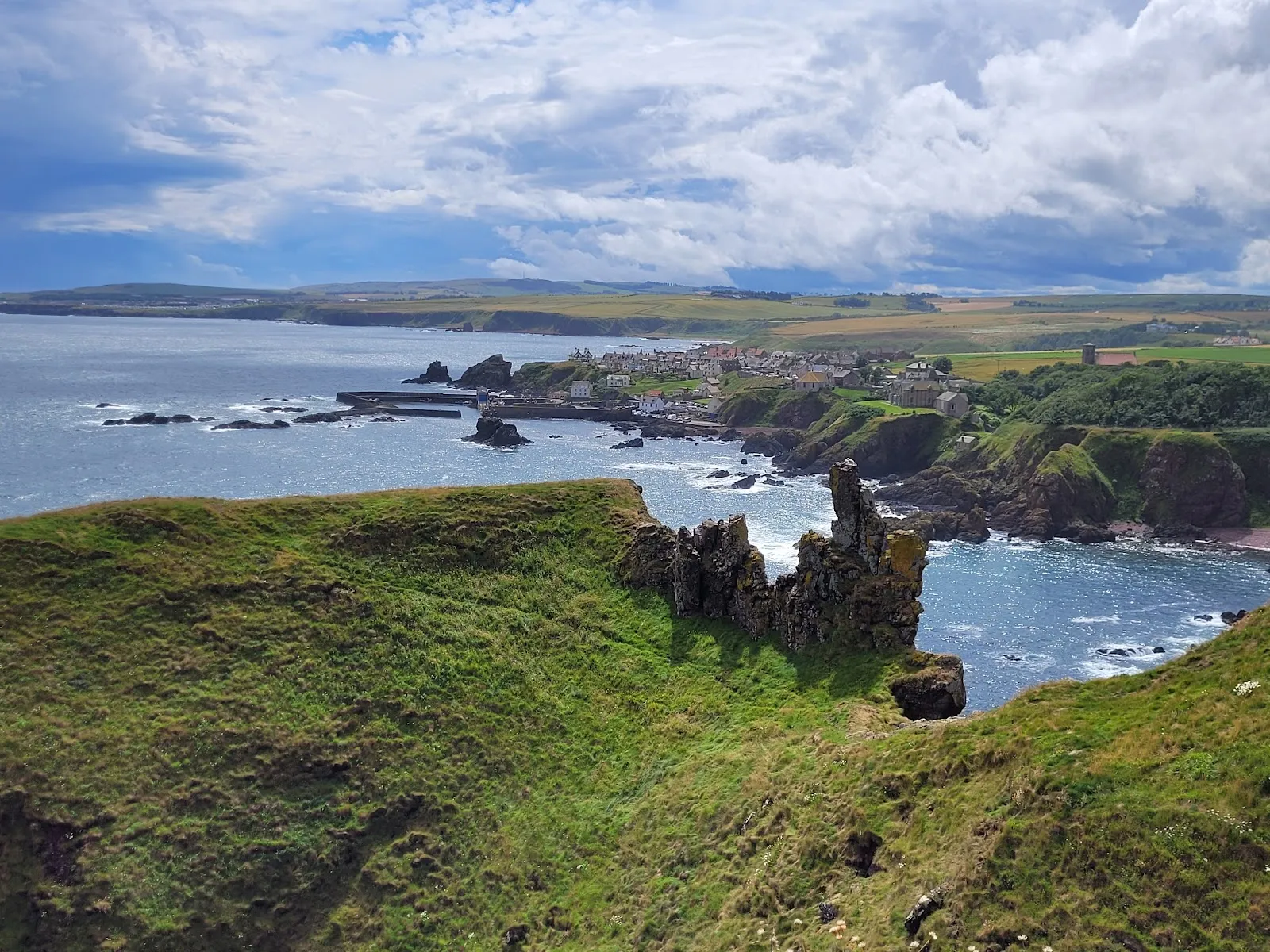
The reserve’s paths run along the cliffs near St Abbs village and connect with the Berwickshire Coastal Path. A circular walk from the National Trust car park is about four miles and takes in Mire Loch and the coastline. Another described route loops from the visitor centre in about two hours, passing the Stevenson lighthouse and looking out over the North Sea.
Some walkers scramble up the cliffs for wider views, but the edges are unfenced. Stay on the path if you are not comfortable with exposed ground, and take care near the edge. The terrain is uneven, so sensible footwear is useful.
Birds, seals and the nunnery site
St Abbs Head is known for its seabird colonies. Guillemots, shags, fulmars, razorbills, puffins and kittiwakes are among the species that can be spotted at different times of year. Birds nest on the cliff ledges from April to August. The reserve also extends to a freshwater loch, where other plant and animal life can be found.
The coast is home to seals, and winter is the season associated with sightings on the shore. Inland, paths also pass the remains of a medieval nunnery established by St Aebba, whose name is linked to St Abbs village. Sheep, deer, rabbits and other wildlife may be seen around the reserve.
FAQ
How long does a walk at St Abbs Head take?
A circular walk from the visitor centre is described as taking about two hours. A four-mile loop is another option.
When can you see seabirds at St Abbs Head?
Seabirds nest on the cliff ledges from April to August. Guillemots, shags, fulmars, razorbills, puffins and kittiwakes can be seen at different times of year.
Can you see seals at St Abbs Head?
Seals use the shore, with winter noted as a good time to look for them. December is specifically mentioned for seal sightings.
Are the paths suitable for walking?
There are paths with varying levels of difficulty, and the ground can be uneven. Wear sturdy footwear and take care around unfenced cliff edges.