On Palace Square in central St Petersburg, the State Hermitage Museum brings together world art and the former Winter Palace, once home to Russian emperors. Its collection spans ancient Egyptian objects, European paintings and works by artists including Leonardo da Vinci and Van Gogh. The palace is part of the visit: look up at its grand staircases, ornate halls and richly decorated rooms between galleries. Italian Renaissance and French Impressionist art are particular highlights. With so much to see across the museum, plan for at least half a day and choose a few collections to focus on.
Catherine the Great’s art collection
The museum’s story began in 1764, when Empress Catherine the Great started acquiring works of art. Her collection grew over time, and the Hermitage opened to the public in 1852. The museum now holds more than three million works and objects, from paintings and sculptures to archaeological finds and items of applied art.
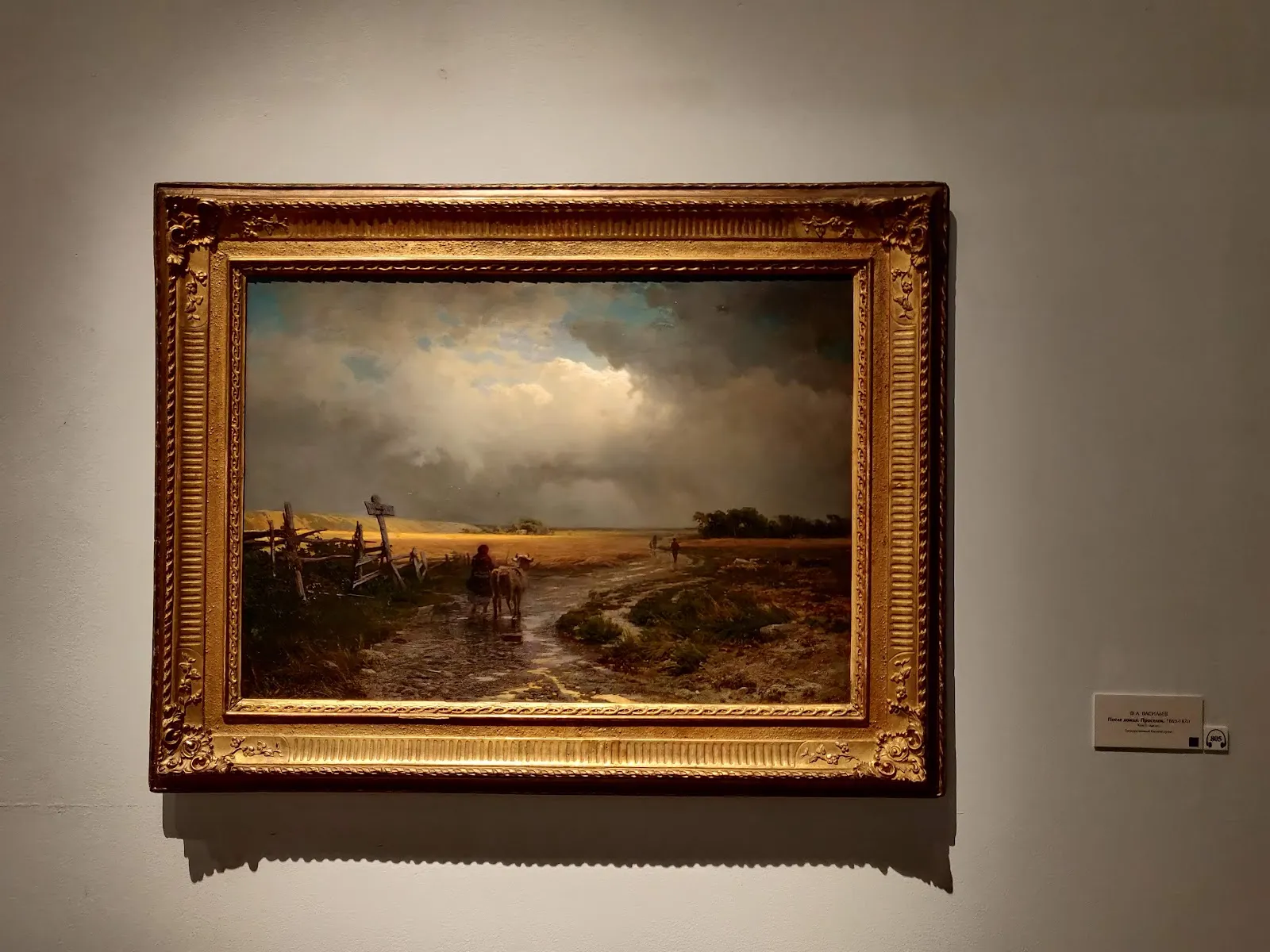
That scale makes it useful to choose a period or collection before you arrive. The holdings span ancient objects and European art, with works associated with Leonardo da Vinci, Rembrandt, Van Gogh and other major artists. The Italian Renaissance and French Impressionist galleries are among the notable stops.
The Winter Palace and its rooms

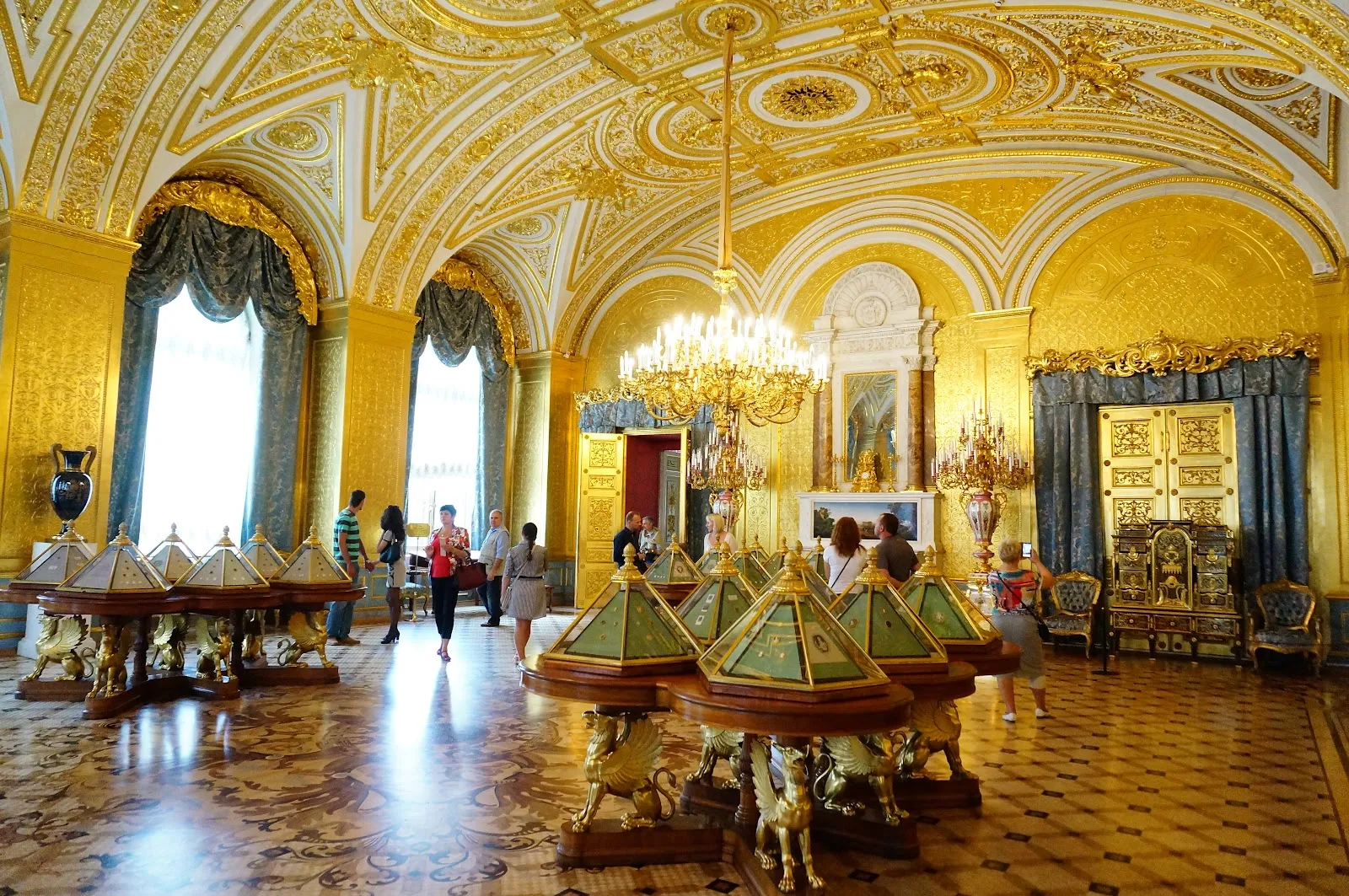
The Winter Palace is the Hermitage’s best-known building and a former residence of Russian emperors. Its grand rooms and elaborate interiors offer a glimpse of the palace’s life as an imperial home. The Jordan Staircase is one of its major architectural features; it was used as the starting point for religious processions to the Neva River for the celebration of Christ’s baptism.
The palace’s rooms changed over the years, including its state apartments, which were decorated with precious stones. Moving between the art displays and these historic interiors gives the visit two distinct threads: the objects on view and the setting that once housed the royal court.
A complex of connected buildings
The Hermitage extends beyond the Winter Palace. Its historic complex includes the Small Hermitage, the Old Hermitage, the New Hermitage and the Hermitage Theatre, alongside the palace. The General Staff Building is also part of the museum’s sites and displays art from the 19th and 20th centuries, including modern works.
The galleries cover art and objects from many places and periods. Among the holdings are Greek and Roman sculpture, Egyptian antiquities, Indian objects, Japanese masks and Mesopotamian reliefs. The variety is one reason to follow a map and select areas of interest instead of trying to cover everything in a single visit.
Planning your museum visit
A visit can take at least half a day, and the size of the museum means that seeing every collection in one go is not realistic. Set a manageable route around the rooms or periods you most want to see, and leave time to appreciate the palace interiors along the way. Comfortable shoes help with the extensive walking.
The museum has a restaurant, and visitors can also stop for coffee or buy souvenirs. Tickets are available online or at the counter, and advance booking is recommended. Weekdays are a better choice if you want to avoid the longer waits that can occur on weekends.
FAQ
How long should I spend at the State Hermitage Museum?
Allow at least half a day. The museum is extensive, so choose a few galleries or periods to focus on.
Where is the State Hermitage Museum?
It is at Palace Square, 2, in central St Petersburg.
Can I buy tickets in advance?
Yes. Tickets can be bought online or at the counter, and advance booking is recommended.
What are the museum’s main highlights?
The Winter Palace’s decorated rooms and staircases, European art galleries, and collections that include Egyptian antiquities are among the highlights.