Plan a trip
Language: English
Trip plannerPlan your trip on a map

Top destinations

EnglishDeutschFrançaisEspañolPortuguêsPortuguês (BR)Italiano
Travel advisory · RussiaGovernments advise against all travel to Russia.Advice depends on your passport. Read your own government's advice before you book.Official advice
Areas with warnings
  • Chechnya · avoid all travel · Ireland, New Zealand, US
  • Crimea · avoid all travel · Germany, New Zealand, US
  • Dagestan · avoid all travel · Ireland, New Zealand
  • Donetsk · avoid all travel · Germany, US
  • Ingushetia · avoid all travel · Ireland, New Zealand
  • Kherson · avoid all travel · Germany, US
  • Luhansk · avoid all travel · Germany, US
  • Stavropol Krai (eastern and southern parts) · avoid all travel · Ireland, New Zealand
  • Zaporizhzhya · avoid all travel · Germany, US
  • Kabardino-Balkaria · avoid non-essential travel · Ireland, New Zealand
  • Karachai-Cherkessia · avoid non-essential travel · Ireland, New Zealand
  • North Ossetia · avoid non-essential travel · Ireland, New Zealand

Also named by one government: Belgorod (Ireland), Bryansk (Ireland), Krasnodar (Ireland), Kursk (Ireland), North Caucasus region (US), Rostov (Ireland), Voronezh (Ireland)

GovernmentAdviceUpdatedRead the advice
United Kingdom (FCDO)Advises against all travel to Russia–Read the advice
United States (State Dept)Do not travel to Russia for any reasonDec 29, 2025Read the advice
Canada (Global Affairs)Avoid all travel–Read the advice
Germany (Auswärtiges Amt)Vor Reisen in die Russische Föderation wird gewarnt (Reisewarnung)Oct 21, 2026Read the advice
New Zealand (SafeTravel)Do not travel to Russia–Read the advice
Ireland (Department of Foreign Affairs)Do Not Travel–Read the advice
France (Ministry for Europe and Foreign Affairs)Formellement déconseillé : l'ensemble du territoire de la Russie–Read the advice

Checked daily from the governments' published advice; last checked Nov 2, 2026. RoamLedger summarises official advice; it is not advice from any government.

New Hermitage
Museum

New Hermitage

Visit the New Hermitage in St Petersburg to see its ten granite Atlantes, sculpted facade and collections of Renaissance art and ancient antiquities.

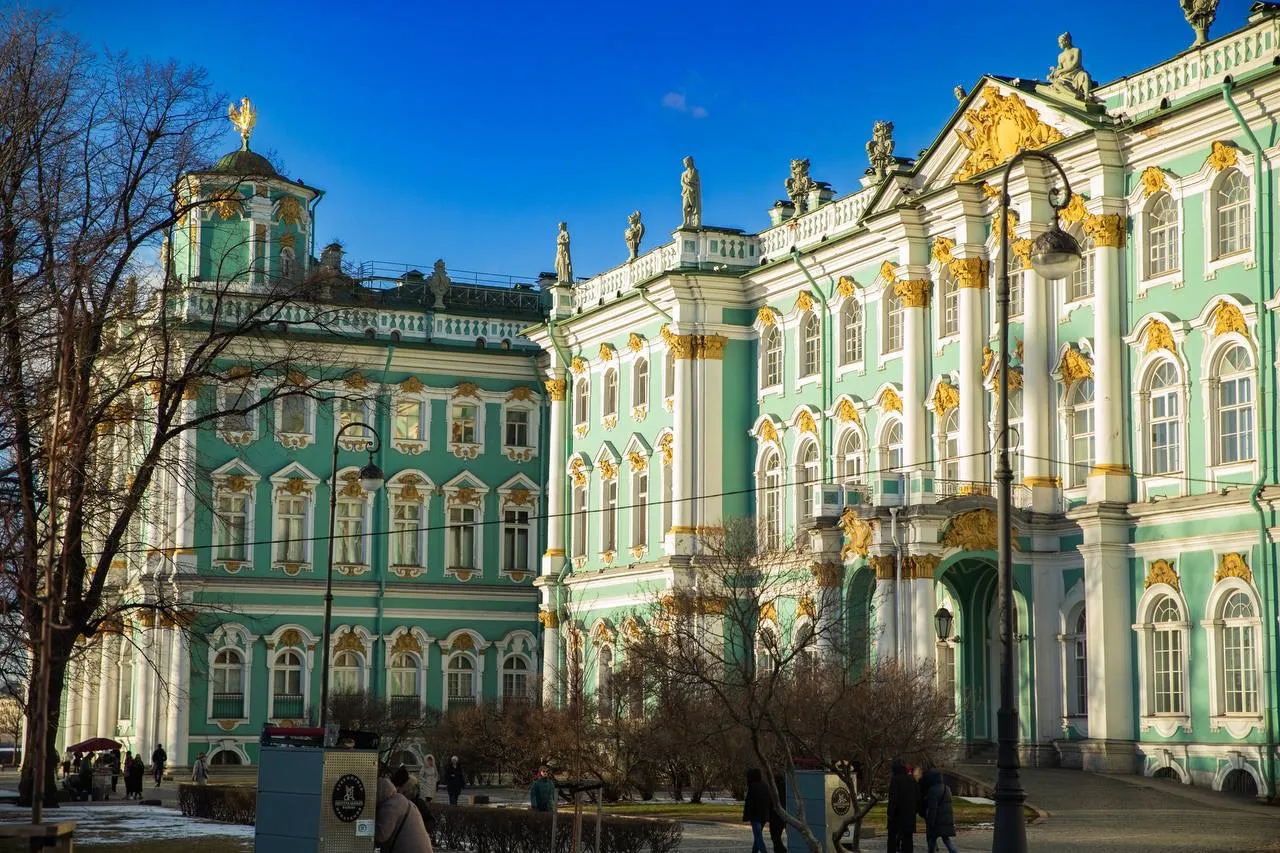
The New Hermitage is part of the State Hermitage museum complex on Millionnaya Street, beside the Winter Palace and a short walk from Palace Square. Its entrance portico is guarded by ten monumental granite Atlantes, a striking detail to look for before going inside. Built to house a public art museum, it holds collections that include Italian Renaissance works by Leonardo da Vinci and Raphael, Spanish Baroque art and ancient objects. Allow time to study the facade’s sculptural details as well as the galleries.

Built for a public art museum
New Hermitage
New Hermitage

The New Hermitage was constructed from 1842 to 1851 specifically to house a public art museum. Nicholas I opened it in 1851. It later became freely accessible under Alexander II.

Bavarian architect Leo von Klenze designed the building with ancient Greek architecture as an influence. The New Hermitage belongs to the State Hermitage complex and is connected to the Winter Palace.

The Atlantes and the facade
New Hermitage
New Hermitage

Ten monumental granite Atlantes form the entrance portico. Their raised arms appear to bear the weight above them, making the entrance a focal point of the building.

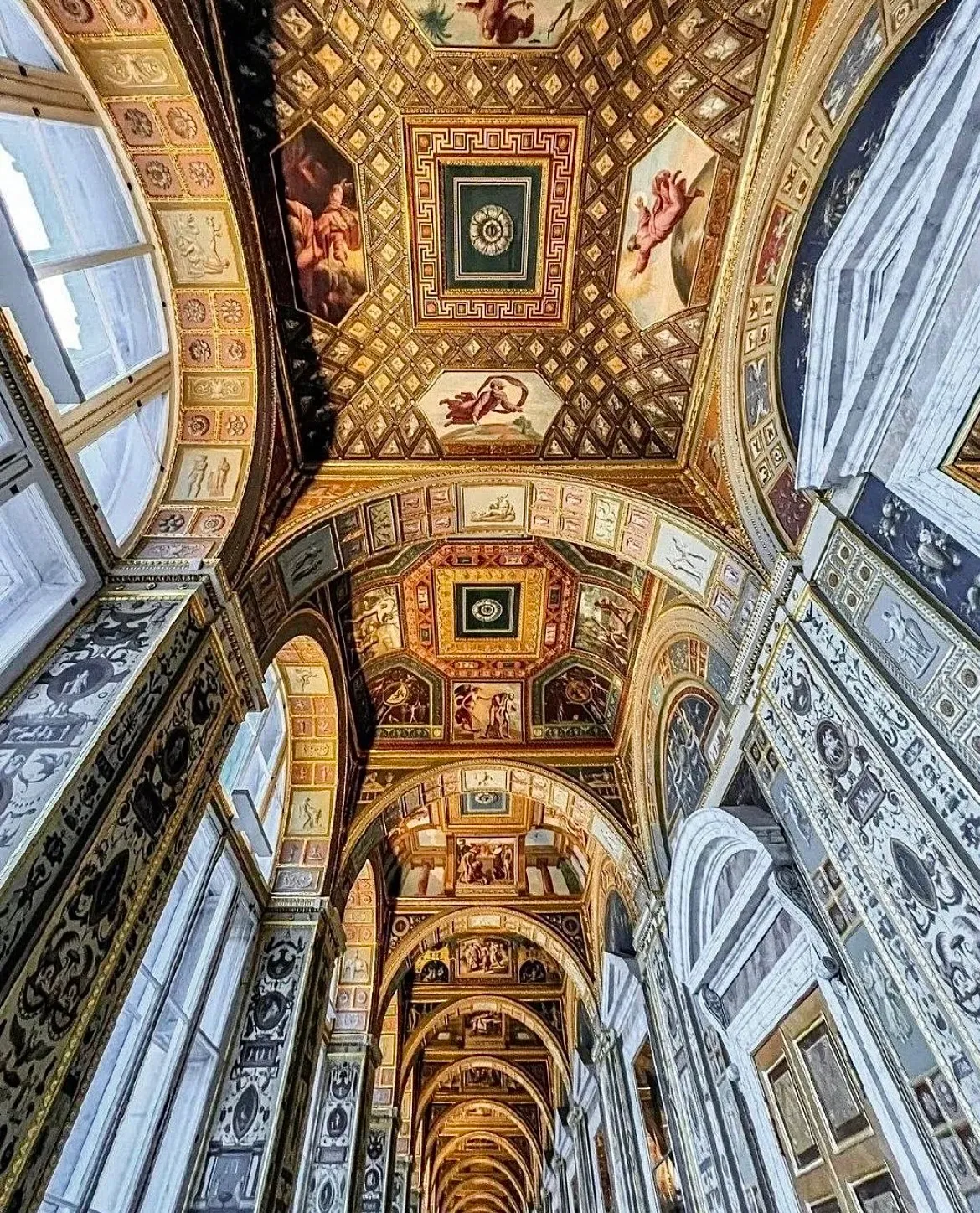
The exterior also carries art emblems and statues of well-known artists. Inside, glazed ceilings were designed to bring light into the galleries. The collections include Italian masters such as Leonardo da Vinci and Raphael, Spanish Baroque works and ancient antiquities.

FAQ

What is the New Hermitage known for?

Its entrance portico has ten monumental granite Atlantes. The building also houses art and antiquities collections as part of the State Hermitage.

Is the New Hermitage connected to the Winter Palace?

Yes. The New Hermitage is connected to the Winter Palace and forms part of the State Hermitage museum complex.

What can you see inside the New Hermitage?

Its collections include works by Italian Renaissance artists Leonardo da Vinci and Raphael, Spanish Baroque art and ancient antiquities.

Should I buy tickets in advance?

Advance tickets are recommended.

More must-sees in St Petersburg

Explore all