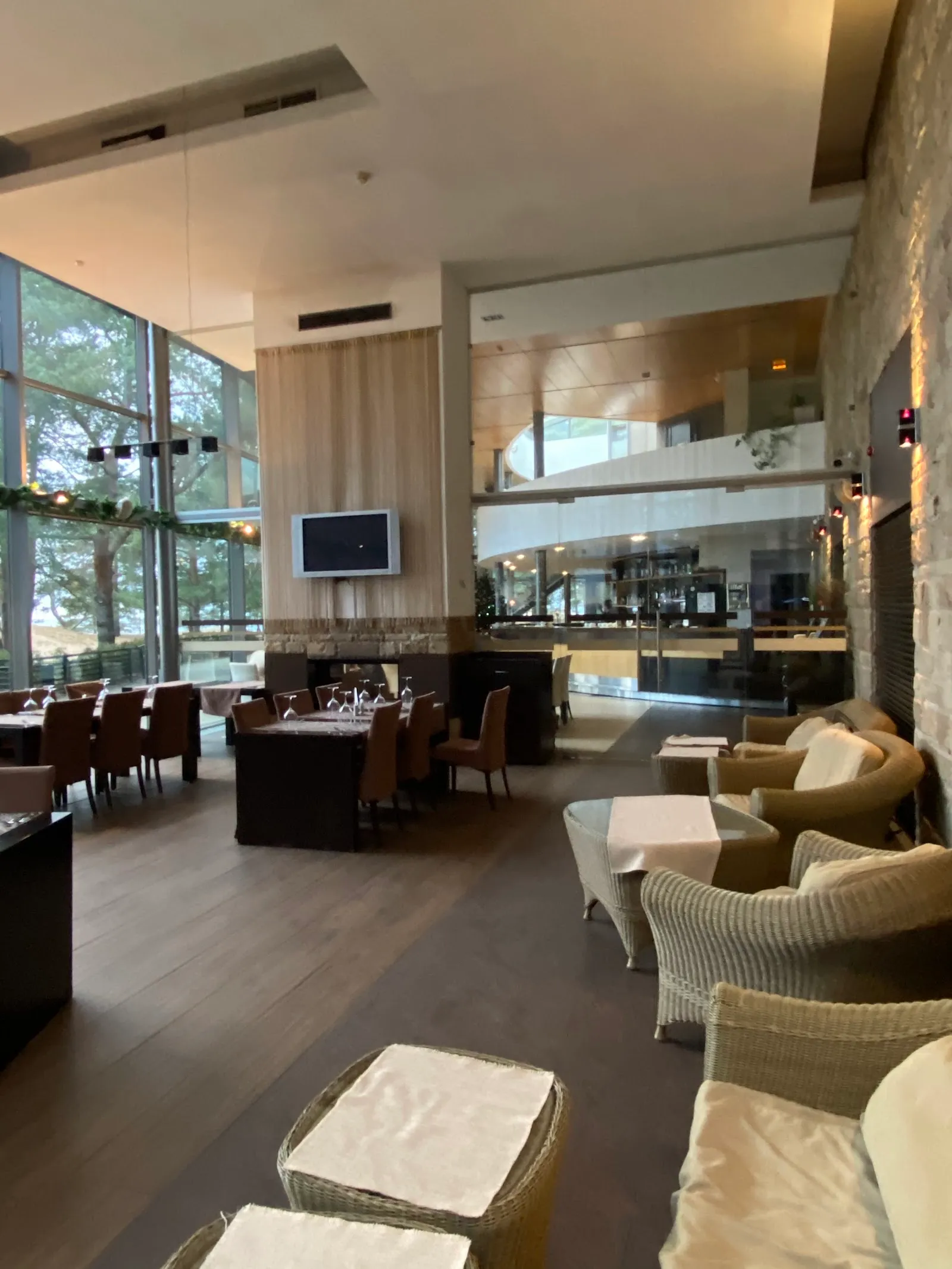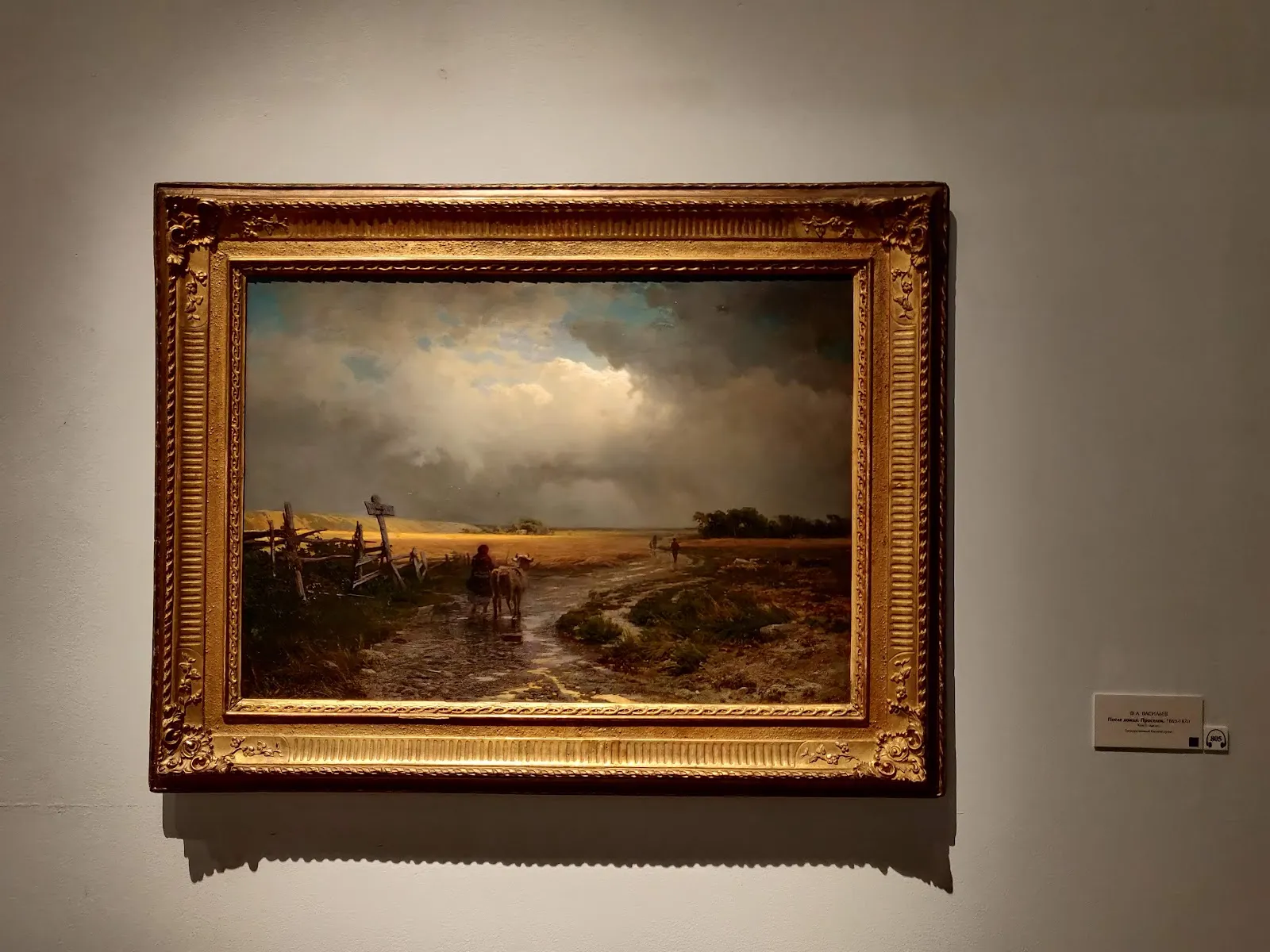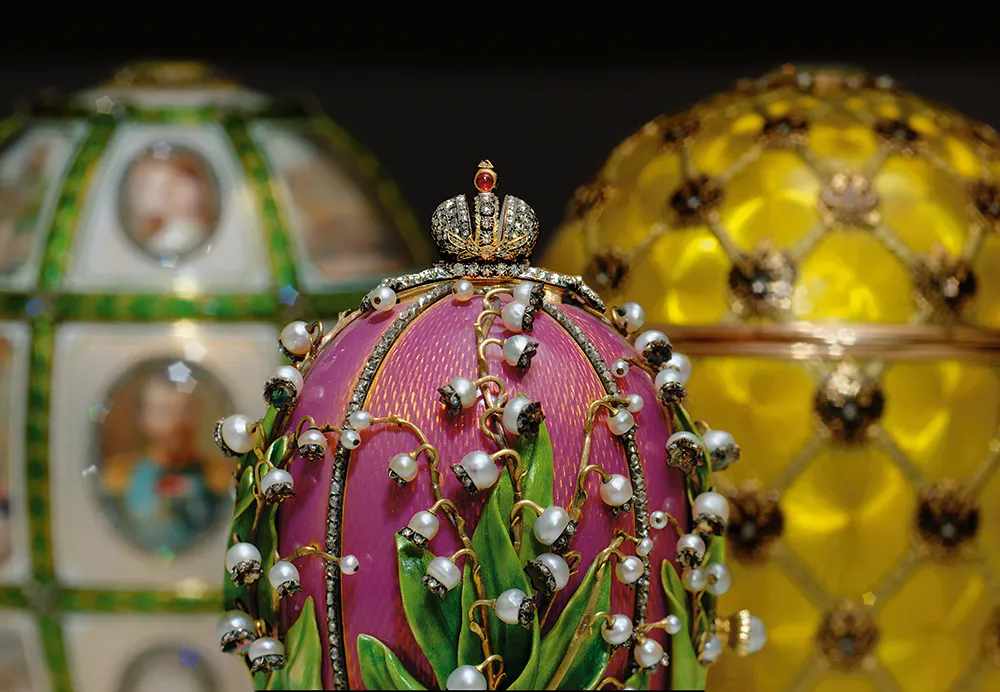
Set inside the restored Shuvalov Palace on the Fontanka River Embankment, the Fabergé Museum displays more than 4,000 works of decorative art. Its best-known treasures are nine Imperial Easter Eggs made by the House of Fabergé for the Romanov emperors Alexander III and Nicholas II. Look beyond the eggs for jewelry, silverware, porcelain, paintings and other objects made by Fabergé’s firm and its contemporaries. An audio guide is available in English, and the museum has an elevator and accessible entrance.
The collection inside Shuvalov Palace
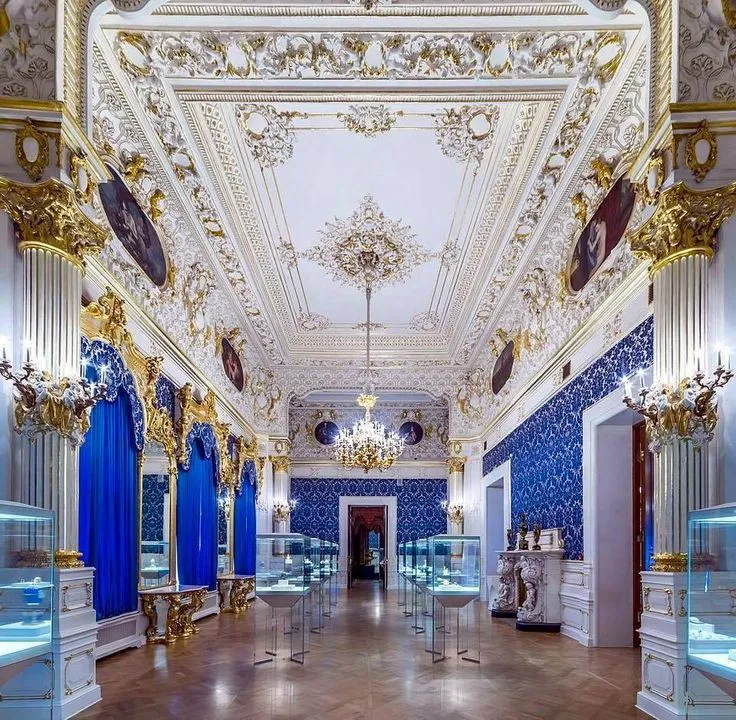
The Fabergé Museum opened to the public in 2013 in the restored Shuvalov Palace, on the Fontanka River Embankment. It is a privately owned museum devoted to the work of the House of Fabergé and other decorative arts from the late nineteenth and early twentieth centuries.
More than 4,000 objects are on display. The collection ranges across jewelry, silverware, porcelain, paintings, home decorations and fantasy-themed pieces. Some were made by Fabergé’s firm; others come from contemporaneous makers. Together, they place the celebrated jewelry alongside the wider range of decorative work produced in the period.
The Imperial Easter Eggs
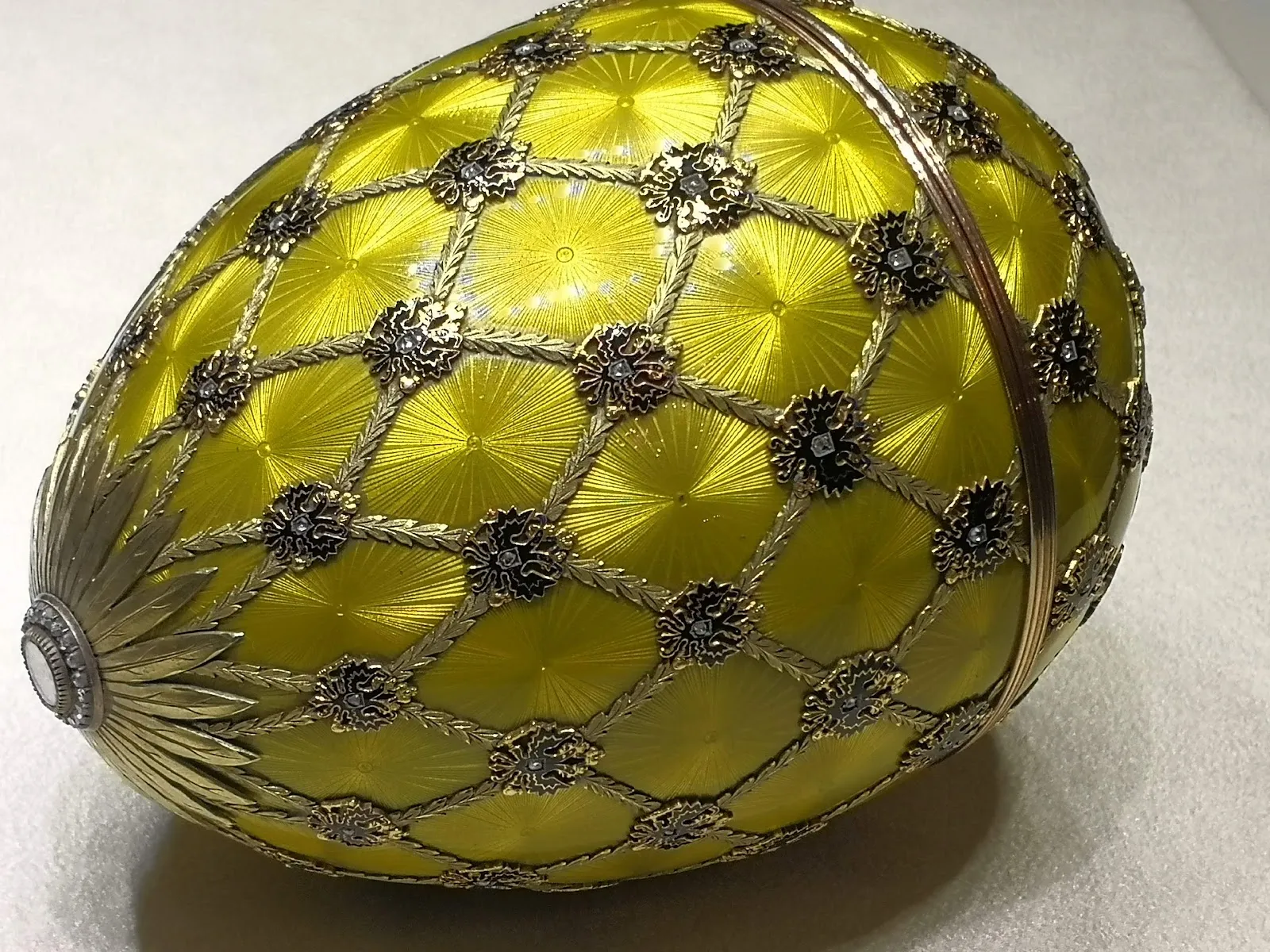
Nine Imperial Easter Eggs are the collection’s best-known works. The House of Fabergé made them for the Russian emperors Alexander III and Nicholas II. Their jeweled surfaces and intricate details reward a close look, so allow time to examine the decoration rather than treating each egg as a quick stop.
The eggs are a central draw, but the museum’s collection extends well beyond them. Jewelry, silver objects and other finely worked pieces show the range of materials and forms associated with the firm and its peers. If you are especially interested in the eggs, make time for the other galleries too: they give the imperial commissions a broader decorative-art context.
Planning your visit
The museum occupies eleven rooms in the palace, including the Golden Room, the Knight’s Room, the Beige Room, the Gothic Room and the Red Room. The galleries display the objects in restored palace interiors, so the setting is part of the visit as well as a backdrop for the collection.
An English audio guide is available to help explain the works. The museum has an admission fee, and advance ticket booking is recommended. For a quieter arrival, the practical visit advice is to come before 1 PM, when entrance queues are less of a concern. The museum has an accessible entrance, elevator and restroom.
FAQ
Where is the Fabergé Museum?
It is in Shuvalov Palace at 21 Fontanka River Embankment in St Petersburg.
What can you see at the Fabergé Museum?
The collection includes nine Imperial Easter Eggs and more than 4,000 works, including jewelry, silverware, porcelain, paintings and decorative objects.
Is there an entrance fee?
Yes. The museum charges admission; the available information does not give a ticket price.
Should you book Fabergé Museum tickets in advance?
Advance ticket booking is recommended.
Is the museum accessible?
The museum has a wheelchair-accessible entrance, elevator and restroom.