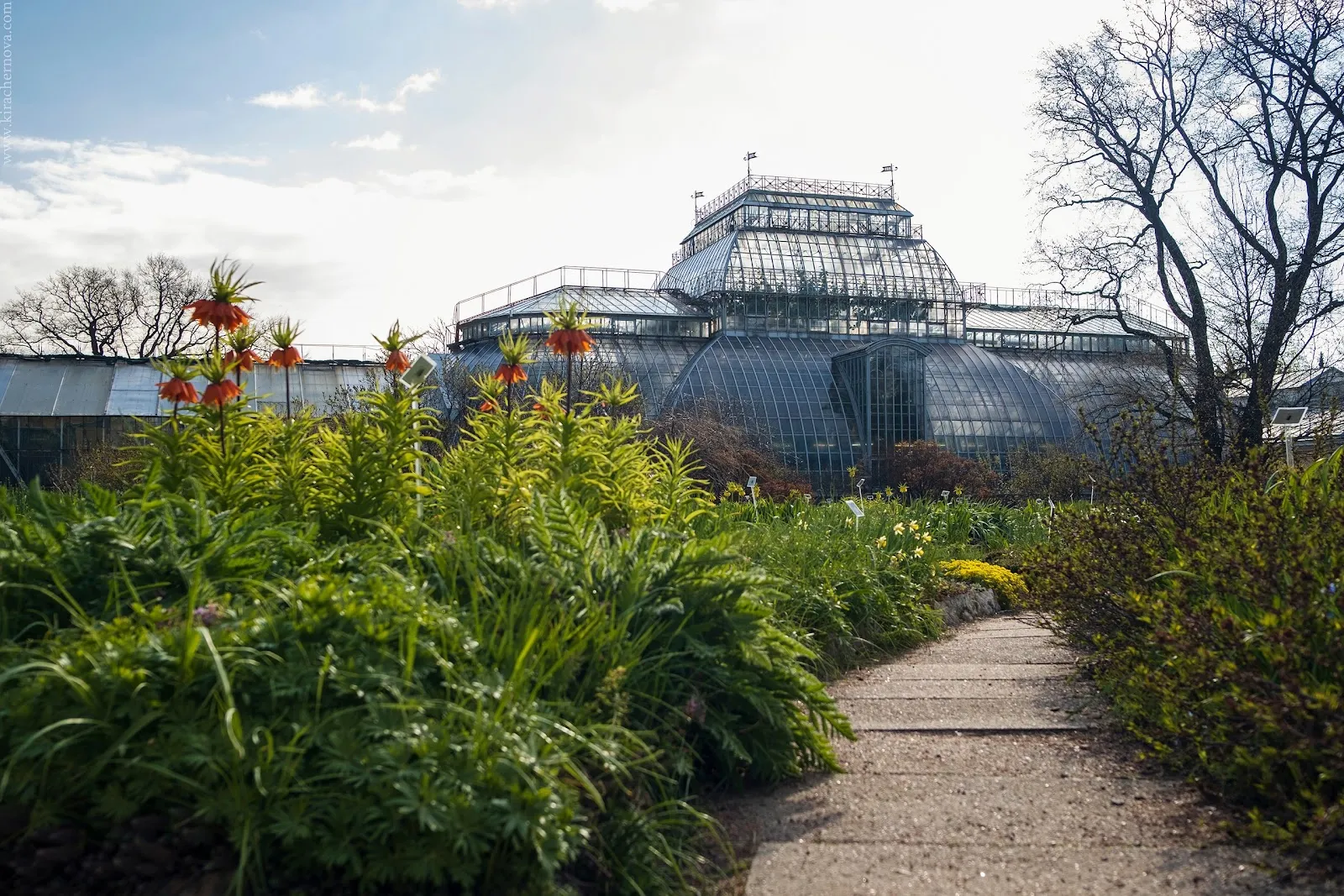
On Aptekarsky Island at Ulitsa Professora Popova, 2П, the Botanical Gardens of Peter the Great pair a greenhouse complex with an outdoor park. Inside, follow routes through tropical, subtropical and water-plant collections, with plants from desert, savannah and jungle environments. Outdoors, look for the rose garden, peonarium and lily ponds; spring and summer bring the park into its best season. Flowers bloom in the greenhouses at different times of year, so the displays change between visits. Check whether an English-language guided tour is available before booking.
From medicinal garden to botanical institution
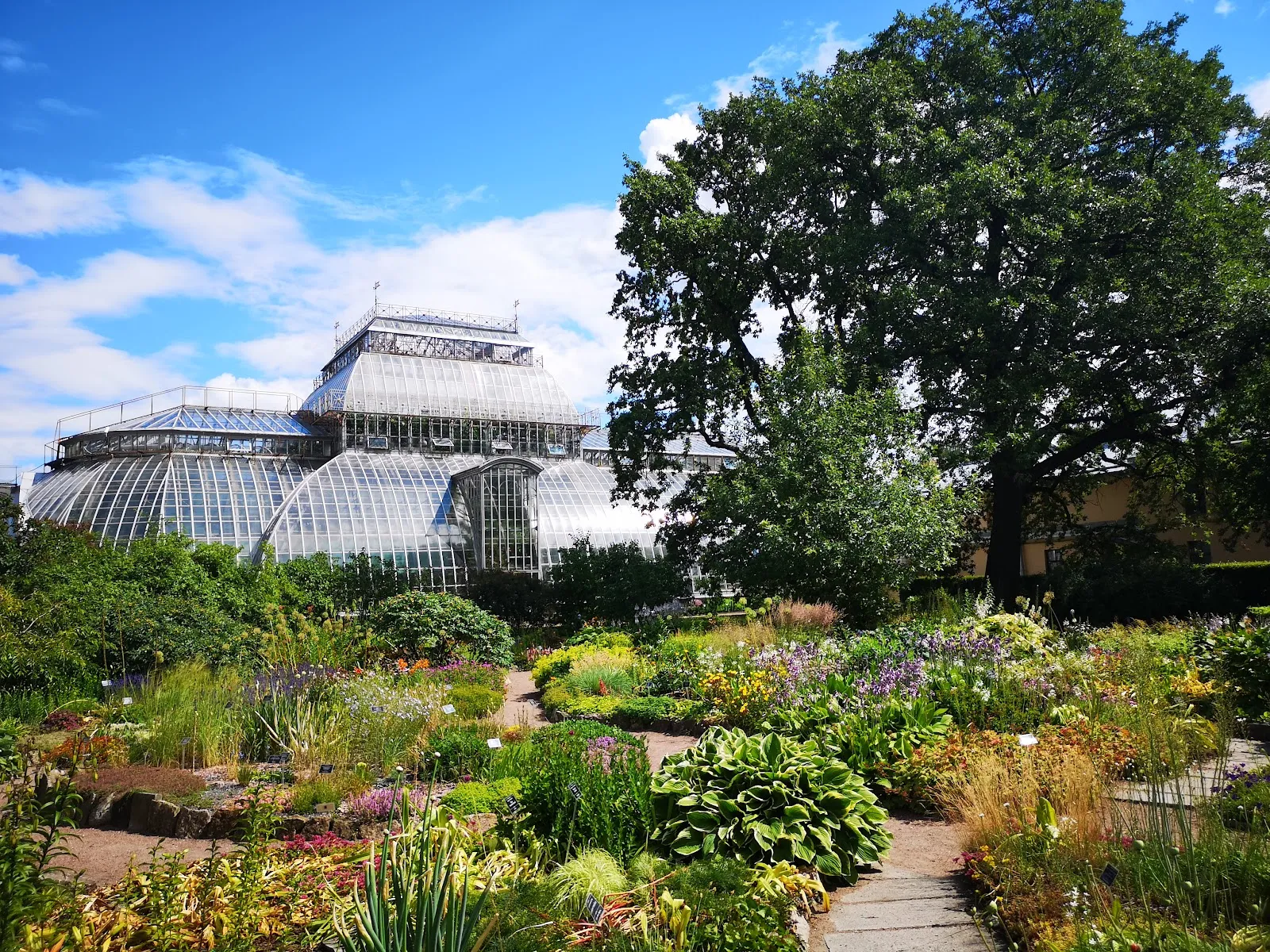
Peter the Great established the garden in 1714 as an apothecary garden. Its first purpose was to grow medicinal herbs, alongside rare plants brought from overseas. The site later became a centre for botanical research in the Russian Empire. Today, its collections combine that scientific role with public greenhouses and an outdoor arboretum park.
The arboretum includes more than 900 species of plants and trees. A 19th-century Botanical Museum is also part of the garden. These collections give the visit a wider scope than the greenhouse displays alone, though the material available here does not specify what is currently exhibited inside the museum.
Greenhouse routes and seasonal flowers
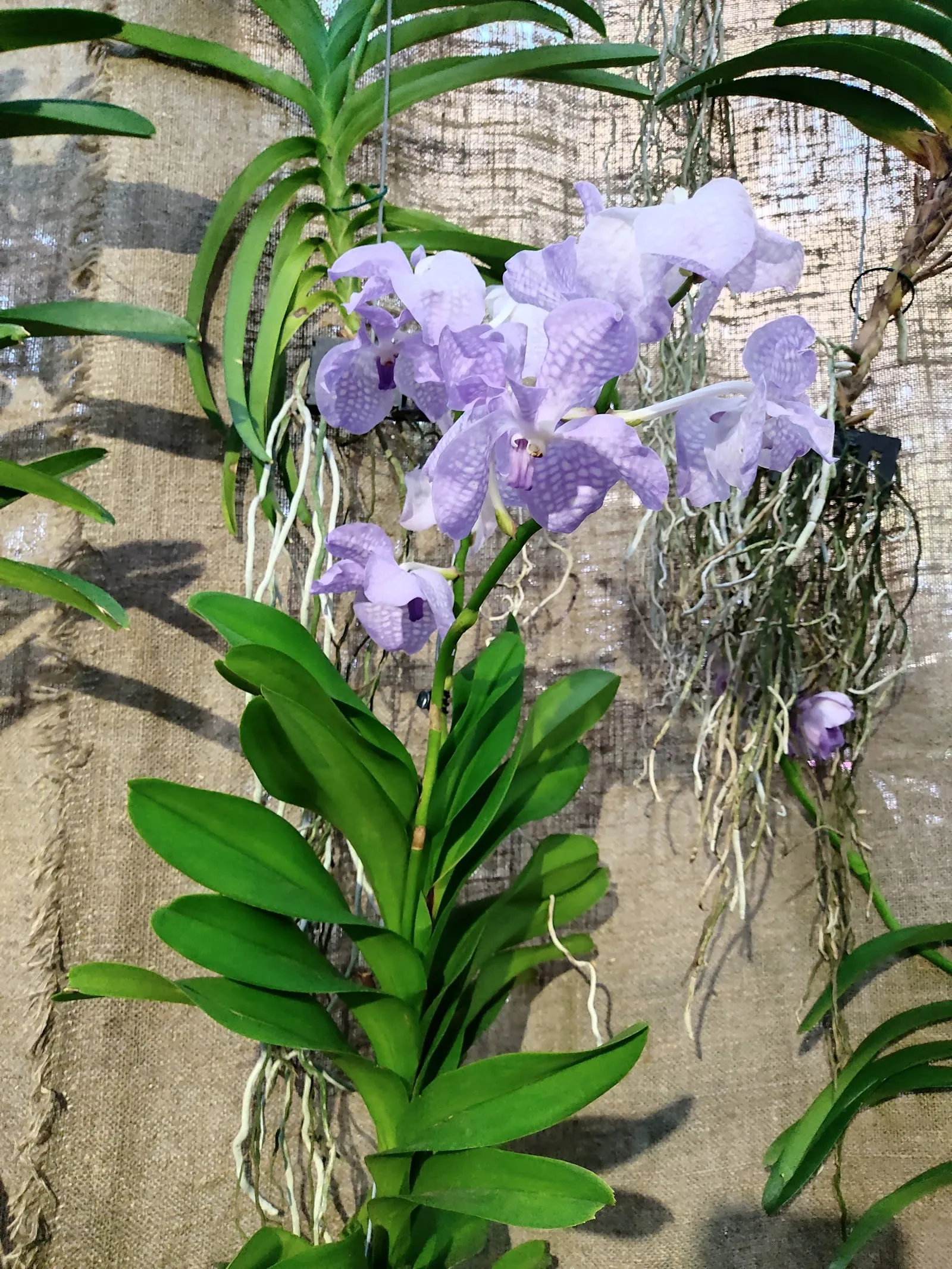
The greenhouse complex is the main place to see plants from different climates under cover. Routes include subtropical and tropical collections, as well as a route focused on water plants. The greenhouses also bring together plants associated with desert, savannah and jungle environments.
Blooming times differ between greenhouses, so the display changes over the year. An orchid exhibition has been held here, and a flowering calendar can help visitors identify what may be in bloom. The information available does not give a current calendar or exhibition schedule, so check the garden’s website before planning around a particular flower.
The outdoor collections
The arboretum park has several distinct areas, including Japanese and Alpine gardens. Elsewhere, the grounds include a rose garden, a peonarium and small lakes with lilies. Benches provide places to pause among the plantings.
A statue of Lenin stands outdoors in a seated pose, a detail of interest to visitors exploring Soviet-era imagery. The park is best suited to a slower walk when the outdoor plants are in season. In winter, the greenhouses remain a reason to visit, while the outdoor garden is not at its spring and summer peak.
FAQ
When is the best time to visit the outdoor garden?
Spring and summer are the best seasons for the outdoor park.
Are the greenhouse tours available in English?
English tours are not confirmed in the available information. Check with the garden before visiting; greenhouse routes may be led in Russian.
What can you see in the greenhouses?
Collections include tropical, subtropical, desert, savannah, jungle and water plants. Flowering displays change through the year.
What is the garden’s history?
Peter the Great established it in 1714 as an apothecary garden for medicinal herbs and rare overseas plants.