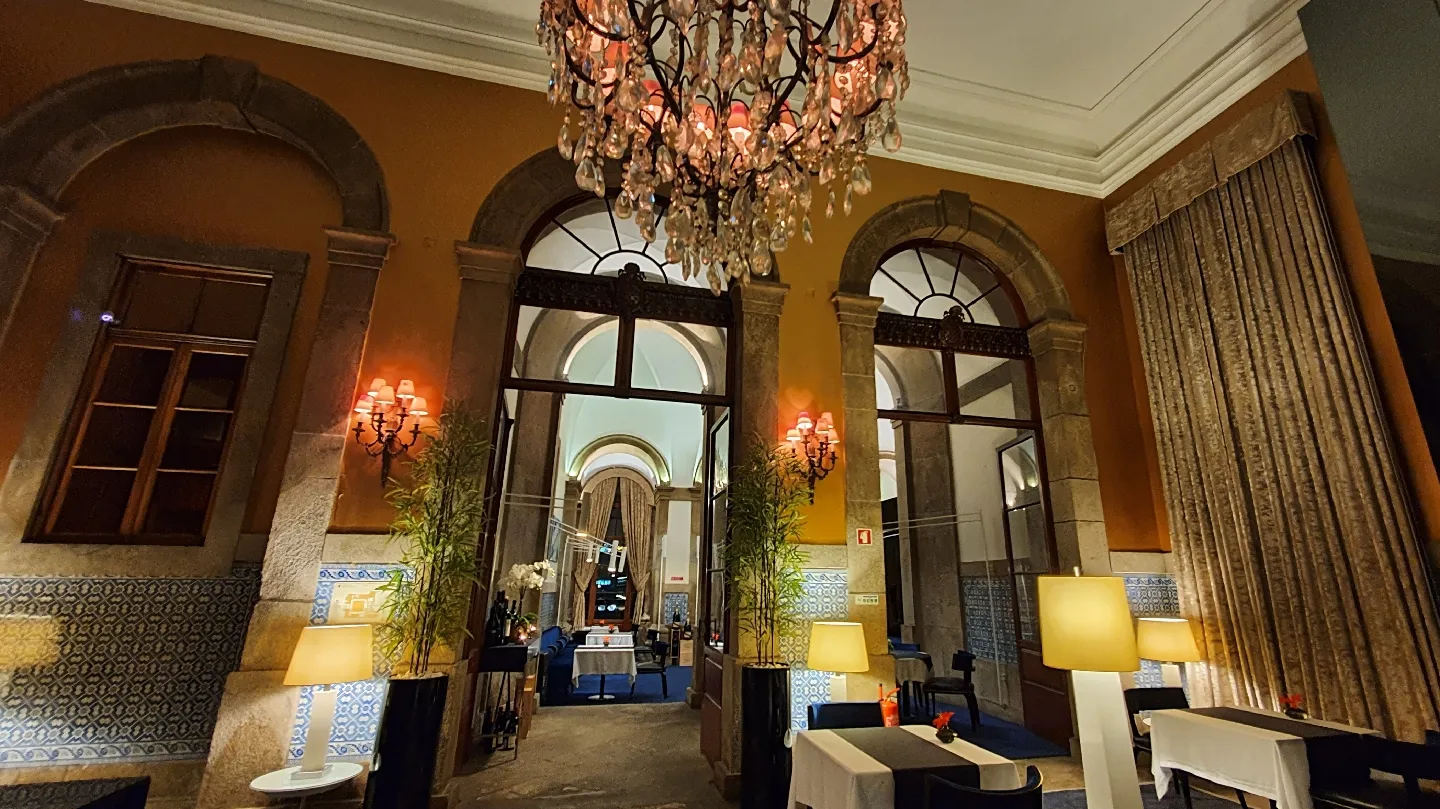
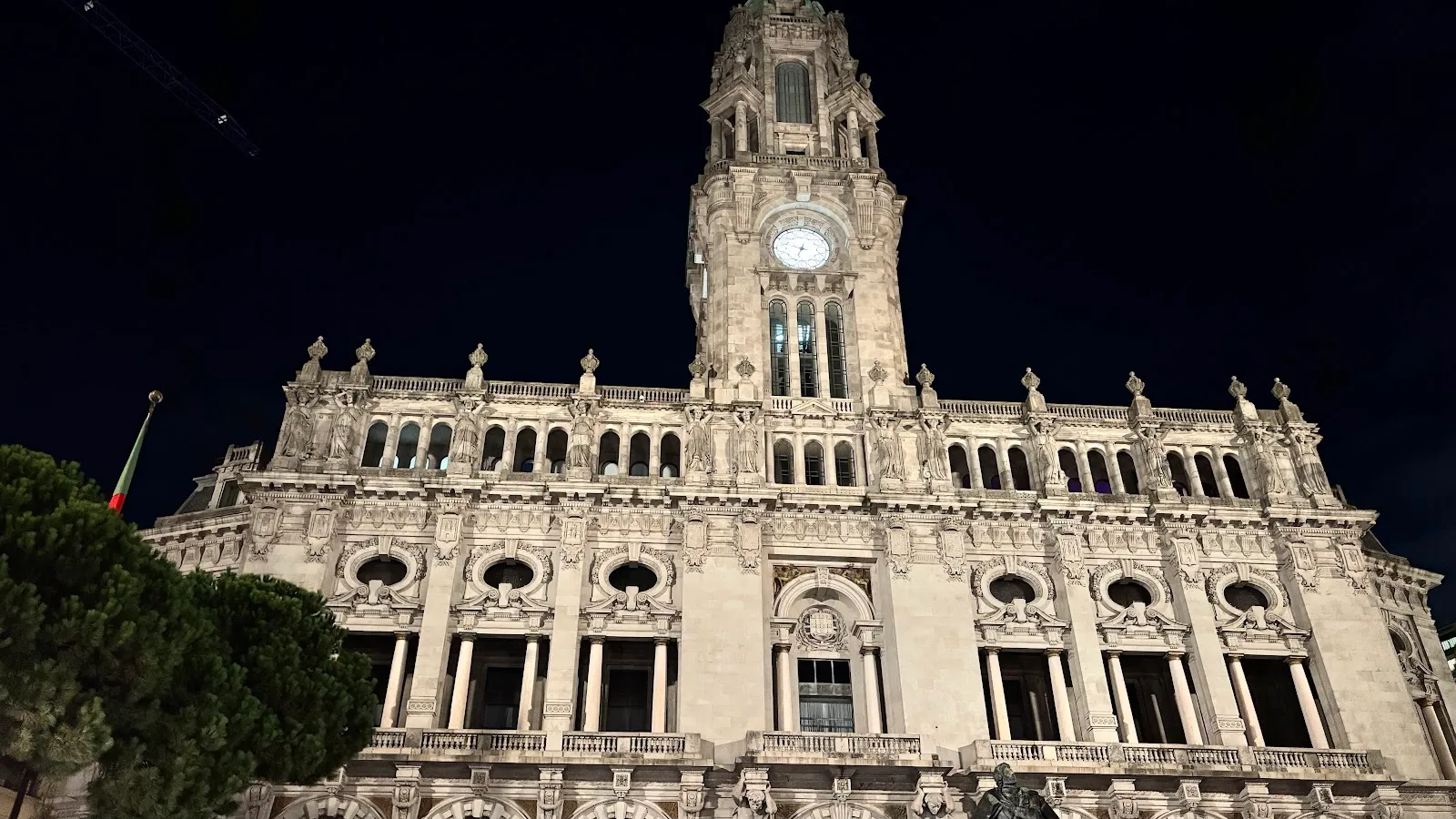
The Soares dos Reis National Museum occupies the Carrancas Palace on Rua de Dom Manuel II, close to the gardens of the Crystal Palace. Founded in 1833, it was Portugal’s first public art museum and is now known for Portuguese paintings and sculpture, alongside ceramics, furniture, jewellery, textiles and glass. Look for António Soares dos Reis’s marble sculpture O Desterrado, then take time to notice the palace’s neoclassical rooms, original frescoes and Italian stucco. The collection spans several centuries, with paintings by artists including Silva Porto and Henrique Pousão.
Portugal’s first public art museum
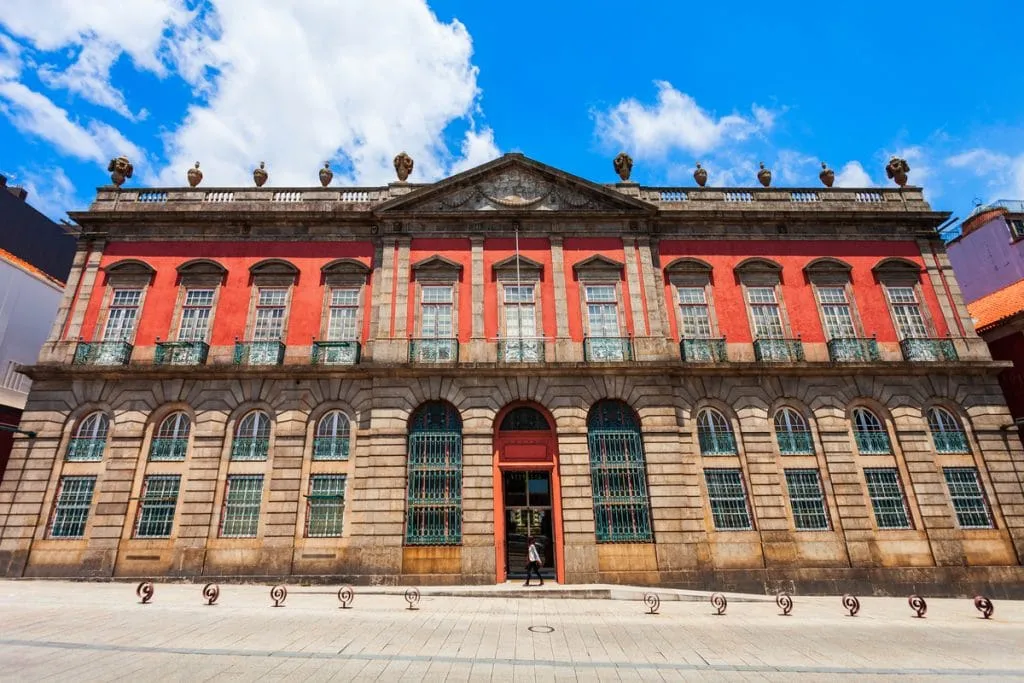
The Soares dos Reis National Museum was founded in 1833, during Portugal’s civil conflict, as the Portuense Museum. Its early collection included artworks taken into state custody from dissolved monasteries and convents. It was the country’s first public art museum, and its purpose grew over time from safeguarding works of art to presenting painting, sculpture and decorative arts.
The museum is named for António Soares dos Reis, the 19th-century Portuguese sculptor whose work is among its most notable holdings. Today, the collection ranges across multiple centuries and includes Portuguese and European works. The museum’s history and the palace it occupies give the visit two strands: the development of Portuguese art and the changing use of a historic Porto residence.
The Carrancas Palace
The museum is housed in the Palácio das Carrancas, an 18th-century palace designed by Joaquim da Costa Lima Sampaio from 1795. It was built for the Moraes e Castro family and later served as a royal residence. The museum moved into the palace in the 20th century.
The building is part of the visit, not just a setting for the collection. Its neoclassical rooms retain original frescoes and Italian stucco, and some interiors are richly decorated. As you move through the galleries, look at how the paintings and objects sit within these formal rooms. The palace’s scale and historic details offer a clear contrast with the variety of smaller works on display.
Sculpture and painting to look for
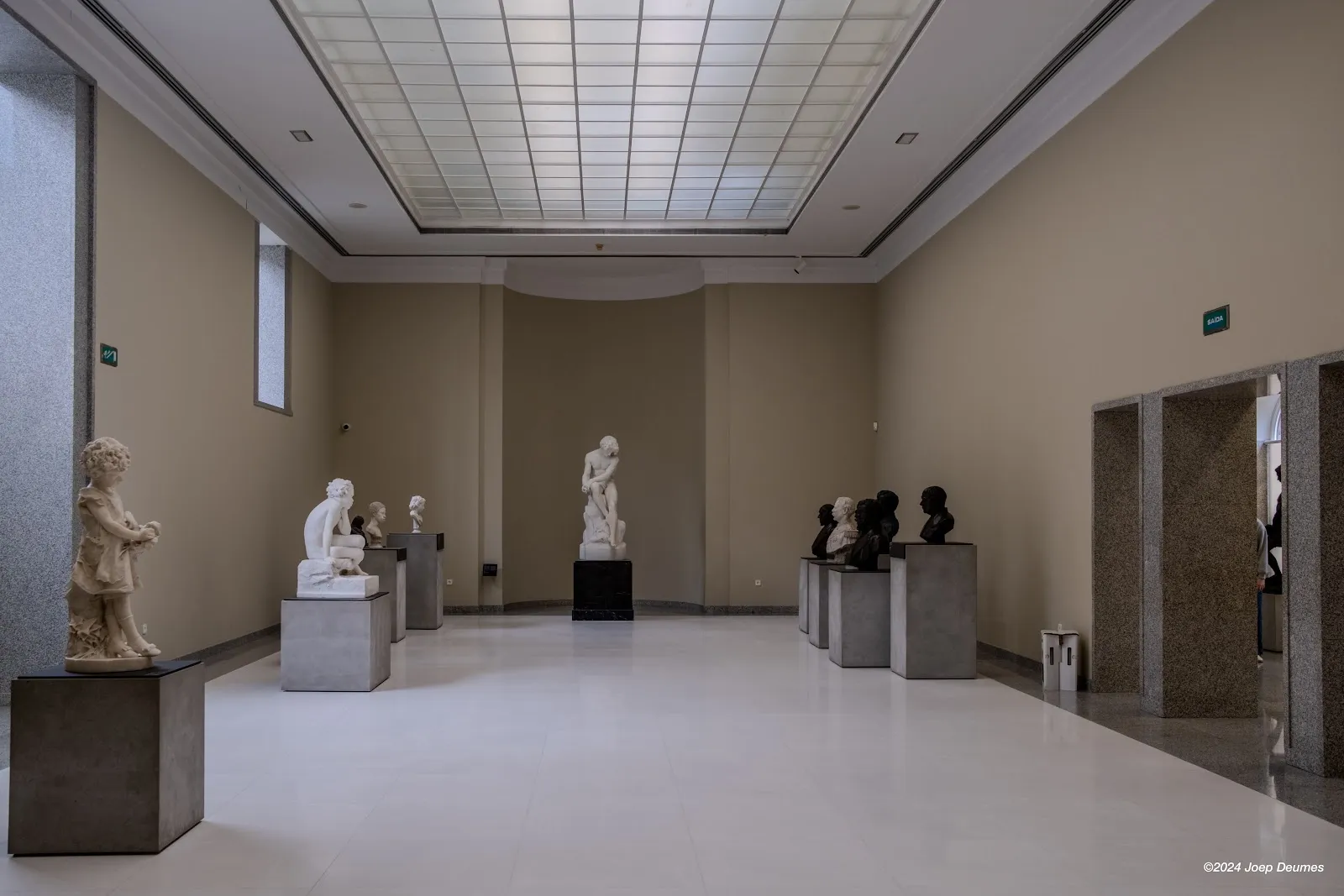
A central work to seek out is O Desterrado, or The Exile, by António Soares dos Reis. Carved from Carrara marble, it is one of the museum’s signature sculptures. The collection also includes other works by the sculptor, alongside Portuguese painting and sculpture from the 19th and 20th centuries.
Look for paintings by Silva Porto, Henrique Pousão, Aurélia de Sousa and António Carneiro. The displays include Portuguese artists as well as Flemish and Dutch masters. The range makes it possible to move between individual artists and broader changes in Portuguese art without treating the museum as a single-period collection.
Decorative arts and a visit plan
Painting and sculpture share the museum with decorative arts and objects from different periods. Ceramics, furniture, jewellery, goldwork, textiles, glassware and engravings all form part of the collections. Japanese screens, Chinese porcelain and Iron Age artefacts add further variety, while works connected with religious collections preserve part of the museum’s early history.
The displays are arranged across several floors, with Portuguese paintings and sculpture and decorative arts among the collections shown on the upper floors. Give yourself around two hours to explore at a comfortable pace. If you are planning a longer cultural outing, the gardens of the Crystal Palace are close by. Access to some areas, including the gardens, has been affected by maintenance work, so check current conditions before your visit.
FAQ
What is the Soares dos Reis National Museum?
It is an art museum in Porto, housed in the Carrancas Palace. Founded in 1833, it was Portugal’s first public art museum.
What should I see at the museum?
Look for António Soares dos Reis’s marble sculpture O Desterrado and paintings by Portuguese artists including Silva Porto, Henrique Pousão and Aurélia de Sousa. The collection also includes ceramics, furniture, jewellery, textiles and glass.
How long do you need at the Soares dos Reis Museum?
Plan for about two hours to explore the museum.
When is a good time to visit?
A weekday morning is a practical choice if you want to avoid crowds.