
Inside Lisbon’s former Church of São Julião, the Money Museum traces how currency developed in Portugal and around the world. Its collection includes ancient and modern coins, banknotes, and displays about how money is made. Interactive activities let you create a coin featuring your likeness, and you can touch a 12-kilogram gold bar. There is also an archaeological area with part of Lisbon’s medieval wall. Admission is free, and the museum is a useful indoor stop near Praça do Comércio and Cais do Sodré.
A former church becomes a museum
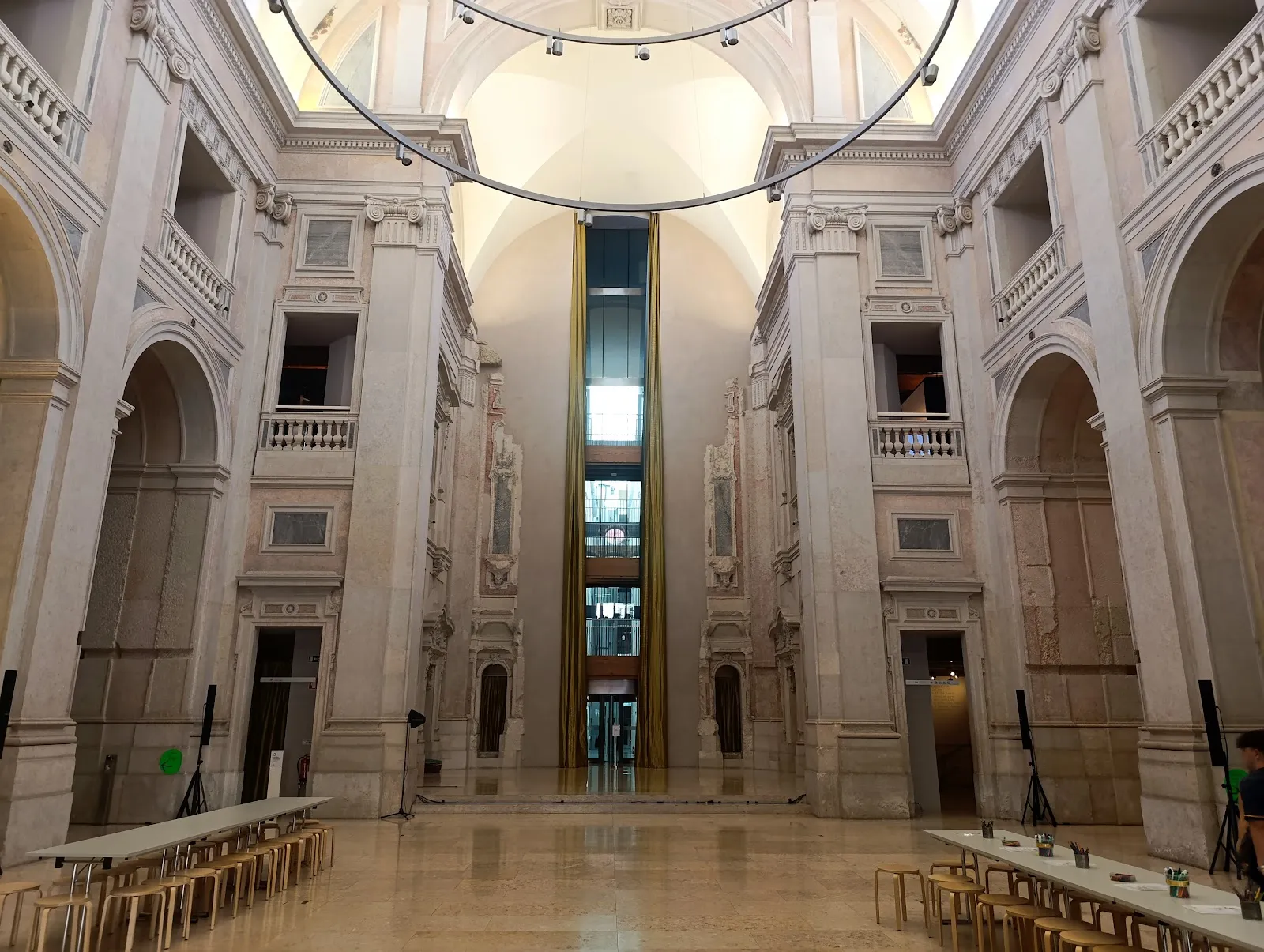
The Money Museum is part of the Bank of Portugal’s headquarters in central Lisbon. It opened in 2016 inside the former Church of São Julião, a building dating to the 1600s. The restored church gives the exhibits a setting quite different from a conventional museum gallery.
The museum follows money from early forms of exchange through coins and banknotes to modern currency. Its scope includes Portugal and the wider world, with objects that show how currency has changed over time and across societies.
Coins, banknotes and how money is made
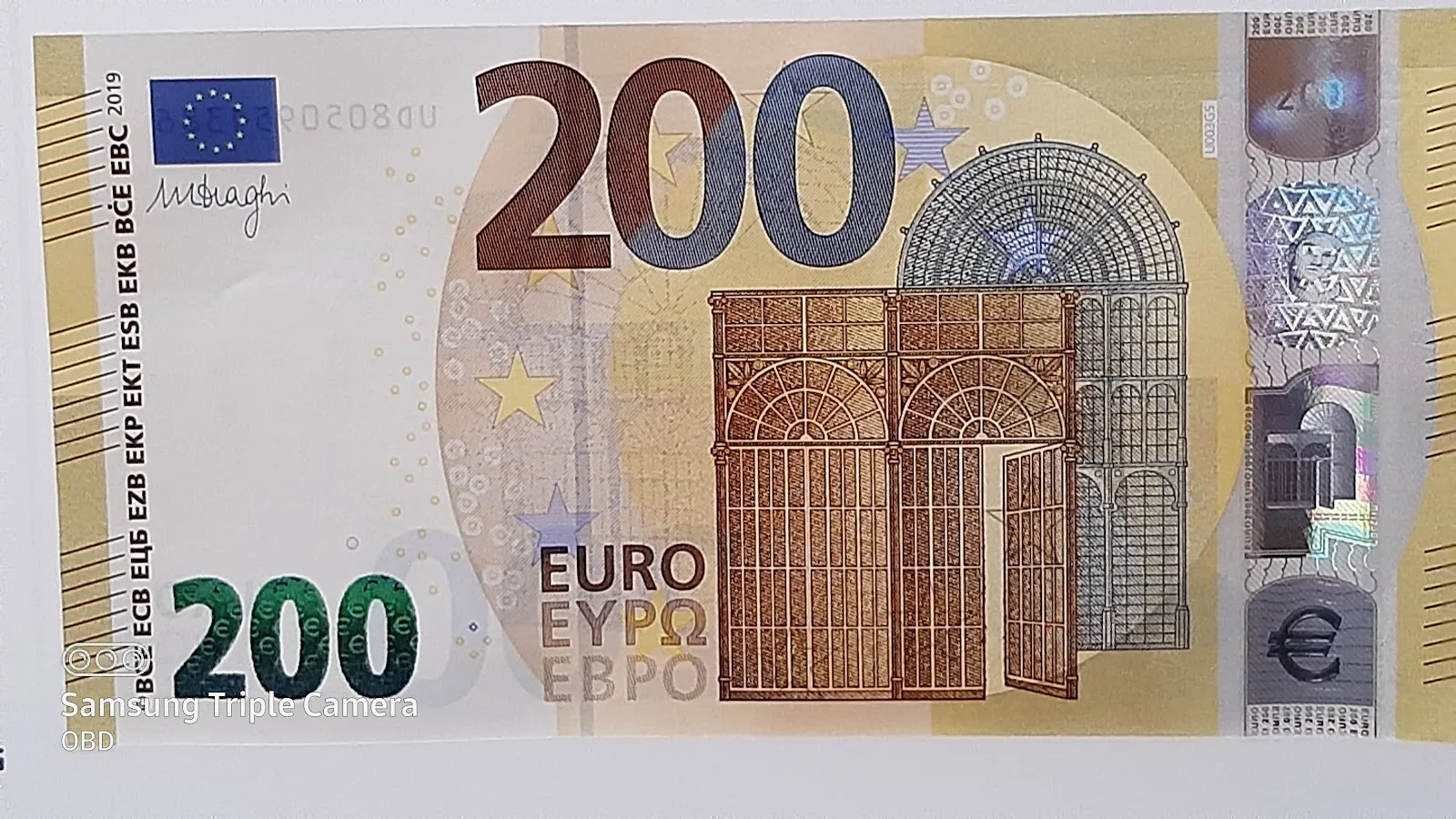
The collection ranges from ancient coins to modern currency, alongside banknotes from Portugal and other countries. Displays cover the origins of money, coin production and the making of banknotes. Some exhibits use technology and interactive stations to explain banking and finance.
The activities invite visitors to take part: you can make a coin bearing your likeness, print a banknote with your image, and examine banknotes under a microscope. These close-up details reveal features that are easy to miss when looking at a note in everyday use.
The gold bar and the archaeological remains
One of the museum’s hands-on highlights is a gold bar weighing about 12 kilograms, which visitors can touch. The building also preserves part of Lisbon’s medieval wall, associated with King Dinis. An archaeological area on the lower level lets you see this section of the city’s past alongside the exhibits on currency.
These elements give the visit more than one focus: you can move from monetary history to the physical remains uncovered at the site, then return to the displays and activities.
Planning your visit
Admission is free. The museum is open Wednesday through Sunday and closed on Monday and Tuesday. Since the first steps can be confusing, collect a map and the ticket used for some interactive exhibits before you begin. Then give yourself time to explore the different sections and try the activities.
The indoor exhibits make the museum an option for a rainy day or a break from the heat outside. It is also close to Praça do Comércio and Cais do Sodré, making it convenient to fit into a day around central Lisbon.
FAQ
Is the Money Museum in Lisbon free?
Yes. Admission is free.
What days is the Money Museum open?
It is open Wednesday through Sunday and closed on Monday and Tuesday.
Can you touch the gold bar?
Yes. The museum has a gold bar weighing about 12 kilograms that visitors can touch.
How long should you spend at the Money Museum?
Allow about 1 to 2 hours to see the displays and try the interactive activities.


