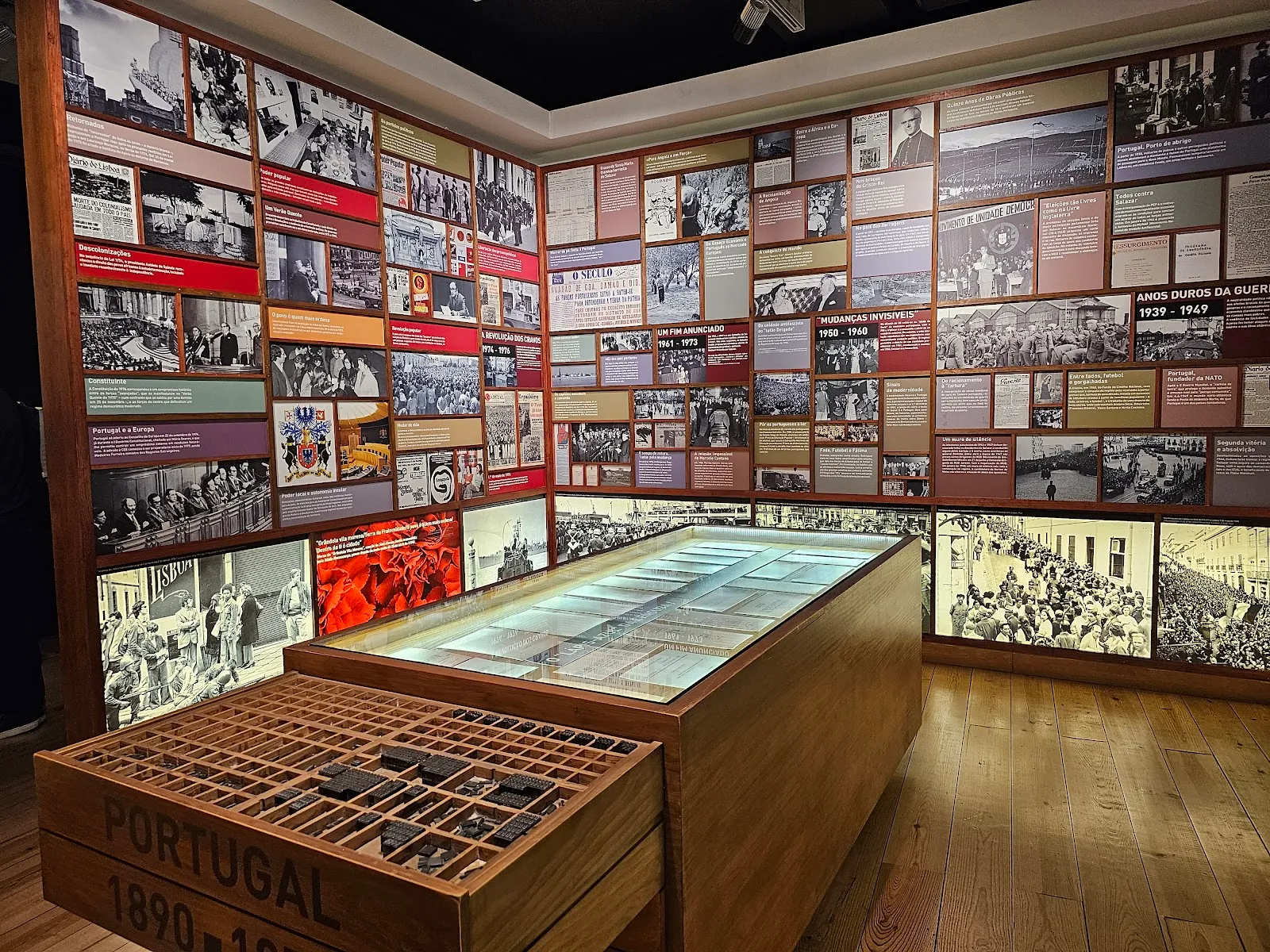
Aljube Museum, on Rua Augusto Rosa beside Lisbon Cathedral, tells the story of resistance to dictatorship and the struggle for freedom in Portugal. It occupies a former prison where political opponents were held until 1965. Across four floors, exhibits cover censorship, resistance, and campaigns for independence in Portugal’s former colonies, using photographs, documents, objects and newsreel footage. Allow time to take in the displays, then head to the top floor for views of the cathedral and river. English translations are limited in some parts, so an audio guide or guide may help.
A prison with a long history
The museum occupies the former Aljube Prison at Rua Augusto Rosa 42, beside Lisbon Cathedral. The building has roots in the Islamic period and later served as an ecclesiastical prison and a women’s prison. From 1928 to 1965, it was used as a political prison under the Estado Novo dictatorship.
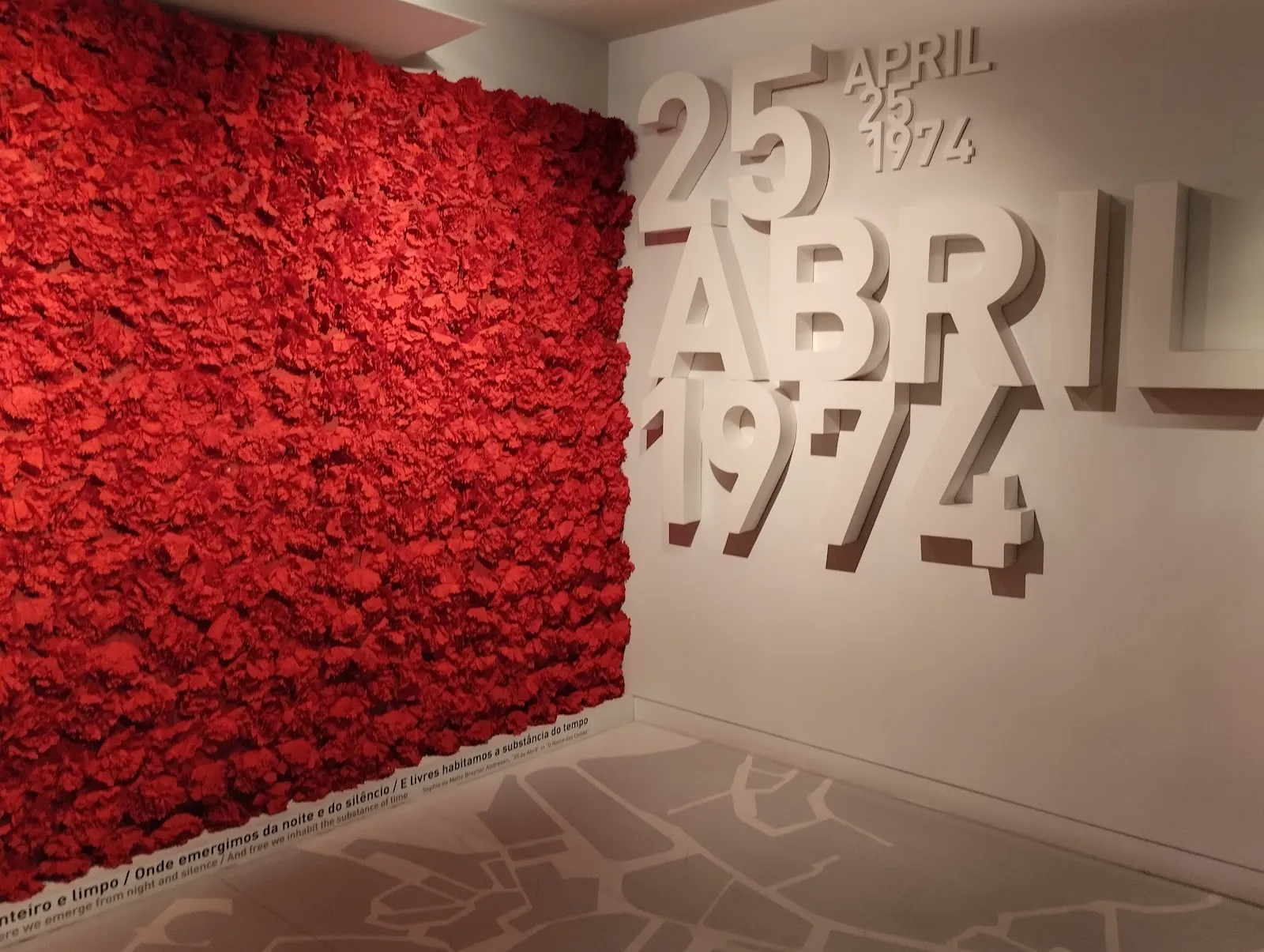
The museum opened on April 25, 2015, the anniversary of Portugal’s democratic revolution. Its purpose is to remember those who resisted dictatorship and fought for freedom and democracy. The prison’s history gives the exhibits a direct connection to the people and events they describe.
Resistance, censorship and colonial independence
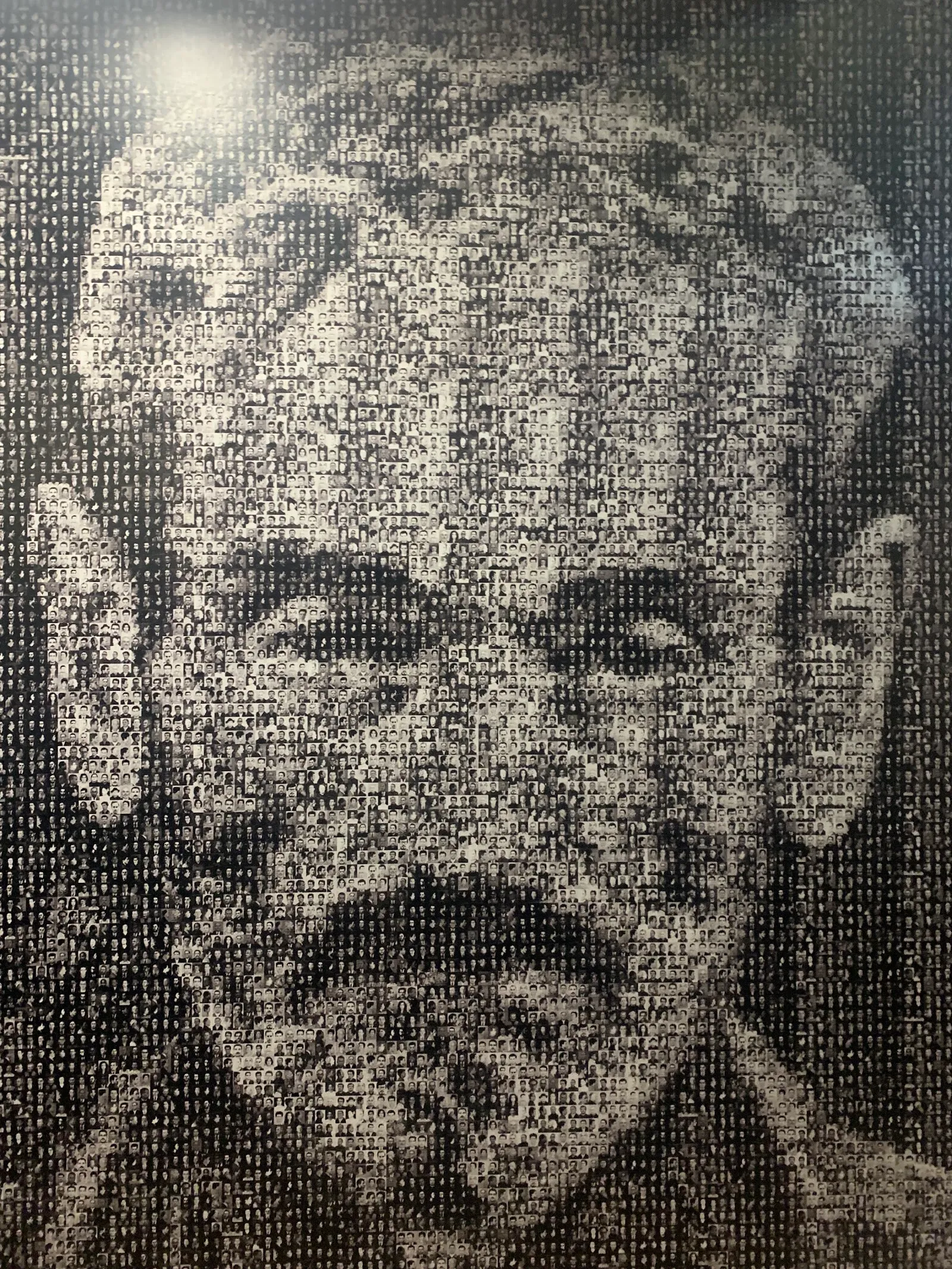
The exhibitions trace Portugal’s political upheavals and the opposition to authoritarian rule. Displays address censorship in the media and artistic expression, as well as the struggle for independence in Portugal’s former colonies in Africa and Asia.
Photographs, documents, objects and newsreel footage help tell this history. The exhibits also include the former prison’s claustrophobic cells, where people who challenged the government were interrogated and tortured. Together, the material connects political control with the acts of resistance that opposed it.
Planning your visit
There are four floors to explore, so allow time to move through the exhibits at your own pace. Some English translations are limited. A guide or audio guide can provide more detail if you want additional context, and temporary exhibitions may add further perspectives on Portuguese history.
Weekdays and early mornings are suggested for a quieter visit. Advance tickets are recommended. Before leaving, go to the top floor for views across the cathedral and the river.
FAQ
What is the Aljube Museum about?
It documents resistance to dictatorship in Portugal and the struggle for freedom and democracy. Exhibits cover censorship, political prisoners and independence movements in Portugal’s former colonies.
Was the museum once a prison?
Yes. The building served as a political prison from 1928 to 1965 under the Estado Novo dictatorship. It had earlier been an ecclesiastical prison and a women’s prison.
What can you see from the museum?
The top floor has views of Lisbon Cathedral and the river.
Are English translations available?
English translations are limited in some areas. A guide or audio guide may help with more detailed explanations.


