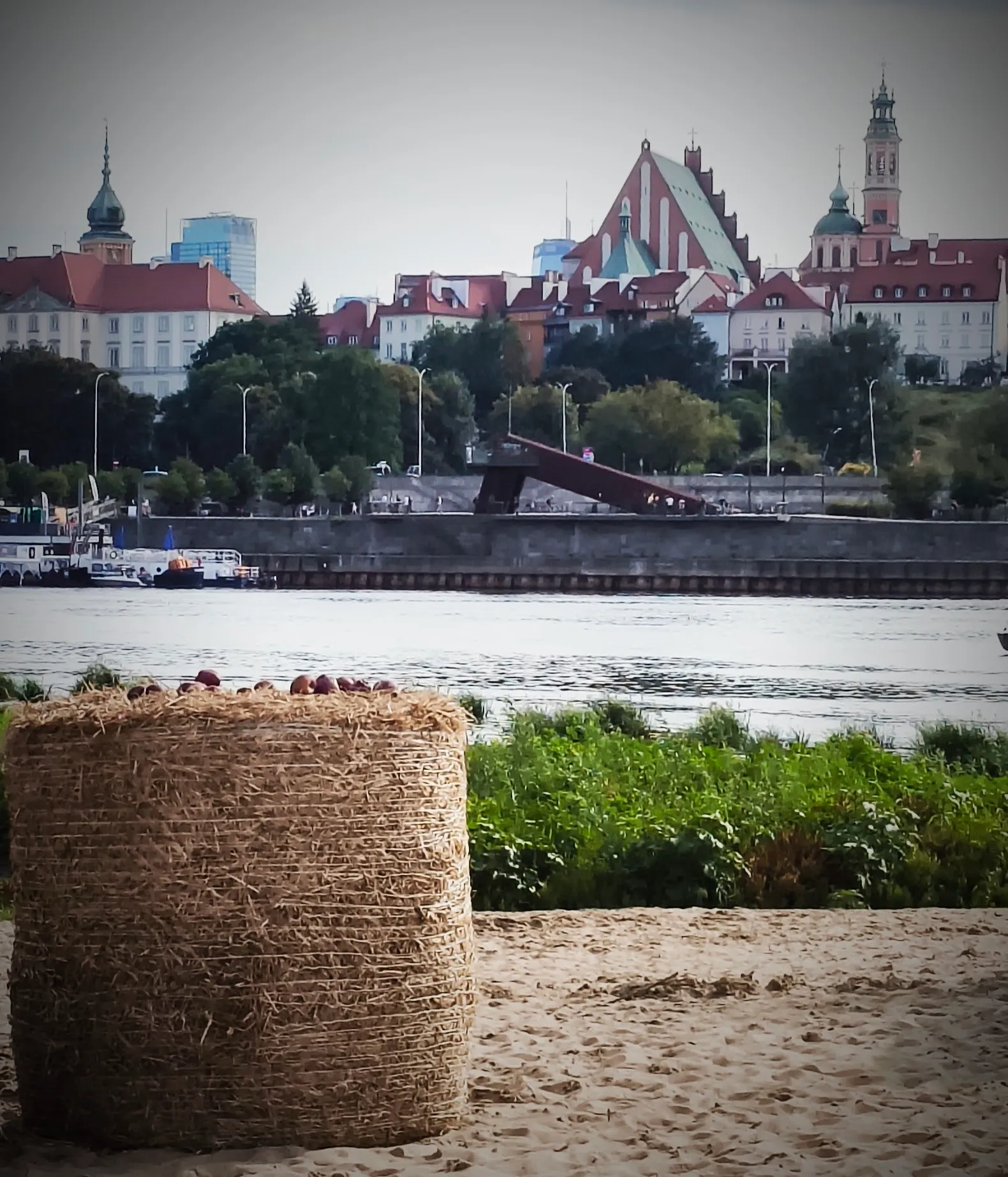
At Grzybowska 79 in Warsaw’s Wola district, the Warsaw Uprising Museum tells the story of the 1944 resistance against Nazi occupation and its consequences for the city. Across a multi-level exhibition, photographs, documents, recordings, personal belongings and interactive displays trace events before, during and after the uprising. Look for the replica Liberator bomber suspended above the exhibition and the reconstructed sewer passages used by insurgents. The subject matter is emotionally intense, and there is a great deal to take in, so allow time for breaks.
The uprising and its aftermath
The museum commemorates the Warsaw Uprising, an armed resistance against German occupation that began on 1 August 1944 and lasted 63 days. Polish resistance fighters and residents took part in an effort to free the capital. The uprising ended with devastating consequences for Warsaw and its people.
The exhibition follows the events leading up to the uprising, the fighting and the period that followed. It also places the experience of Warsaw within the wider history of the Second World War. Personal accounts and historical documents give space to the people who lived through these events, alongside the military story.
Photographs, objects and reconstructed spaces
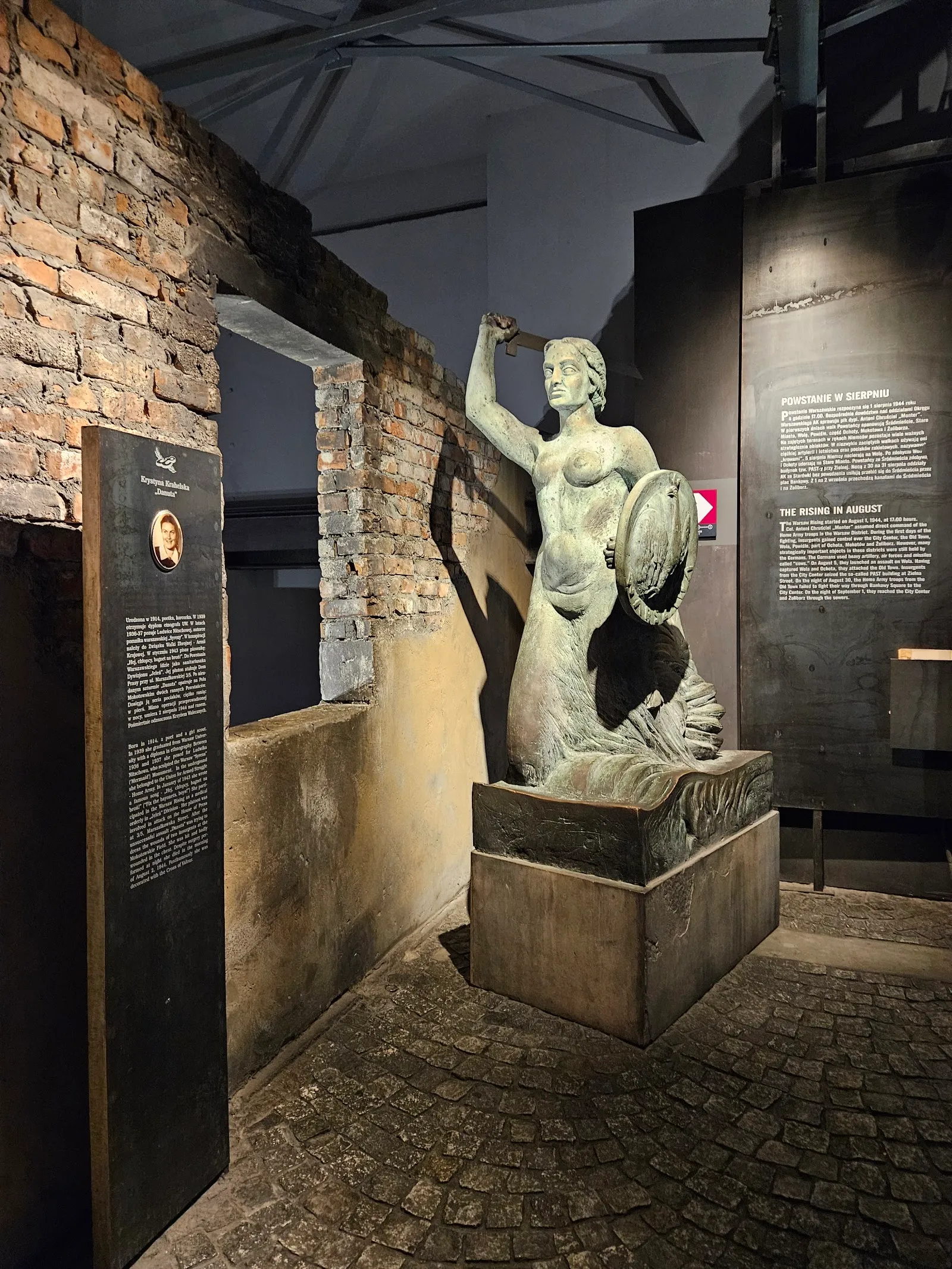
Photographs, films, audio recordings and documents form the core of the exhibition. Personal belongings and objects used by insurgents sit alongside accounts of daily life under occupation. Together, they trace the experiences of residents before, during and after the uprising, including the destruction that followed.
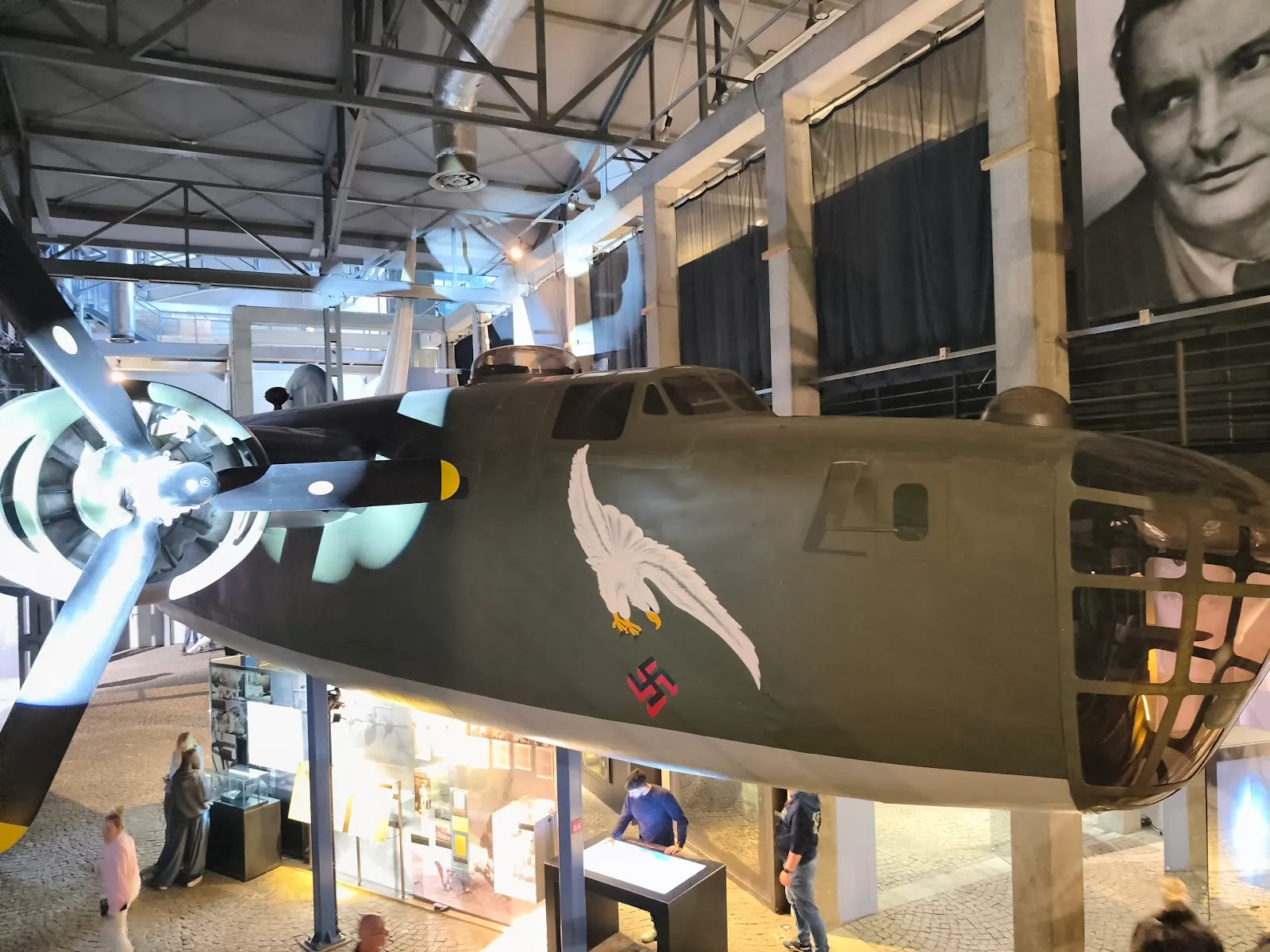
Look for the replica Liberator bomber suspended above the exhibition. A film showing Warsaw after its destruction is presented inside the aircraft. Reconstructed sewer passages show how insurgents used underground routes to move through the city. These displays give a sense of the settings and conditions described elsewhere in the museum.
Planning time for the visit
There is a substantial amount to read and see across the museum’s multiple levels. Visitors have reported spending about three hours inside, and some find the volume of material tiring. An audio guide can provide added context as you move through the displays. The museum is at Grzybowska 79, in Wola.
The subject is difficult, and some footage depicts wartime atrocities. Take a pause if you need one. Tickets bought in advance can help you avoid waiting to purchase them at the museum, though a short wait outside has also been reported. The Wall of Remembrance outside bears more than 10,000 names and offers a place to reflect after the exhibition.
FAQ
How long should I plan for the Warsaw Uprising Museum?
Allow about 2 to 3 hours. The exhibition has extensive material, and some visitors take breaks or leave sections for another time.
Is admission free on a particular day?
The supplied visitor information says admission is free on Thursdays.
Is there an audio guide?
Yes. An audio guide is available inside the museum and can add context to the exhibition.
What is the Warsaw Uprising Museum about?
It commemorates the 1944 Warsaw Uprising against German occupation and presents events before, during and after the 63-day struggle.