Czapski Palace stands at Krakowskie Przedmieście 5, across the street from the University of Warsaw. Built in the late 17th century and later given a Rococo character, it now houses the Warsaw Academy of Fine Arts. Look for paintings and sculptures displayed in the palace corridors, as well as exhibitions of contemporary Polish art. The red facade and sculptures outside are also worth a pause before you go in. Entry is free on Tuesdays.
A palace shaped by successive owners
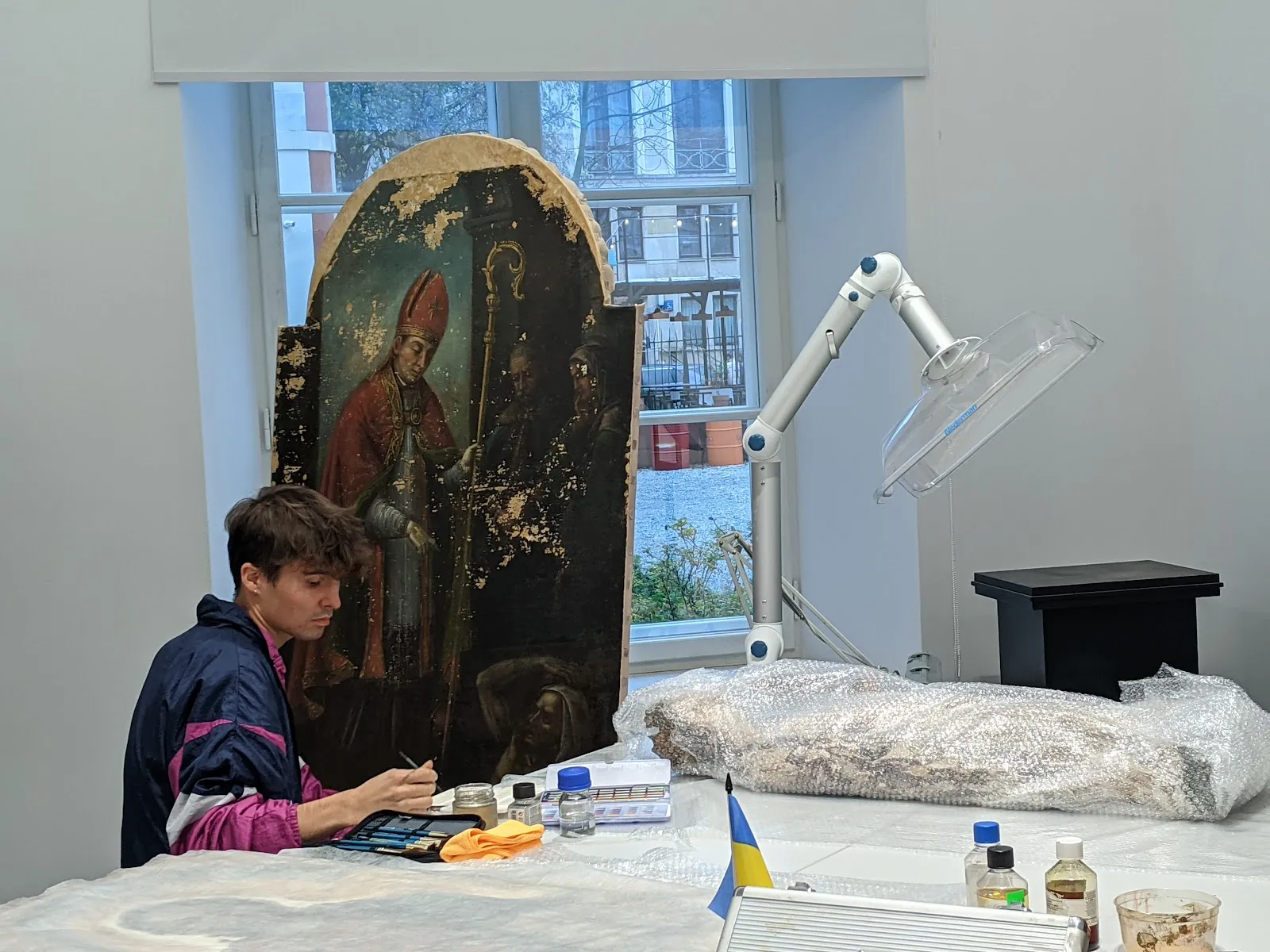
The palace was built around 1686 for Michał Stefan Radziejowski, a Catholic primate of Poland. Dutch-born architect and engineer Tylman van Gameren designed it. Agostino Locci and Kacper Bażanka worked on a reconstruction between 1712 and 1721, and the building took on its Rococo character during later changes from 1752 to 1765.
The palace passed through several prominent families, including the Radziwiłłs, Radziejowskis, Zamoyskis, Czartoryskis and Czapskis. Its other names, including Krasiński, Sieniawski and Raczyński, refer to later residents and owners.
Artists and residents
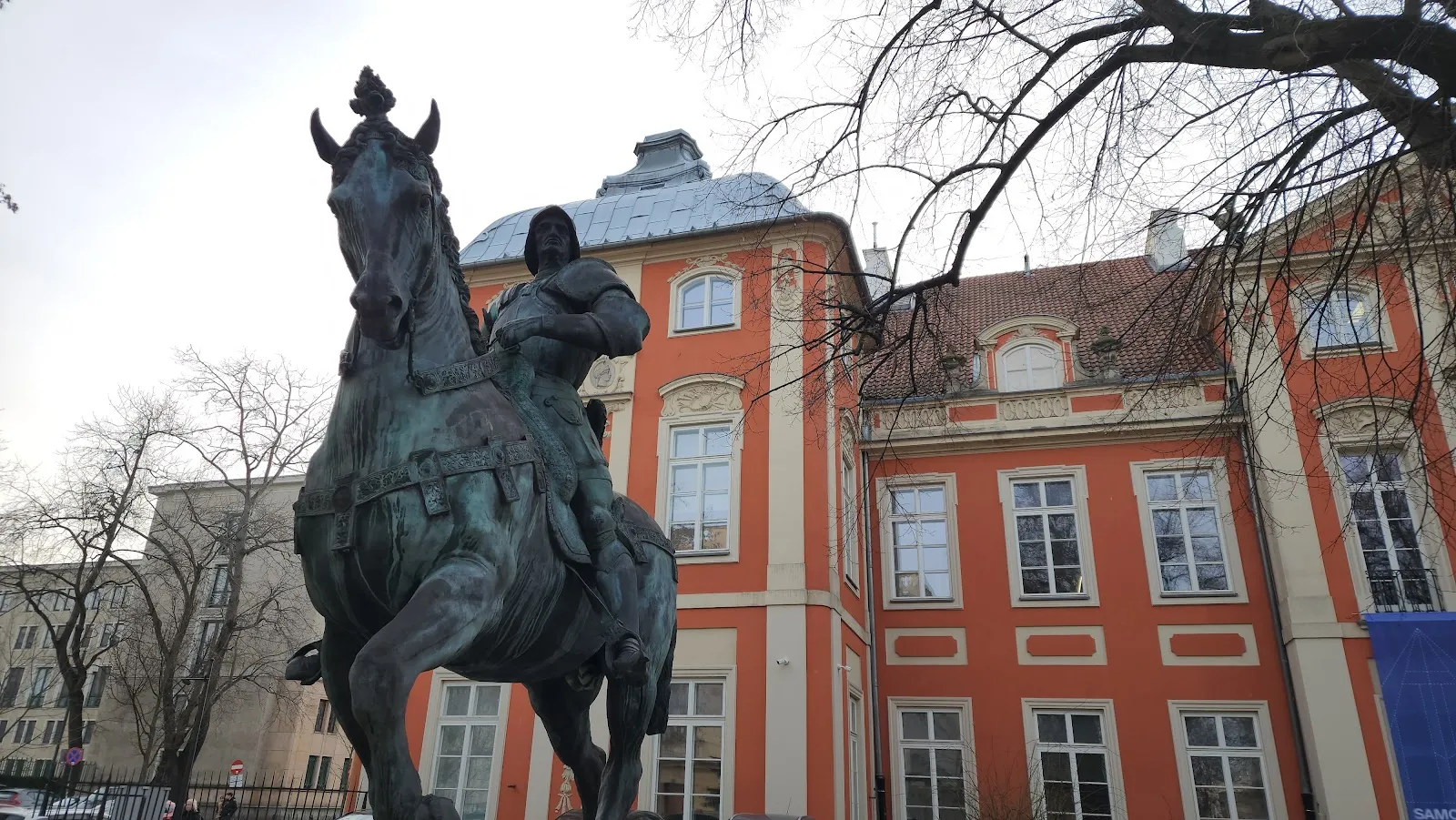
The palace has been home to artist Zygmunt Vogel, composer Frédéric Chopin, and poets Zygmunt Krasiński and Cyprian Norwid. Today, the Warsaw Academy of Fine Arts occupies the building. Art is displayed beyond a single gallery: paintings and sculptures can be found in its corridors, and the Academy organizes exhibitions in the palace.
FAQ
Is entry to Czapski Palace free?
Entry is free on Tuesdays.
What can you see inside Czapski Palace?
The Academy of Fine Arts displays paintings and sculptures in the corridors and organizes art exhibitions.
What other names is Czapski Palace known by?
It is also known as Krasiński, Sieniawski or Raczyński Palace, names linked to its former residents and owners.