Old Aker Church, on a hillside in Oslo’s St. Hanshaugen neighbourhood, is the city’s oldest surviving building. Dating to around 1150, this Romanesque stone church offers a close look at medieval architecture, from its thick walls to its substantial interior columns. The church is still used for Sunday services, and entry to the building and grounds is free. Leave time to walk through the adjacent cemetery and churchyard, then explore the nearby streets of old houses.
A medieval church on the hillside
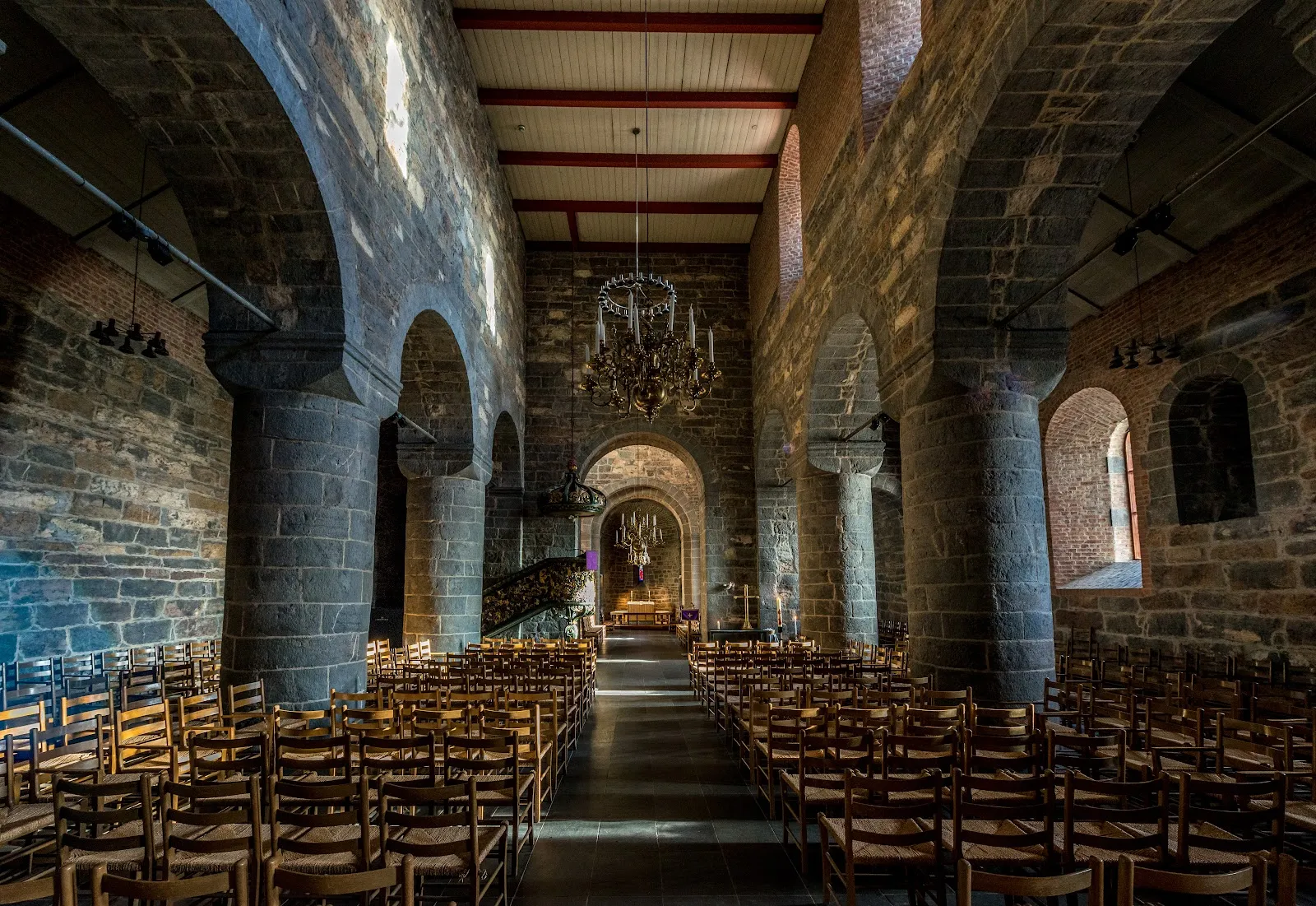
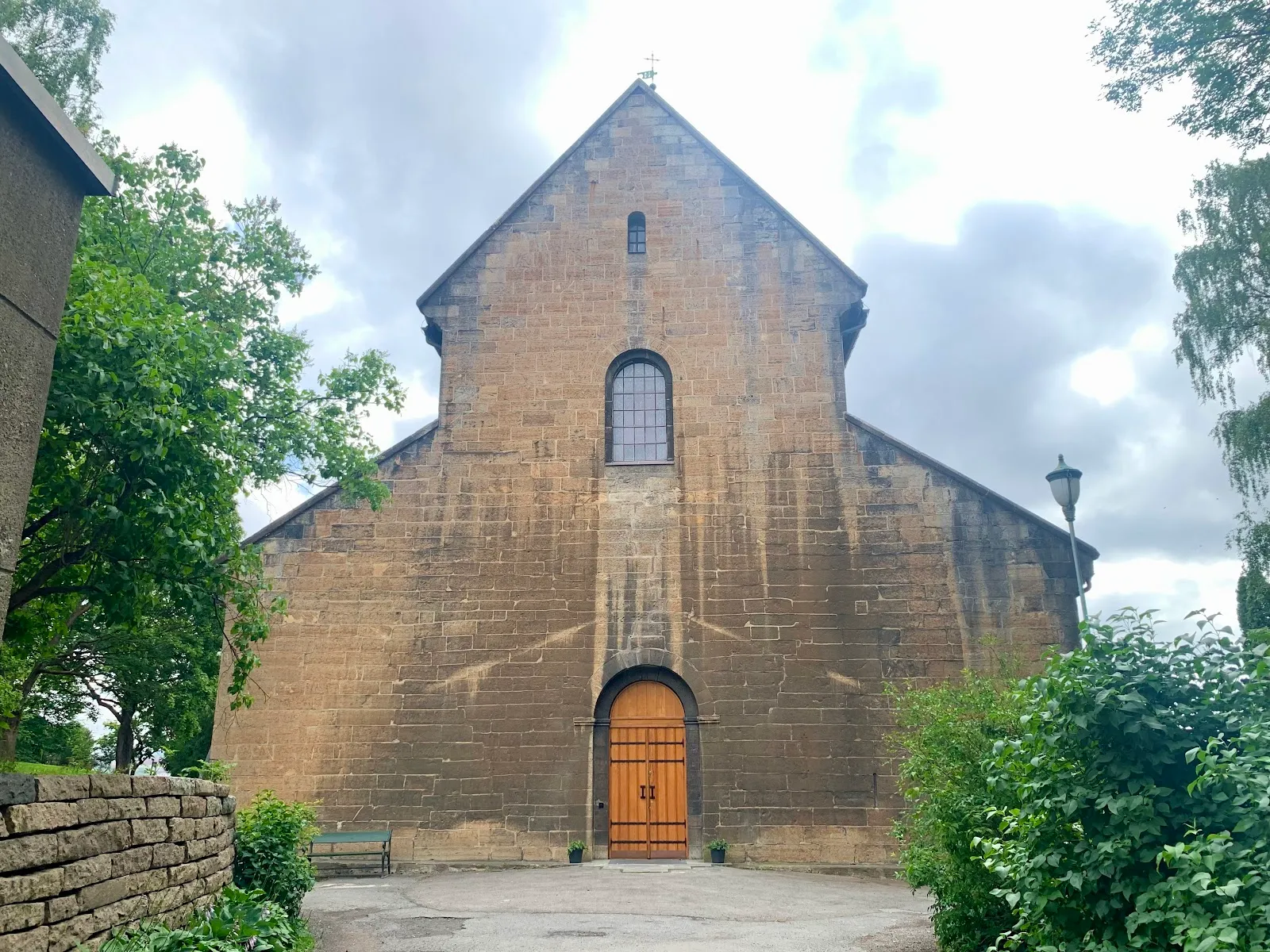
Old Aker Church stands in the St. Hanshaugen neighbourhood, a little outside central Oslo. Built around the middle of the 12th century, it is the city’s oldest surviving building and the oldest remaining church in Oslo. Its hillside setting looks over an old cemetery, with the churchyard and nearby streets of old houses forming part of the visit.
The exterior is relatively modest. Inside, thick walls and large stone columns give the church a more imposing character and a strong sense of its medieval construction. The Romanesque design makes the building a notable example of Oslo’s surviving medieval architecture.
Inside the church and grounds
The church remains in use, including for Sunday services at 11 am. If you visit during worship, treat the space as an active place of prayer and check whether it is appropriate to look around. A small exhibition adds another point of interest inside.
Entry to the church and its grounds is free. Set aside time for the cemetery as well as the interior, then continue on foot to the nearby old house streets. The church’s opening arrangements vary by day, so check them before travelling there specifically.
FAQ
Is Old Aker Church free to visit?
Yes. Entry to the church and its grounds is free.
How old is Old Aker Church?
It dates to around 1150 and is Oslo’s oldest surviving building.
Are services held at Old Aker Church?
Yes. Sunday services are held at 11 am. Be respectful and check whether sightseeing is appropriate during worship.
What can you see at Old Aker Church?
Inside, look for the thick stone walls and large columns, as well as a small exhibition. The adjacent churchyard and cemetery are also open to explore.