Plan a trip
Language: English
Trip plannerPlan your trip on a map

Top destinations

EnglishDeutschFrançaisEspañolPortuguêsPortuguês (BR)Italiano
Travel advisory · MexicoSome governments advise against travel to parts of Mexico.The warnings cover only these areas: Colima, Guerrero, Sinaloa, Chiapas, Chihuahua, Federal Highway 199 San Cristóbal de las Casas–Palenque, Guanajuato, south of Highways 43D and 45D, Guatemala border region, Chiapas, Lagunas de Zempoala National Park, Michoacán, Nayarit, within 20 km of Sinaloa and Durango border, Nuevo León, except Monterrey, Piedras Negras, Route 85 Monterrey–Nuevo Laredo, Sonora, Tamaulipas, Tecate, Tijuana, US border region, Zacatecas.Advice depends on your passport. Read your own government's advice before you book.Official advice
Areas with warnings
  • Colima · avoid all travel · Canada, Germany, France, UK
  • Guerrero · avoid all travel · Canada, Germany, Spain, France, New Zealand, UK
  • Sinaloa · avoid all travel · Canada, Germany, Spain, France, New Zealand, UK
  • Chiapas · avoid non-essential travel · Canada, Spain, France
  • Chihuahua · avoid non-essential travel · Canada, France, UK
  • Federal Highway 199 San Cristóbal de las Casas–Palenque · avoid non-essential travel · France, UK
  • Guanajuato, south of Highways 43D and 45D · avoid non-essential travel · Canada, New Zealand
  • Guatemala border region, Chiapas · avoid non-essential travel · Germany, France, New Zealand
  • Lagunas de Zempoala National Park · avoid non-essential travel · Canada, New Zealand
  • Michoacán · avoid non-essential travel · Canada, Germany, New Zealand, UK
  • Nayarit, within 20 km of Sinaloa and Durango border · avoid non-essential travel · Canada, New Zealand
  • Nuevo León, except Monterrey · avoid non-essential travel · Canada, New Zealand
  • Piedras Negras · avoid non-essential travel · Spain, France
  • Route 85 Monterrey–Nuevo Laredo · avoid non-essential travel · Spain, France
  • Sonora · avoid non-essential travel · Canada, New Zealand
  • Tamaulipas · avoid non-essential travel · Canada, France, UK
  • Tecate · avoid non-essential travel · France, UK
  • Tijuana · avoid non-essential travel · France, UK
  • US border region · avoid non-essential travel · Germany, Spain, France
  • Zacatecas · avoid non-essential travel · Canada, Germany, Spain, France, UK

Also named by one government: Celaya–Irapuato–Salamanca triangle, Guanajuato (France), Culiacán and surrounding area (France), North of Ciudad Victoria, Tamaulipas (Germany), Route 129 Martinez de la Torre–Teziutlán (France), Route 131 Tapacoyan–Perote (France), Route 180 Martinez de la Torre–Papantla secondary roads (France), Route 40 Monterrey–Reynosa (France), Southern Michoacán from Uruapán to the coast (France), Acapulco (France), Baja California, except Tijuana and Tecate (France), Ciudad Acuña (Spain), Ciudad Juárez and surrounding area (Spain), Ciudad Obregón (France), Coahuila, except southern part (New Zealand), Coatzacoalcos (France), Colonias north and north-east of the Zócalo, Mexico City (France), Durango (France), East Nuevo León, bordering Tamaulipas (France), Guanajuato (Spain), Guanajuato, Highway 45 between León and Irapuato (New Zealand), Guanajuato, south-west of Highway 45D (UK), Jalisco, within 50 km of Michoacán border (Canada), Monclova (Spain), Morelos (France), Nayarit (France), Nogales (France), Non-tourist rural areas of Baja California (Spain), Non-tourist rural areas of Chihuahua (Spain), Non-tourist rural areas of Coahuila (Spain), Non-tourist rural areas of Durango (Spain), Non-tourist rural areas of Sonora (Spain), Northern municipalities of Jalisco (UK), Northern Tamaulipas from San Fernando to US border (Spain), Northern Veracruz bordering Tamaulipas (Spain), Northern Veracruz from Martinez de la Torre (France), Route 150D Puebla–Orizaba (France), Route 190 Oaxaca–Santo Domingo Tehuantepec (France), Route 85 and 83 Monterrey–Ciudad Victoria–Tampico (France), Route 95 Mexico City–Cuernavaca (France), Selva Lacandona (France), South and south-west of Lake Chapala, Jalisco (UK), South-west Jalisco and Los Altos, except Puerto Vallarta (France), South-west Michoacán (France), South-west Tamaulipas (France), Southern Guanajuato state (France), Southern Michoacán south of Morelia (Spain), Strip within 40 km of Guatemalan border, Chiapas (UK), Tepic (New Zealand), Toluca (France), Veracruz city (France)

GovernmentAdviceUpdatedRead the advice
United Kingdom (FCDO)No advice against the whole country (regional advisories)–Read the advice
United States (State Dept)Exercise increased cautionMay 29, 2026Read the advice
Canada (Global Affairs)Exercise a high degree of caution (regional advisories)–Read the advice
Germany (Auswärtiges Amt)Besondere Vorsicht walten lassen (Sicherheitslage) (regional advisories)Oct 19, 2026Read the advice
New Zealand (SafeTravel)Exercise increased caution (regional advisories)–Read the advice
France (Ministry for Europe and Foreign Affairs)Vigilance renforcée pour le reste du pays (regional advisories)–Read the advice

Checked daily from the governments' published advice; last checked Nov 2, 2026. RoamLedger summarises official advice; it is not advice from any government.

Gran Acuario Mazatlán
Aquarium

Gran Acuario Mazatlán

Gran Acuario Mazatlán has more than 50 tanks, sea lion and bird shows, and ray and capybara encounters. Plan your visit with practical tips.

Gran Acuario Mazatlán, also called Mar de Cortés, is an aquarium at Avenida de los Deportes 111 in Colonia Tellería. It has more than 50 tanks, and its collection centres on the Gulf of California, with a few animals from other seas. Sharks, jellyfish, sea horses, stingrays and turtles share the grounds with sea lions, macaws and capybaras. Sea lion and bird shows run during the day. Rays and capybaras can be fed for a fee, and guides explain the rescue work with sea lions and turtles. It suits families with children and anyone curious about the marine life of the region.

Land, coast and sea
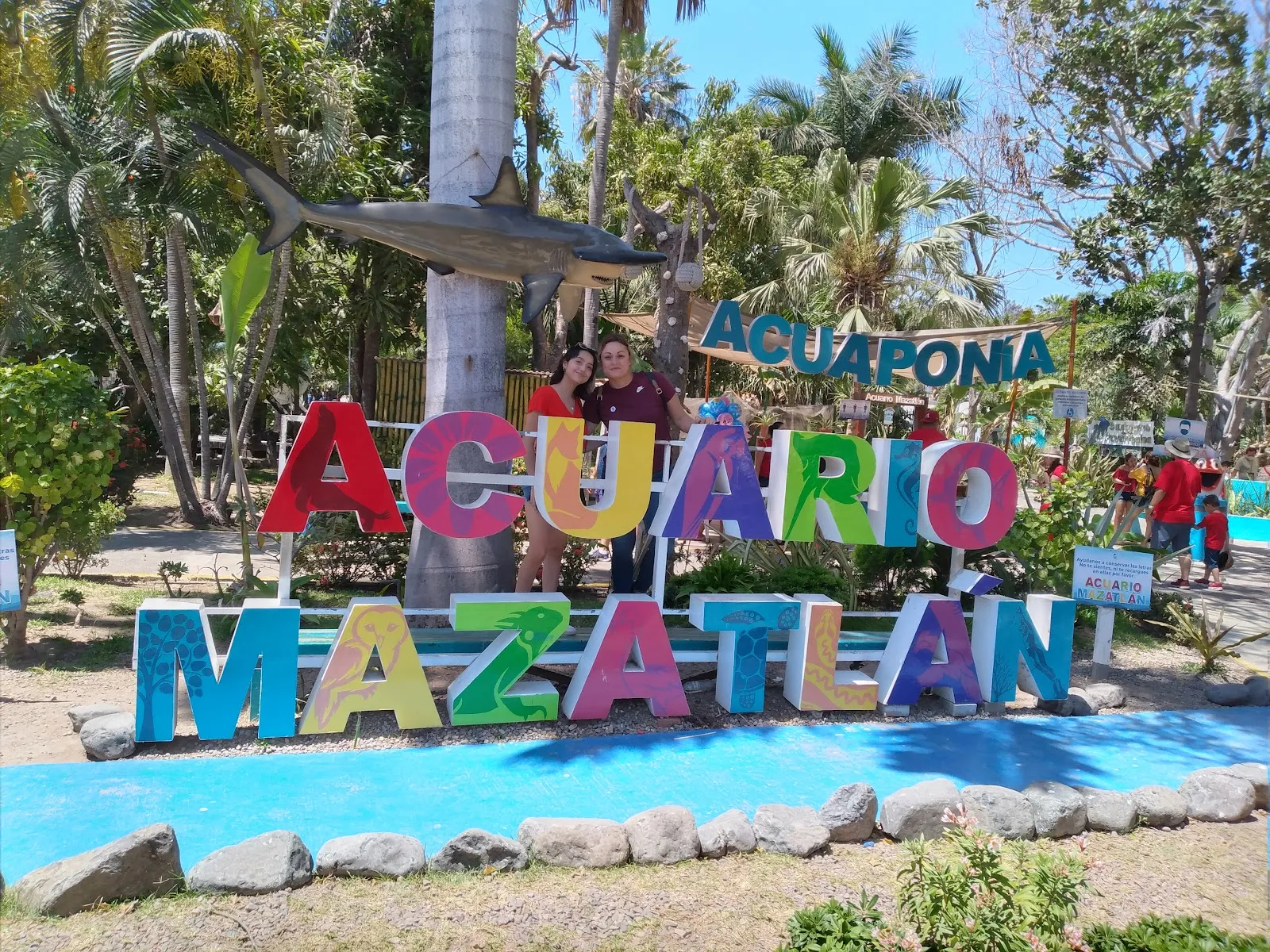
Gran Acuario Mazatlán

The aquarium is laid out in three parts: land, coast and sea. The theme is the Gulf of California, also called the Sea of Cortez, and the name Mar de Cortés refers to it. A few animals from other oceans are included too.

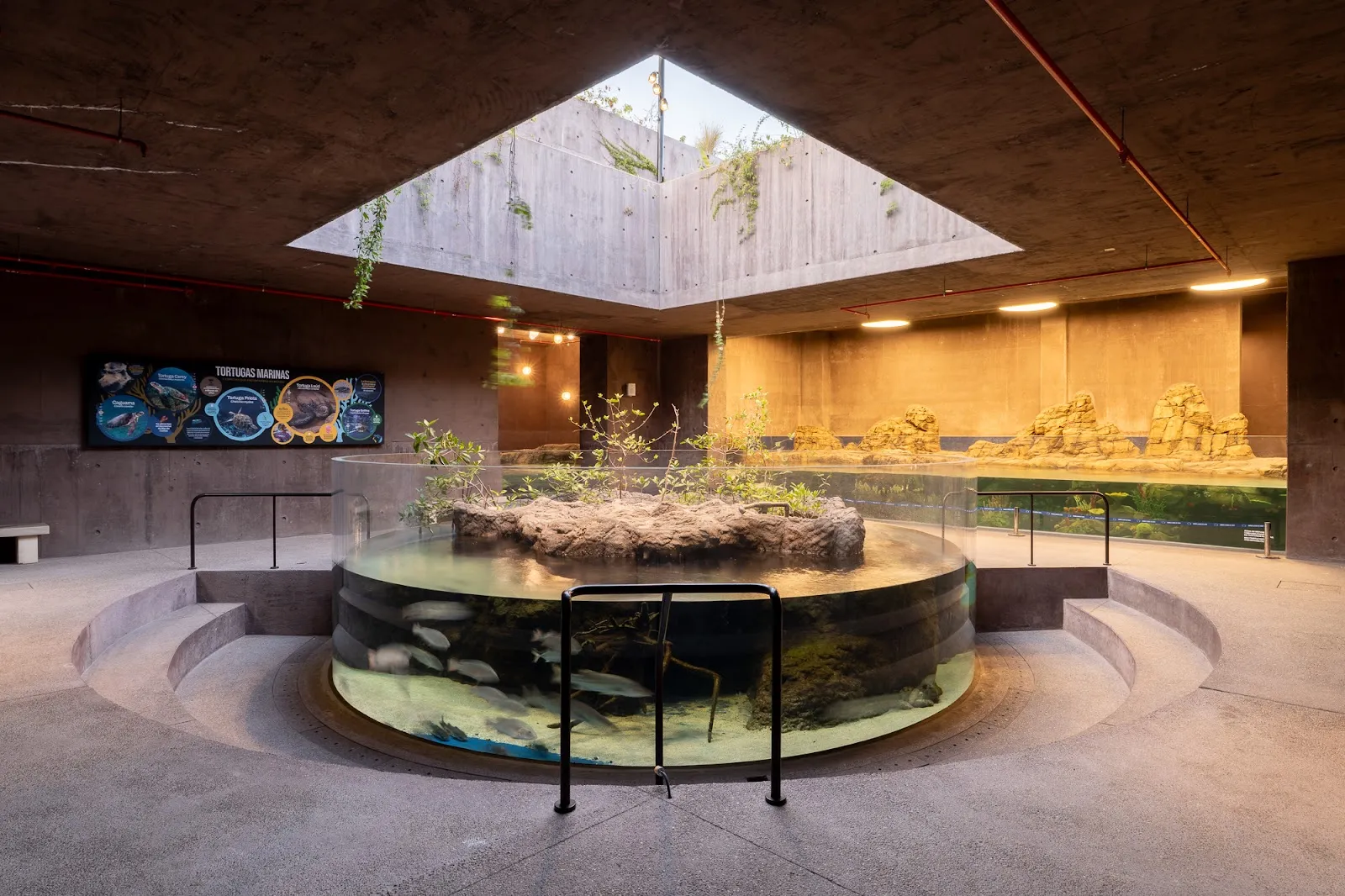
The site holds more than 50 tanks, among them 34 saltwater and 17 freshwater ones. Species include sharks, stingrays, eels, snapper, groupers, surgeonfish, sea horses, jellyfish, turtles and starfish. Mudskippers, the fish that move over land on their fins, are among the smaller curiosities. One source counts more than 250 species of fish, birds, reptiles and mammals across the whole site.

Tanks, jellyfish and the outdoor grounds
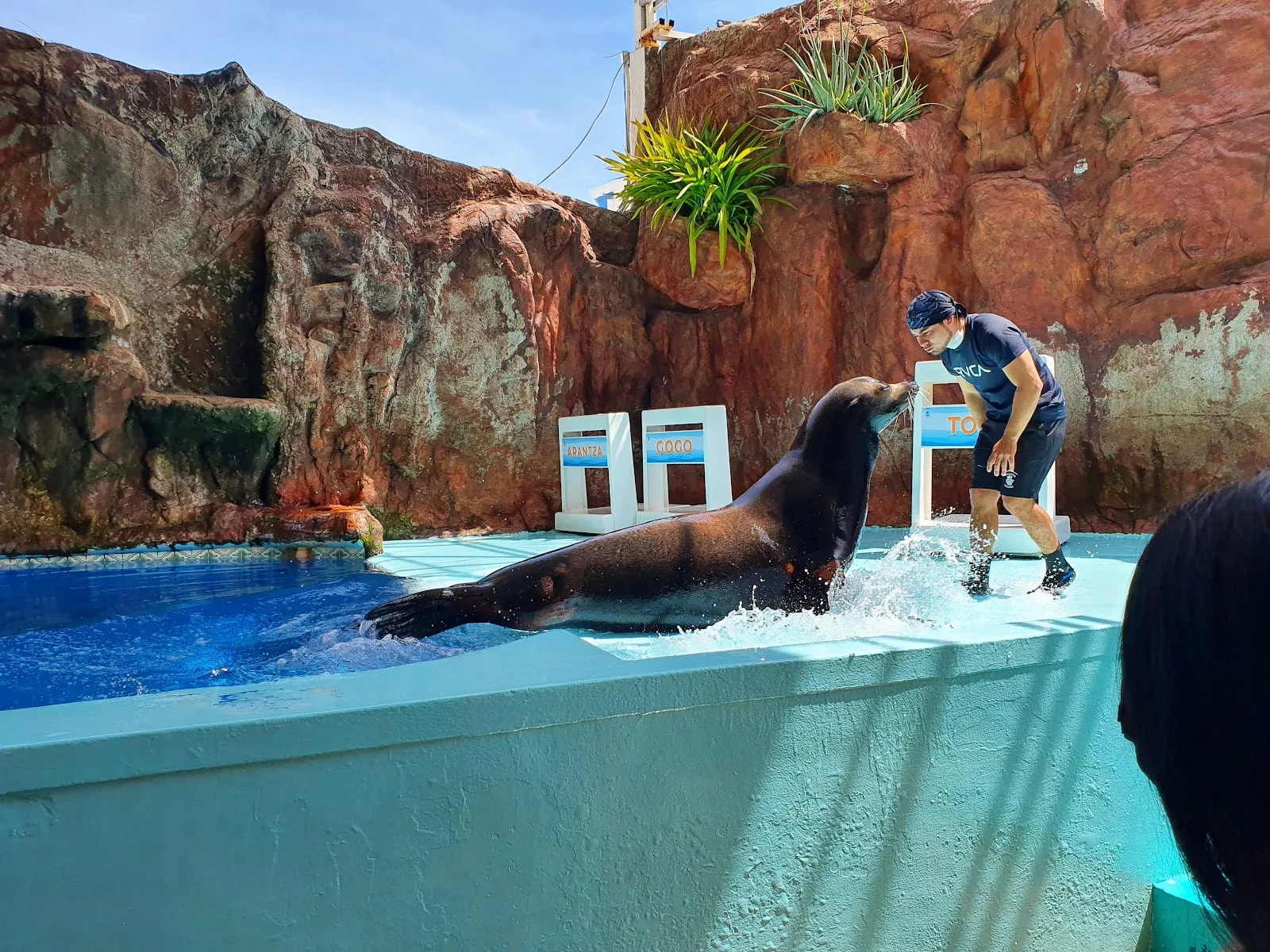
Gran Acuario Mazatlán

The tanks are large, which gives the animals room to move. Indoors you pass the jellyfish display, the shark and ray tanks, and the smaller tanks of reef fish and sea horses. At the touch area you can handle some animals after washing your hands. Puffer fish can be watched at very close range.

Outdoors, the grounds are planted and the architecture is modern. The birds, including macaws and parrots, are in the open air, and so are the capybaras. A few indoor tanks are small, and labels can be missing or wrong, so do not rely on them alone to identify species. Because the outdoor areas get hot, they are best seen first, early in the day.

Shows and animal encounters

Animal shows with sea lions, macaws and parrots are held three times a day. The sea lion show includes jumps to touch a ball and a short demonstration of training and health checks. The arena has concrete tiered seating around a small pool and platform, and it fills up, so arrive well before the start.

Several encounters are paid extras. You can feed stingrays and manta rays, feed koi, and feed the capybaras for a small amount. A paid option lets you go in with the capybaras. Photo packages are on offer, and so is scuba diving in one of the large tanks. The aquarium also does rescue work with sea lions and turtles, and the guides tell visitors about it.

Facilities and tickets

Elevators, a wheelchair accessible entrance, restrooms and parking make the site workable for visitors with reduced mobility. There is a paid parking lot, a gift shop, a playground and a cafe that serves coffee and micheladas.

Admission is on the higher side for the size of the site, and advance tickets are recommended. A year pass is sold, and it pays off for anyone who plans several visits, which locals do for the cafe and the exhibits.

FAQ

Where is Gran Acuario Mazatlán?

It is at Avenida de los Deportes 111, Colonia Tellería, in Mazatlán, Sinaloa.

How long do you need at the aquarium?

Plan on 2 to 3 hours to see the tanks, the outdoor animals and one show. Add time if you book paid encounters such as ray feeding.

Are there animal shows?

Yes. Sea lion, macaw and parrot shows are held three times a day. Sit away from the front rows if you want to stay dry.

Can you feed or touch the animals?

Yes, for a fee. You can feed stingrays, manta rays, koi and capybaras, and go in with the capybaras. A touch area is open after you wash your hands.

Is the aquarium good for children and wheelchair users?

Yes to both. It has a playground, animal shows and hands-on encounters for children. Elevators, accessible restrooms, parking and an accessible entrance serve wheelchair users.

Should you buy tickets in advance?

Advance tickets are recommended. Buying ahead also lets you plan which paid extras to add.
More must-sees in Mazatlán

Explore all