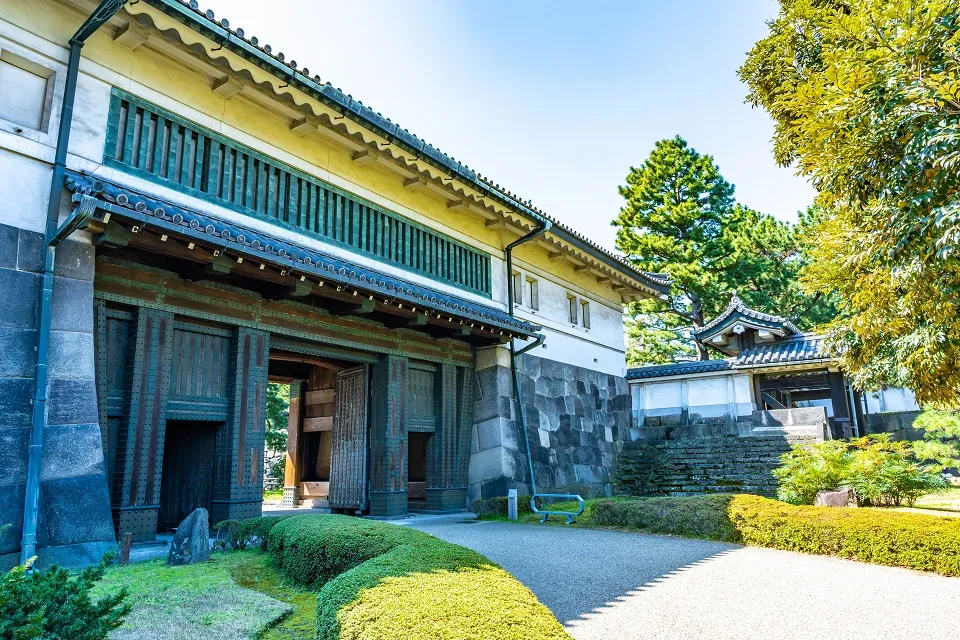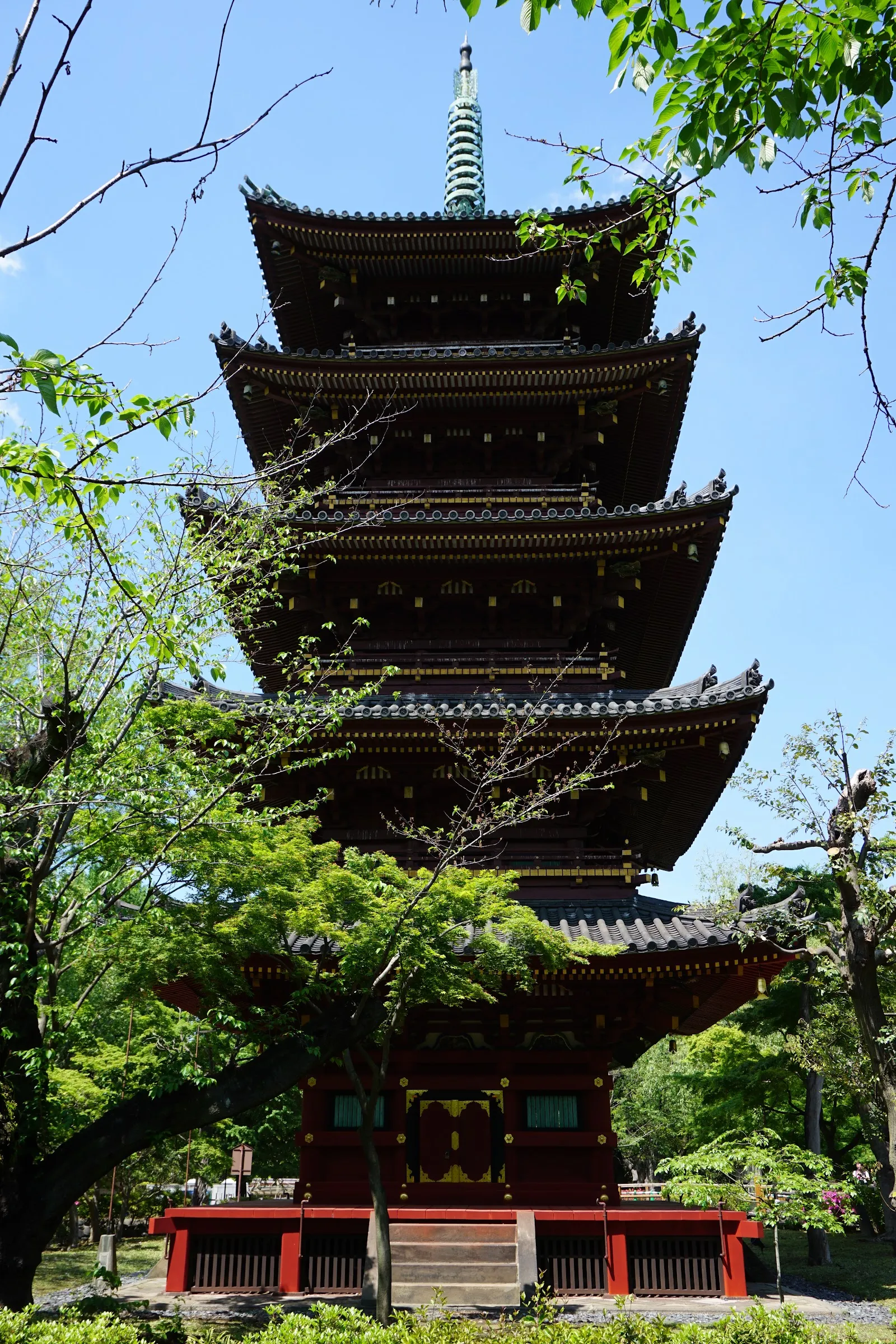
Kan’ei-ji is a Tendai Buddhist temple in Ueno, Tokyo, founded in 1625 as part of the Tokugawa shogunate’s religious landscape. Its grounds once covered much of what is now Ueno Park. Look for the carved vermilion gate, the Five-storied Pagoda and nearby Kiyomizu Kannon-do. In spring, cherry blossoms bring colour to the grounds. You can also collect a handwritten goshuin, or choose a large goshuincho for keeping temple stamps. The grounds are spread out, so allow time to explore beyond the main temple.
A temple built in Edo
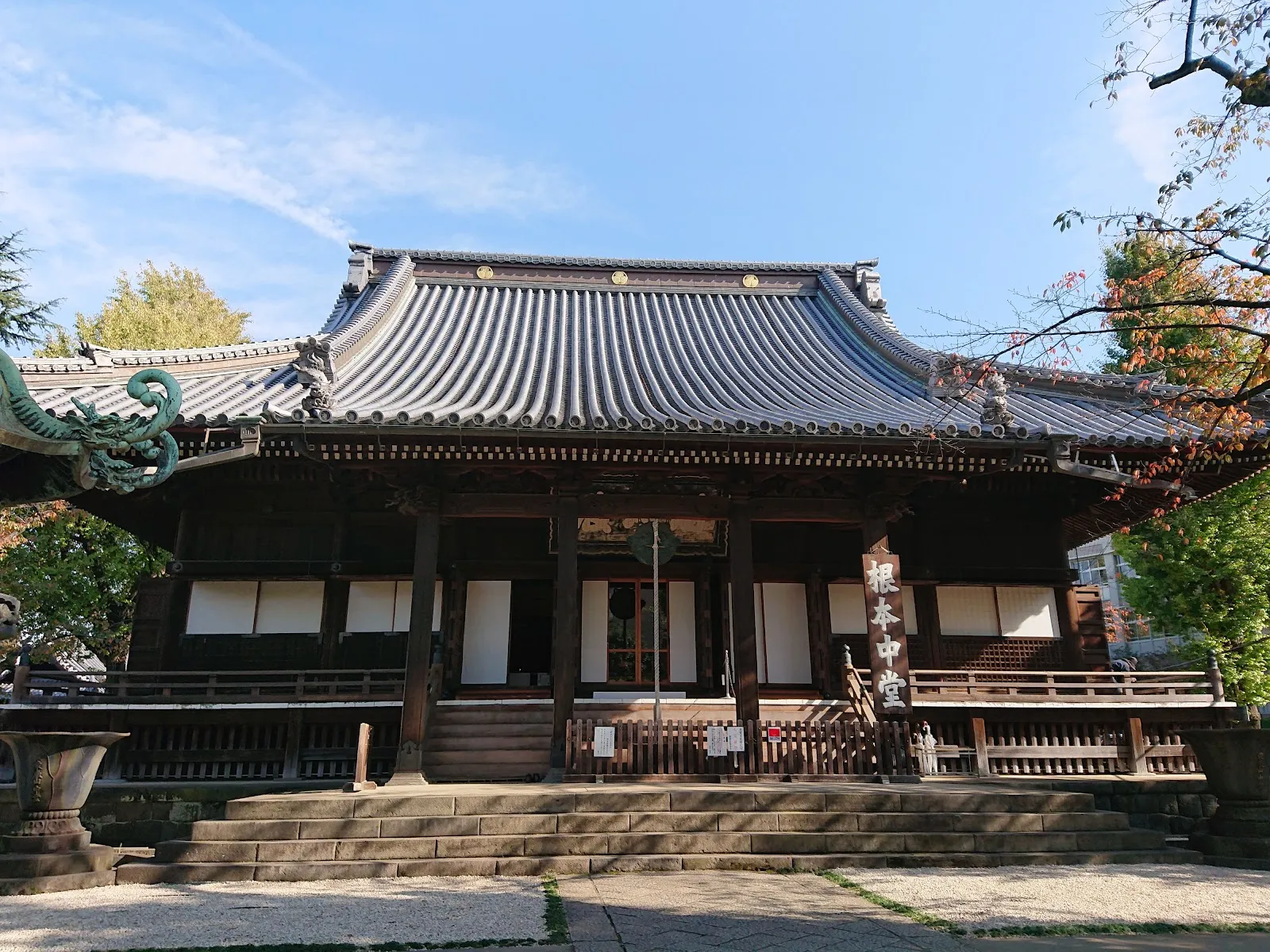
Kan’ei-ji was founded in 1625, when Tokyo was known as Edo and the Tokugawa shogunate ruled Japan. The second Tokugawa shogun, Hidetada, commissioned the priest Tenkai to build the temple on Shinobuga-oka, a hill in Ueno. Its position was intended to protect Edo Castle’s northeastern side, a direction considered unlucky, from evil spirits.
The temple complex once occupied much of the area that is now Ueno Park. Its history is closely tied to the Tokugawa family: six shoguns were buried in the temple’s cemetery, and the temple was where the troops of the last shogun made their final stand. The ornate mausoleums are private and are generally closed to the public, so plan your visit around the grounds and buildings you can see.
Buildings to look for around Ueno
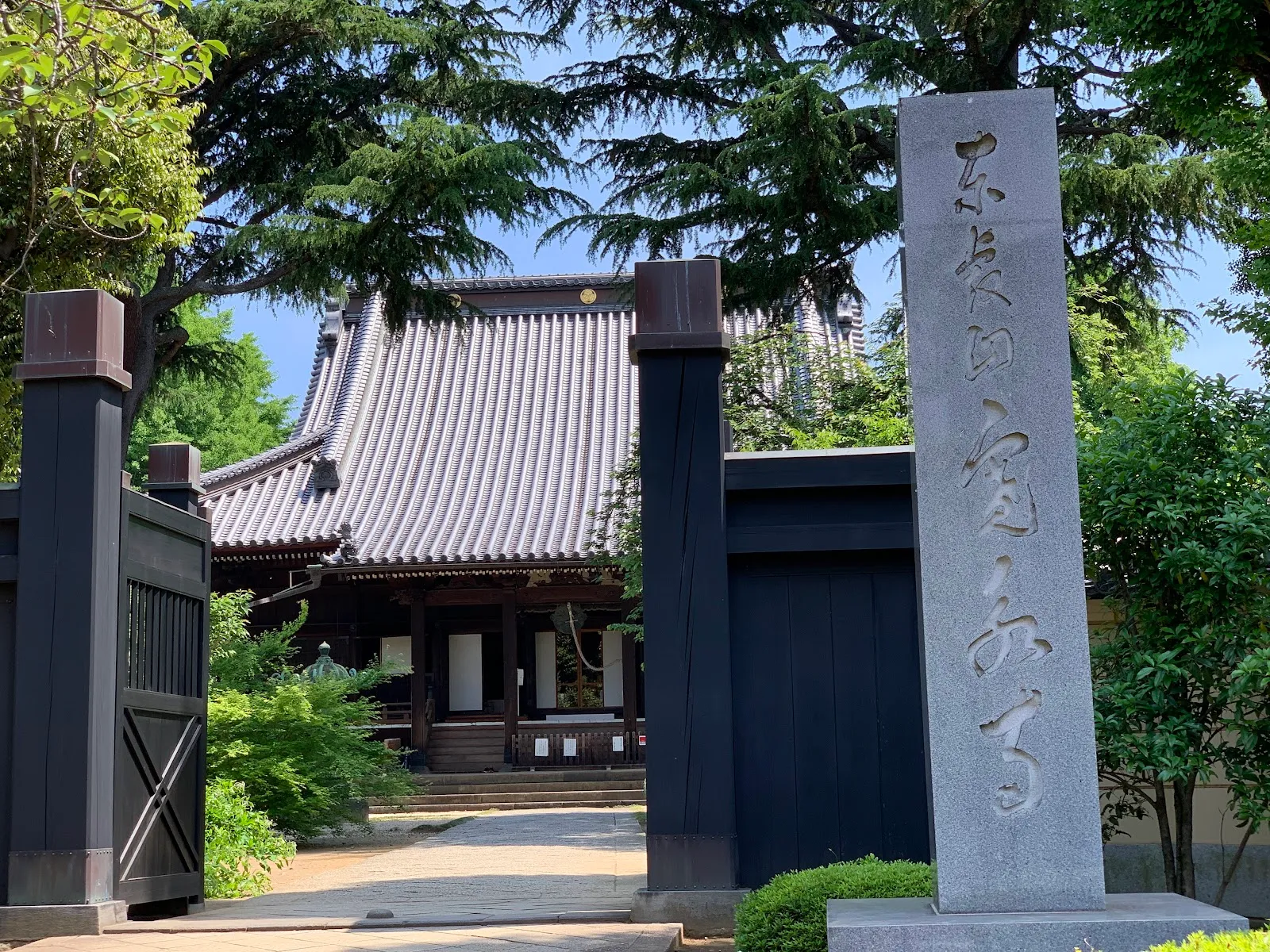
The Five-storied Pagoda is one of the temple’s best-known surviving structures. Kiyomizu Kannon-do, originally built in 1631, is part of the temple complex and takes its architectural style from Kiyomizu-dera in Kyoto. Inside are an image of Kosodate Kannon, associated with child-rearing, and a figure of Senju Kannon, the Thousand-Armed Goddess of Mercy.
Toshogu Shrine is another point of interest named among the historic sites around the temple grounds. The vermilion gate to the mausoleum of the fifth shogun, Tsunayoshi, is noted for its elaborate carving. As these sights are spread across the area, a short walk past one building may not cover everything you want to see.
Goshuin and a route through the grounds
At Kan’ei-ji, you can receive a handwritten goshuin, a temple stamp, for ¥500. A large goshuincho, the book used to collect stamps, costs ¥3,300. It is a useful option if you collect the larger two-page goshuin and want room to keep them without folding.
Kan’ei-ji can also be a starting point for a mini pilgrimage linking other shrines in Ueno Park. Set aside time to follow the route and visit the grounds’ separate points of interest. In April, cherry blossoms add seasonal colour; for a quieter-feeling visit, one account describes going in May at about 4pm without crowds.
FAQ
When was Kan’ei-ji founded?
Kan’ei-ji was founded in 1625, during the Tokugawa shogunate.
What can you see at Kan’ei-ji?
Look for the Five-storied Pagoda, Kiyomizu Kannon-do and the carved vermilion gate. Toshogu Shrine is also among the historic sites around the temple grounds.
How much does a goshuin cost at Kan’ei-ji?
A handwritten goshuin costs ¥500. A large goshuincho costs ¥3,300.
When is a good time to visit Kan’ei-ji?
April is a good time to see cherry blossoms. A visit around 4pm in May may be quieter.