
Higashiyama Zoo and Botanical Gardens sits in Higashiyama Park in Chikusa Ward, Nagoya, on about 60 hectares. One ticket covers the zoo and the botanical gardens, which are next to each other and linked by a monorail. The zoo keeps more than 500 species, including the gorilla Shabani, while the gardens hold about 7,000 plant species and a greenhouse open since 1937. The Higashiyama Sky Tower stands next to the park and gives views over the city.
The 1937 move to Higashiyama Park
The zoo took its present name and its home in Higashiyama Park in 1937. Since then it has been a family outing for people from Nagoya and visitors from further away.
The zoo has a record of breeding work. It was one of the first three zoos in Japan to breed koalas at the same time. After the Second World War, the two elephants at Higashiyama were the only elephants still alive in the country. During the war, keepers tried to save the elephants, and that story is still told today.
Inside the zoo
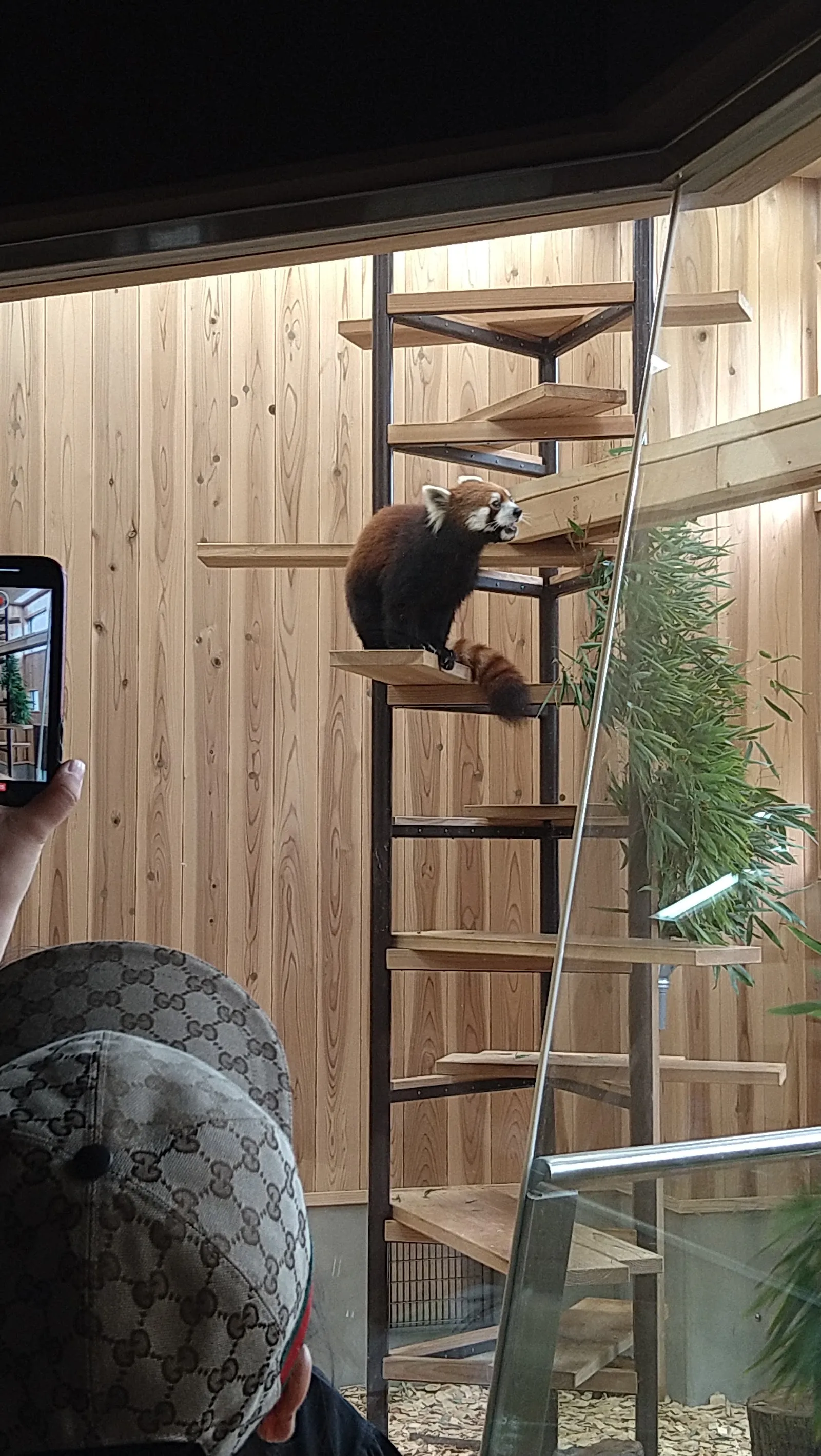
The zoo holds more than 500 species. The Asian elephant house is one of the largest in Japan. A building modelled on Sri Lanka, the home of the Asian elephant, is another of the zoo's habitat-style buildings. The koala house includes a learning facility.
The African Forest is where you find Shabani. Other animals include lions, giraffes, penguins, bears, tigers, hippos, rhinos, seals and skunks. Birds and reptiles are also well represented.
The botanical gardens
The botanical gardens hold about 7,000 plant species. The greenhouse has been open to the public since 1937 and is now designated an important cultural property. It is also where you find the Insect Hall.
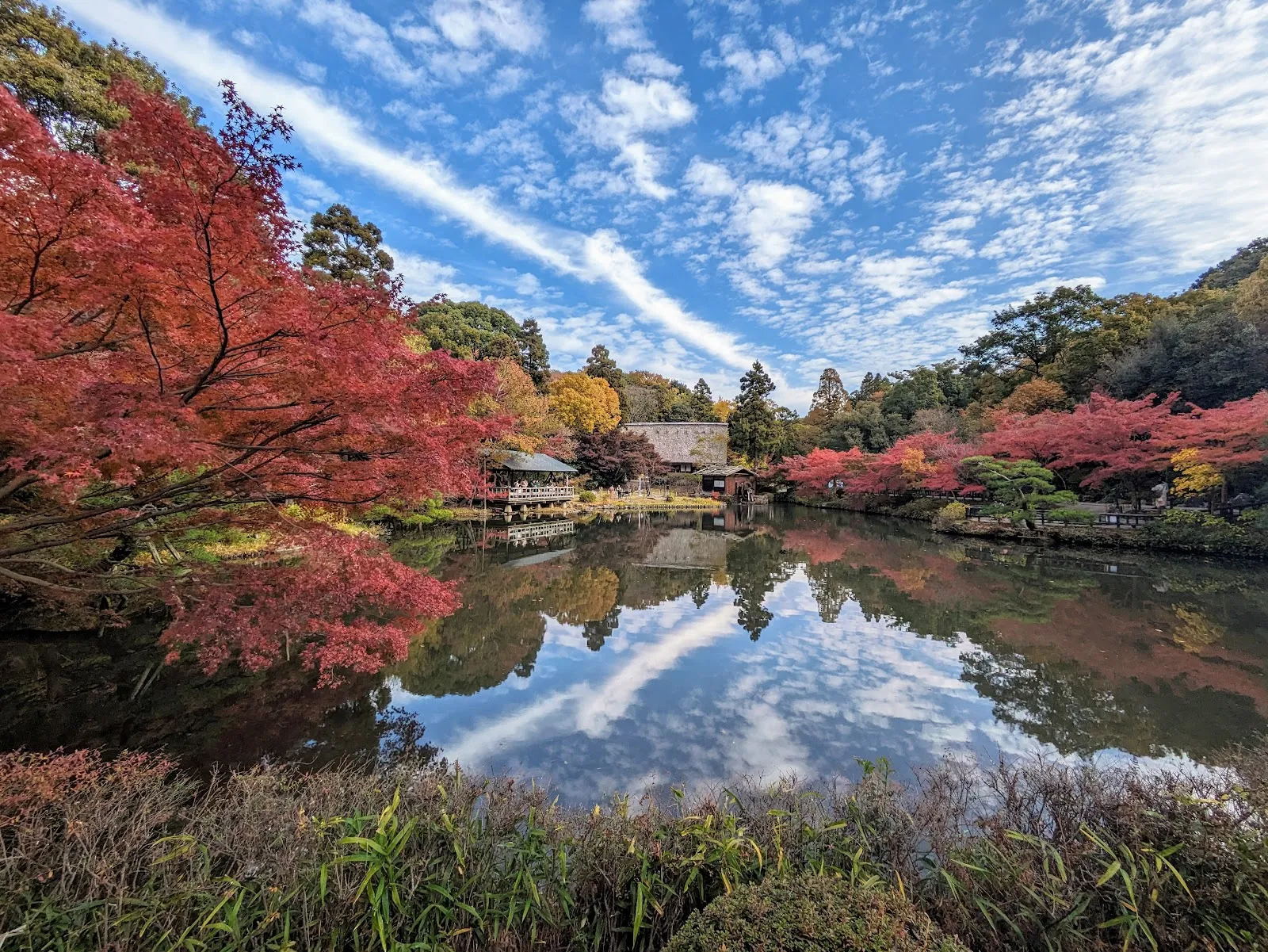
In spring, about 1,000 cherry trees of 100 varieties bloom across the grounds. The Cherry Blossom Corridor is the route to see them. Early-blooming Kawazuzakura, drooping Itozakura and yellow-green Gyoiko flower one after another. In late autumn, around 500 Japanese maples and Japanese red maples colour the park, with some of the best reflections in Nagoya on the water. Traditional Japanese ponds and a gassho-style house beside a watermill add to the garden's calm.
Sky Tower, monorail and getting there
The Higashiyama Sky Tower is 134 metres tall and offers a 360-degree view. The night view is certified as one of Japan's Top 100 Night Views. A restaurant on the top floor makes it a popular place for a meal with a view. The Sky Tower is an extra charge on top of the park ticket.
The Sky View Train is a monorail that links the main gate with the botanical garden entrance, which saves a lot of walking. To get there by subway, take the Higashiyama Line to Higashiyama Koen Station and use Exit 3. The park is about a three-minute walk from there. A one-day bus and subway pass called Donichi Eco Kippu costs 600 yen.
FAQ
Is there an entry fee?
Adults pay 500 yen for the zoo and botanical gardens on one ticket. Junior high school students and younger enter free. The Sky Tower is an extra charge, and adding it brings the total to 640 yen.
How long do you need?
Half a day to a full day covers both the zoo and the botanical gardens. Most of a day is needed if you also visit the Sky Tower.
How do you get there by subway?
Take the Higashiyama Line to Higashiyama Koen Station and use Exit 3. The park is about a three-minute walk from the exit.
Is it good for children?
Yes. The park has a playground, a small amusement park and a monorail, and the zoo suits families.


