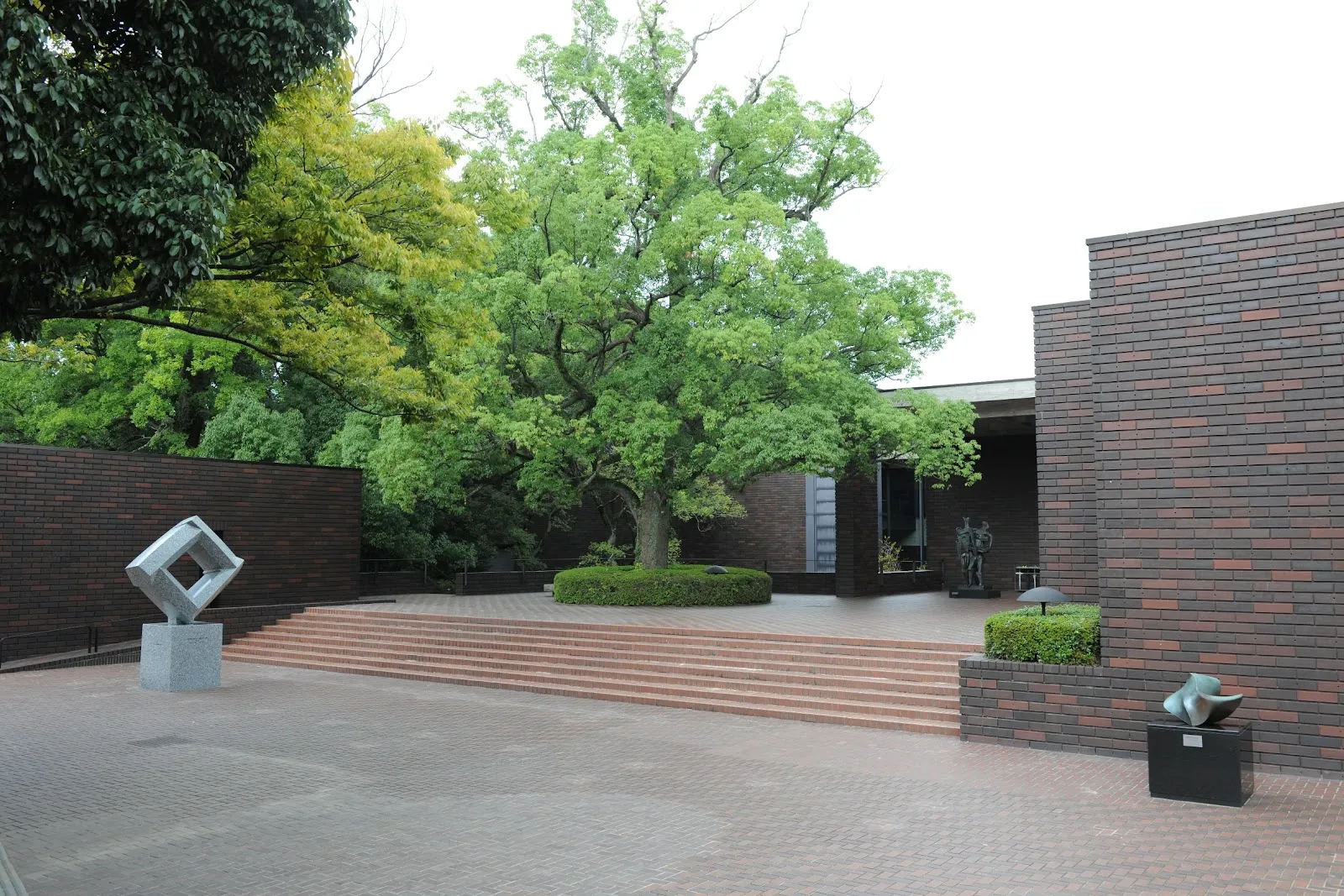
The Nagasaki Atomic Bomb Museum sits on a hill above Hypocenter Park, a short walk from Nagasaki Peace Park. It opened in 1996 and tells the story of 9 August 1945, when an atomic bomb struck Nagasaki three days after Hiroshima. The dome-shaped building holds about 1,500 objects and documents, from a clock stopped at 11:02 to photographs of the city before and after the blast. An English audio guide points out the highlights of each room.
The galleries in order
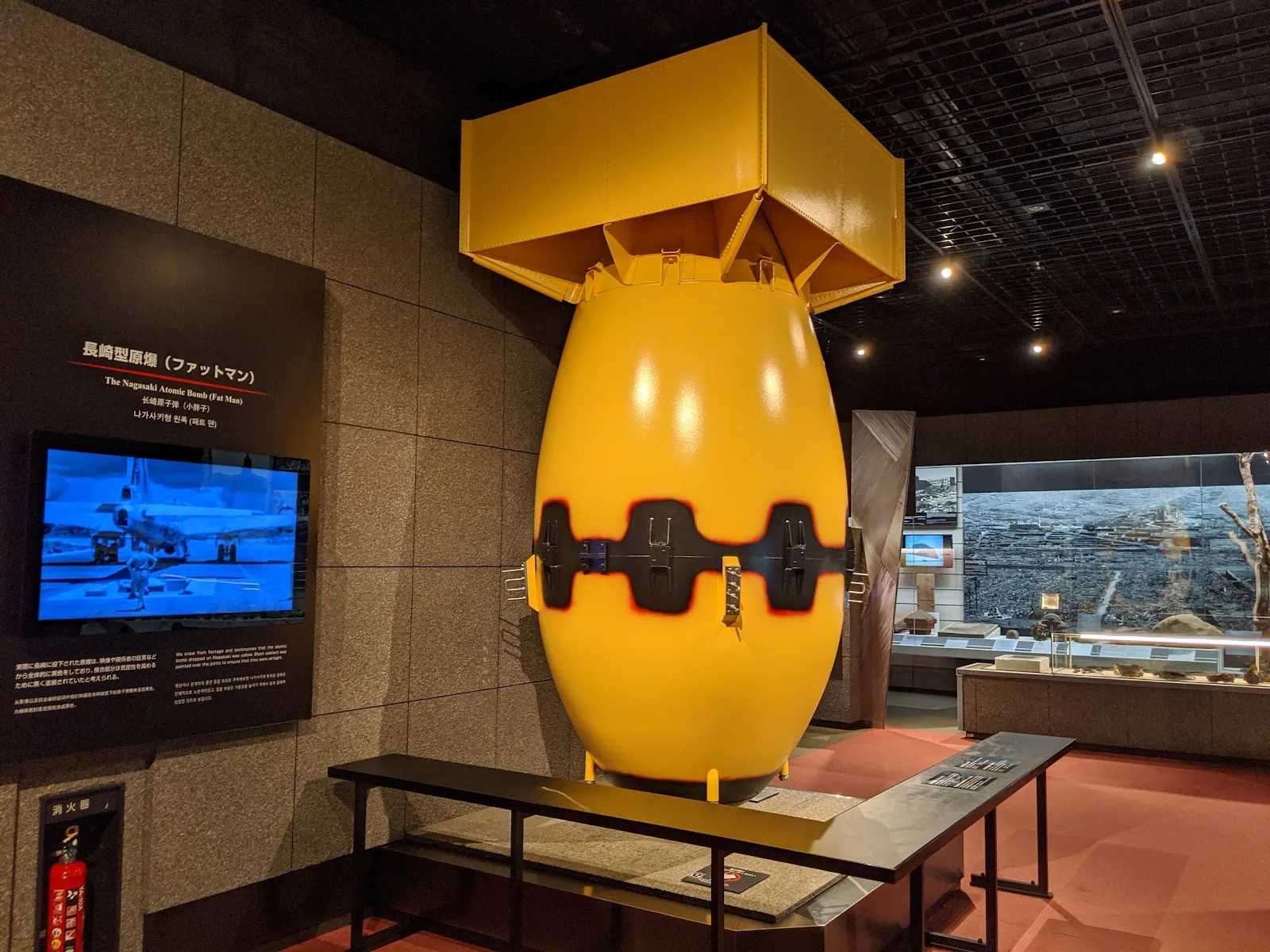
The route begins with the city before the bombing: photographs, household objects and the events that led up to 9 August 1945. The exhibits then move through the blast itself. Objects recovered from the site include mangled rocks, trees, furniture, pottery and clothing. A model of Urakami Church, which was heavily damaged in the explosion, shows the church as it was.
Footage shot immediately after the bombing is part of the displays. The basement video room has an animation with English subtitles about residents exposed to radiation, followed by a documentary on nuclear weapons testing.
Among the personal items is a blood-stained laboratory coat worn by a medical student of the time. Medical records document the results of the bombing, and survivor testimonies run through the displays alongside accounts of relief work carried out after the blast.
The route ends with an illustration of which countries hold nuclear arms, and a set of exhibits argues against nuclear proliferation.
The clock at 11:02
A wall clock, melted and blasted, stopped at the moment of the attack. It is one of the most affecting displays in the museum, because the time on its face is the minute the bomb exploded over the city.
Local residents mark the moment every morning at the Hypocenter Cenotaph, which sits between Nagasaki Peace Park and the museum. The cenotaph is the place to see the exact point of the explosion before or after your visit.
Peace Park and the memorial hall
Peace Park holds a Peace Statue and artworks donated by countries around the world, along with monuments given by cities abroad. Every year on 9 August, a Peace Memorial Ceremony is held there, and a declaration of peace is sent out to the world.
Next to the museum, the Nagasaki National Peace Memorial Hall for the Atomic Bomb Victims was built in 2003. Its names list every victim of the bombing. Most of the hall is underground, and its design uses water and light. The architecture is modern, which sets it apart from the older museum building.
Getting there and what to expect
Tram line 1 or 3 from JR Nagasaki Station brings you close to the museum, and a tram stop lies right beside it. From Hypocenter Park, the walk takes about five minutes.
The content is heavy, and the museum is best approached at an unhurried pace. The free area of the building has air conditioning, rest areas and a café, and it displays paper cranes that people have folded. It is a useful place to pause before returning to the galleries.
If you have already visited the Hiroshima Peace Memorial Museum, this one covers the Nagasaki bombing, which took place three days later.
FAQ
How do I get to the Nagasaki Atomic Bomb Museum?
Take tram line 1 or 3 from JR Nagasaki Station. A tram stop is right beside the museum, and it is about a five-minute walk from Hypocenter Park.
Is there an English guide?
English audio tours are available, and the basement video room has an animation with English subtitles.
Is the museum suitable for children?
Some exhibits are graphic and can be disturbing. The free area has air conditioning, rest areas and a café, so you can take a break there.
Where is the museum?
The address is 7-8 Hiranomachi, Nagasaki, 852-8117, Japan. It sits on a hill above Hypocenter Park.