
Kōdai-ji is a Rinzai Zen temple in Kyoto’s Higashiyama district, founded in 1606 by Nene in memory of her husband, Toyotomi Hideyoshi. Its grounds bring together pond and rock gardens, a bamboo grove, historic halls and a mausoleum associated with the couple. Follow the paths through the gardens, where autumn foliage and spring cherry blossoms are seasonal highlights. Special evening illuminations add reflections across the water and light up the trees and bamboo.
Founded in memory of Hideyoshi
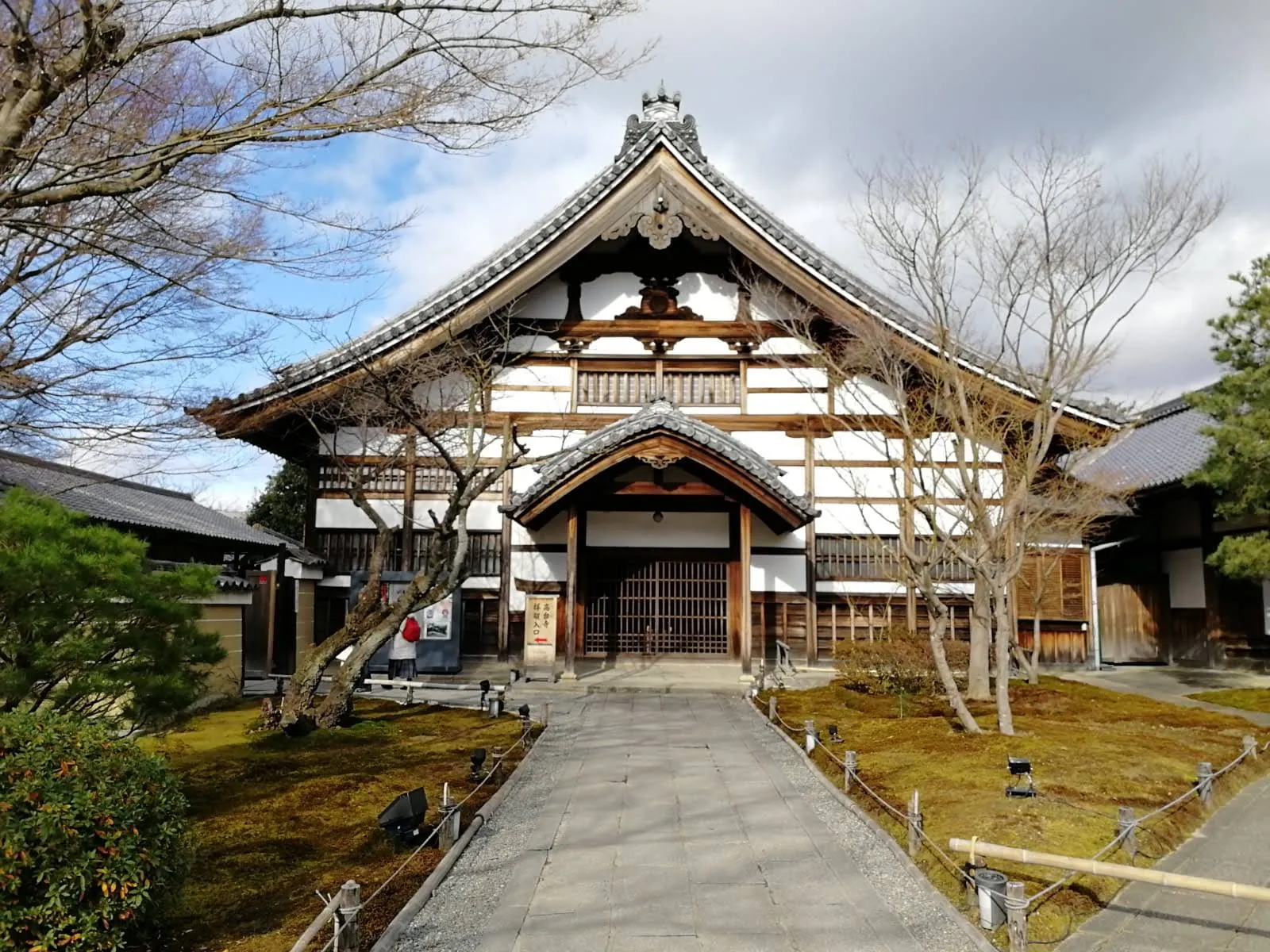
Nene established Kōdai-ji in 1606 after the death of Toyotomi Hideyoshi, her husband and a military leader who helped unify Japan. She moved from Osaka to Kyoto and became a nun. The temple was built to mourn and commemorate him, and also became Nene’s burial place. Kōdai-ji belongs to the Rinzai school of Zen Buddhism and is affiliated with the Kennin-ji branch.
The temple’s connection to Hideyoshi and Nene is present in its memorial spaces. A mausoleum contains wooden statues of the couple. Its lacquered surfaces, decorated with gold and silver, are among the notable details of the site. The main hall once had lacquer and gold decoration, but it was lost in fires.
Gardens, ponds and historic buildings
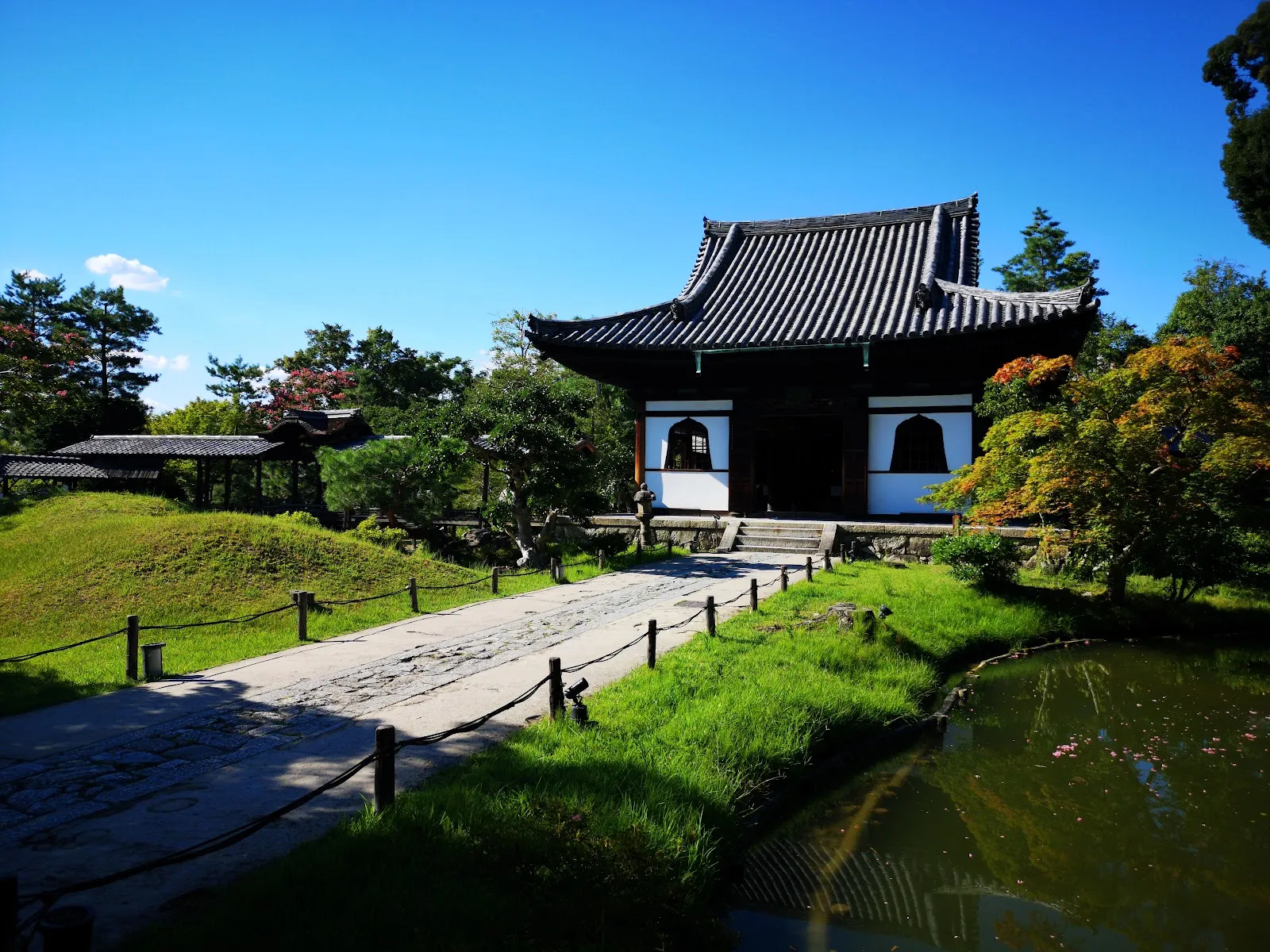
The gardens are a central part of a visit. Their design is associated with landscape architect Kobori Enshū and includes a pond garden for strolling, as well as a rock garden with raked gravel. The gravel is arranged to suggest a wide expanse of water. Paths connect the garden areas and lead past ponds, stone arrangements and historic buildings.
Garyū Pond reflects surrounding trees and structures, including buildings associated with the remains of Fushimi Castle. In autumn, foliage around the water turns red and gold; spring brings cherry blossoms, including a weeping cherry tree in the garden. The grounds also contain a bamboo grove and tea houses with thatched roofs. Take time to move between the different areas rather than viewing the garden from a single spot.
Seasonal visits and evening light
Kōdai-ji is known for special evening openings and illumination events, held at several points during the year, including cherry blossom and autumn foliage seasons. During these events, lights pick out trees, garden paths and the bamboo grove. The pond creates reflections of illuminated foliage, while a short projection-mapping display has been shown on the gravel garden. Event schedules are seasonal, so check the temple’s website before planning a night visit.
The grounds include hills, slopes and stairs as well as flatter paths. Stone steps can be slippery, especially in the evening, so walk carefully. If photography is a priority, consider how the lighting and reflections change after dark. Tea ceremonies are another possible part of a visit; plan ahead if you want to include one.
FAQ
Who founded Kōdai-ji Temple?
Nene founded the temple in 1606 in memory of her husband, Toyotomi Hideyoshi. It also became her burial place.
What can you see at Kōdai-ji?
The grounds include pond and rock gardens, a bamboo grove, historic buildings and a mausoleum containing wooden statues of Hideyoshi and Nene.
Does Kōdai-ji have evening illuminations?
The temple holds special evening openings and illumination events during seasons such as cherry blossom and autumn foliage. Check its website for current event details.


