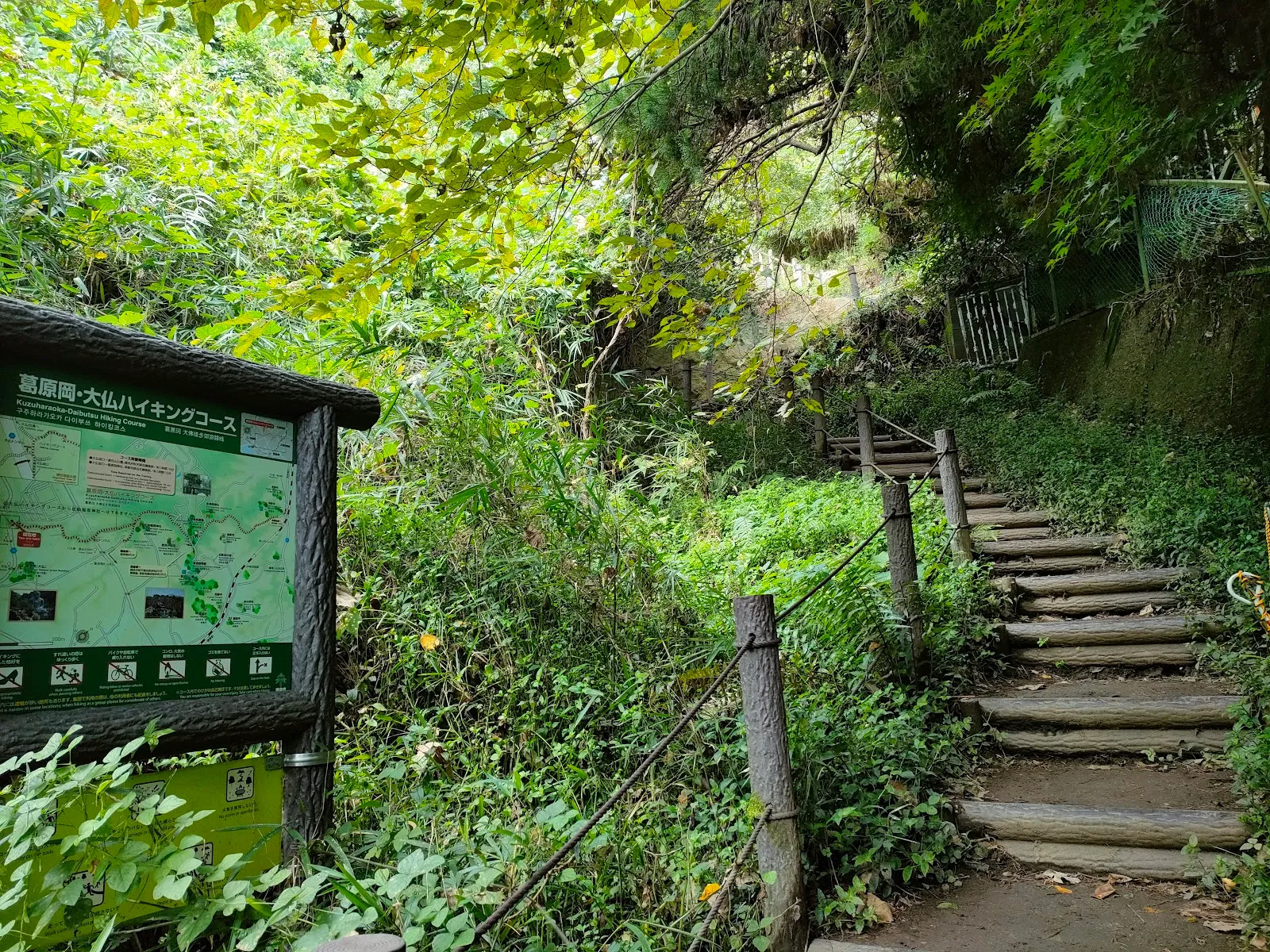
Tōkei-ji is a Rinzai Zen temple in Kita-Kamakura, known as the Divorce Temple for its history as a refuge for women leaving unhappy marriages. Founded in 1285, it has quiet garden paths, stone lanterns and a moss-covered cemetery with maple trees. The temple is a reflective stop for its history as well as its greenery. Photography is not allowed within the grounds, so plan to take in the setting without a camera.
A refuge with a long history
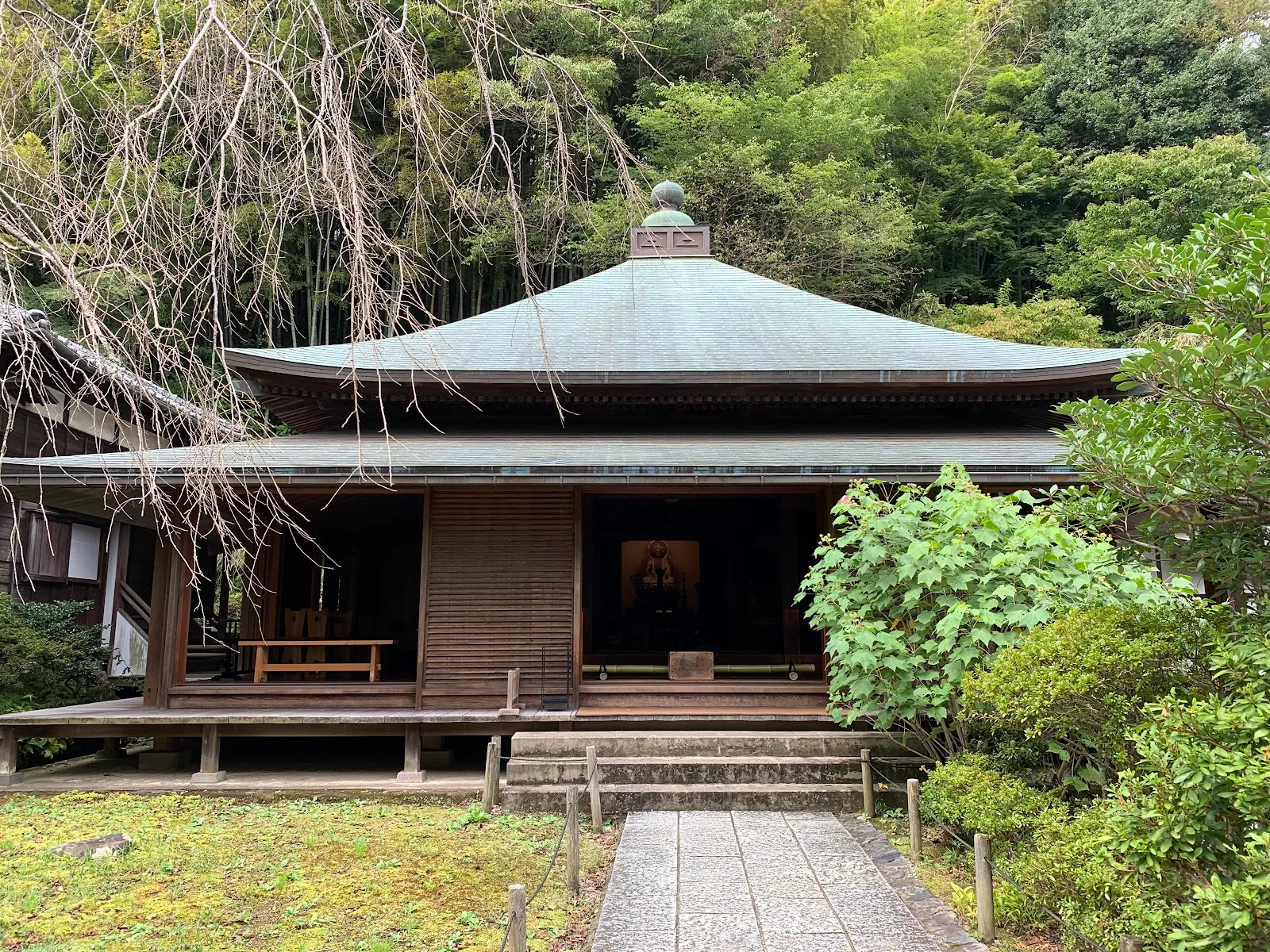
Tōkei-ji was founded in 1285 by Kakusan-ni, the widow of the Kamakura regent Hōjō Tokimune. Known as Kakekomi-dera and Enkiri-dera, it became a refuge for women trapped in unhappy or abusive marriages. At a time when women could not obtain a divorce in the same way as men, the temple provided a route to separation. Under the shogunate, a woman who stayed there for three years could be recognised as divorced.
The temple’s role as a refuge ended in 1872. Monks then took it over and established it as a Zen temple. Tōkei-ji belongs to the Rinzai school’s Engaku-ji branch and is the only surviving temple from the group of five nunneries known as Amagozan.
Temple grounds and historical exhibits
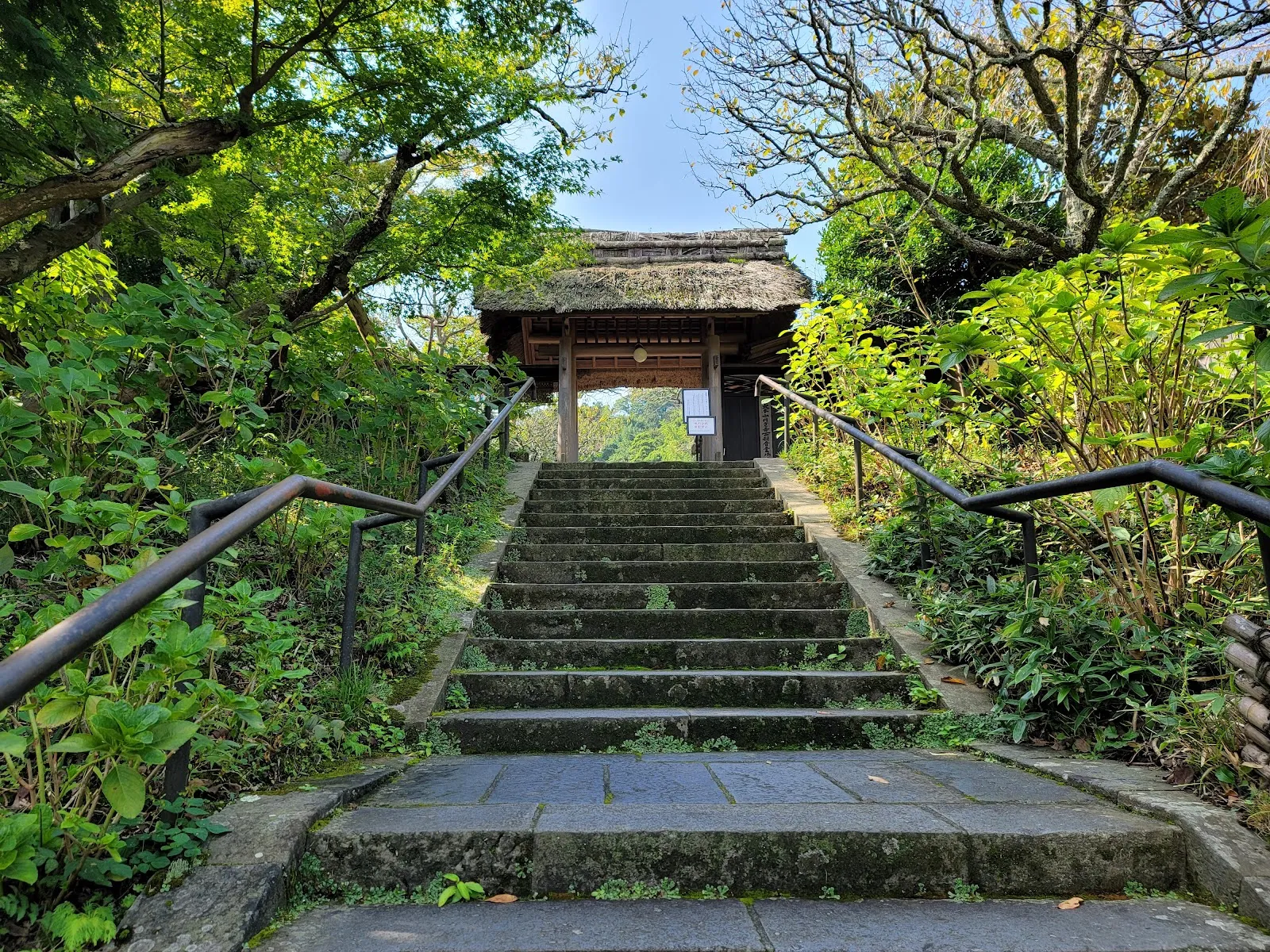
Landscaped paths pass stone lanterns and Buddha statues, with greenery around the temple and its cemetery. Moss-covered tombstones and maple trees give the cemetery a quiet character; among those buried there are the remains of philosopher Nishida Kitarō. The grounds are small, and the atmosphere calls for a quiet, respectful visit. Photography and video are prohibited within the grounds.
The Matsugaoka Treasury holds exhibits that include divorce decrees from the Edo period. From February to March, the annual Tōkei-ji Buddhist Statue Exhibition displays the statue of Suigetsu Kannon without advance reservations. The temple also has a tea house overlooking an adjoining iris garden.
FAQ
Why is Tōkei-ji called the Divorce Temple?
It served as a refuge for women who could not obtain a divorce through the usual channels. Under the shogunate, a woman who stayed there for three years could be recognised as divorced.
Can you take photos at Tōkei-ji?
No. Photography and video are prohibited within the temple grounds.
What can you see at the Matsugaoka Treasury?
Its exhibits include divorce decrees from the Edo period.
When can you see the Suigetsu Kannon statue?
The statue is shown at the annual Tōkei-ji Buddhist Statue Exhibition from February to March. No advance reservation is required.