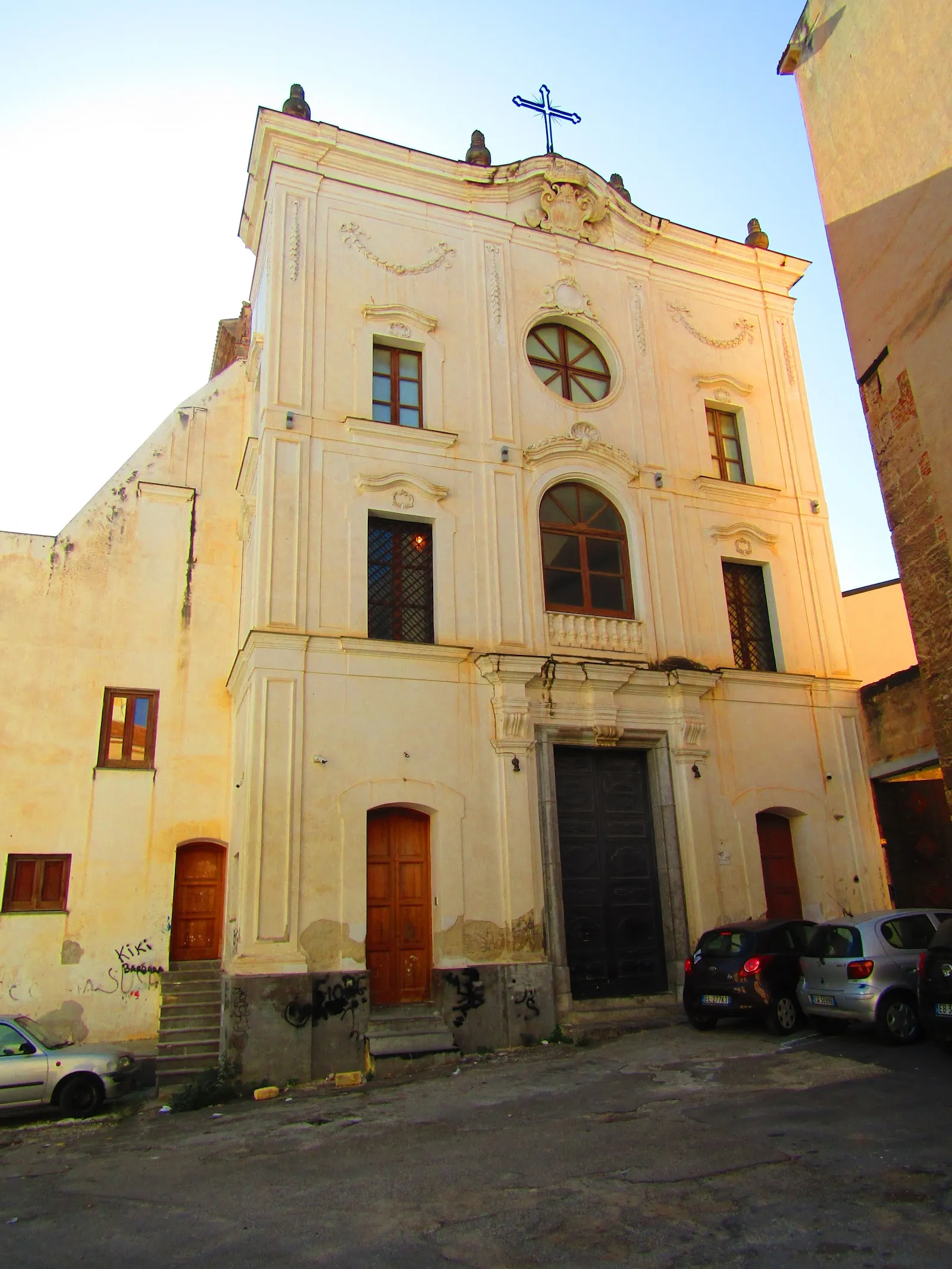
Oratorio dei Bianchi is a historic oratory at Piazzetta dei Bianchi in Palermo, founded in 1542 by La nobile compagnia dei Bianchi. Its plain exterior gives little hint of the religious artworks inside: look for detailed stuccoes by Serpotta, including pieces saved from a church demolished for the construction of Teatro Massimo, as well as sculptures and painted ceilings. A museum inside is free to visit, though the oratory has a separate admission fee of €4. Allow time to take in the decoration across the different rooms.
A company founded in 1542
La nobile compagnia dei Bianchi founded the oratory in 1542. The building was rebuilt in 1681 and enlarged in 1794. Its history is tied to the company’s work with people sentenced to death: it cared for them during the three days before their execution. On Good Friday, the company had the privilege of freeing one condemned person.
Stuccoes and religious art
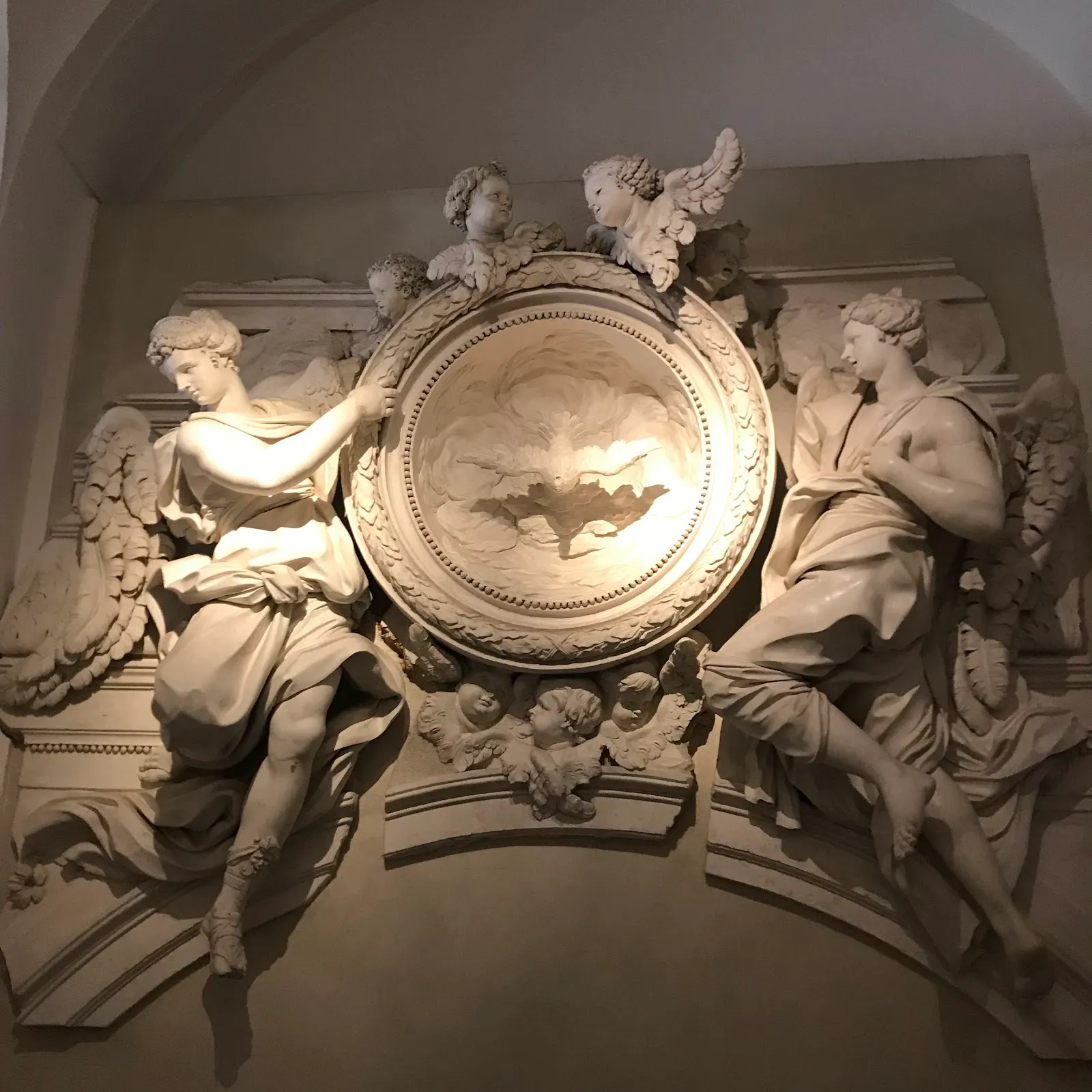
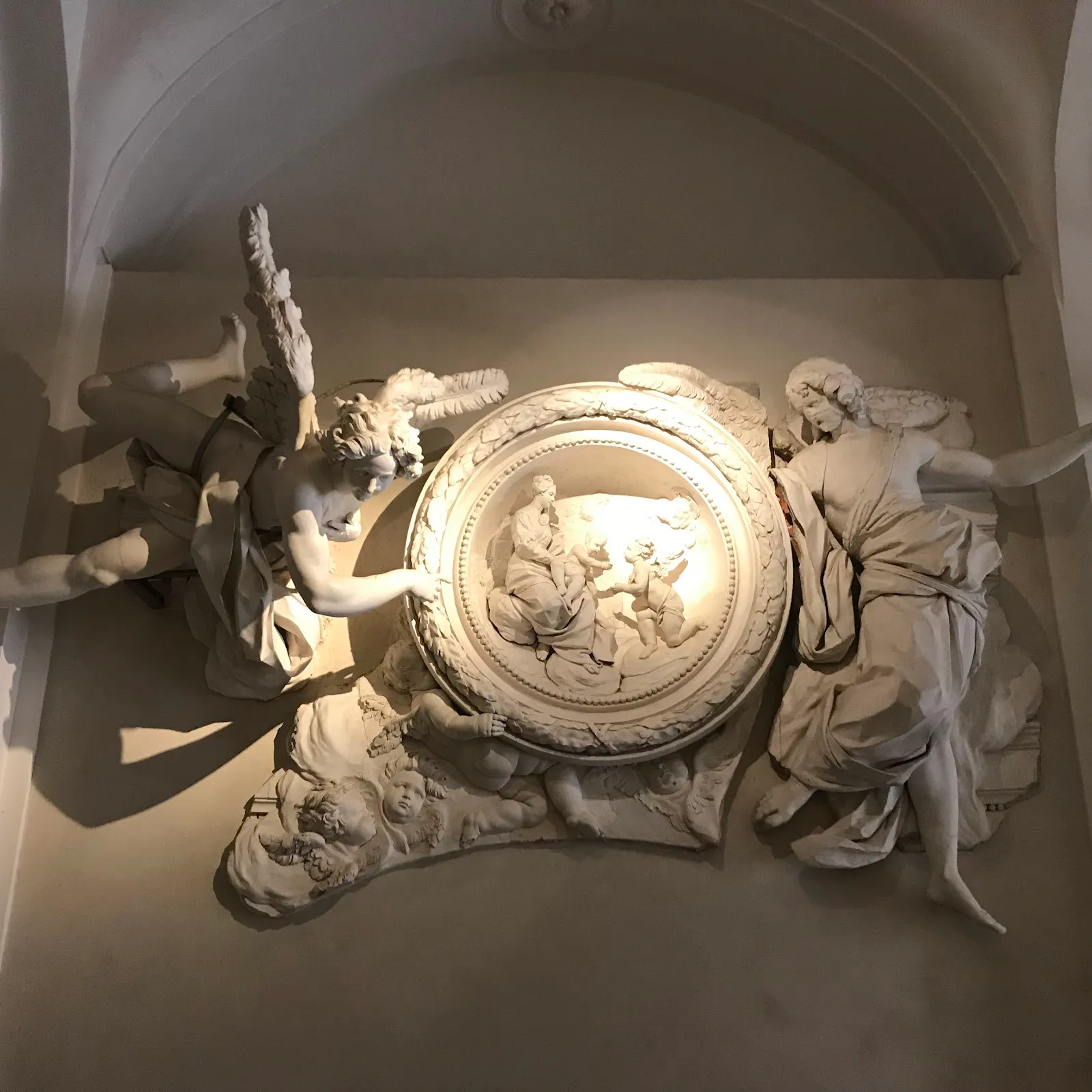
The interior holds religious artworks, including elaborate stuccoes by Serpotta. Some of these were salvaged from an older church that was demolished to make way for Teatro Massimo. The ground floor has an exhibition of Serpotta’s work, with further pieces on the main floor. Sculptures and ceiling paintings reward a slower look around the rooms. The museum inside is free to visit; admission to the oratory is listed separately at €4.
FAQ
Where is Oratorio dei Bianchi?
It is at Piazzetta dei Bianchi in Palermo, Sicily.
How much does it cost to visit?
The oratory has an admission fee of €4. The museum inside is free to visit.
What can you see inside Oratorio dei Bianchi?
The interior includes Serpotta stuccoes, religious sculptures and painted ceilings. Some of the stuccoes came from a church demolished for the construction of Teatro Massimo.
Why is the oratory associated with Good Friday?
The company that founded it had a historical role caring for condemned people in the three days before their execution. On Good Friday, it had the privilege of freeing one condemned person.