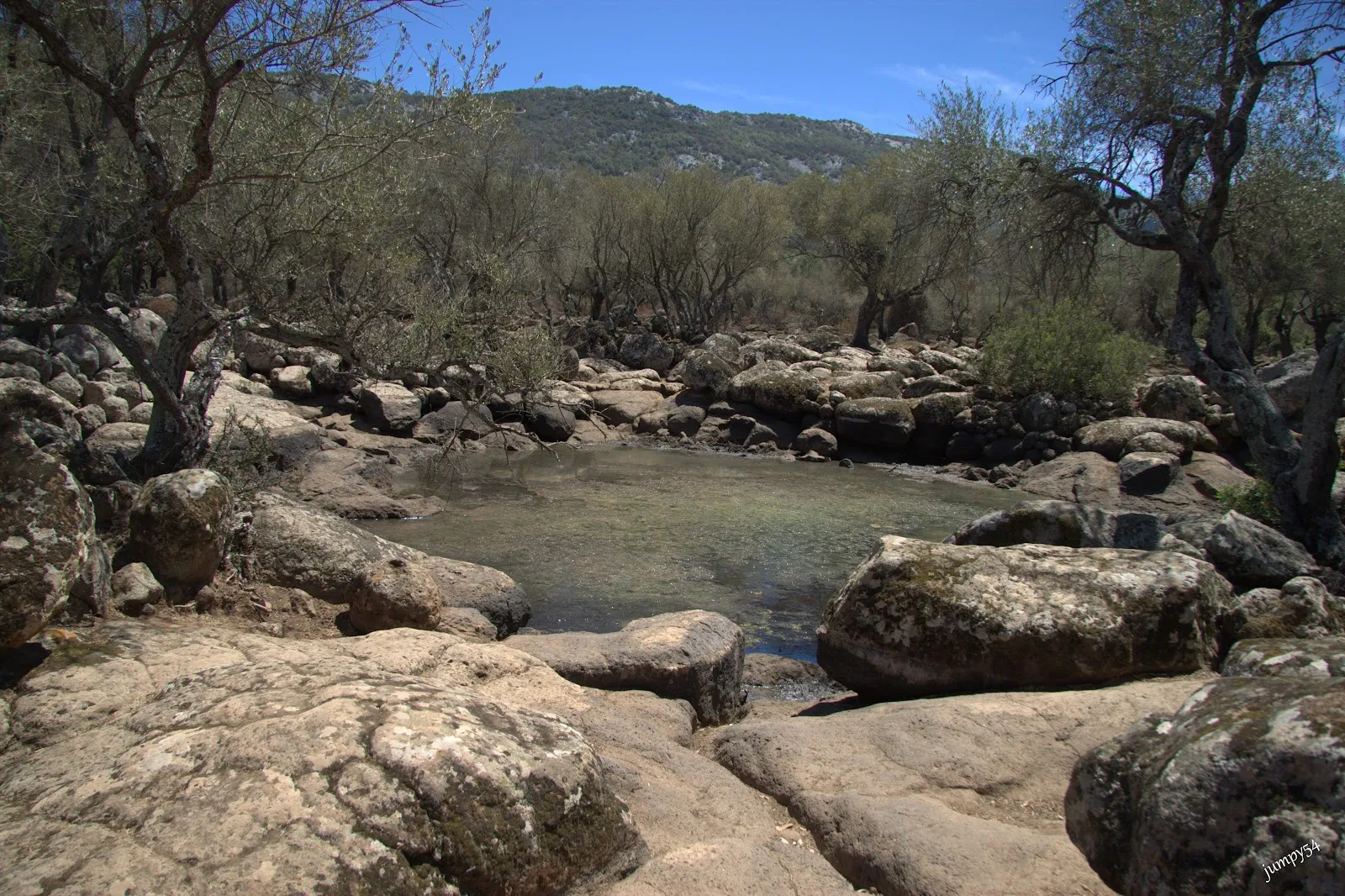
Complesso Nuragico Serra Orrios is a well-preserved Bronze Age village near Dorgali in Sardinia. Walk among stone hut foundations and olive trees, and look for ancient wells and water sources beside homes and sacred spaces. The site includes around 80 huts, two megaron temples and two megalithic burial sites. Its layout offers a glimpse of a community that lived here between the 16th and 6th centuries BC. Staff at the entrance can add historical context as you explore.
A village from the Nuragic period
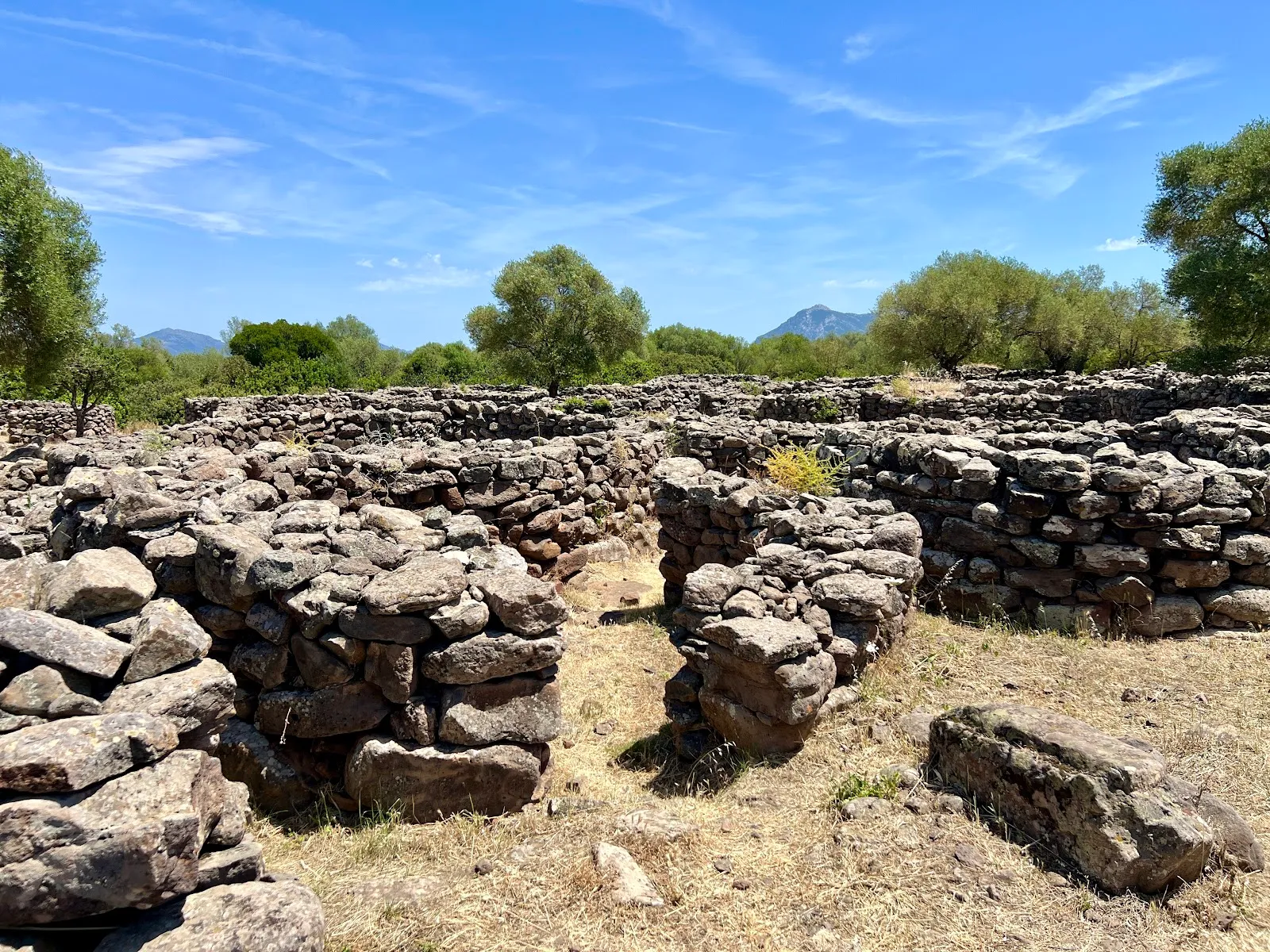
Serra Orrios is one of Sardinia’s best-preserved Nuragic villages. The community lived here between the 16th and 6th centuries BC, and the settlement gives a clear sense of its layout and daily life.
Around 80 huts stand among the remains, alongside two megaron temples and two megalithic burial sites. The stone foundations sit among olive trees, with wells and water sources near dwellings and sacred places.
What to look for as you walk
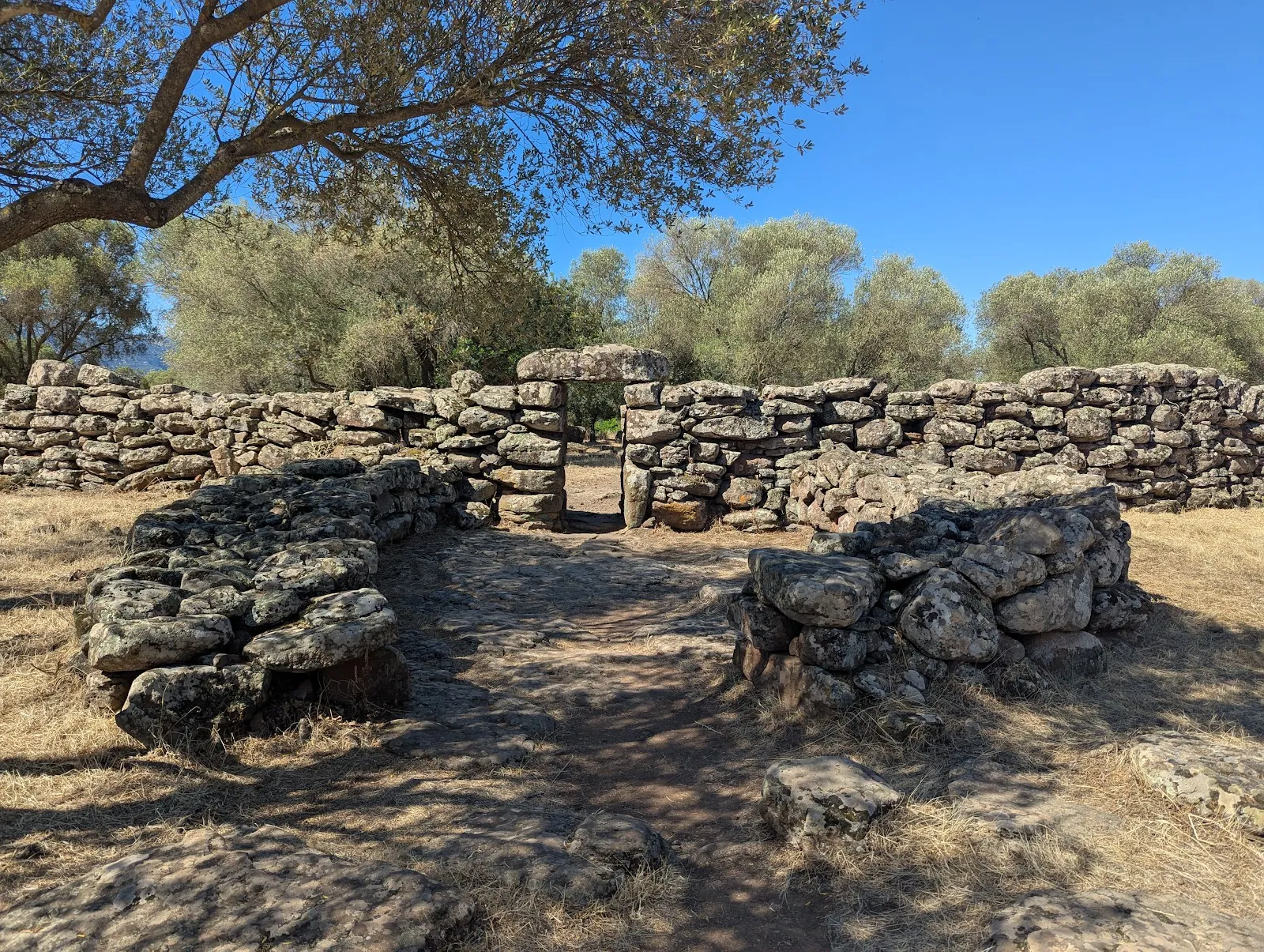
Explore the hut foundations and notice how the remains are arranged across the settlement. Ancient wells and nearby water sources are among the details to look for as you move between the homes and sacred areas.
Staff at the entrance can provide more historical context. If you want to see other Nuragic sites in the area, Neulè village and Nuraghe Arvu are nearby options.
FAQ
What can you see at Serra Orrios?
The site has around 80 huts, two megaron temples and two megalithic burial sites. You can also look for ancient wells and water sources.
How old is the Nuragic village?
The community lived at Serra Orrios between the 16th and 6th centuries BC.
Can you get historical information during a visit?
Staff at the entrance can provide additional context about the site.