Cattedrale di Santa Maria Assunta, also called the Duomo di Oristano, is the city’s principal church in Piazza Duomo. Its calm interior is the main reason to step inside: look for detailed marble work, artworks and chapels decorated in distinct styles. The cathedral combines older foundations with later Baroque and Neoclassical changes, and its restrained colours and limited gilding give the interior a quieter character than many richly decorated churches. Leave time to explore the chapels individually.
A cathedral rebuilt over time
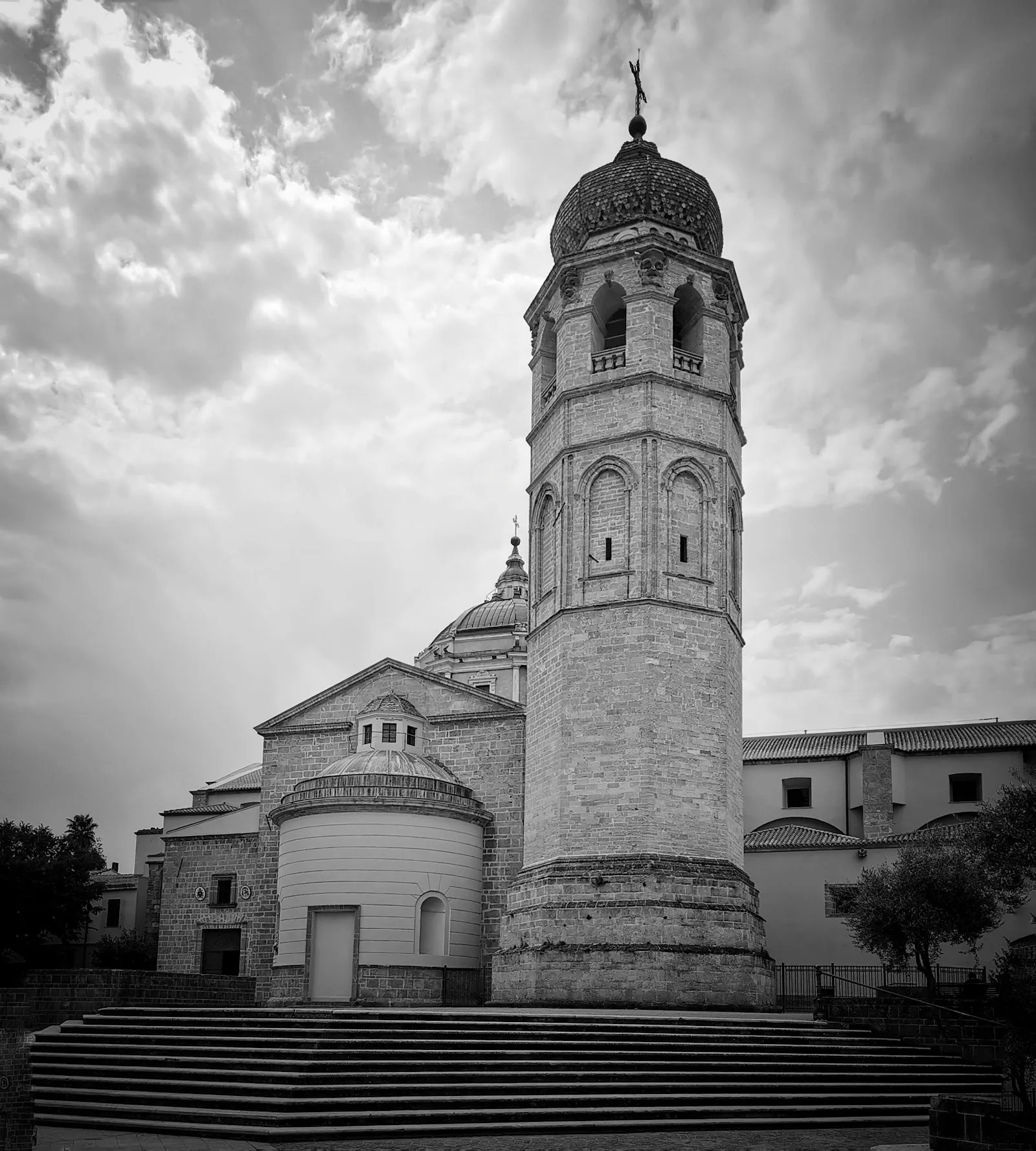
Cattedrale di Santa Maria Assunta, commonly called the Duomo di Oristano, is the city’s principal religious building and the seat of the Archdiocese of Oristano. The present cathedral reflects several periods of construction and restoration. Its foundations are described as Romanesque, while extensive rebuilding in the 18th and 19th centuries gave the building Baroque and Neoclassical elements. The result is a church whose appearance brings together different chapters of European architectural history.
The cathedral was built within an earlier structure, and material gathered about the site also mentions a Byzantine tomb beneath it. The building has been restored several times over the centuries, so a visit is less about a single, unchanged style than about noticing how its parts and decoration differ. The exterior is pleasant to see, but the interior is the stronger reason to spend time here.
Artworks, chapels and marble
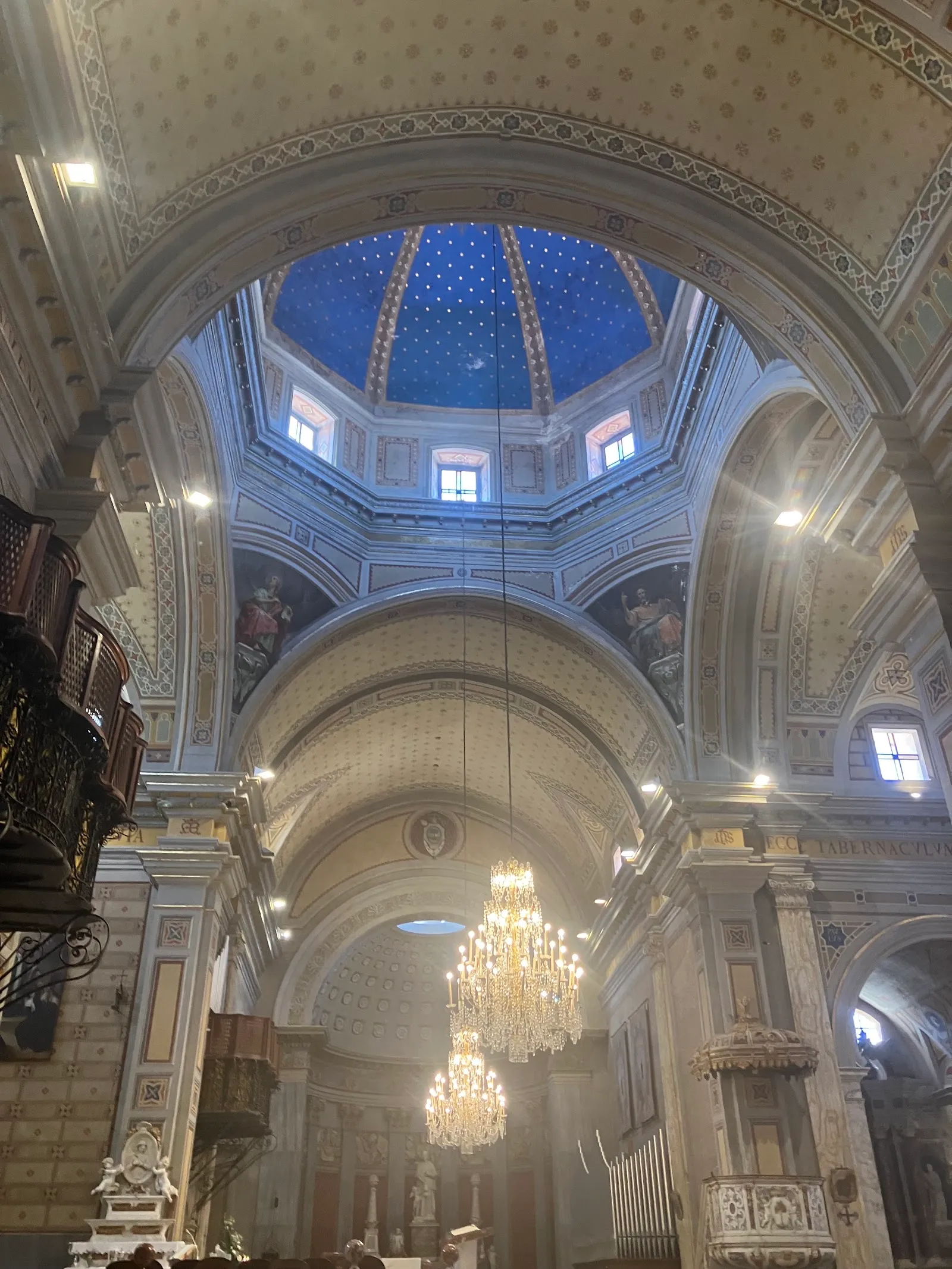
Inside, look for the marble work throughout the cathedral and the artworks displayed in its chapels. Each chapel has its own decorative character, with styles that differ from one to another. The overall effect is restrained: muted colours and limited gilding leave space to notice the craftsmanship and the individual details rather than a uniform layer of ornament.
Among the works with particular historical interest is a 14th-century marble pulpit brought from the church of Santa Giusta. The cathedral also contains several medieval paintings and a wooden statue of the Annunciation dating to the 14th century. The relics of Saint Archelaus, Oristano’s patron saint, are also kept here. Take the chapels one by one, allowing time to look closely at their decoration and the objects within them.
Planning your visit
The cathedral stands in Piazza Duomo, in central Oristano. Its entrance and restroom are wheelchair accessible, and wheelchair-accessible parking is listed at the site. The cathedral is a place of worship, so keep your visit quiet and respectful while other people are there to pray.
An early visit is a practical choice if you want a calmer atmosphere. If you would like more context about the building and its history, consider a guided tour; the gathered information recommends one but does not specify how to book or when tours run. Afterward, Piazza Eleonora d’Arborea is a nearby stop for continuing a walk through the city.
FAQ
Where is Oristano Cathedral?
It is at Piazza Duomo in Oristano.
What should I look for inside the cathedral?
Look for the marble pulpit from Santa Giusta, medieval paintings, the 14th-century wooden Annunciation statue and chapels with different decorations.
Is the cathedral accessible for wheelchair users?
The entrance and restroom are wheelchair accessible, and wheelchair-accessible parking is listed.