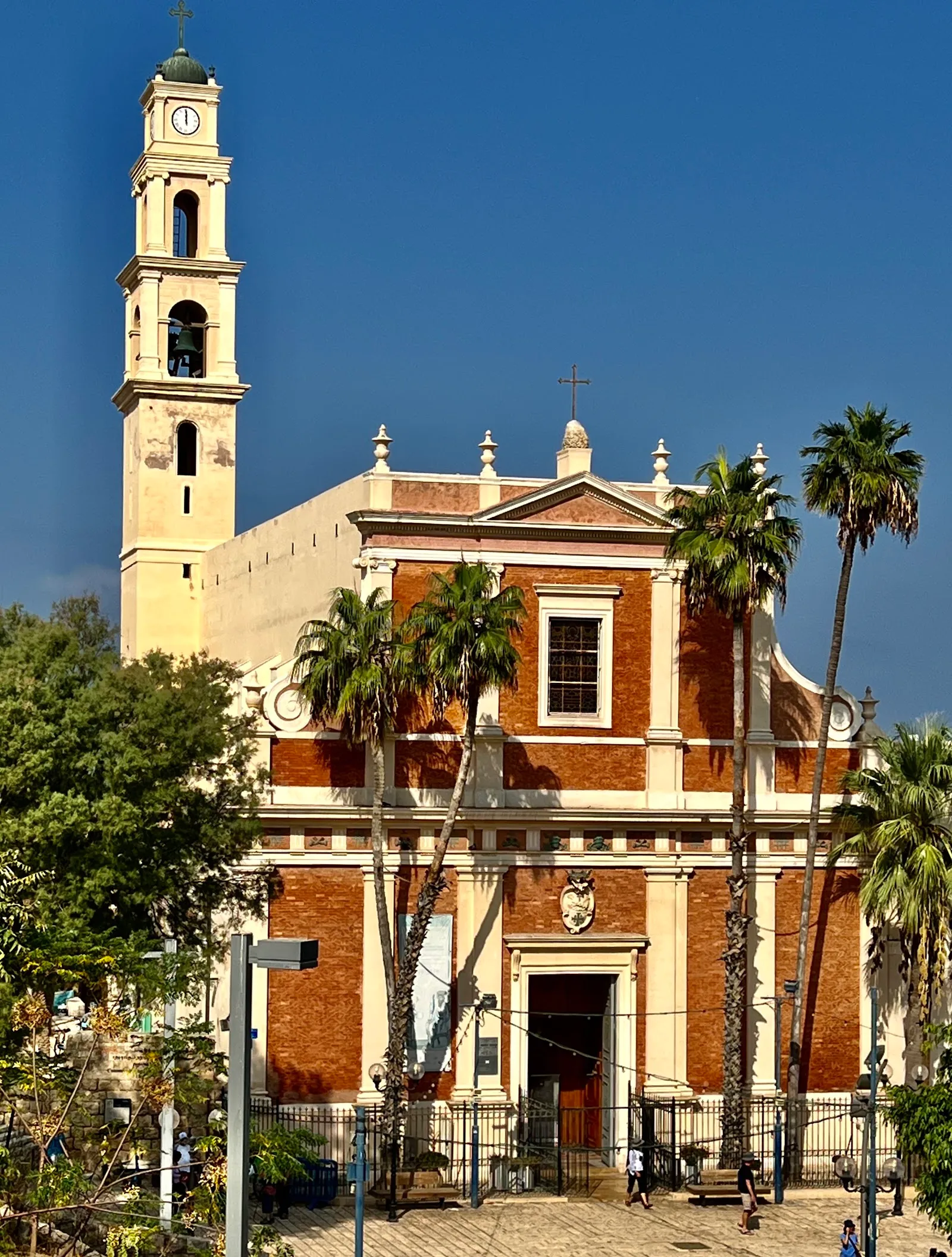
HaBima Square is a public cultural plaza in central Tel Aviv, at the end of Rothschild Boulevard. Its garden has flowers, trees, a shallow reflecting pool, sculptures and benches, with recorded classical music audible near the seating. The surrounding institutions include the Habima Theatre, Charles Bronfman Auditorium and Helena Rubinstein Pavilion for Contemporary Art. Stop to rest among the greenery, then visit an exhibition or performance if one is on your itinerary. Cafés and restaurants around the square make it easy to pause for a drink or meal.
A cultural centre planned for Tel Aviv
HaBima Square was intended to form part of Tel Aviv’s cultural centre. In the city plan drawn up by Patrick Geddes in the late 1920s, this area was envisioned as a modern counterpart to an ancient cultural gathering place. The HaBima Theatre’s cornerstone was laid here in 1935, followed by the auditorium now known as Charles Bronfman Auditorium.
The square takes its name from the national theatre. HaBima was established in Moscow in 1918 before moving to Tel Aviv, and is known as the world’s first Hebrew-language theatre. Its programme includes modern interpretations of classic works as well as contemporary productions.
Theatre, music and contemporary art
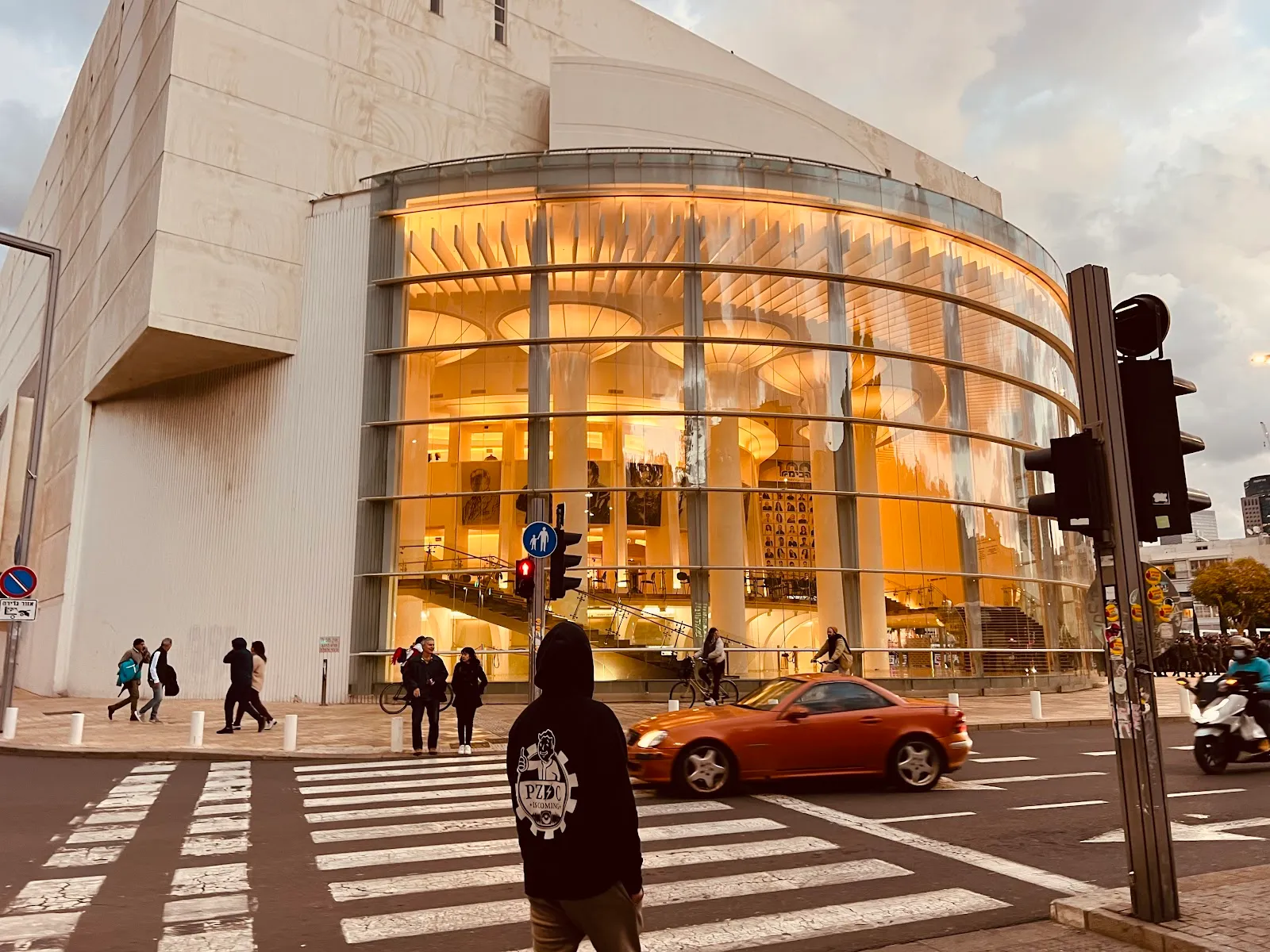
The plaza brings several cultural institutions together. The HaBima Theatre stands alongside Charles Bronfman Auditorium, home of the Israel Philharmonic Orchestra, and the Helena Rubinstein Pavilion for Contemporary Art. Their presence gives the open square a distinctly cultural character, whether you come for a scheduled event or simply walk through between neighbourhoods.
The surrounding buildings are associated with the International Style. The square was extensively renovated in 2007, and the theatre underwent restoration beginning in 2009. The garden and open areas sit between the cultural buildings, so a visit can combine time outdoors with a performance or an art exhibition.
The garden and its details
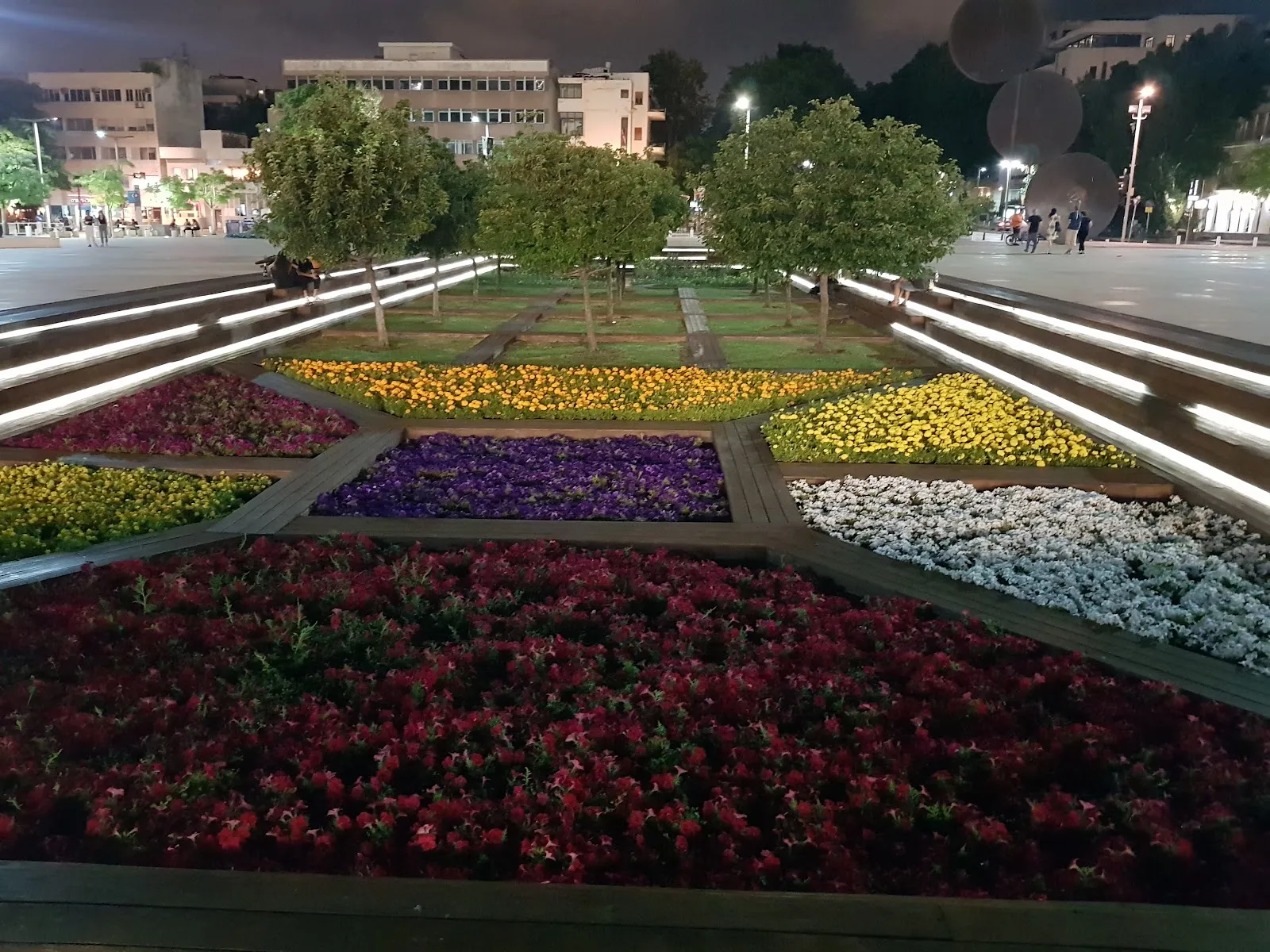
The central garden includes a colourful flower bed, a sunken garden, a reflecting pool and an artificial-grass hill. Sculptures and raised walkways add details to explore as you cross the plaza. Wooden benches provide a place to sit among the flowers and trees.
Recordings of classical music play through speakers near the garden seating. The sound is quiet beyond that area, so it is easiest to hear when you sit closer to the benches. Families use the open space for children to play, while others come to read, rest or meet friends. Cafés and restaurants border the square.
FAQ
What cultural venues are at HaBima Square?
The square is home to the HaBima Theatre, Charles Bronfman Auditorium and Helena Rubinstein Pavilion for Contemporary Art.
Can you hear music in the garden?
Recorded classical music plays through speakers near the garden seating. It is not audible across the whole square.
Is HaBima Square suitable for children?
The open area and garden give children room to play, and the square has a playground.
When is the square busiest?
Saturday is a popular time for locals to gather, walk and spend time in the square.