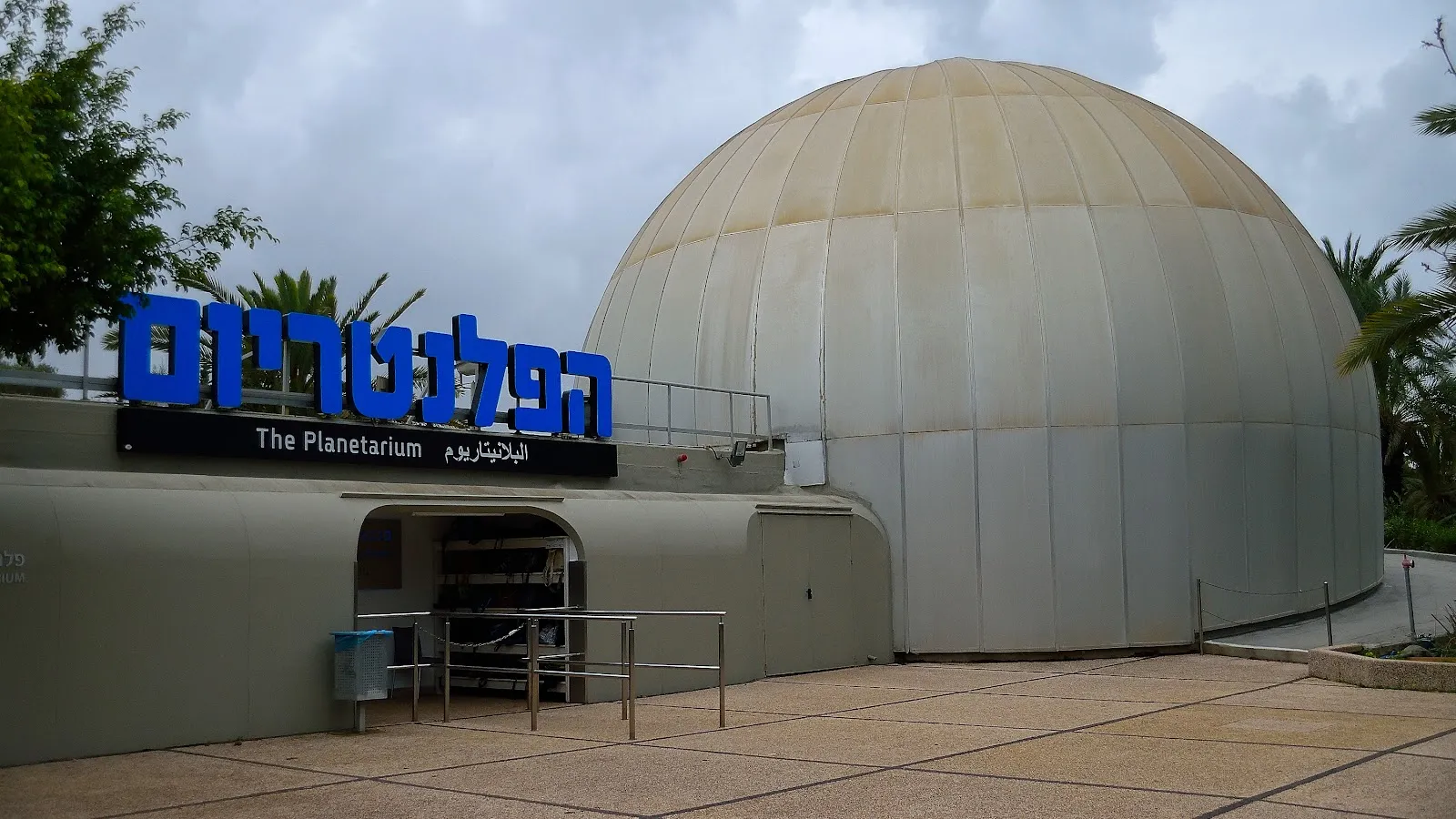
The Eretz Israel Museum in Ramat Aviv, northern Tel Aviv, spreads its collections across indoor pavilions and open-air grounds. Each pavilion focuses on a subject such as glass, ceramics, coins or postal history, bringing archaeology, crafts and local culture into view. Start with the renovated glass pavilion, then continue to ceramics and the numismatic collection. The grounds also include Tel Qasile, an archaeological site dating to the 12th century BCE, and a planetarium. Allow plenty of time to explore the separate buildings and exhibitions.
A museum spread across pavilions
The Eretz Israel Museum is in Ramat Aviv, in northern Tel Aviv. Rather than occupying one exhibition building, it is arranged across pavilions and outdoor areas. The collections span archaeology, ethnography, folklore, traditional crafts and local history, with individual buildings devoted to particular subjects.
That layout makes it easy to follow your interests. The Kadman Numismatic Pavilion focuses on coins, while the Alexander Museum of Postal History and Philately covers the history of mail and stamp collecting. Other pavilions explore ceramics, glass and the ways people worked with materials. Exhibitions mix historical objects with contemporary art and design, including work concerned with modern life and consumerism.
Glass, ceramics and coins
The glass pavilion is a useful first stop. Its exterior gives little indication of the renovated interior, where glass objects are displayed. From there, continue to the ceramics pavilion and the coin collection. The latter is especially suited to visitors curious about numismatics and the history behind currency.
The pavilion format means the museum is best approached as a series of distinct collections, not as one continuous gallery route. Some exhibitions may be closed during renovation, and the number of objects and accompanying text can take time to work through. Check the current exhibition information before setting out if a particular pavilion or display is central to your plans.
Tel Qasile and the open-air grounds
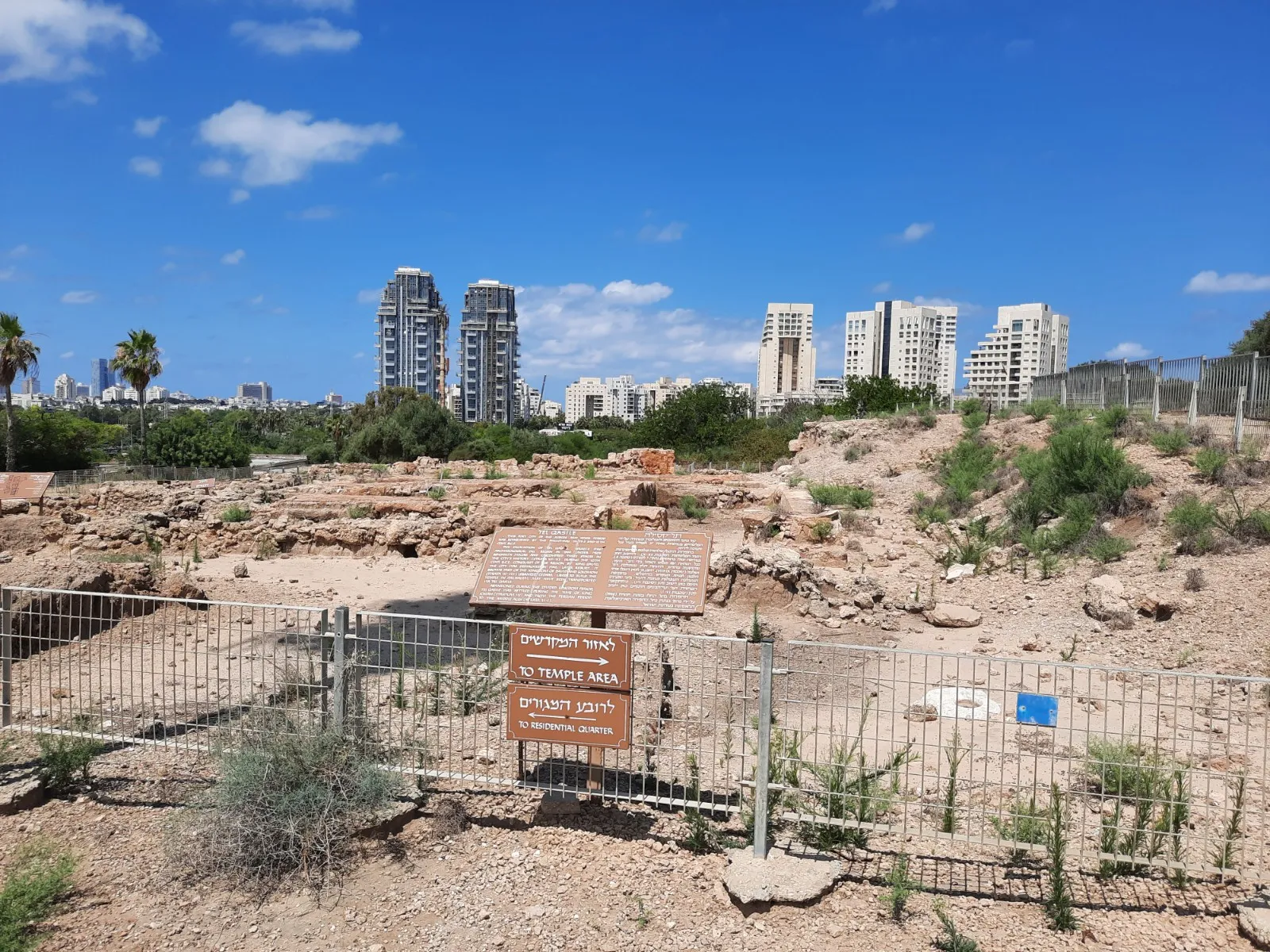
At the centre of the museum grounds is Tel Qasile, an archaeological mound dating to the 12th century BCE. Excavations have identified 12 settlement layers there. The site gives the museum an outdoor archaeological element alongside its indoor displays, and the wider grounds include installations and a planetarium.
The park can also be visited without entering the museum. If you want to see the collections as well as walk around the grounds, plan for a longer visit; the separate pavilions are spread across the site. The museum’s open-air setting gives you room to move between exhibitions rather than spending the entire visit inside one building.
Visiting with children
Children’s workshops are held during festivals. Places should be registered for in advance, so check the museum’s event information before travelling if a workshop is part of your plan. The grounds and the variety of subjects across the pavilions also give families several ways to shape a visit, from archaeological remains to displays of crafts and everyday objects.
Parking can be difficult at times, so public transport is worth considering. The museum has a restaurant on site, and the outdoor grounds can be visited independently of the exhibitions.
FAQ
Where is the Eretz Israel Museum?
It is at Chaim Levanon St 2 in the Ramat Aviv area of northern Tel Aviv.
What can you see at the Eretz Israel Museum?
Its pavilions cover subjects including glass, ceramics, coins and postal history. The grounds also contain Tel Qasile, an archaeological site dating to the 12th century BCE.
How long should you spend at the museum?
Allow half a day to a full day to explore the separate pavilions and outdoor grounds.
Are there activities for children?
Children’s workshops take place during festivals. Advance registration is recommended.