Mumtaz Mahal is a palace inside Delhi’s Red Fort, one of six royal residences once facing the Yamuna River. Its white marble lower walls, surviving arches and traces of painted decoration offer a close look at Mughal design. The palace was part of the women’s quarters and later became a military prison under British rule. Today, displays in the Red Fort include historical objects such as clothing, weapons and paintings. Allow time to explore the fort around it, as well as the palace itself.
A palace within the Red Fort
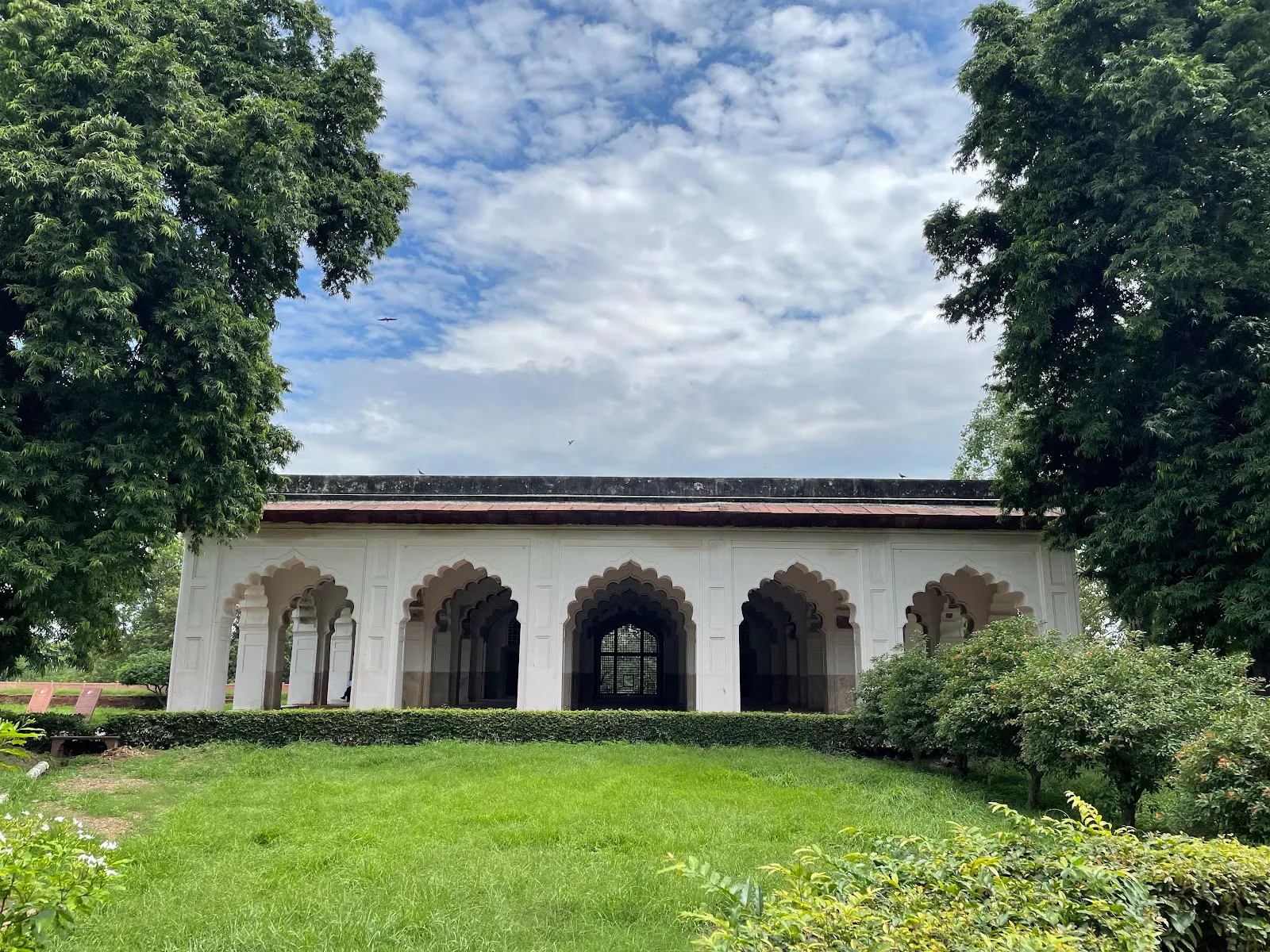
Mumtaz Mahal stands within the Red Fort in Old Delhi. It was one of six main palaces arranged along the Yamuna River, and the royal residences were linked by the Nahr-i-Bihisht, or Stream of Paradise. This water channel ran through the palaces and connected the private apartments.
The building formed part of the imperial women’s quarters during Shah Jahan’s reign. Its name recalls Mumtaz Mahal, the emperor’s wife, for whom he commissioned the Taj Mahal in Agra. The palace therefore connects the Red Fort’s domestic spaces with one of the best-known monuments associated with Mughal history.
Marble, arches and lost decoration
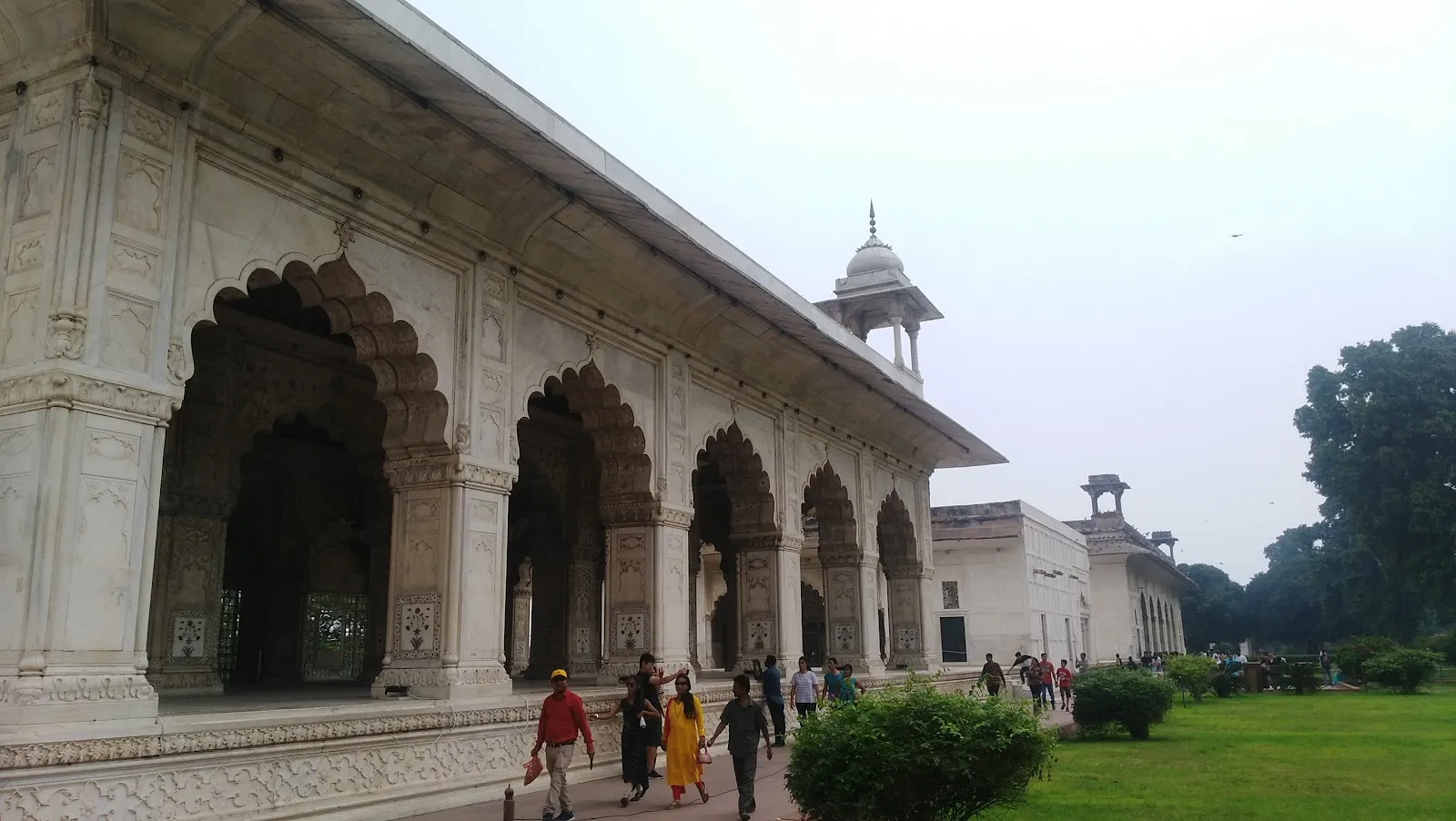
The palace was divided into six apartments, separated by arched piers. White marble forms the lower sections of the walls and pillars. The arches retain signs of painted decoration, though much of the original interior ornament has disappeared over time.
Look closely at the surviving structural details rather than expecting the rooms to retain their former richness. The arched supports and marble surfaces give a sense of the building’s original design, while the faded paint traces show how much of its decorative scheme has been lost.
From royal residence to prison
After the First War of Indian Independence in 1857, British forces converted Mumtaz Mahal into a military prison. That change shifted the building far from its original role as part of the imperial residence. Its history is visible in the contrast between its carefully planned palace architecture and its later use.
Today, Mumtaz Mahal is part of a Red Fort visit. Historical displays within the fort include objects such as clothing, weapons and paintings, with material related to the period of Indian independence. A guided tour or audio guide can help place the palace within the wider history of the complex.
Planning a visit
Mumtaz Mahal is inside the Red Fort, so plan your route around the larger site rather than treating it as a separate stop. Arriving before 5 PM gives you time to see the fort’s areas before access restrictions for the evening sound and light show begin. The fort holds two shows each day, and visitors who have booked for a show may remain after 5 PM.
The Red Fort is closed on Mondays and open Tuesday through Sunday. Tickets can be booked in advance. A guided tour or audio guide is useful if you want more explanation of the palace’s architecture and changing use.
FAQ
Where is Mumtaz Mahal?
It is inside the Red Fort in Old Delhi, New Delhi.
What can you see at Mumtaz Mahal?
The palace has white marble on the lower walls and pillars, arched piers and traces of painted decoration. Historical displays within the Red Fort include clothing, weapons and paintings.
When is the Red Fort open?
The Red Fort is open Tuesday through Sunday and closed on Mondays. Arrive before 5 PM to explore its areas before restrictions for the evening sound and light show.
How can I learn more about the palace’s history?
You can use a guided tour or audio guide to add context to the palace and its history.