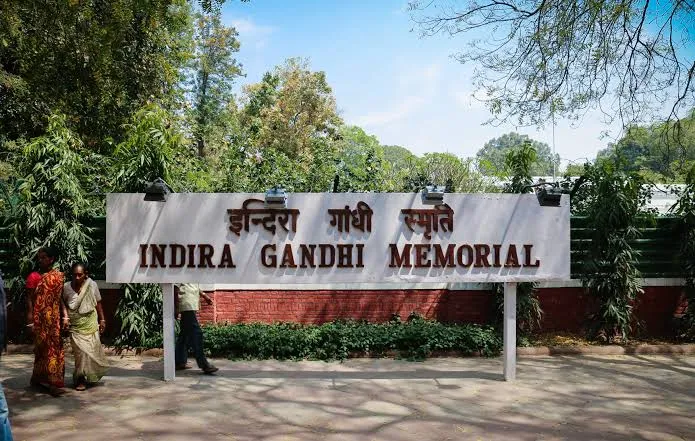
At Indira Gandhi Memorial Museum in New Delhi, the former prime minister’s residence preserves a personal record of her life and India’s political history. Photographs, documents, newspaper cuttings and personal belongings trace her childhood, family and years in public office. The preserved rooms and a glass-covered path in the garden mark the place where she was assassinated in 1984. Take time to read the displays; this is a quiet, reflective visit for anyone interested in modern India.
A home preserved as a museum
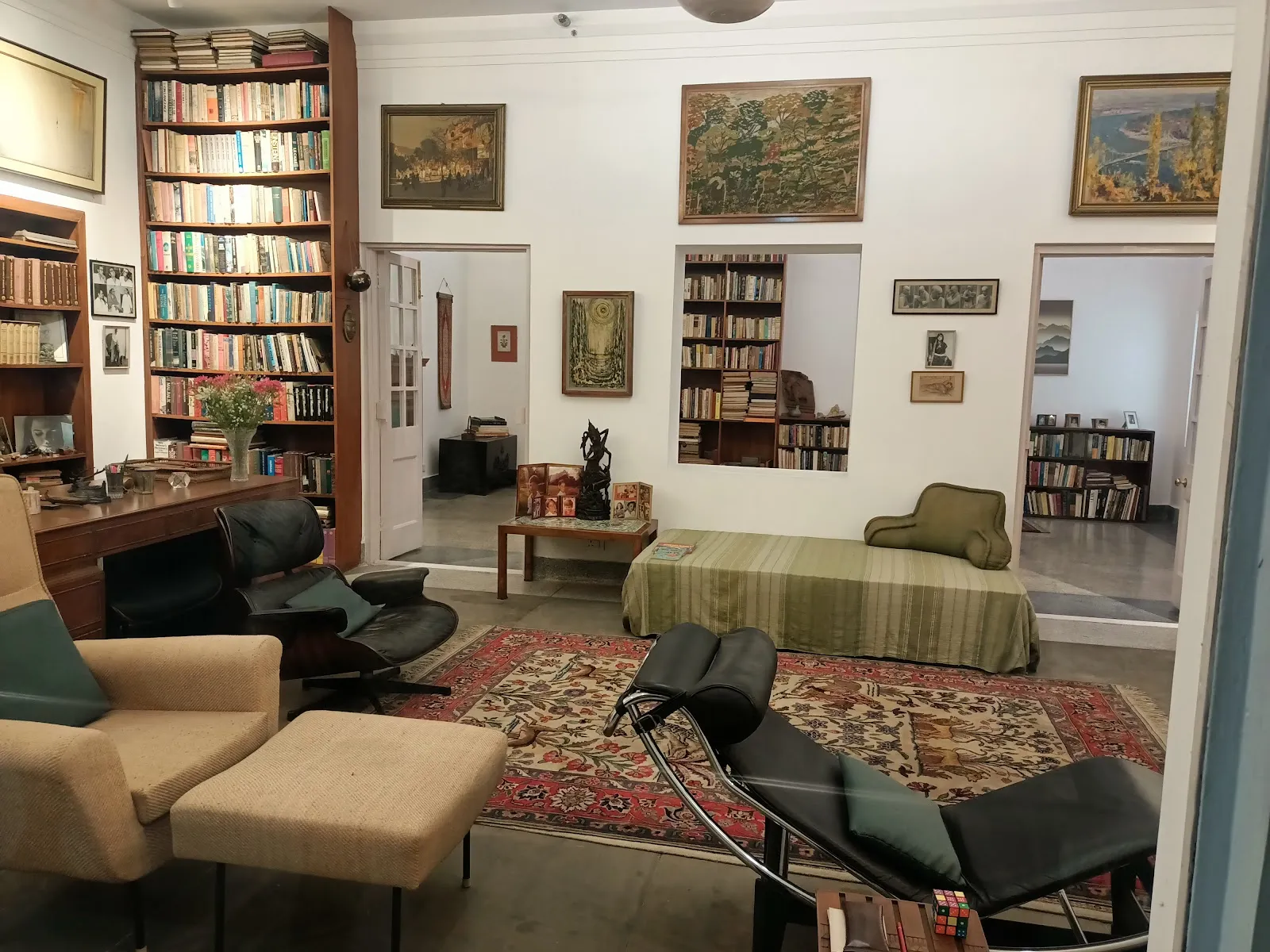
The museum occupies Indira Gandhi’s former residence in New Delhi. After her assassination in 1984, the house was preserved as a memorial and opened to visitors. Its setting gives the displays a direct connection to the life they document: personal objects and photographs are shown within the home where she lived with her family.
The collection follows different parts of her life, from childhood and family history to her political career. Photographs, documents, newspaper clippings, books and personal belongings help visitors connect individual details with the events of the period. Images of the Nehru-Gandhi family sit alongside material related to India’s nationalist movement and Gandhi’s time as prime minister.
Photographs, documents and personal objects
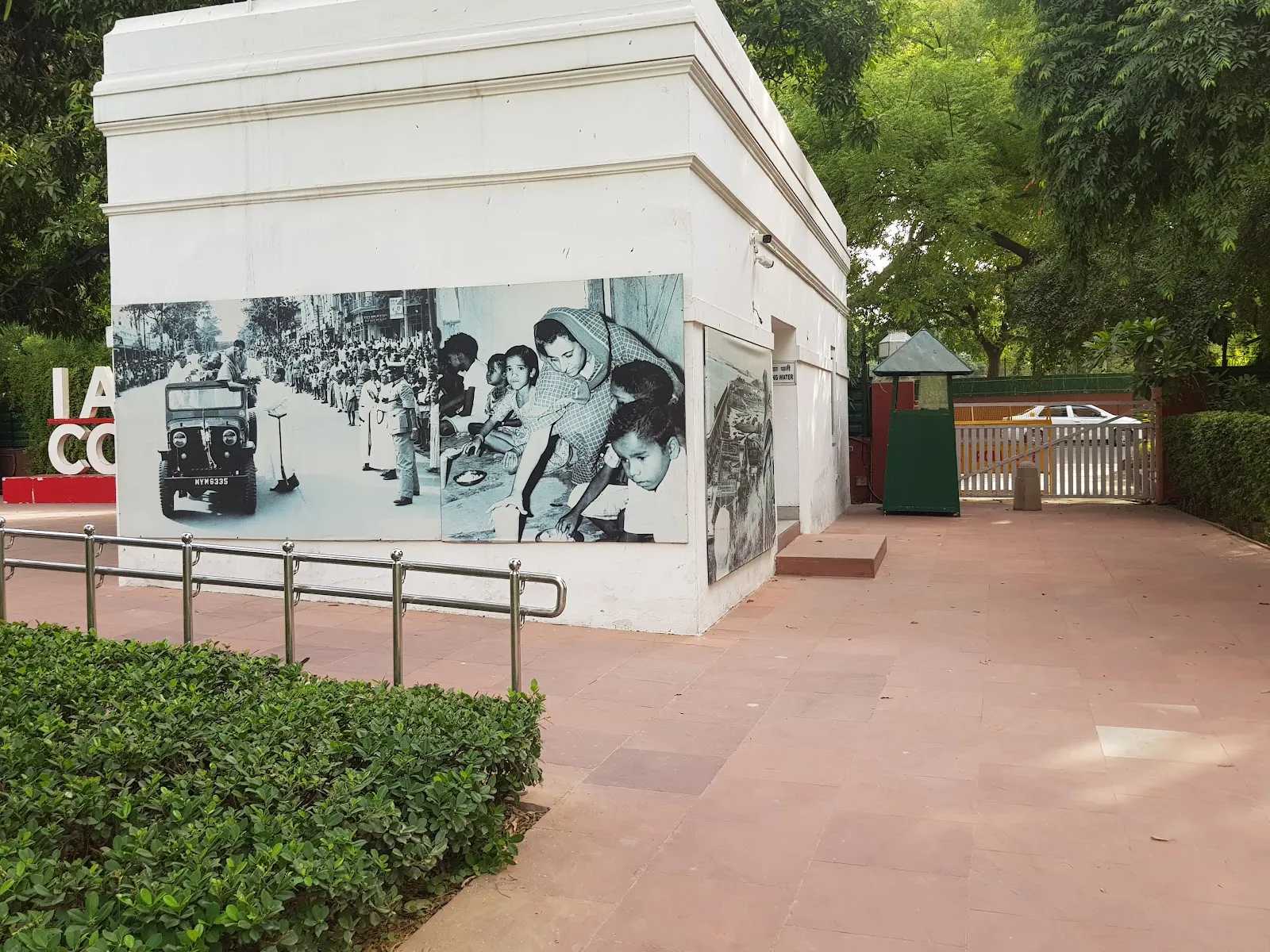
The exhibits include photographs from Indira Gandhi’s life and public career, along with letters, awards, gifts and other personal items. Objects such as pens, bags and clothes offer a more domestic view of the person behind the political record. Newspaper cuttings and historical documents provide further context for the events covered in the displays.
The collection also includes material connected with her son, Rajiv Gandhi, and the wider Nehru-Gandhi family. Visitors interested in India’s politics during the 1970s and 1980s can use the displays to follow key moments alongside details of family life. The exhibits bring personal and political histories together without separating the residence from its past.
The garden path and final steps
A path in the garden marks the route Indira Gandhi walked on the day she was assassinated. The section associated with her final steps is preserved beneath glass, and the site is treated as part of the memorial. It is a solemn point in the visit, with a clear connection between the house, its grounds and the event that led to its preservation.
The museum also retains rooms from the residence, including spaces associated with her daily life. Moving between the rooms, the displays and the garden gives the visit a different rhythm from a gallery arranged only around objects. Visitors can pause at the photographs and read the accompanying information at their own pace.
FAQ
Is entry to the Indira Gandhi Memorial Museum free?
The museum has free admission.
When is the museum closed?
It is closed on Mondays.
What can you see at the museum?
The collection includes photographs, personal belongings, documents and newspaper cuttings, as well as preserved rooms and a garden path marking the place where Indira Gandhi was assassinated.
Is the museum wheelchair accessible?
Yes. The site has a wheelchair-accessible entrance, elevator, restroom and parking.