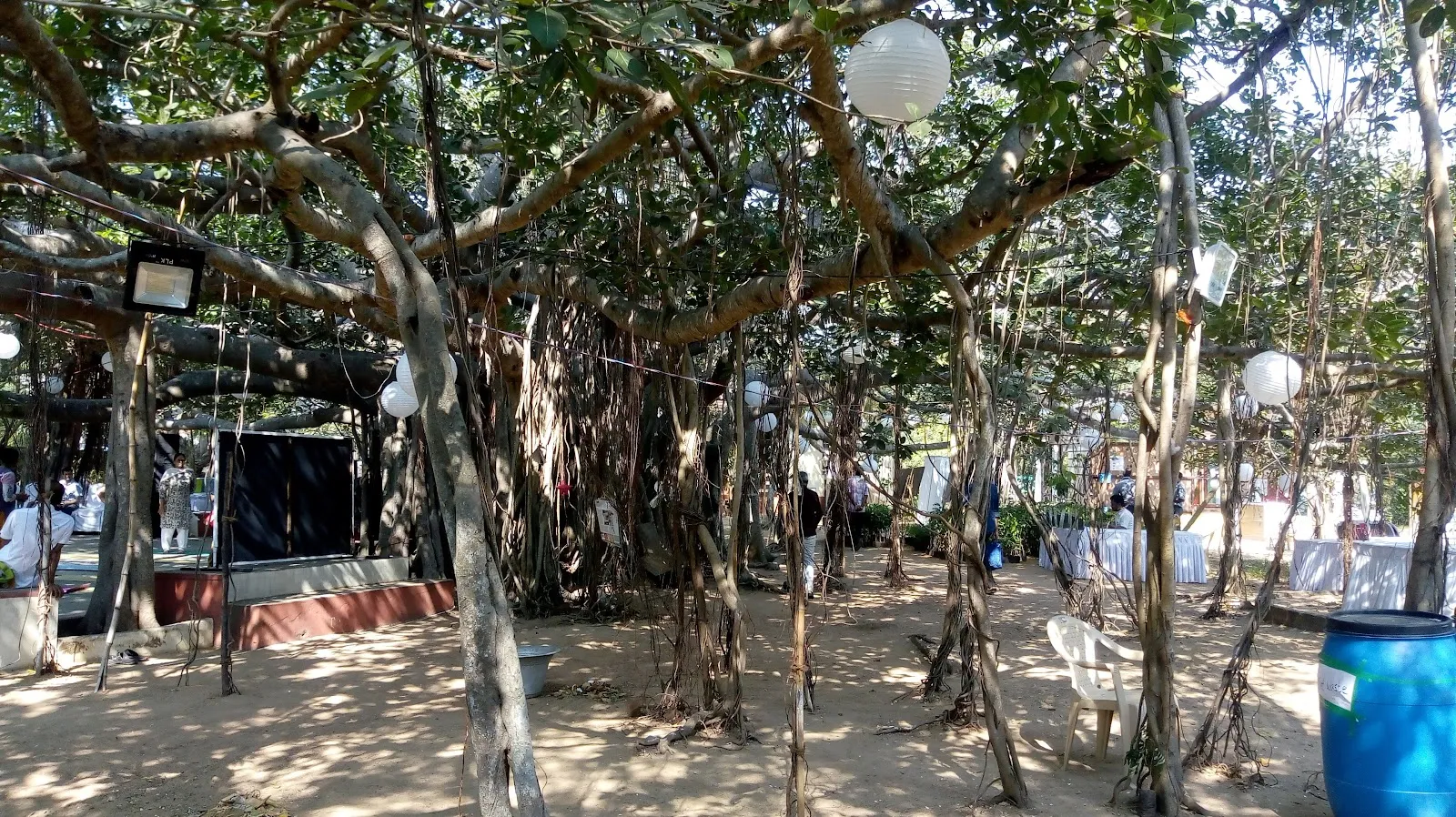
The Government Museum is a museum complex on Pantheon Road in Egmore, Chennai, founded in 1851 and the second oldest museum in India. Six buildings stand on a green campus of about 16 acres, with 46 galleries between them. The Bronze Gallery is the main draw, with South Indian bronzes from the Pallava and Chola periods. You will also find Raja Ravi Varma's paintings, stone sculpture, coins, a natural history section and a children's museum. The red Indo-Saracenic buildings are worth a look in themselves.
From 1851 to the Egmore campus
The museum began in 1851 on the first floor of the College of Fort St. George. Its first collection came from the Madras Literary Society, about 1,100 geological specimens. The idea of a museum in Madras had been put forward by the Society around 1846, and Dr. Edward Balfour, a Scottish surgeon, was appointed the first officer in charge. It was first called the Central Museum and later became known as the Madras Museum.
In 1854 the collection moved to its present site on Pantheon Road in Egmore, close to Egmore Railway Station. Only the Indian Museum in Kolkata is older. Today the complex covers about 16 acres, and the campus has trees and open lawns between the buildings.
The six buildings
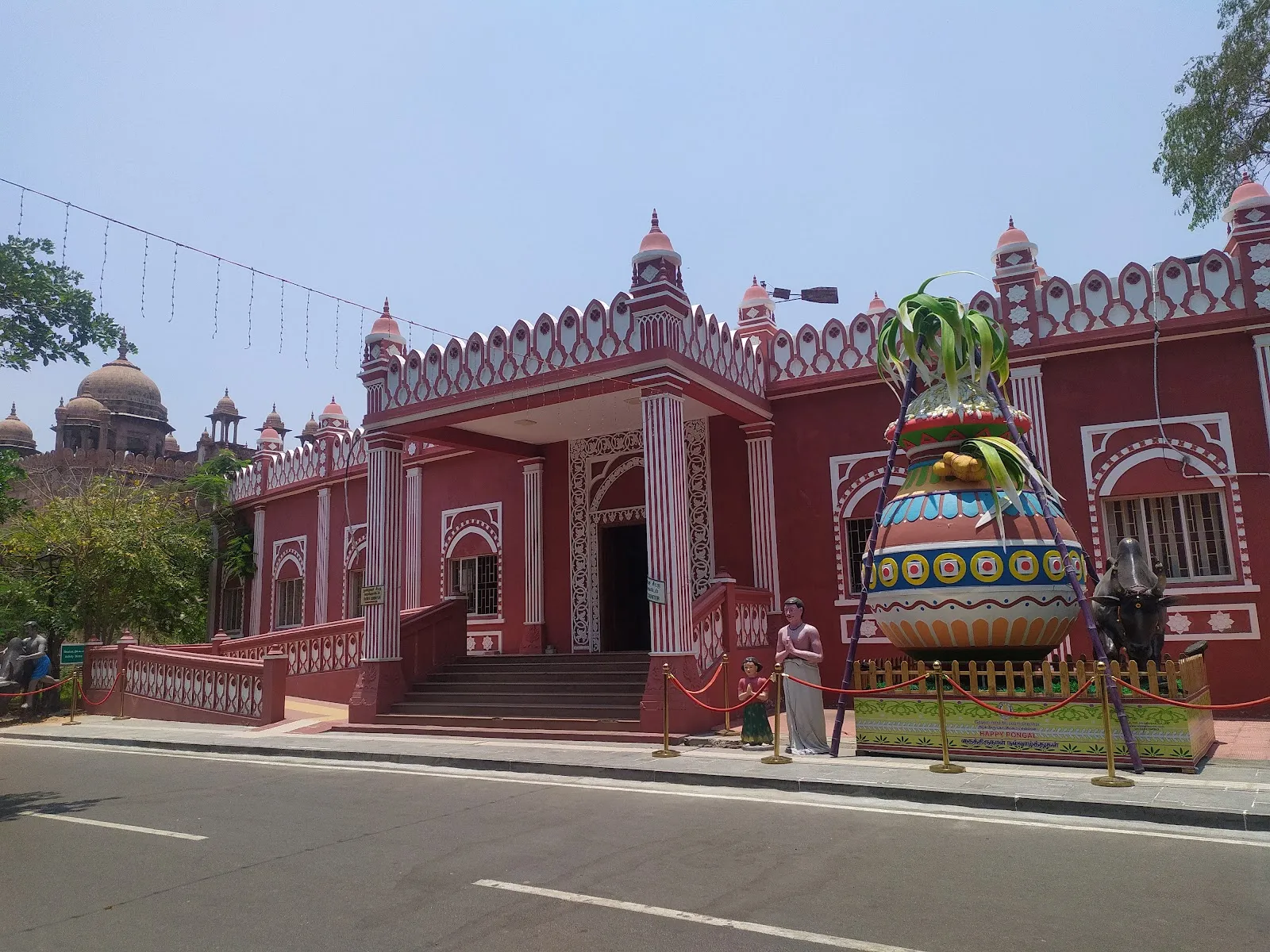
The campus has six buildings: the Front Building, the Main Building, the National Art Gallery, the Bronze Gallery, the Contemporary Art Gallery and the Children's Museum. Between them they hold 46 galleries. The Museum Theatre stands on the same grounds. It is built in the Italianate style and still stages performances.
The red buildings, many from the British period, mix styles. The façade of the National Art Gallery is Indo-Saracenic. Some of the older buildings need maintenance, and parts of the complex have been closed for renovation, so you may not be able to enter every building on a given day.
Bronzes and stone sculpture
The Bronze Gallery is the best-known part of the visit. It holds South Indian bronzes from the Pallava era of the 7th century through the Chola period of the 10th to 13th centuries and later work. Explanatory material is in English. A 13th-century Ardhanarishvara, the combined form of Shiva and Parvati, is one of the pieces people look for.
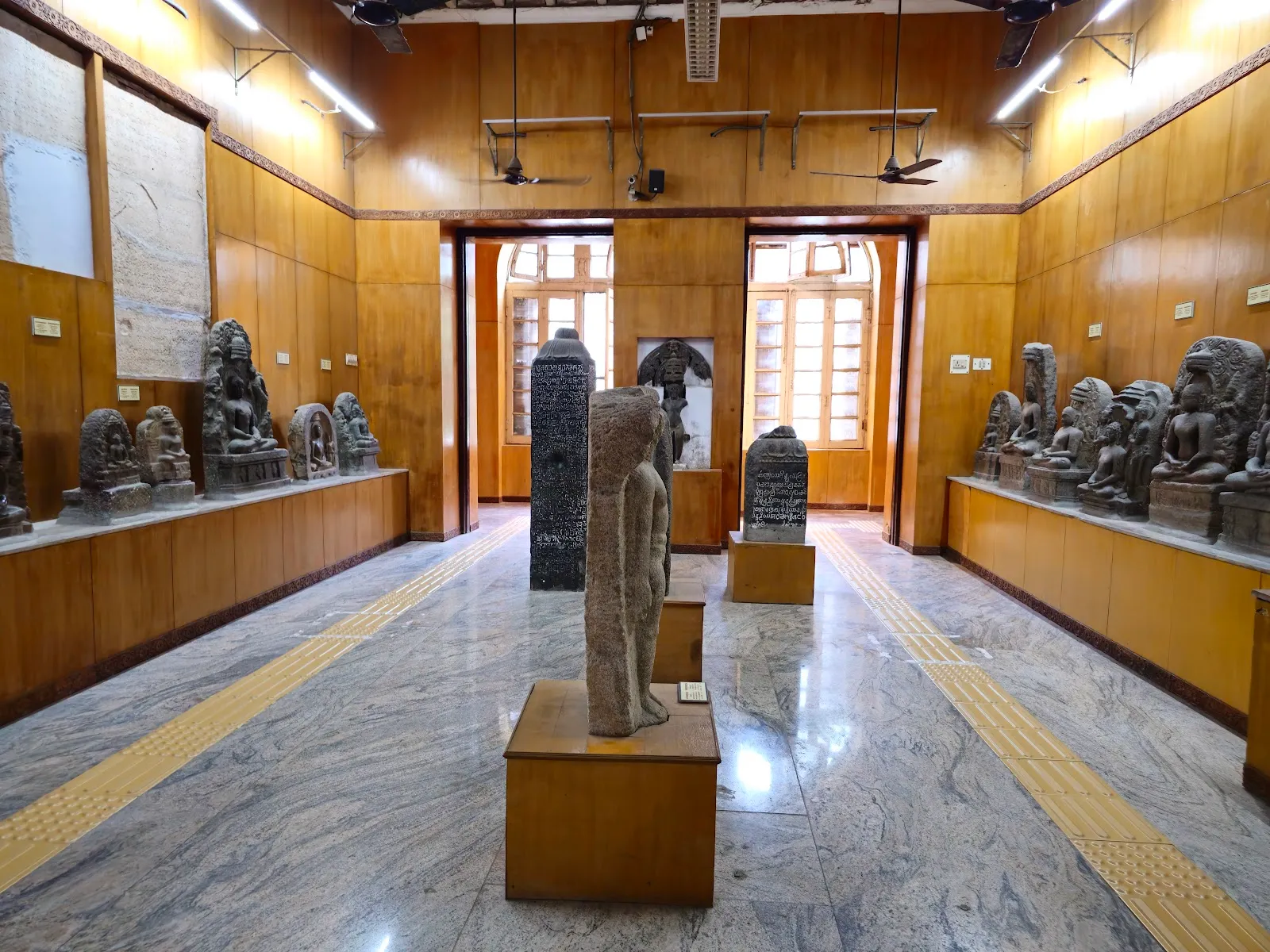
Elsewhere in the complex are statues of Hindu, Jain and Buddhist deities and a large stone sculpture collection. It runs from Buddhist sculpture of the 2nd century BCE to work from the Vijayanagar kingdom in the 16th century. The Amaravati Gallery has marble sculptures that depict episodes from the life of the Buddha. Gold, silver and bronze jewellery set with gems is also on show.
Paintings, coins and natural history
The National Art Gallery shows paintings from the 16th to the 19th century, and the museum is known for its Raja Ravi Varma works. The Contemporary Art Gallery covers more recent art.
The archaeology and numismatics sections cover prehistoric tools, Neolithic agricultural implements and a large coin collection. The Roman antiquities date from the time when Roman seafarers reached the Indian peninsula under Emperor Augustus. The anthropology and folk arts galleries show puppets, musical instruments and theatre costumes.
The natural history sections include zoology and botany galleries, bird and animal displays, skeletons and fossils. A life-size T-rex is a favourite with children. The Connemara Public Library, one of the oldest in India, is also inside the complex.
Planning the visit
The complex has restrooms, a restaurant, parking, a wheelchair-accessible entrance and an accessible elevator. With six buildings and 46 galleries, a full visit takes about 3 hours, and a short one still covers the bronzes and a few galleries. Families can combine the Children's Museum, the zoology galleries and the grounds into a longer stop.
FAQ
Is there an entry fee at the Government Museum Chennai?
Yes, an admission fee applies. Buying tickets in advance is recommended.
How long do you need at the Government Museum?
Allow about 3 hours to cover several of the six buildings. A short visit of around an hour still covers the Bronze Gallery and a few highlights.
Which day is the museum closed?
The museum is closed on Fridays and open the other days of the week.
What is the museum best known for?
It is best known for its Bronze Gallery, with South Indian bronzes from the Pallava and Chola periods. It also has the largest collection of Roman antiquities outside Europe and paintings by Raja Ravi Varma.
Is the Government Museum good for children?
Yes. There is a Children's Museum, along with zoology galleries, skeleton displays and a life-size T-rex. The campus has green spaces for a break.