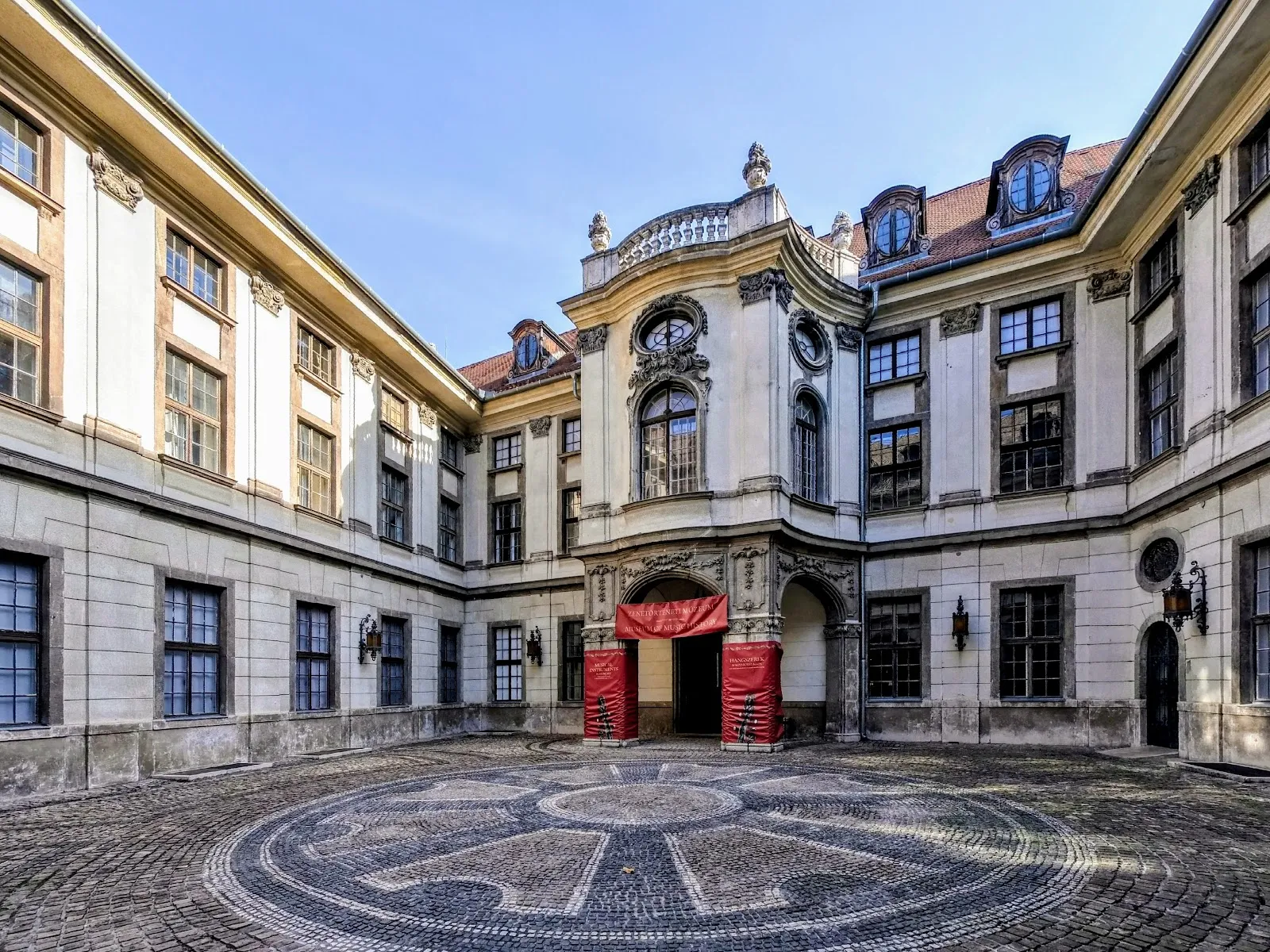
On Táncsics Mihály Street in Budapest’s Castle District, the Museum of Music History traces Hungarian music through historic instruments, documents and composer memorabilia. Its collection includes finely made instruments from the 18th to 20th centuries, from pianos and violins to the tárogató and cimbalom. Look for displays connected with Béla Bartók, Franz Liszt and Zoltán Kodály, alongside temporary exhibitions that have featured György Ligeti and László Lajtha. Guided tours are available, and some include a short concert. Allow about an hour for a compact visit.
Instruments made in Hungary
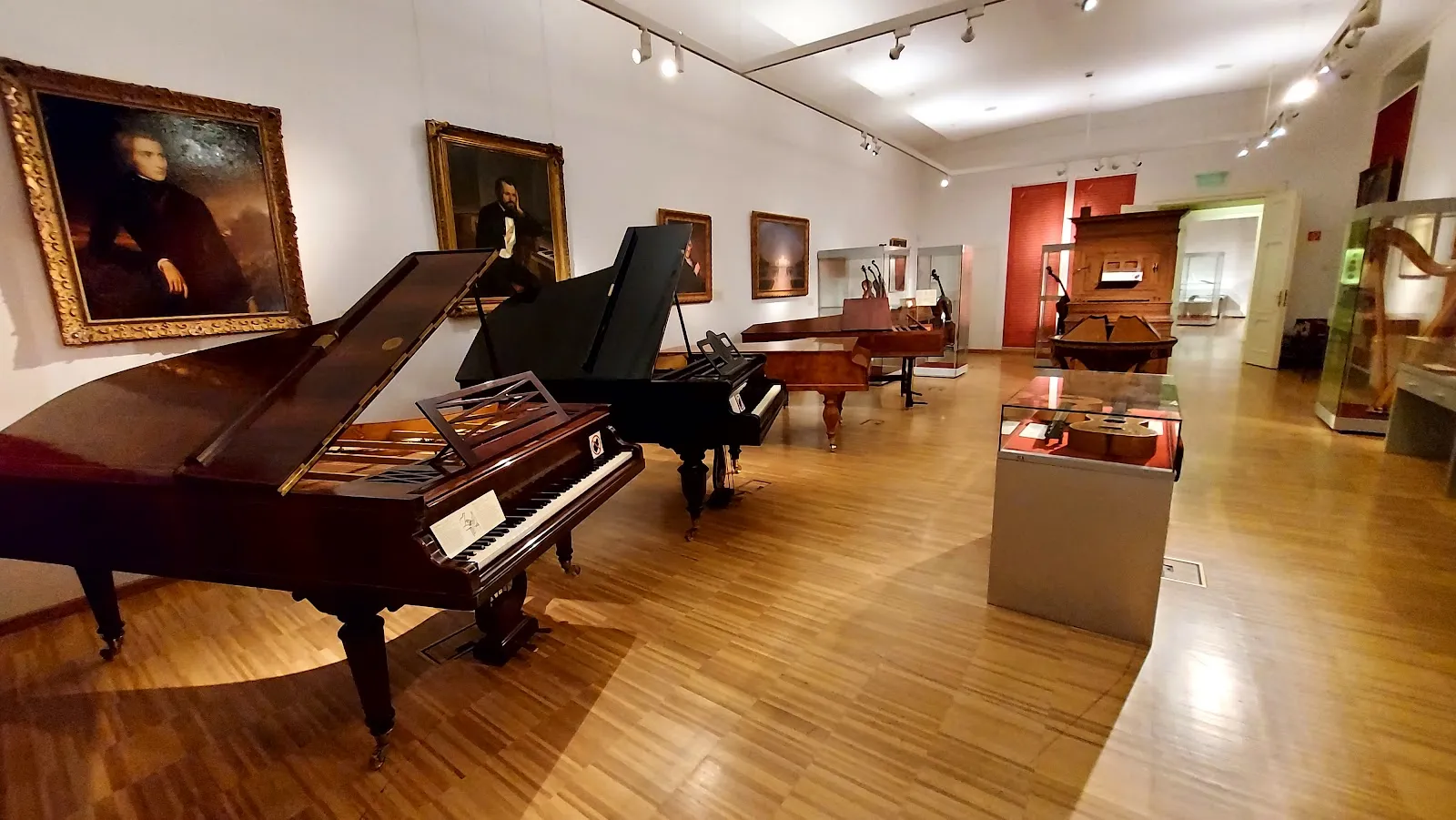
The museum’s collection focuses on instruments made by Hungarian craftsmen between the 18th and 20th centuries. It ranges from familiar orchestral instruments to examples with a distinctly Hungarian character, including the tárogató and cimbalom. Pianos are another highlight, with historical and unusual examples among the displays.
The collection also includes rare violins and instruments associated with folk and military band music. Together, the objects show a broad span of musical practice, rather than focusing only on classical orchestral instruments. Paintings, medals and other memorabilia add context to the instruments on display.
Composers and personal collections
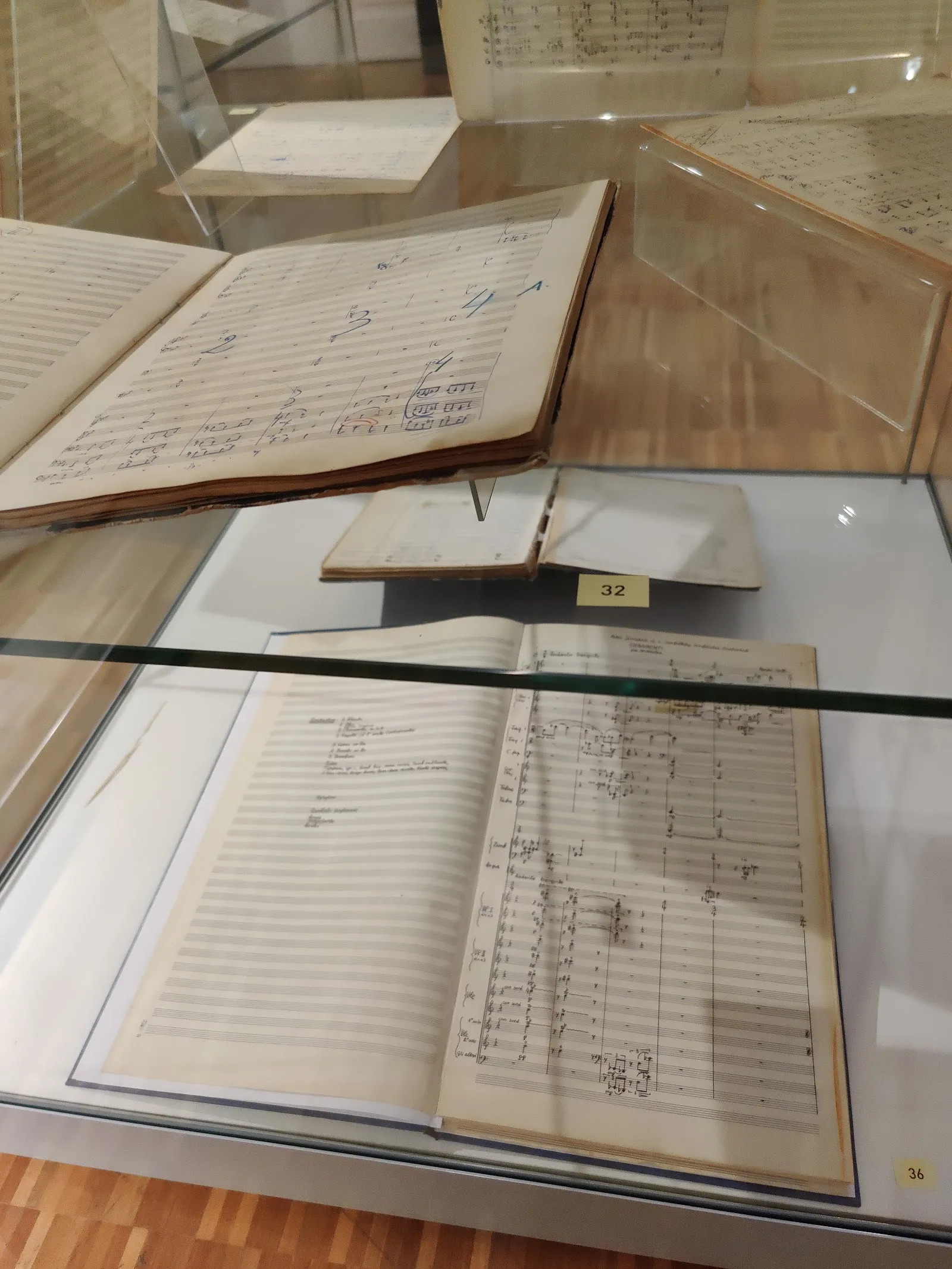
Rooms and exhibits connect the objects to Hungary’s composers and performers. Béla Bartók has a dedicated section, while displays also relate to Franz Liszt and Zoltán Kodály. Manuscripts and other documents help place the instruments within Hungary’s musical history.
A memorial room for László Lajtha has included personal furnishings, such as a writing table and a Bösendorfer piano. The museum has also held an exhibition honouring György Ligeti. Temporary displays change, so the composers and themes featured during your visit may differ from those described here.
Planning your visit
The museum is at Táncsics Mihály u. 7 in Budapest’s Castle District. Its rooms make for a relatively short visit; about an hour is enough to see the collection at an unhurried pace. For more context, ask about an informative guided tour. Some tours include a short concert, though the programme can depend on the tour available that day.
Admission is reported as 2,000 HUF, payable in cash, and a pensioner discount was not available according to the supplied visit information. The museum recommends getting tickets in advance. It is closed on Mondays and open Tuesday through Sunday, 10 a.m. to 4 p.m. Arriving near opening time can help you see the exhibits in a quieter setting.
FAQ
How long do you need at the Museum of Music History?
About an hour is enough to see the collection. Allow extra time if you join a guided tour or attend a concert.
How much is admission?
Admission is reported as 2,000 HUF, payable in cash. The supplied visit information notes that pensioner discounts were not available.
What can you see at the museum?
The collection includes Hungarian-made instruments from the 18th to 20th centuries, manuscripts and composer memorabilia. Displays include sections connected with Béla Bartók, Franz Liszt and Zoltán Kodály.
Are guided tours available?
Yes. Guided tours are available, and some include a short concert.