Kadriorg Art Museum is in Kadriorg Palace, the Baroque summer residence Peter the Great had built for Catherine I. Inside, European and Russian art from the 16th to early 20th century shares space with historic palace rooms. Pause in the main hall for its stucco decoration and painted ceiling, then look for the museum’s curious objects, including a mermaid skeleton and a two-headed chicken. The surrounding park has fountains, flowerbeds, ponds and tree-lined paths, so you can pair the galleries with a garden walk.
A palace built for Catherine I
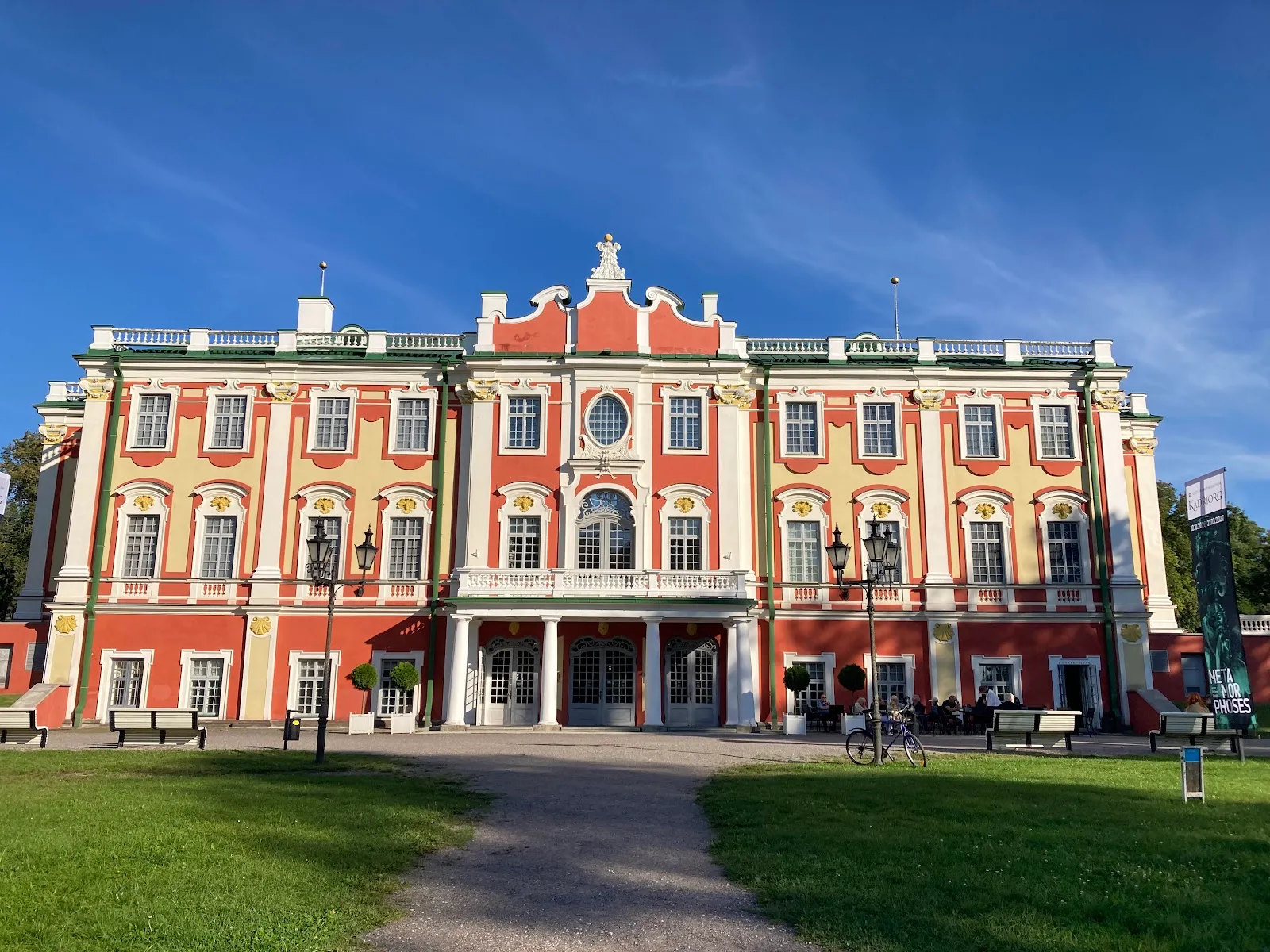
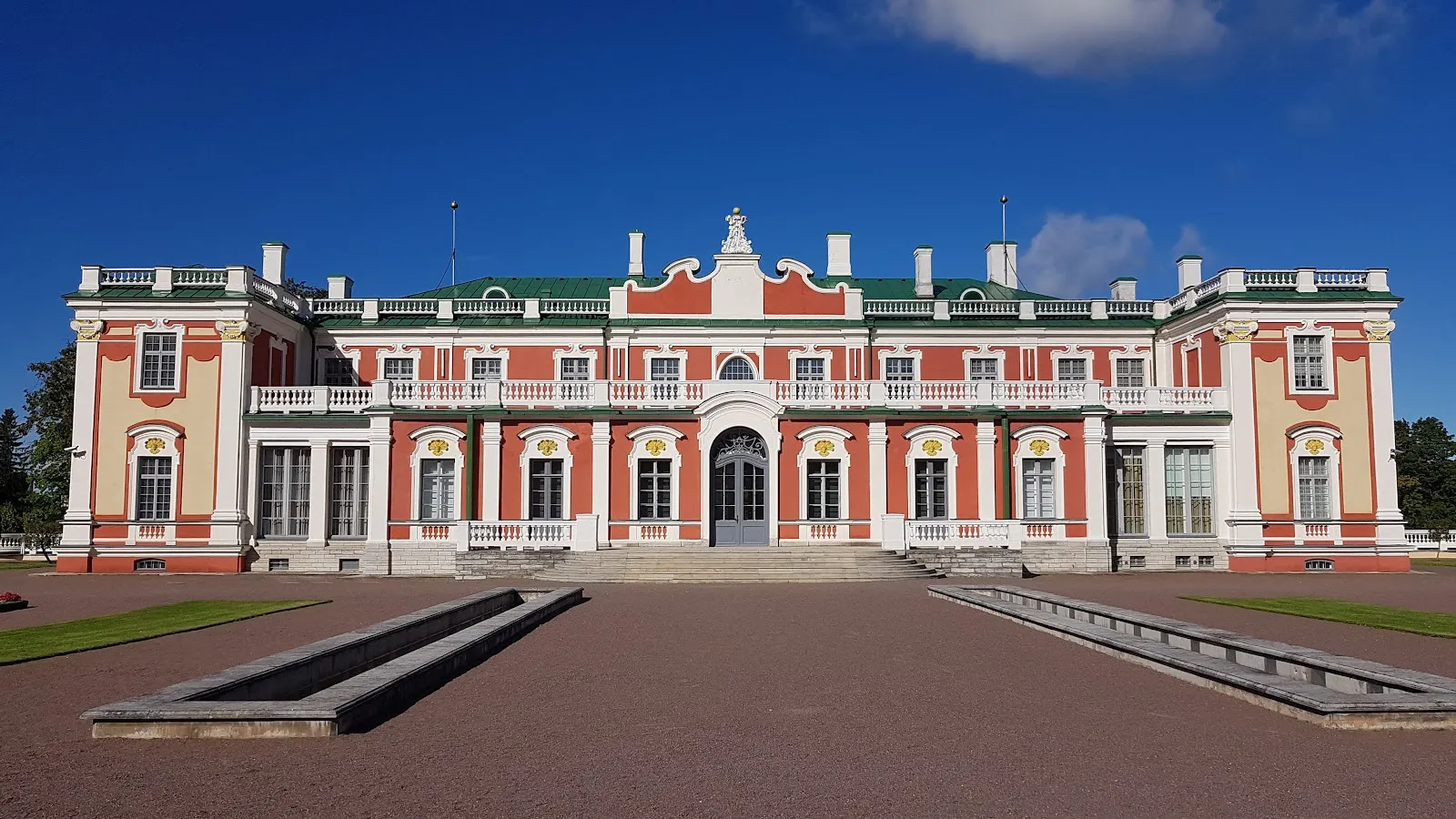
Kadriorg Palace was built by Peter the Great as a summer residence for his wife, Catherine I. Construction began in 1718 and continued until 1736. The name Kadriorg means “Catherine’s Valley.” The Baroque building now houses the Kadriorg Art Museum, Estonia’s museum devoted to foreign art.
The palace is part of Kadriorg Park, east of Tallinn’s Old Town. Its decorated historic rooms are part of the visit, not just a setting for the collection. The main hall is especially notable for its stucco work and painted ceiling.
European and Russian art
The collection covers art from the 16th to early 20th century, including paintings from the Netherlands, Italy, Germany and Russia. Sculpture, graphic art and applied art are also represented, with objects such as furniture, porcelain and glass.
The museum’s displays include Russian paintings as well as Western European works. Special exhibitions add changing subjects to the permanent collection; one exhibition has explored flowers in art. Check the museum’s current programme before your visit if you have a particular exhibition in mind.
Curiosities and conservation
Alongside paintings and historic objects, the museum has a Wunderkammer, or cabinet of curiosities. Its unusual specimens include a mermaid skeleton and a two-headed chicken. The contrast with the formal palace rooms gives you a different kind of collection to look for.
A section on restoration and conservation shows work involved in caring for art. The museum has also presented displays tracing how the Art Museum of Estonia’s collection developed between its founding in 1919 and the Second World War, including objects and works shown publicly for the first time.
The park around the palace
Kadriorg Park surrounds the palace with formal gardens, fountains, flowerbeds, ponds and paths. The gardens are free to enter, so you can visit them without buying a museum ticket or stay for a walk after seeing the collection. Spring and summer bring flowering plants into view.
You can reach the park by tram line 1 or walk from Tallinn’s centre. Allow time for the grounds as well as the museum if you want to see both; the palace galleries are compact enough for a shorter visit, but the park makes it easy to linger.
FAQ
What kind of art is in Kadriorg Art Museum?
The collection includes European and Russian art from the 16th to early 20th century, including paintings, sculpture, graphic art and applied art.
What is the Wunderkammer?
It is a cabinet of curiosities with unusual objects, including a mermaid skeleton and a two-headed chicken.
Can I visit Kadriorg Park without entering the museum?
Yes. The park and gardens are free to enter.
How do I get to Kadriorg Art Museum?
Tram line 1 serves Kadriorg Park, and you can also walk from Tallinn’s centre.