
Calke Abbey is a National Trust house near Ticknall in Derbyshire, built in 1703 and left to decline over many generations. Some rooms have been fully restored, while others stay as they were found, with faded paint, stuffed birds and cabinets crowded with taxidermy. The estate around it has walled gardens, an orangery, ancient oaks, ponds and a deer park. Go for the contrast between the worn interior and the cared-for grounds, then see the state bed and the brewhouse tunnels.
A house left to decline
Calke Abbey was built in 1703 and passed through a line of eccentric baronets, the Harpur Crewe family, who lived here until 1985. The family rarely threw anything away, and the house filled up with furniture, books and natural history collections over the centuries.
The National Trust took it on and made changes in the later 1980s. Before that work, many rooms had been untouched since the 1880s. Some rooms were restored to their earlier condition, while others were left in the state they were found, so you see the house at its height and in decline at once.
The family did not have electricity until the 1960s, which helps explain why so many rooms look as they did a century ago.
Inside the house
The state bed, made of silk for King George I, is one of the best-known objects in the house. The satirical caricature room and the dining room, with its decorative scheme, are also worth slowing down for.
Taxidermy is everywhere. Glass cabinets hold birds and mounted animal heads, many of them collected by Sir Vauncey Harpur Crewe, including animals he shot himself. The library is also a highlight for many visitors.
The brewhouse tunnels run beneath the estate and are sometimes decorated for Halloween. The house and stables are open to visitors, and the stables have been only lightly restored.
Gardens, parkland and walks
The estate covers around 600 acres of parkland. Paths lead through a deer park, past ponds and into ancient woodland. Among the oldest trees are ancient oaks, and in spring the bluebells in Serpentine Wood are a draw.
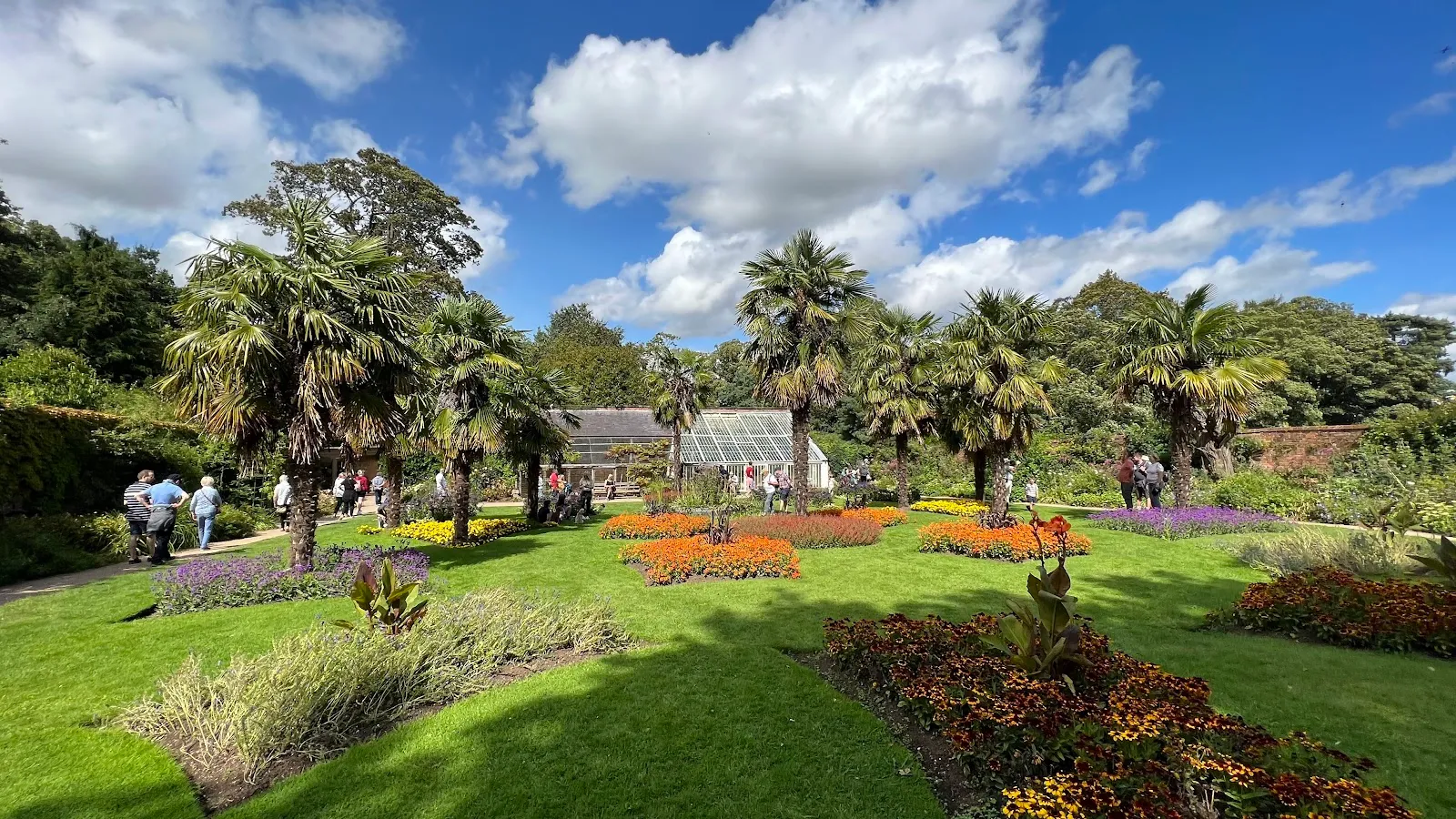
The walled gardens include kitchen gardens and seasonal colour, and the domed orangery is close by. A grotto built in 1809 is made of bricks disguised with minerals, and water runs down its back wall into a pool.
The Tramway Trail is one of the longer walking routes. A newer outdoor area called Calke Explore sits near the main car park, with a woodland play area for children. If walking is hard going, the National Trust offers an electric buggy to get around the grounds.
The site's older history
Before the house, the land was home to a medieval religious house. People first lived at Calke in the 12th century as a small religious community. Calke Priory lasted only a few years before the canons moved to nearby Repton.
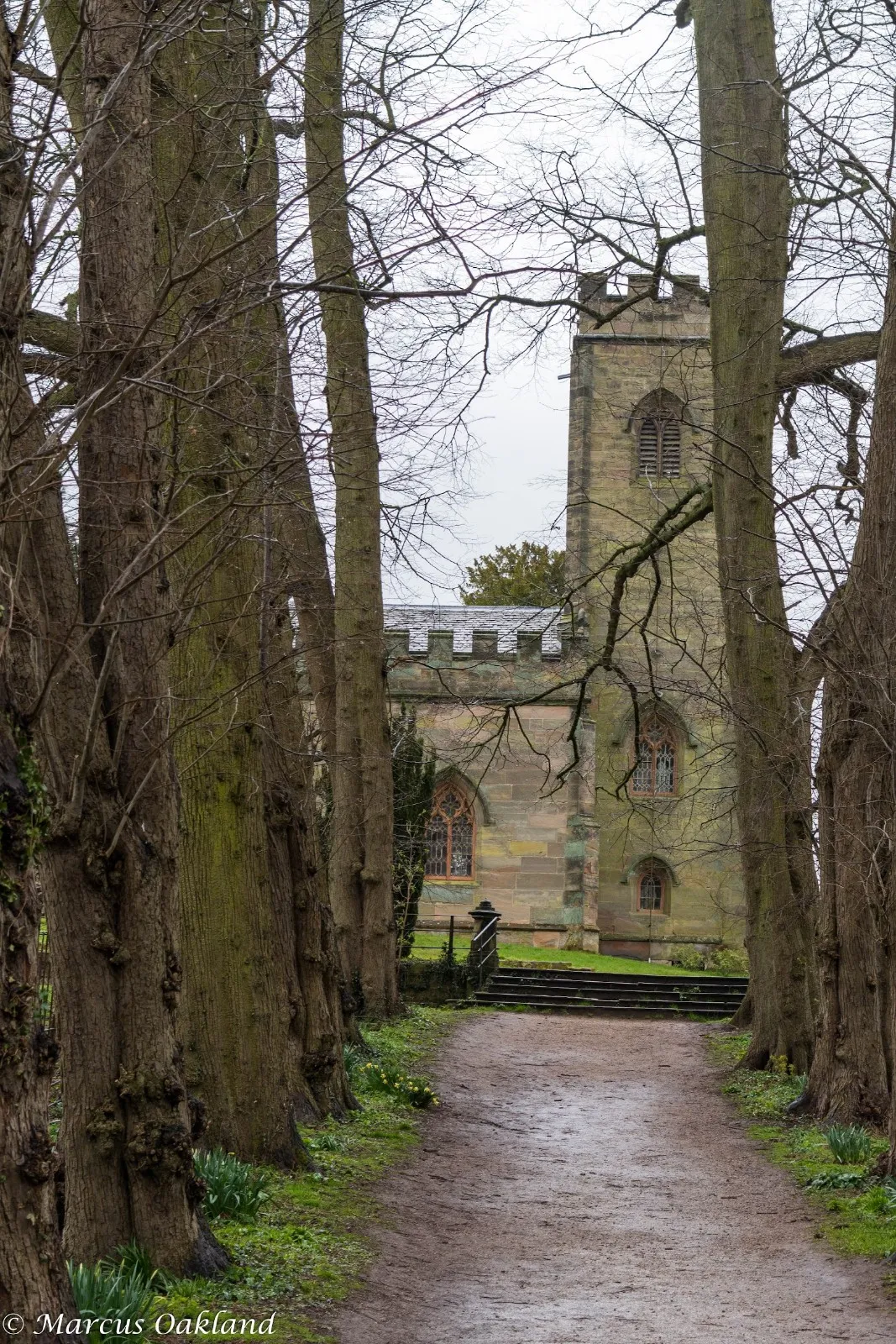
The historic church stands behind the house and is worth a visit alongside the house and grounds.
Visiting with children and dogs
Children have plenty of space to run around the grounds, and there are picnic tables and a barbecue grill for outdoor meals. The estate has kid-friendly hikes and a good playground.
Dogs are welcome on the outdoor spaces and walks, which makes the estate a good choice for a day out with a dog. They are not allowed inside the house.
FAQ
Are dogs allowed at Calke Abbey?
Dogs are welcome on the grounds and in the outdoor spaces, with plenty of scenic walks. They are not allowed inside the house.
Is Calke Abbey good for children?
Yes. The estate has a woodland play area, a playground, kid-friendly hikes and open grass for running around. There are also picnic tables and a barbecue grill.
Is there a cafe at Calke Abbey?
Yes. There is a cafe and a restaurant on site, along with a shop and a bookshop.
Is Calke Abbey accessible for wheelchair users?
The site has a wheelchair accessible entrance, restroom, seating and parking lot. The National Trust also offers an electric buggy to help visitors get around the grounds.


