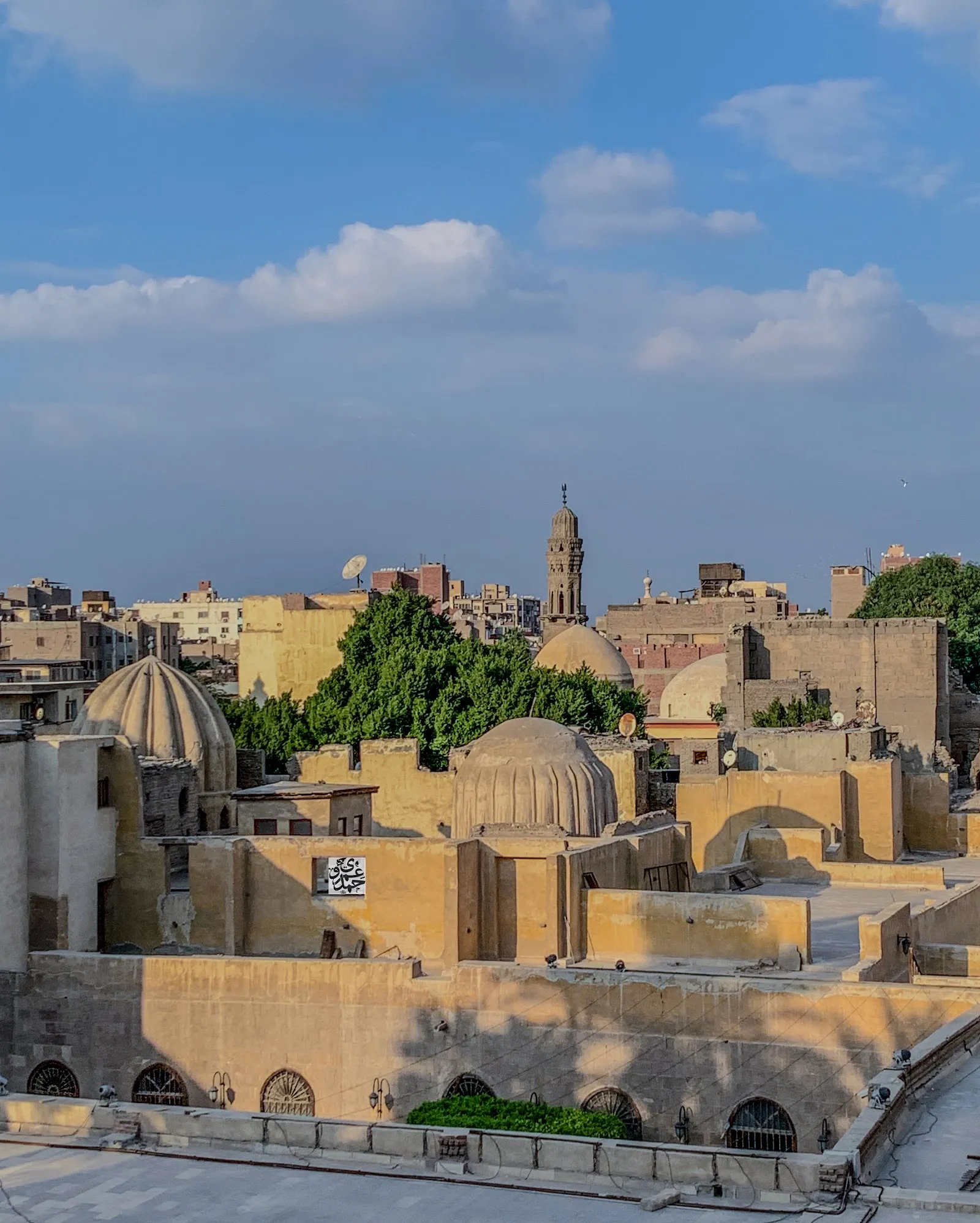
Plan a trip
Language: English
Trip plannerPlan your trip on a map

Top destinations

EnglishDeutschFrançaisEspañolPortuguêsPortuguês (BR)Italiano
Travel advisory · EgyptSome governments advise against travel to parts of Egypt.The warnings cover only these areas: 50 km strip along the Libyan border, Gaza Strip, Libyan border (no set depth), North Sinai Governorate, Sudan border (no set depth), Western Desert, Ismailia Governorate (east of Suez Canal), Northern South Sinai Governorate (beyond St Catherine-Nuweiba road).Advice depends on your passport. Read your own government's advice before you book.Official advice
Areas with warnings
  • 50 km strip along the Libyan border · avoid all travel · Canada, New Zealand
  • Gaza Strip · avoid all travel · Canada, France, New Zealand
  • Libyan border (no set depth) · avoid all travel · Germany, Spain, France, Italy
  • North Sinai Governorate · avoid all travel · Canada, Spain, France, Ireland, New Zealand, UK
  • Sudan border (no set depth) · avoid all travel · Germany, Spain, France, Italy
  • Western Desert · avoid all travel · Canada, New Zealand, UK, US
  • Ismailia Governorate (east of Suez Canal) · avoid non-essential travel · Canada, UK
  • Northern South Sinai Governorate (beyond St Catherine-Nuweiba road) · avoid non-essential travel · Canada, New Zealand, UK

Also named by one government: 20 km strip along the Libyan border (UK), Egyptian border areas (military zones) (US), Egyptian-Israeli border area (Germany), Northern and Middle Sinai Peninsula (US), Port Said Governorate (east of Suez Canal) (Canada), Rafah border zone (Spain), Suez Governorate (east of Suez Canal) (Canada), Bahariya-Siwa road (UK), Bir Tawil Trapezoid (UK), Desert west of Marsa Matrouh, Faiyum and Abu Simbel (France), Gebel Al Uweynat to Gilf El Kebir region (Italy), Hala'ib Triangle (UK), Non-tourist desert areas (Italy), Rafah border crossing (Ireland), Southern Sinai Peninsula (Germany)

GovernmentAdviceUpdatedRead the advice
United Kingdom (FCDO)No advice against the whole country (regional advisories)–Read the advice
United States (State Dept)Exercise increased caution (regional advisories)Jul 15, 2025Read the advice
Canada (Global Affairs)Exercise a high degree of caution (regional advisories)–Read the advice
Germany (Auswärtiges Amt)Besondere Vorsicht walten lassen (keine Gesamtwarnung) (regional advisories)Oct 13, 2026Read the advice
New Zealand (SafeTravel)Exercise increased caution elsewhere in Egypt (regional advisories)–Read the advice
Ireland (Department of Foreign Affairs)High degree of caution (regional advisories)–Read the advice
France (Ministry for Europe and Foreign Affairs)Increased vigilance for the rest of the country (regional advisories)–Read the advice

Checked daily from the governments' published advice; last checked Nov 2, 2026. RoamLedger summarises official advice; it is not advice from any government.

Prince Taz Palace
Historic site

Prince Taz Palace

Visit Prince Taz Palace in Cairo’s El-Darb El-Ahmar to see Mamluk architectural details, a palm-shaded courtyard and occasional concerts.

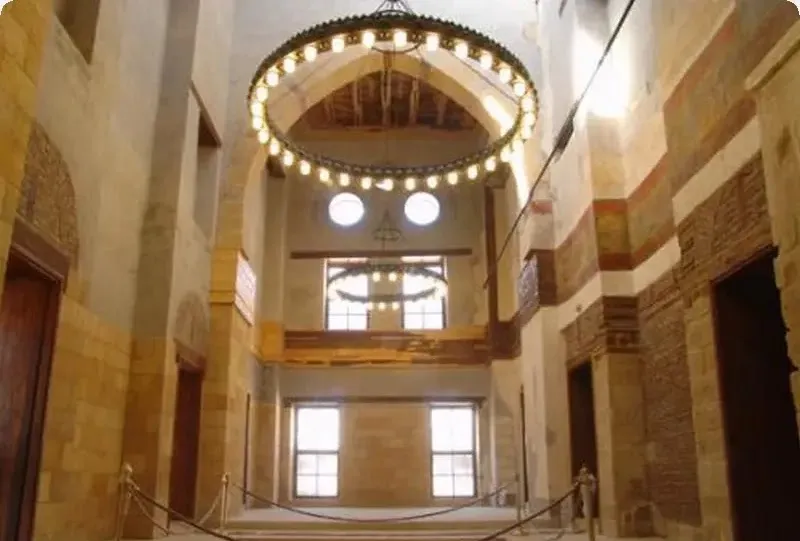
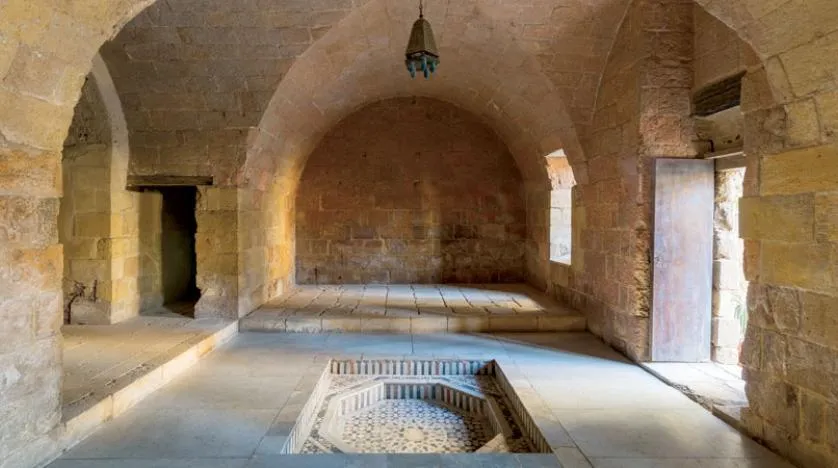
Prince Taz Palace is a Mamluk-era palace in Cairo’s El-Darb El-Ahmar district, surrounded by historic buildings and mosques. Built in 1352, it is worth a stop for the architectural details in its walls, doors, windows and ceilings, as well as its central courtyard with tall palm trees. The rooms are largely unfurnished, so the appeal is in the structure and its details. The palace also hosts concerts and artistic activities, with musical performances held during Ramadan.

A palace built in 1352
Prince Taz Palace
Prince Taz Palace

Prince Taz Palace dates to 1352 and is associated with the Mamluk period. It was built by Prince Taz, an influential figure during the reign of al-Nasir Muhammad bin Qalawun. Set in El-Darb El-Ahmar, the palace stands among the historic architecture of Old Cairo.

The building later took on a different role: during the 19th century, it became a girls’ school. After a period of neglect, restoration was ordered in 2002, with plans to turn the palace into a museum.

Architecture and cultural events
Prince Taz Palace
Prince Taz Palace

Look closely at the walls, doors, windows and ceilings for the palace’s Islamic architectural details. The rooms are mostly empty, so the building itself is the focus. A courtyard with tall palm trees adds an open space among the palace’s rooms and sections.

The palace also hosts artistic activities, including workshops in chanting, acting, storytelling and theatre, as well as concerts and exhibitions. Musical performances are associated with Ramadan. If an event is part of your plans, arrive early; seating or places may be limited.

Planning a visit

The palace is in El-Darb El-Ahmar, close to Sultan Hassan Mosque and within reach of the Citadel. Tickets are sold at a separate building, reported to be a 100 to 200 metre walk away. Facilities inside are limited, though a restroom is available.

The visit can be brief if you focus on the rooms and architectural details. Check for an event if you want to experience the palace as a cultural venue as well as a historic building.

FAQ

When was Prince Taz Palace built?

The palace dates to 1352, during the Mamluk period.

Where is Prince Taz Palace?

It is in El-Darb El-Ahmar, Old Cairo, near Sultan Hassan Mosque and the Citadel.

What can you see inside Prince Taz Palace?

Look for architectural details in the walls, doors, windows and ceilings, along with the courtyard and its tall palm trees.

Does Prince Taz Palace host concerts?

Yes. The palace hosts concerts and artistic activities, with musical performances held during Ramadan.


More must-sees in Cairo

Explore all