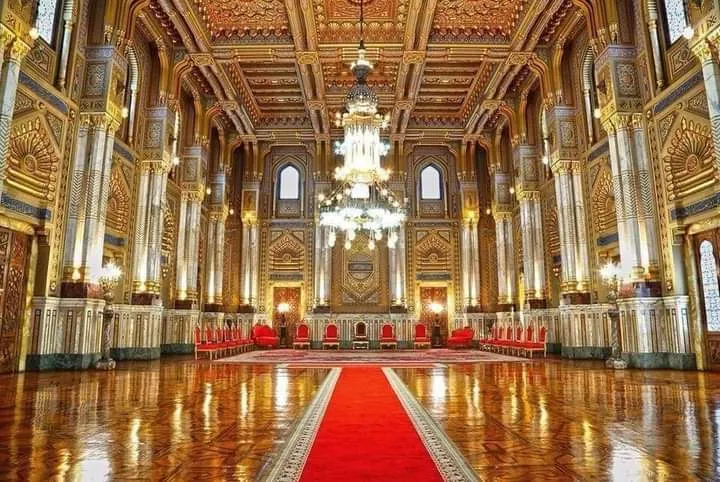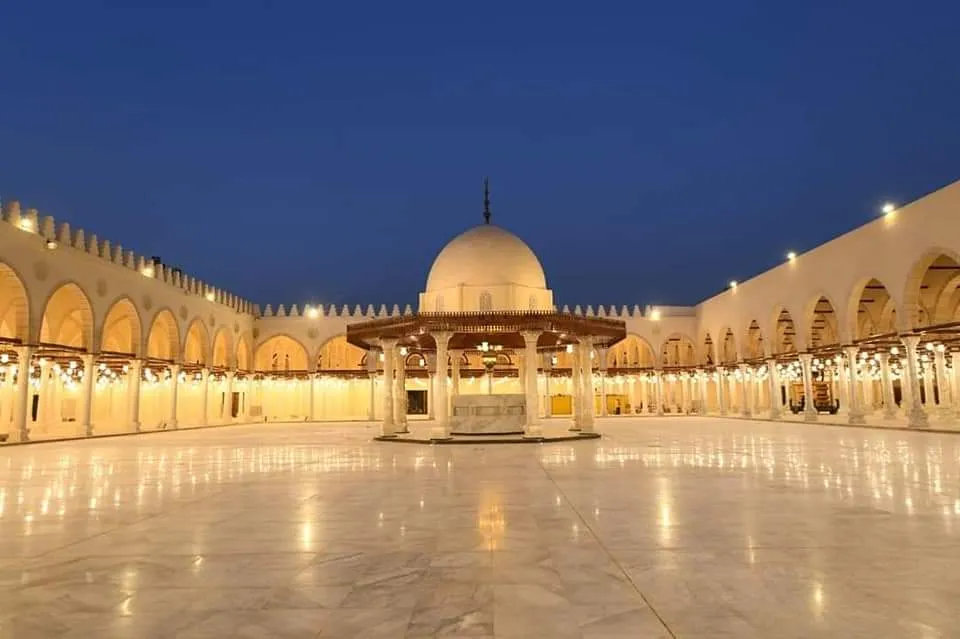
Amr ibn al-As Mosque stands in Old Cairo, on the site of Fustat, the early Islamic capital founded by Amr ibn al-As. Established around 642, it is regarded as the oldest mosque in Egypt and Africa. Its broad open courtyard, surrounding prayer halls and rows of columns create a calm place to pause and see how the mosque’s design has changed through rebuilding and restoration. Remove your shoes before entering, and take time to look around the separate prayer areas.
The mosque and the founding of Fustat
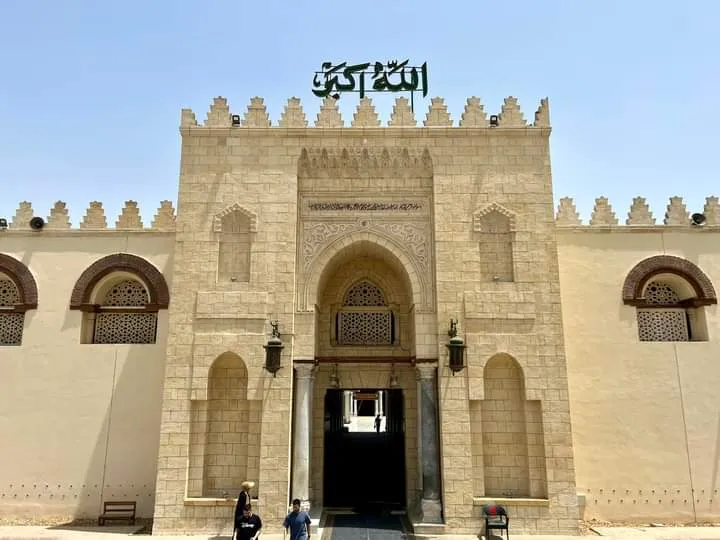
Amr ibn al-As Mosque is associated with the establishment of Fustat, the early Islamic capital founded by the commander Amr ibn al-As. The mosque was built around 642, soon after the Arab conquest of Egypt, and is regarded as the first mosque in Egypt and Africa. It became the first major building in the new capital, on a site that was then at the centre of Fustat.
The mosque’s importance is both religious and historical. Its founding marks an early stage in the history of Islam in Egypt, and the site remains in use for prayer. For many centuries, the mosque was also an important centre of Islamic learning, before Al-Azhar became the leading institution. A visit here gives context to the history of Old Cairo and the development of the city around Fustat.
What to look for inside
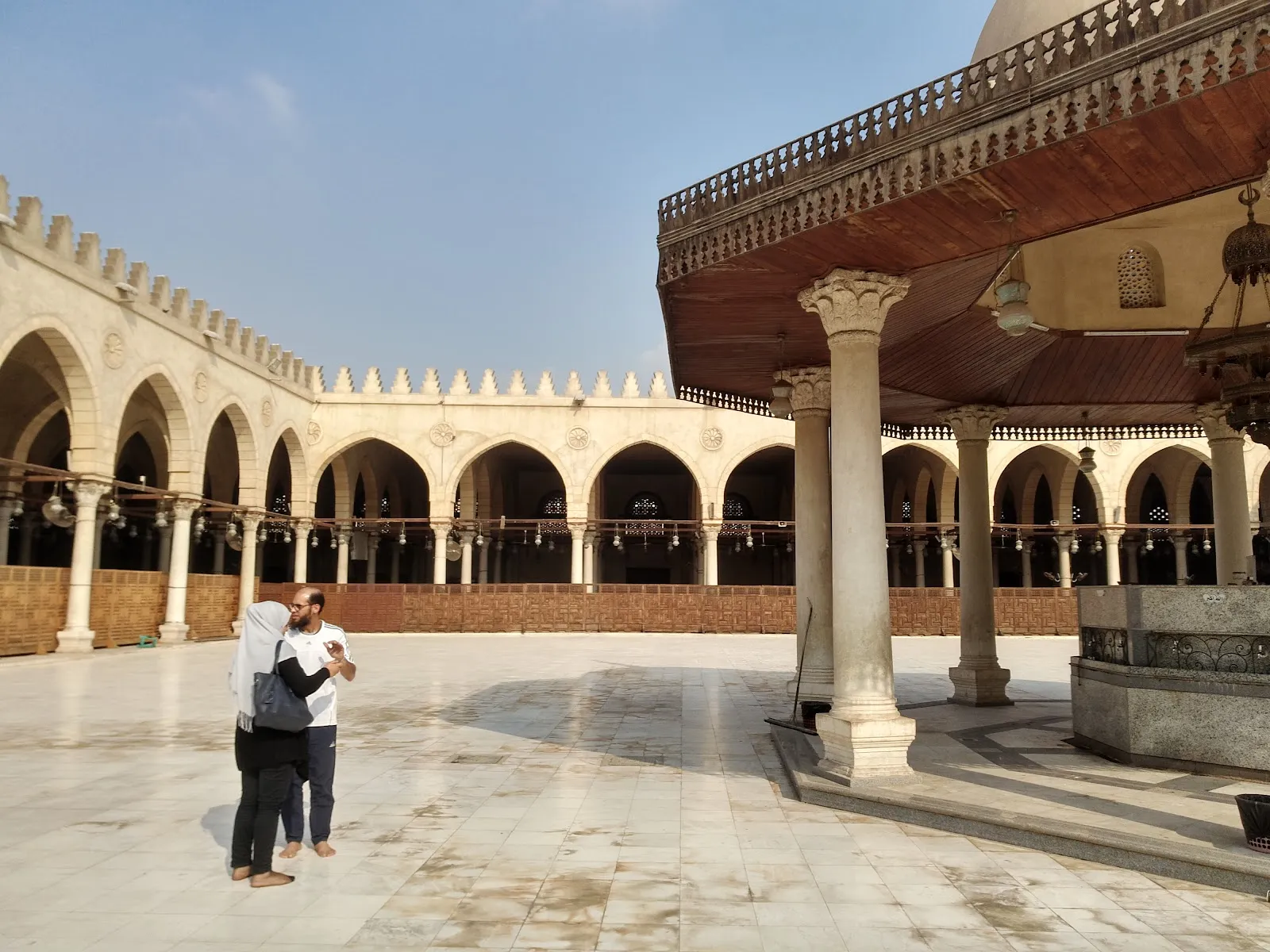
The central courtyard is open to the sky and framed by prayer areas. Rows of columns give the interior a spacious, restrained character. The mosque has separate areas for men and women, and a dedicated place for cleansing. Its scale and layout are easier to take in by walking around the courtyard rather than viewing the building from one point.
The mosque has been rebuilt and restored several times, so the present structure is not an unchanged survival from its founding. Early accounts describe a simple building with a roof made from palm fronds and supports formed from palm trunks. The current design differs from that first structure. Its minarets also came later: the original mosque was built without them, and they were added roughly three decades afterward. The minarets have since been rebuilt more than once.
A stop in Old Cairo
The mosque is close to Coptic Cairo, where churches, the Coptic Museum and Ben Ezra Synagogue are among the nearby historic sites. Visiting both areas in one outing brings together landmarks connected with Islam, Christianity and Judaism in a compact part of the city.
Allow a quiet moment in the courtyard, whether you are visiting for its history, architecture or prayer. Dress and behave respectfully in this active place of worship, and remove your shoes before entering. Early morning is a practical time to come if you want to avoid the heavier visitor traffic.
FAQ
Why is Amr ibn al-As Mosque historically important?
Founded around 642, it is regarded as the first mosque in Egypt and Africa. It was built in Fustat, the early Islamic capital associated with Amr ibn al-As.
What can you see inside the mosque?
The mosque has a large open courtyard surrounded by prayer areas, rows of columns and a dedicated cleansing area. There are separate prayer areas for men and women.
Do you need to remove your shoes?
Yes. Remove your shoes before entering the mosque.
Can you visit Amr ibn al-As Mosque and Coptic Cairo together?
Yes. Coptic Cairo is nearby, so the mosque can be combined with a visit to the area’s churches, museum and synagogue.