Plan a trip
Language: English
Trip plannerPlan your trip on a map

Top destinations

EnglishDeutschFrançaisEspañolPortuguêsPortuguês (BR)Italiano
Travel advisory · EcuadorGuayaquil is in or near an area where governments advise against all but essential travel: El Fortín, Flor de Bastión, Guayaquil city, Guayaquil south of Portete de Tarquí Avenue, Guayas province, Monte Sinaí, Nueva Prosperina, Paraíso de la Flor, Pascuales.Advice depends on your passport. Read your own government's advice before you book.Official advice
Areas with warnings
  • 20 km strip along the Colombian border · avoid all travel · Canada, Spain, France, Italy, New Zealand, UK
  • Durán · avoid all travel · Canada, Germany, Spain, New Zealand, US
  • Esmeraldas city and north · avoid all travel · Germany, US
  • El Fortín · avoid non-essential travel · Canada, New Zealand
  • El Oro province · avoid non-essential travel · Spain, France, UK
  • Esmeraldas province · avoid non-essential travel · Canada, Spain, France, Italy, New Zealand, UK
  • Flor de Bastión · avoid non-essential travel · Canada, New Zealand
  • Guayaquil city · avoid non-essential travel · France, New Zealand
  • Guayaquil south of Portete de Tarquí Avenue · avoid non-essential travel · Germany, US
  • Guayas province · avoid non-essential travel · Spain, France, UK
  • Huaquillas and Arenillas · avoid non-essential travel · Canada, US
  • Los Ríos province · avoid non-essential travel · Spain, France, UK
  • Manabí province · avoid non-essential travel · Spain, France, UK
  • Monte Sinaí · avoid non-essential travel · Canada, New Zealand
  • Nueva Prosperina · avoid non-essential travel · Canada, US
  • Paraíso de la Flor · avoid non-essential travel · Canada, New Zealand
  • Pascuales · avoid non-essential travel · Canada, US
  • Quevedo · avoid non-essential travel · Canada, US
  • Santa Elena province · avoid non-essential travel · Spain, France, UK
  • Santo Domingo de los Tsáchilas province · avoid non-essential travel · Spain, France, UK
  • Sucumbíos province · avoid non-essential travel · Spain, New Zealand

Also named by one government: Chinchipe (Canada), Ciudad de Dios (New Zealand), El Pangui (Canada), Entrada de la 8 (New Zealand), Nangaritza (Canada), Pueblo Viejo (US), Quinsaloma (US), Socio Vivienda (New Zealand), Yantzaza (Canada), Babahoyo (Canada), Bastión Popular (Canada), Esteros (Canada), La Florida (Canada), Las Orquídeas (Canada), Machala (Canada), Milagro (Canada), Monte Bello (Canada), Mucho Lote (Canada), Nueva Loja (Lago Agrío) (France), Orellana province (Spain), Portete (Canada), Southern and western Guayaquil (Spain), Sur (Canada)

GovernmentAdviceUpdatedRead the advice
United Kingdom (FCDO)No advice against the whole country (regional advisories)–Read the advice
United States (State Dept)Exercise increased caution (regional advisories)Aug 18, 2026Read the advice
Canada (Global Affairs)Exercise a high degree of caution (regional advisories)–Read the advice
Germany (Auswärtiges Amt)No advice against the whole country (regional advisories)Oct 13, 2026Read the advice
New Zealand (SafeTravel)Exercise increased caution (regional advisories)–Read the advice
France (Ministry for Europe and Foreign Affairs)Zone de vigilance renforcée (reste du pays) (regional advisories)–Read the advice

Checked daily from the governments' published advice; last checked Nov 2, 2026. RoamLedger summarises official advice; it is not advice from any government.

Parque del Centenario
Park

Parque Centenario

Parque Centenario in Guayaquil: a shaded downtown park with Greek-style sculptures, fountains and the Columna de los Próceres. Plan your daylight visit.

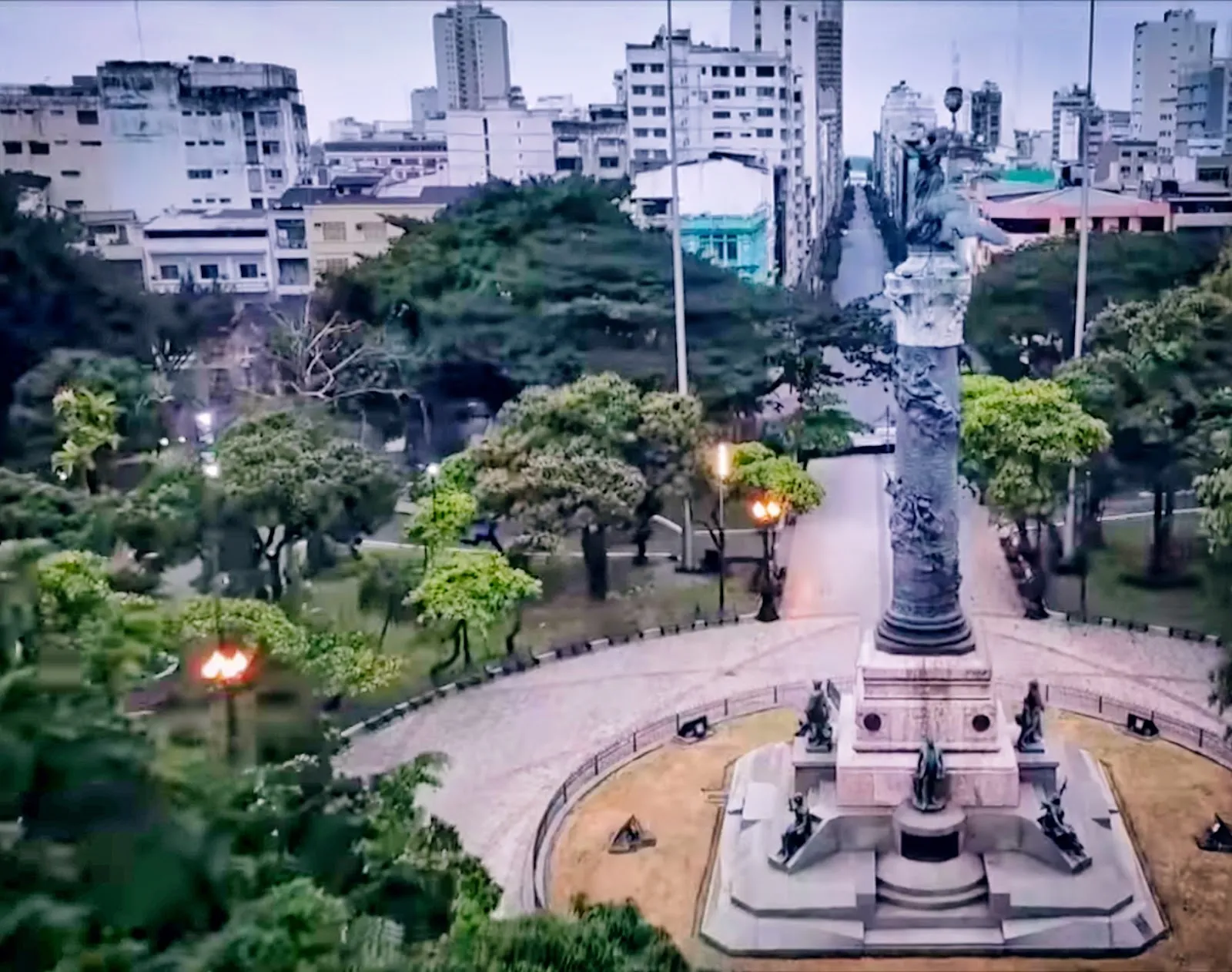
Parque Centenario is a large downtown park in Guayaquil, on Avenida 9 de Octubre between Lorenzo de Garaycoa and Quito streets. It covers roughly 49 acres across four city blocks, with shaded walkways, lawns and benches. The centerpiece is the Columna de los Próceres, set among Greek-influenced sculptures, fountains and imitation Greek gardens. Locals rest under mango trees, and downtown workers often eat lunch here. It is a calm break from the city streets and a good first stop before Barrio Las Peñas.

From a monument to a park
Parque Centenario
Parque Centenario

The park began as a sculpture project to mark Guayaquil's independence, at the end of the 19th century. The square chosen for the Columna de los Próceres proved too small for the monument, so more land was taken from nearby village holdings. A series of such takings followed until the grounds grew into the park that exists today.

The park opened in 1920 and was dedicated to one hundred years of Guayaquil's independence from colonial rule. That anniversary gave the park its name, Parque Centenario, which means Centennial Park.

What to see inside the park
Parque Centenario
Parque Centenario

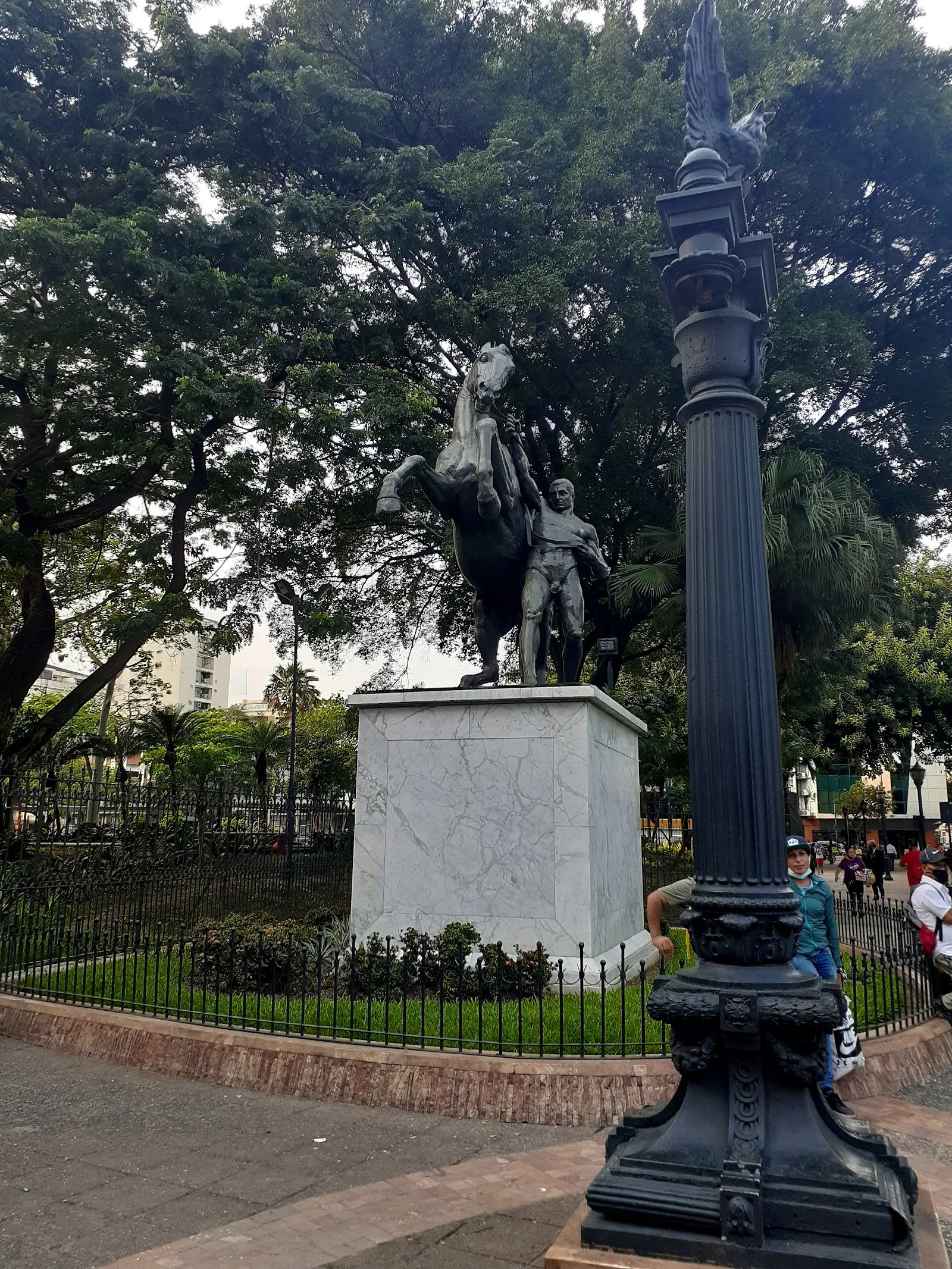
The Columna de los Próceres stands at the heart of the park and honors the people who won Guayaquil's independence. Around it are allegorical and mythological statues, several sculptures by foreign designers of the period, and water fountains.

The gardens follow the lines of classical Greek settings, with paths, lawns and benches laid out for slow walks. A bandstand was built for open-air concerts, and it still marks the park's role as a place for public gatherings.

Using the park and getting around

Mango trees and large shade trees cover the walkways, so the park is easy to enjoy in the middle of the day. Benches are spread throughout, and many people stop here to rest, talk or watch the passing crowd.

For the walk to the next stop, Barrio Las Peñas is the city's last colonial neighborhood. From the park you can head into its streets, which hold art and cafés, and climb the 444 steps to Santa Ana Hill. Visit the park first, then leave the afternoon for the neighborhood and the hill.

FAQ

Where is Parque Centenario?

It is on Avenida 9 de Octubre, between Lorenzo de Garaycoa and Quito streets, in the downtown area of Guayaquil.

What is the main monument in the park?

The Columna de los Próceres is the park's central monument. It honors Guayaquil's independence and is surrounded by sculptures, fountains and gardens.

Is it safe to visit at night?

Security in the park is limited after dark, so plan your visit for daylight hours.

When did the park open?

The park opened in 1920 and was dedicated to one hundred years of Guayaquil's independence from colonial rule.

More must-sees in Guayaquil

Explore all