Plan a trip
Language: English
Trip plannerPlan your trip on a map

Top destinations

EnglishDeutschFrançaisEspañolPortuguêsPortuguês (BR)Italiano
Travel advisory · ColombiaSome governments advise against travel to parts of Colombia.The warnings cover only these areas: Arauca Department, Buenaventura, Caquetá Department, Catatumbo region, Cauca Department, Chocó Department, Ecuador border areas, Norte de Santander Department, Panama border areas, Tumaco, Valle del Cauca Department, Venezuela border areas, Casanare Department, Cúcuta, Guainía Department, Guaviare Department, Jamundí, Meta Department, Nariño Department, Northern Antioquia, Putumayo Department, Southern Bolívar, Southern Córdoba, Urabá region and Gulf of Urabá, Vaupés Department, Vichada Department.Advice depends on your passport. Read your own government's advice before you book.Official advice
Areas with warnings
  • Arauca Department · avoid all travel · Canada, Spain, New Zealand, UK, US
  • Buenaventura · avoid all travel · Canada, Germany, New Zealand, UK
  • Caquetá Department · avoid all travel · Canada, Spain, France, New Zealand
  • Catatumbo region · avoid all travel · Spain, New Zealand
  • Cauca Department · avoid all travel · Canada, Germany, Spain, France, Italy, New Zealand, UK, US
  • Chocó Department · avoid all travel · Canada, Germany, Spain, France, New Zealand, UK
  • Ecuador border areas · avoid all travel · France, New Zealand
  • Norte de Santander Department · avoid all travel · Canada, Germany, Spain, New Zealand, UK, US
  • Panama border areas · avoid all travel · Spain, France, New Zealand
  • Tumaco · avoid all travel · Canada, Spain, New Zealand
  • Valle del Cauca Department · avoid all travel · Canada, Germany, France, Italy, New Zealand, US
  • Venezuela border areas · avoid all travel · Germany, France, New Zealand
  • Casanare Department · avoid non-essential travel · Spain, New Zealand
  • Cúcuta · avoid non-essential travel · Canada, UK
  • Guainía Department · avoid non-essential travel · Canada, France, New Zealand
  • Guaviare Department · avoid non-essential travel · Canada, Germany, Spain, France, New Zealand, UK
  • Jamundí · avoid non-essential travel · Germany, UK
  • Meta Department · avoid non-essential travel · Canada, Spain, New Zealand
  • Nariño Department · avoid non-essential travel · Canada, Germany, Spain, France, New Zealand
  • Northern Antioquia · avoid non-essential travel · Germany, France
  • Putumayo Department · avoid non-essential travel · Canada, Germany, Spain, France, New Zealand
  • Southern Bolívar · avoid non-essential travel · Germany, France, New Zealand, UK
  • Southern Córdoba · avoid non-essential travel · Germany, France, New Zealand, UK
  • Urabá region and Gulf of Urabá · avoid non-essential travel · Spain, UK
  • Vaupés Department · avoid non-essential travel · Canada, France
  • Vichada Department · avoid non-essential travel · Canada, France, New Zealand

Also named by one government: Banks of the Río Cauca (France), Brazil border areas (France), Cali–Popayán–Pasto–Ipiales highway (France), Communes immediately south of Cali (France), Ecuador border, within 50 km (Canada), González and Río de Oro municipalities (Cesar) (Canada), Montes de María (Spain), Panama border, within 100 km (Canada), Peru border areas (France), Venezuela border, within 10 km (US), Venezuela border, within 50 km (Canada), Amazonas Department (France), Amazonas, within 20 km of Peru border (Canada), Antioquia Department (New Zealand), Antioquia, Chocó border area north of Buriticá (Canada), Ariari region of southern Meta (UK), Bahía Solano (Canada), Bajo Cauca region (UK), Capurganá (Canada), Cartagena del Chairá (UK), Communes on the flanks of Medellín (France), Earthquake-affected zone (Eje Cafetero and Suroriente) (Spain), Eastern and southern Meta (Germany), Eastern Valle del Cauca (France), Ecuador border, within 5 km (UK), El Doncello (UK), Florencia (Canada), Ipiales and Ipiales border crossing (Canada), La Montañita (UK), Nuquí (Canada), Orito (UK), Palmira (Germany), Paramillo National Natural Park (Córdoba) (Canada), Paujil (UK), Popayán (Canada), Puerto Asís (UK), Puerto Caicedo (UK), Puerto Carreño (UK), Puerto Guzmán (UK), Puerto Leguízamo (UK), Puerto Rico (Caquetá) (UK), Quibdó (France), San Jorge and La Mojana subregions of Sucre (New Zealand), San Miguel (UK), San Vicente del Caguán (UK), Sanquianga region of Nariño (UK), Santander Department (France), South Pacific region of Nariño (UK), Southern Bogotá working-class districts (France), Southern Sucre (France), Southern Tolima (incl. Ataco, Chaparral, Planadas, Rioblanco) (Germany), Sur sub-region of Cesar (New Zealand), Telembi region of Nariño (UK), Valle del Guamuez (UK), Venezuela border, within 5 km (UK), Western Valle del Cauca (incl. Buenaventura) (UK)

GovernmentAdviceUpdatedRead the advice
United Kingdom (FCDO)No advice against the whole country (regional advisories)–Read the advice
United States (State Dept)Reconsider travelMar 31, 2026Read the advice
Canada (Global Affairs)Exercise a high degree of caution (regional advisories)–Read the advice
Germany (Auswärtiges Amt)Keine Reisewarnung für das ganze Land (regional advisories)Oct 13, 2026Read the advice
New Zealand (SafeTravel)Exercise increased caution due to violent crime and the threat of terrorism (regional advisories)–Read the advice
France (Ministry for Europe and Foreign Affairs)Increased vigilance, with specific areas to avoid (regional advisories)–Read the advice

Checked daily from the governments' published advice; last checked Nov 2, 2026. RoamLedger summarises official advice; it is not advice from any government.

a beach with palm trees and clear blue water
Historic site

Fuerte de San Sebastián del Pastelillo

Visit Cartagena’s Fuerte de San Sebastián del Pastelillo, a 1743 harbour fort now home to a seafood restaurant with sunset views across the bay.

Fuerte de San Sebastián del Pastelillo is a historic fort on Avenida Miramar in Manga, now home to a restaurant overlooking Cartagena’s bay. Built in 1743 to help defend the city and control maritime traffic, it gives you a different angle on the harbour and the modern part of Cartagena. Come before sunset for the changing light and sea breeze, then settle in for Caribbean seafood in the fort’s open-air setting. Grilled mahi-mahi, lobster tail with garlic butter and cazuela de mariscos are among the dishes to look for.

A fort guarding Cartagena’s bay
Fuerte de San Sebastián del Pastelillo

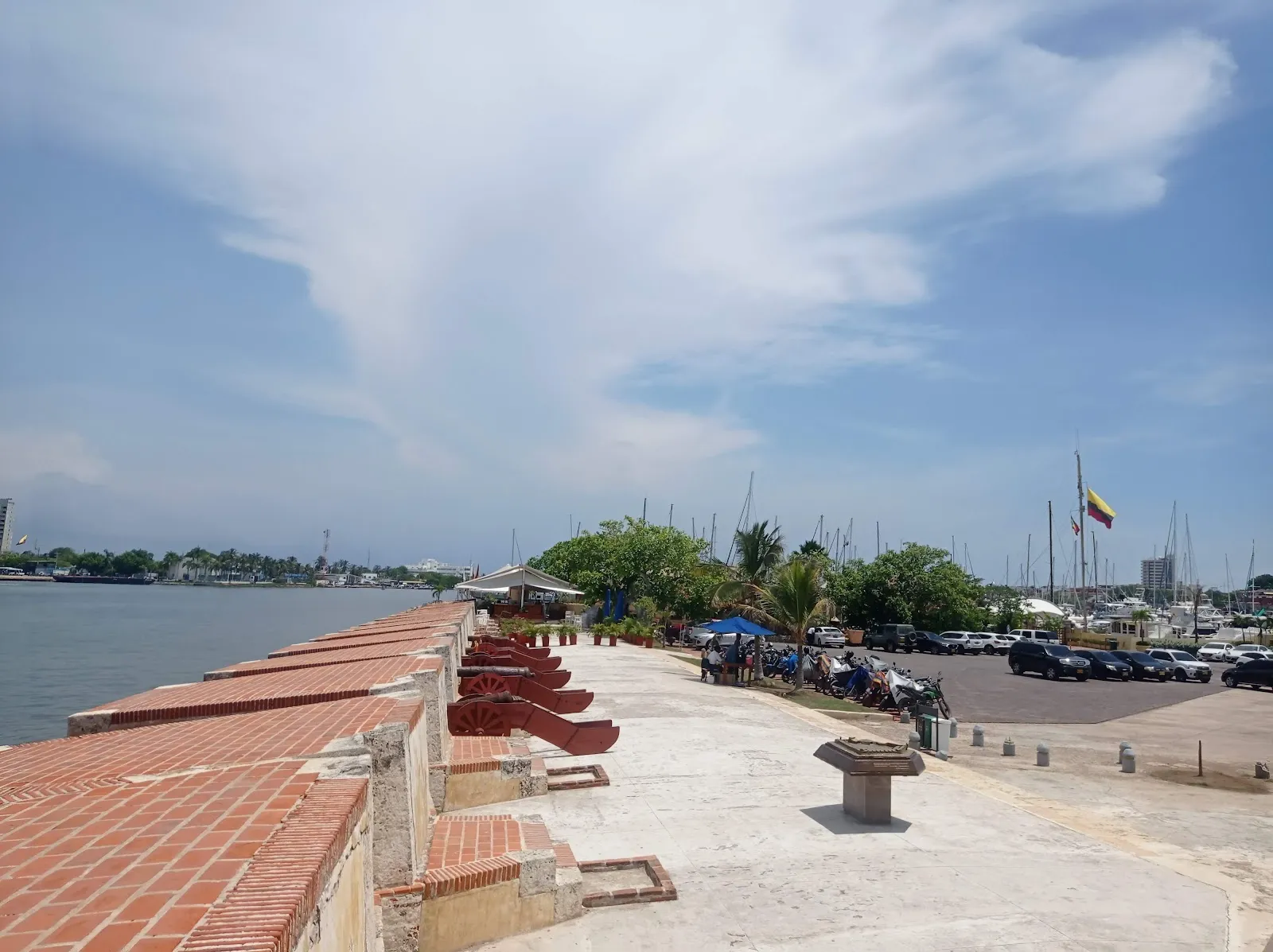
Fuerte de San Sebastián del Pastelillo was built in 1743 to defend Cartagena and control maritime traffic in the bay. It formed part of a wider system of fortifications around the harbour, alongside forts at the bay’s entrances and within its interior.

The fort’s position helps explain its purpose. From here, the view looks across the bay towards Cartagena’s modern districts, giving a perspective distinct from the city’s historic centre.

From defensive post to restaurant
Fuerte de San Sebastián del Pastelillo

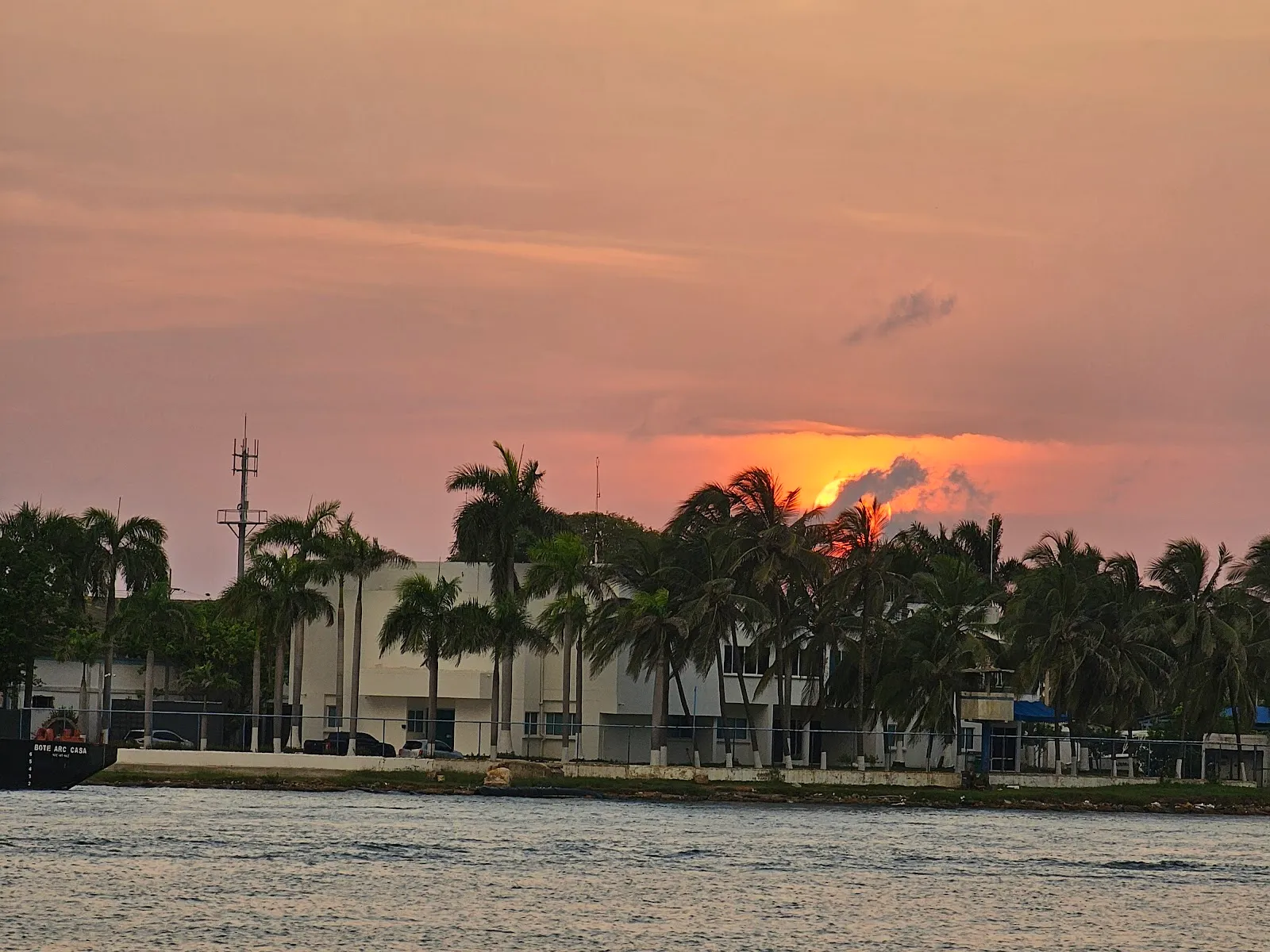
The colonial structure now houses a restaurant and sits beside a port for sailboats. Open-air seating makes the bay part of the dining setting, and the fort’s historic architecture remains visible around the tables.

The restaurant serves Caribbean-inspired food, with seafood among the main choices. Dishes noted on the menu include grilled mahi-mahi, lobster tail with garlic butter and cazuela de mariscos. Coconut rice and fried plantains accompany the seafood, while a passionfruit mojito is one drink to look for.

Planning a visit

The setting is especially suited to an evening meal timed around sunset. Arriving beforehand gives you time to take in the harbour as the light changes. Comfortable shoes and water are useful because moving around the site involves a good deal of walking.

Reservations are worth considering for a celebration or other special occasion. The fort has a wheelchair-accessible entrance and parking.

FAQ

What is Fuerte de San Sebastián del Pastelillo?

It is a historic fort built in 1743 to defend Cartagena and control maritime traffic in the bay. Today it houses a restaurant and sits beside a port for sailboats.

What can you eat at the fort?

The restaurant serves Caribbean-inspired food, including seafood. Dishes to look for include grilled mahi-mahi, lobster tail with garlic butter and cazuela de mariscos.

When is a good time to visit?

Arrive before sunset to see the light change over the bay and enjoy the evening sea breeze.

Is the fort wheelchair accessible?

It has a wheelchair-accessible entrance and parking.
More must-sees in Cartagena

Explore all