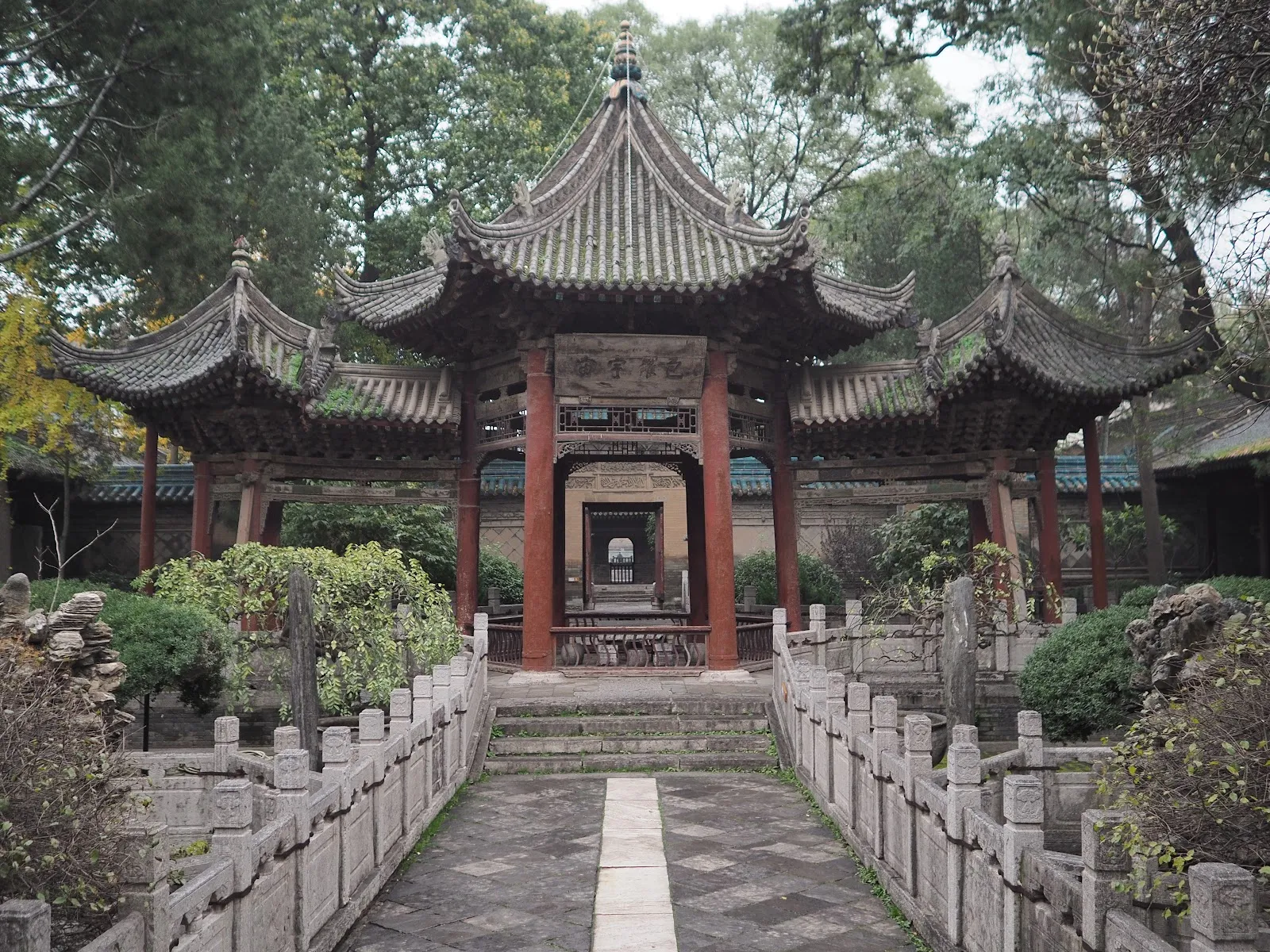
Emperor Qinshihuang's Mausoleum Site Museum sits in the Lintong district, about 45 minutes from downtown Xi'an, and houses the Terracotta Army. The museum was built around the spot where local farmers found the site in 1974. Three major pits hold rows of life-sized soldiers, horses and chariots. The warriors are the draw, and no two faces or hairstyles are the same. Allow time to walk between the pits and read the signs, which explain the Qin dynasty and the first emperor of China.
How the site was found
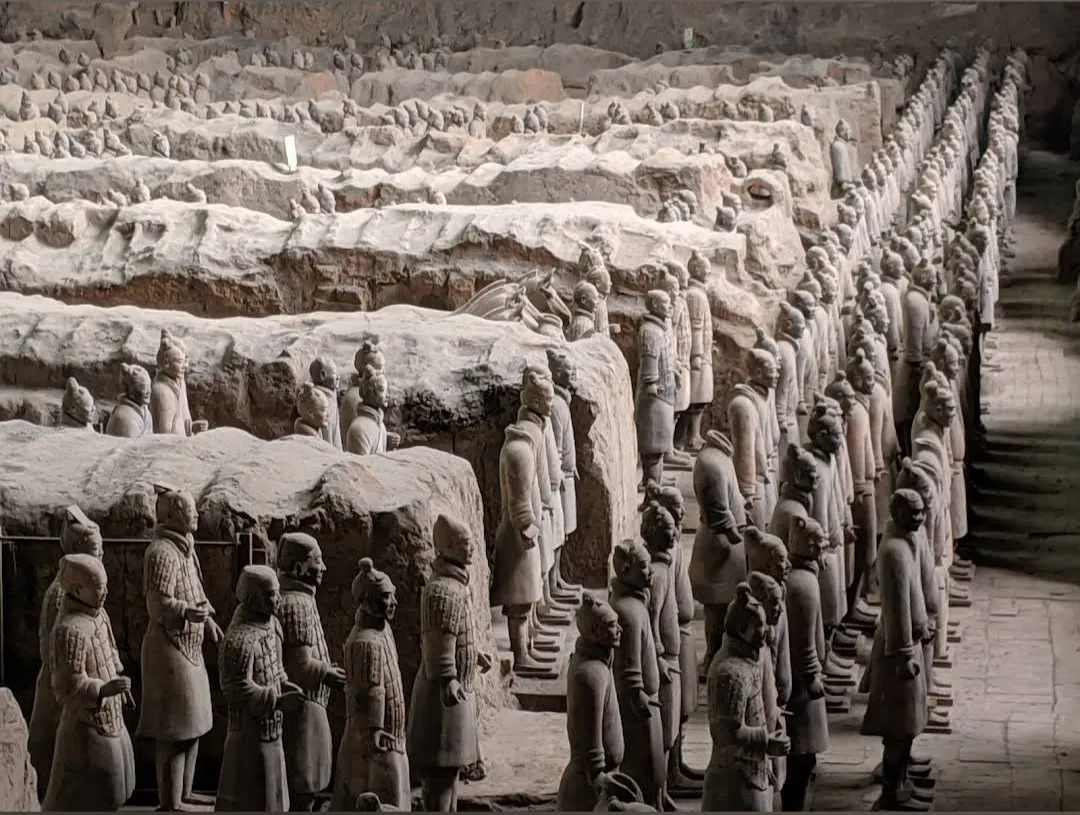
On 24 March 1974, a group of local farmers found what became one of the great archaeological discoveries of the 20th century. The site is the burial place of Qin Shihuang, the first emperor of China (259 to 210 BC).
The museum was built around the discovery spot. It opened in 1979 as the four-acre Museum of Qin Terra-Cotta Warriors and Horses. The Terracotta Army is a UNESCO World Heritage Site.
The three pits
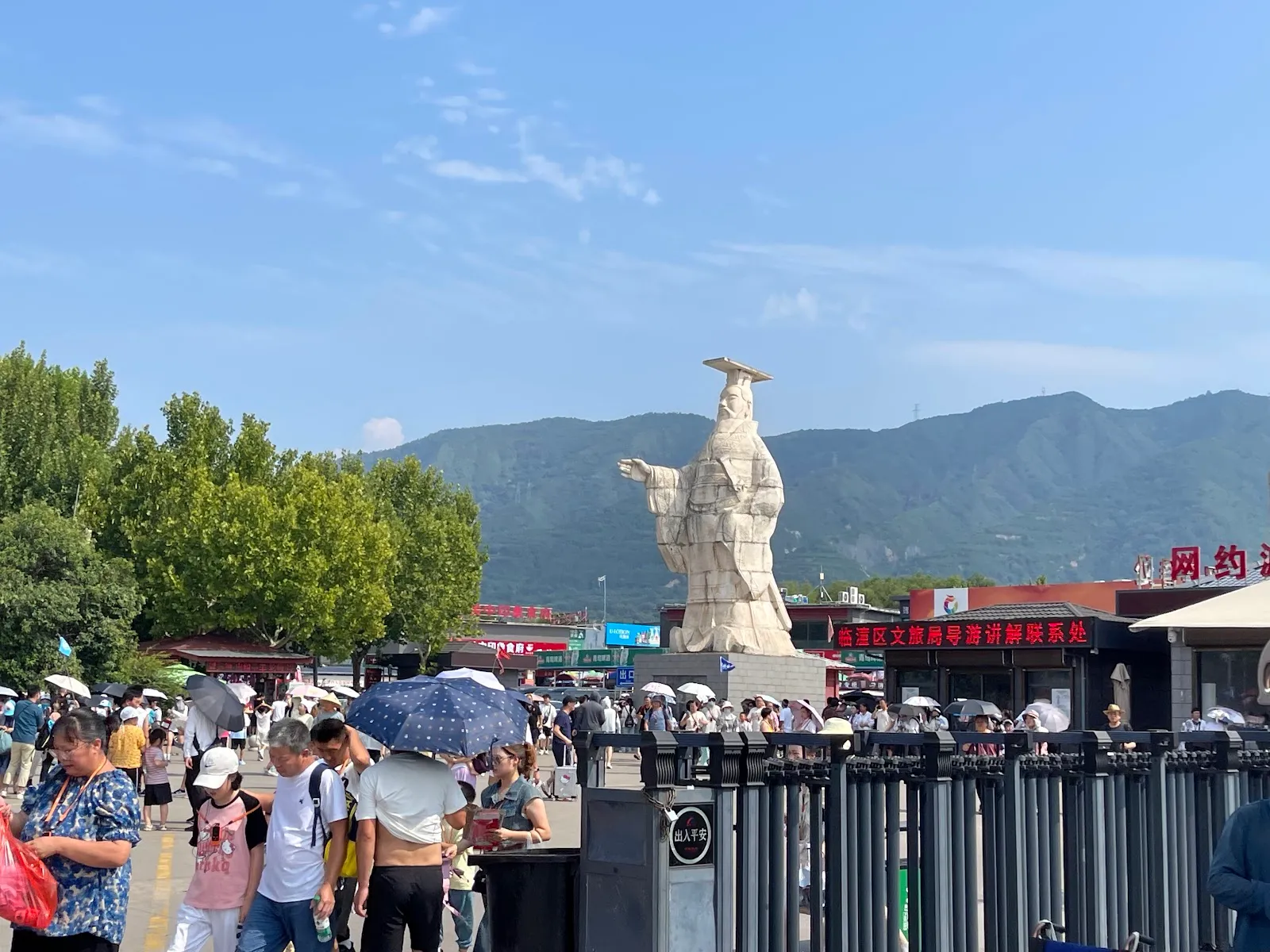
Three major pits are open to visitors, and some of the other pits are harder to reach. In one of them, long columns of warriors stand in formation. Many of the figures were reassembled from broken pieces.
Their topknots or caps, tunics or armored vests, and goatees or close-cropped beards give each soldier his own look. Walk slowly and look at the faces, since the differences between them are the point of the display.
Why the army was built
The emperor wanted protection in the afterlife. His army was made of terracotta and included 8,000 soldiers, 130 chariots with 520 horses, and 150 cavalry horses. The first group of soldiers is said to be the 'Dare to Die' unit, quick and sharp in formation.
The story of Qin's rise includes hostages, feuding brothers and wars before he unified the territory that became China. According to legend, more than 700,000 people built the mausoleum, which lies beneath a burial mound that stood for more than two thousand years.
Planning the visit
The entrance, restroom and parking lot are wheelchair accessible. The site has a restaurant and a changing table for babies. It is considered good for children.
Tickets are best bought in advance on Trip.com, which is the route open to foreign visitors. Allow about three hours and set aside time for the walking between pits.
Getting there
The museum is about 45 minutes from downtown Xi'an by car or bus. Several city bus routes stop at the mausoleum, so the trip can be made by public bus.
FAQ
Is there an entry fee?
Yes, the site charges admission. Tickets can be bought in advance on Trip.com, which helps during busy periods.
How do you get to Emperor Qinshihuang's Mausoleum from Xi'an?
The site is about 45 minutes from downtown Xi'an by car or bus. Several bus routes into the city have stops at the mausoleum.
How long do you need?
Plan about 3 hours, especially with a guided tour. Expect significant walking between the pits.
Is the site wheelchair accessible?
The entrance, restroom and parking lot are wheelchair accessible.