The China Railway Museum’s Dongjiao Hall in Beijing’s Chaoyang District brings together locomotives and railway vehicles from the Qing dynasty through the early 21st century. See steam, diesel and electric trains, including engines built in China and abroad, displayed indoors and outside. English and Chinese notes explain the exhibits, though some railway history information is available only in Chinese. Train enthusiasts can also pay extra to enter Chairman Mao’s personal train. The site is spacious, so allow time to explore the collection.
Locomotives from different eras
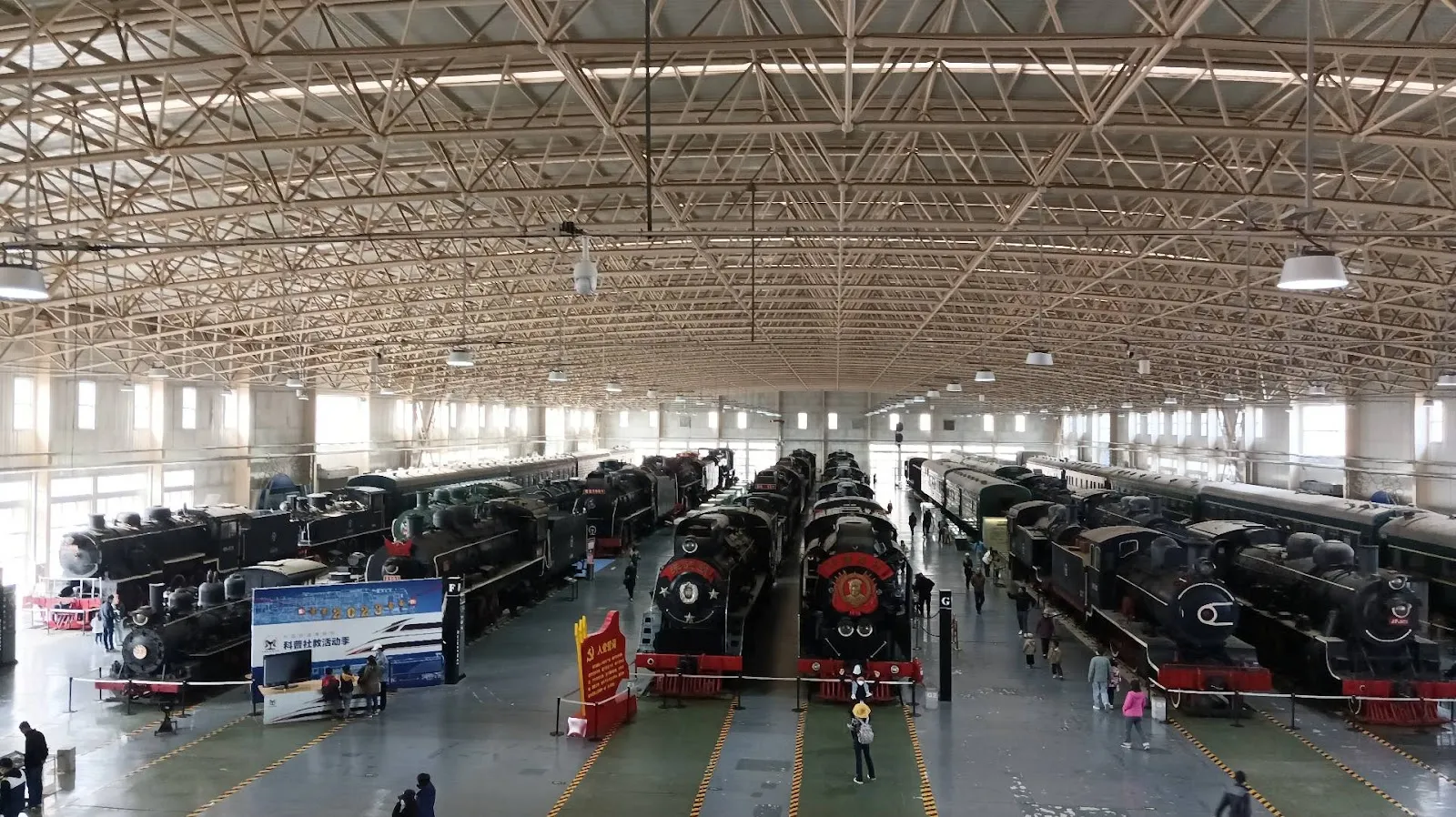
The Dongjiao Hall is the China Railway Museum’s locomotive and vehicle exhibition site in Chaoyang District. Its collection spans from the Qing dynasty to the early 21st century, with trains in different sizes and configurations. Steam, diesel and electric locomotives sit alongside carriages and other railway vehicles.
The collection includes engines that ran on China’s railways, built both domestically and in countries including Japan, Britain and Romania. Displays extend outdoors as well as indoors, giving you room to view the trains from different angles.
Reading the displays
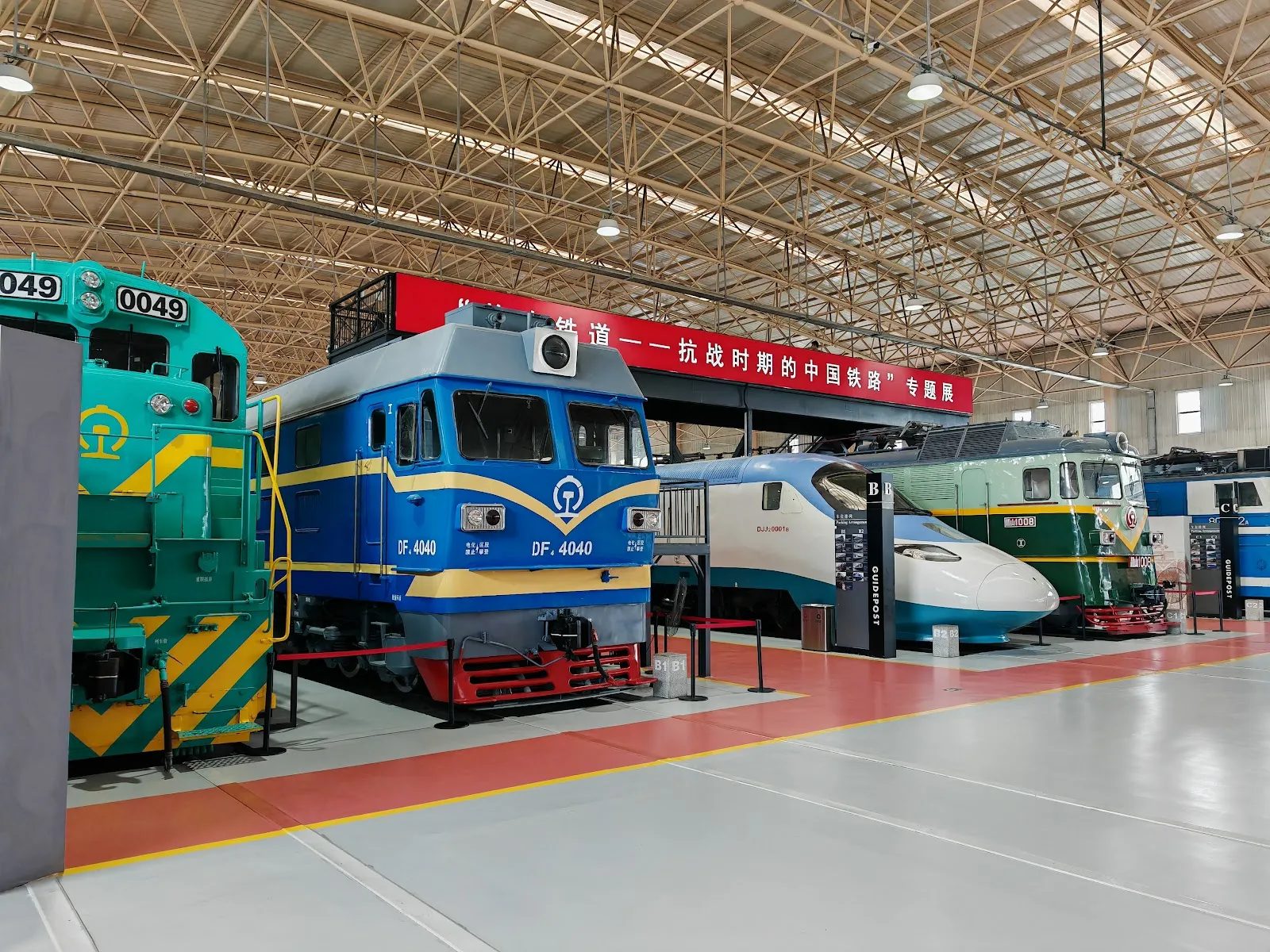
Exhibit notes are available in English and Chinese and provide information about individual trains. Some material on China’s railway history is only in Chinese, so a translation app or guidebook can help if you do not read the language.
Chairman Mao’s personal train is a separate paid experience. You can pay extra to go inside; check the charge when you arrive. If your time is limited, focus on the outdoor locomotives, which can be viewed without entering the indoor sections.
FAQ
Where is the China Railway Museum’s Dongjiao Hall?
It is on Jiuxianqiao North Road in Beijing’s Chaoyang District.
Can you see trains outdoors?
Yes. The museum has outdoor locomotive displays, and the outdoor area can be visited without entering the indoor sections.
Is information available in English?
Exhibit notes are available in English and Chinese, but some information about China’s railway history is only in Chinese.
Can you go inside Chairman Mao’s train?
Yes, entry to the train is available for an extra fee.