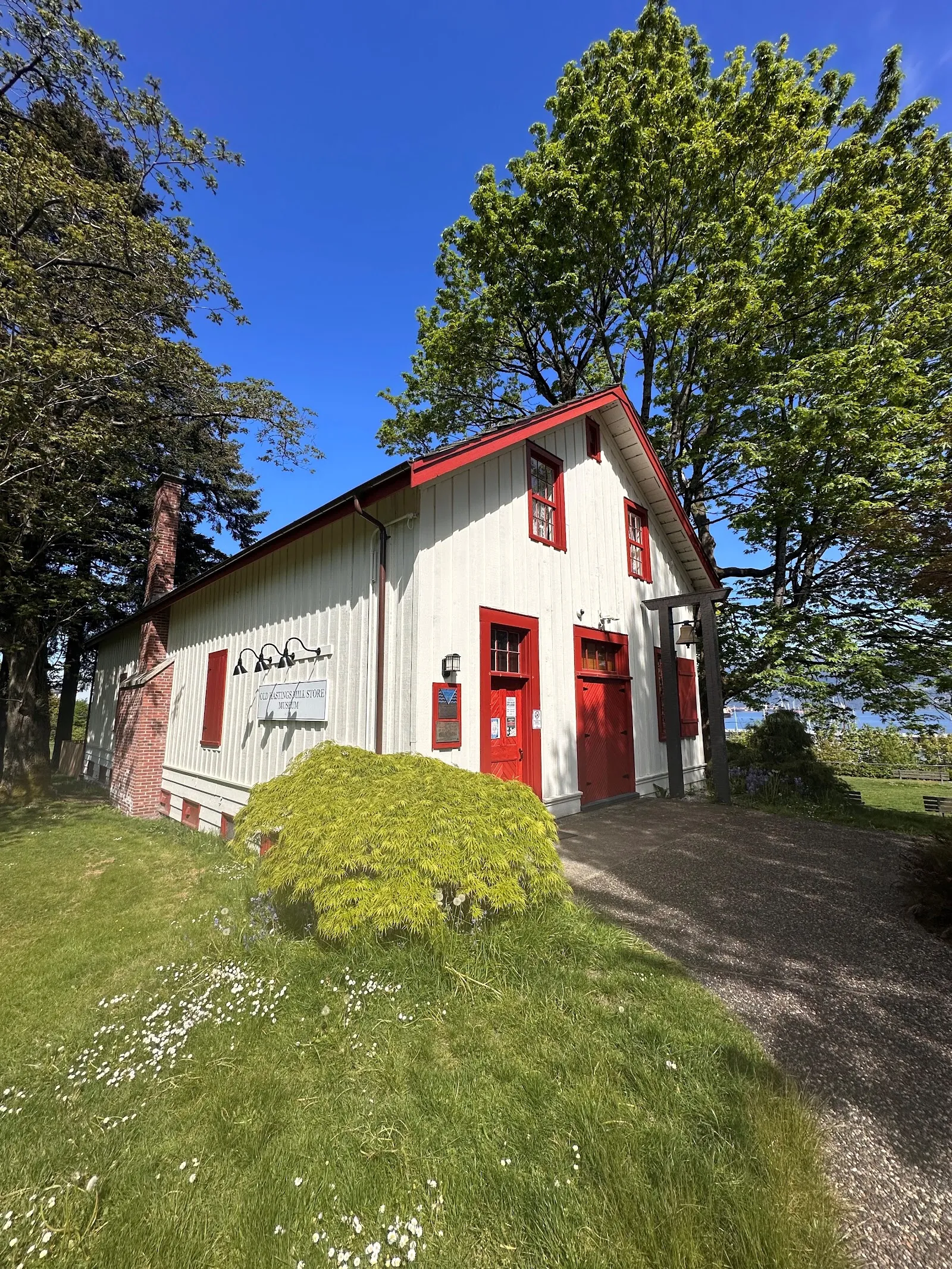
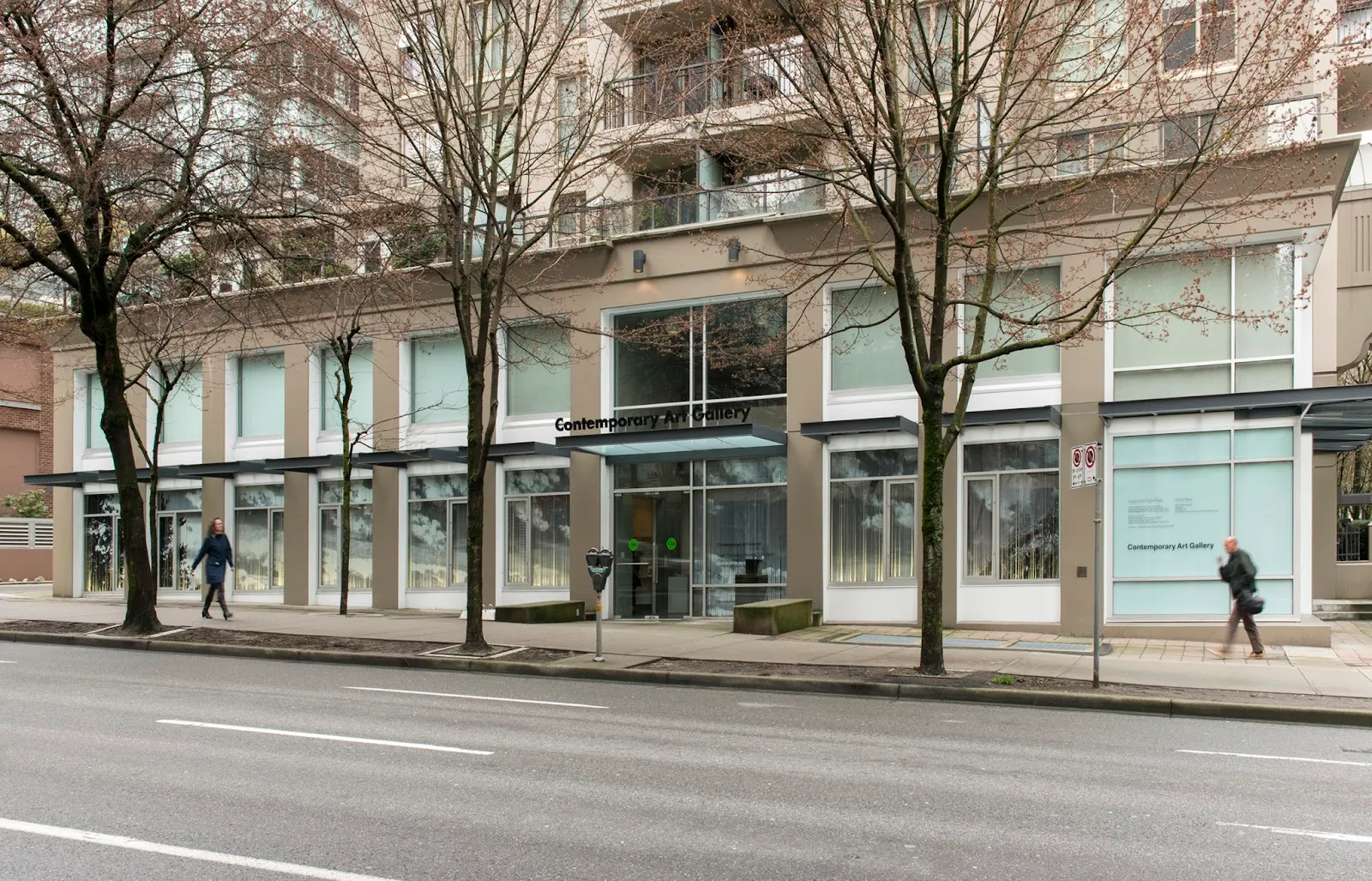
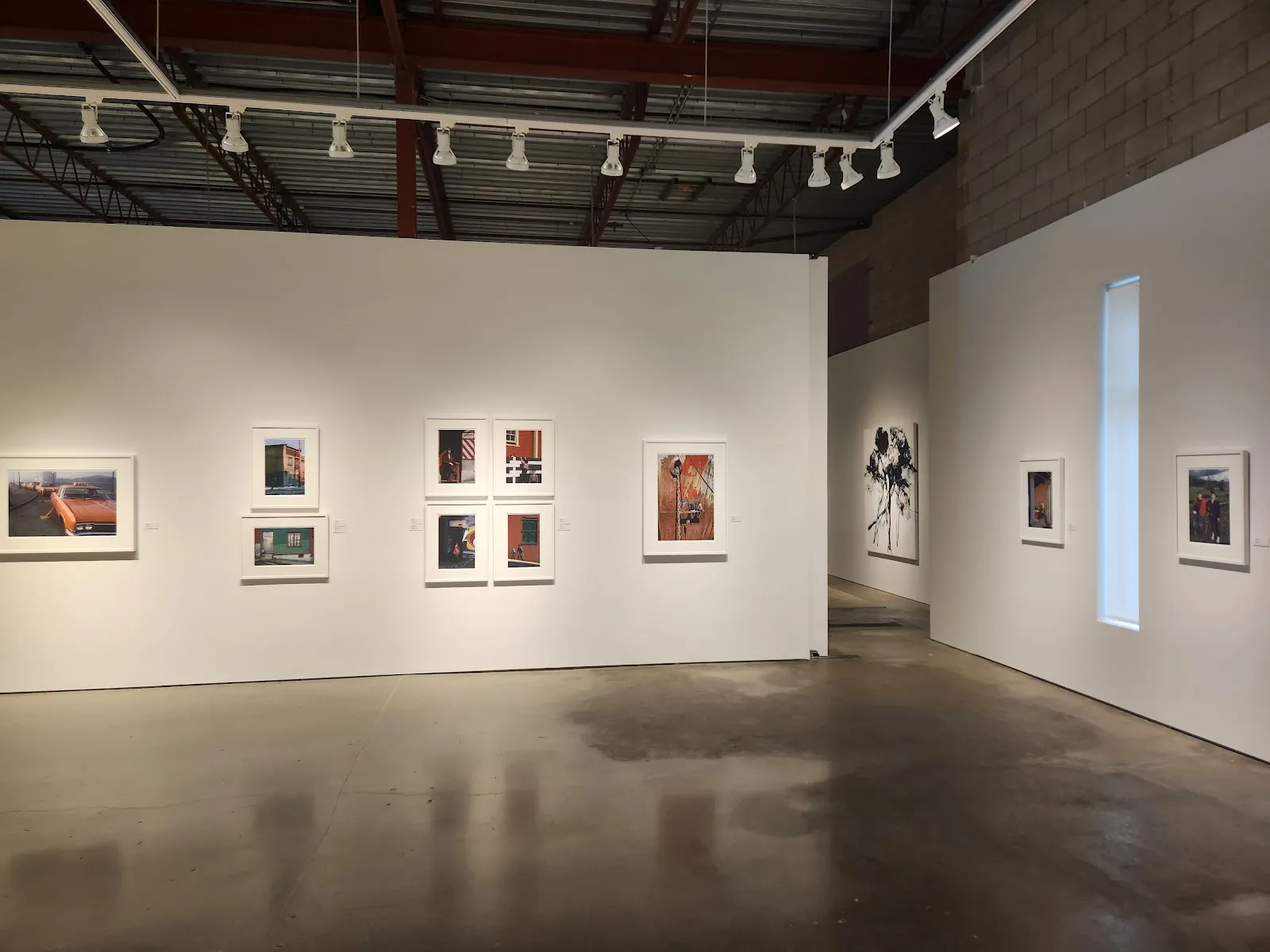
The Museum of Vancouver is a city-history museum in Vanier Park, at 1100 Chestnut St, between Kitsilano Beach and Granville Island. Its galleries trace Vancouver’s development through objects, photographs and stories, with Indigenous histories and the city’s changing communities among the subjects. Look for the historic neon signs and exhibitions on Vancouver’s past; temporary displays bring other themes into view. The museum is easy to explore at your own pace, and its location near the waterfront makes it simple to pair a visit with a walk in the park.
Vancouver’s story through its galleries
The Museum of Vancouver uses objects, photographs and personal accounts to trace the city’s history and changing identity. The galleries move from Indigenous histories and early communities through the city’s growth and into more recent decades. Rather than presenting Vancouver as a story of buildings alone, the displays connect urban change with the people who lived through it.
The material covers a wide span of civic and cultural history. Subjects include Indigenous communities, immigration, urban development and the city’s changing relationship with its surroundings. Exhibitions have also explored Chinese immigration and the experiences of people affected by Long Covid. Temporary displays vary, so check what is on before planning your visit around a particular subject.
Neon signs and the changing city
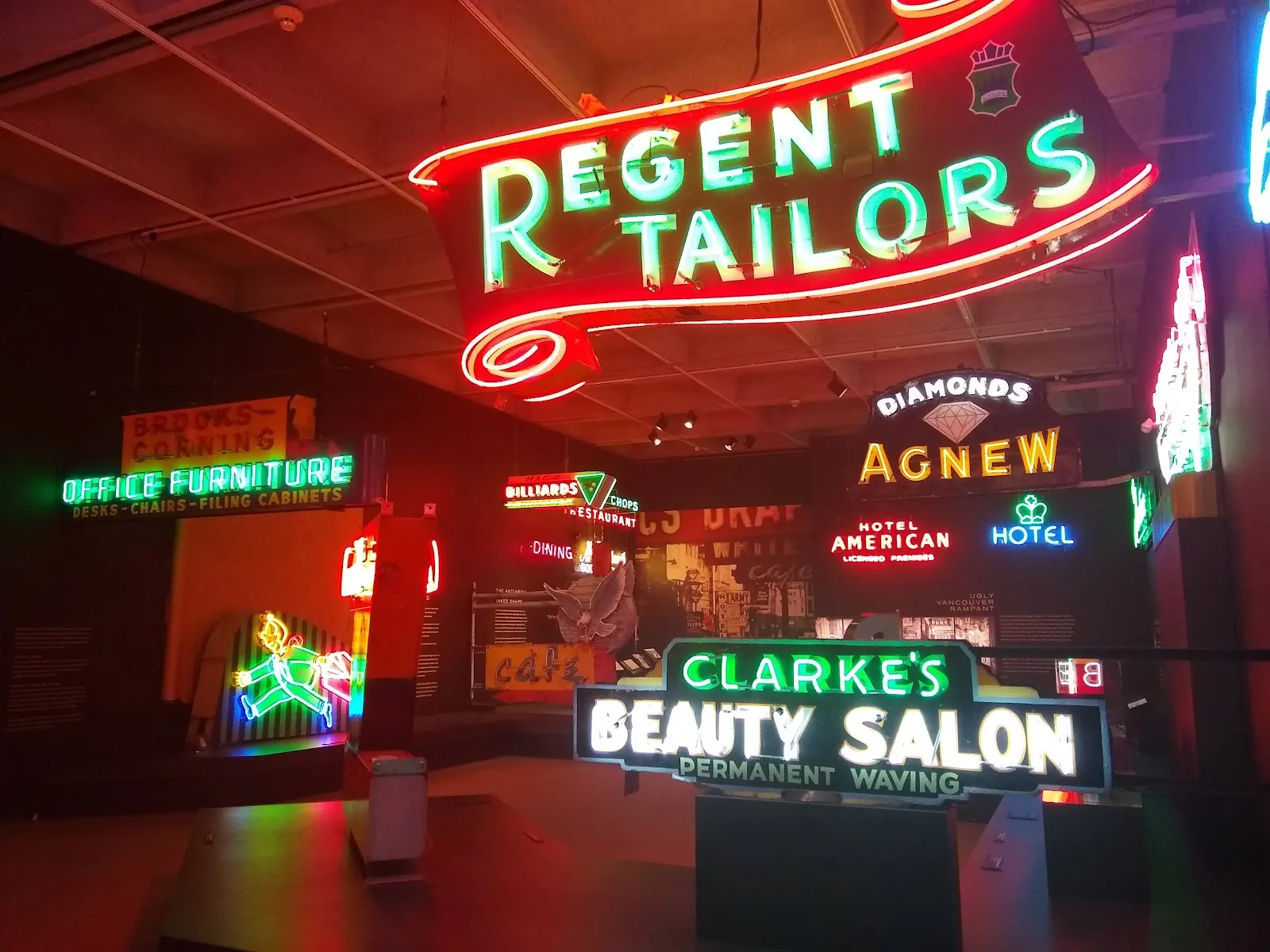
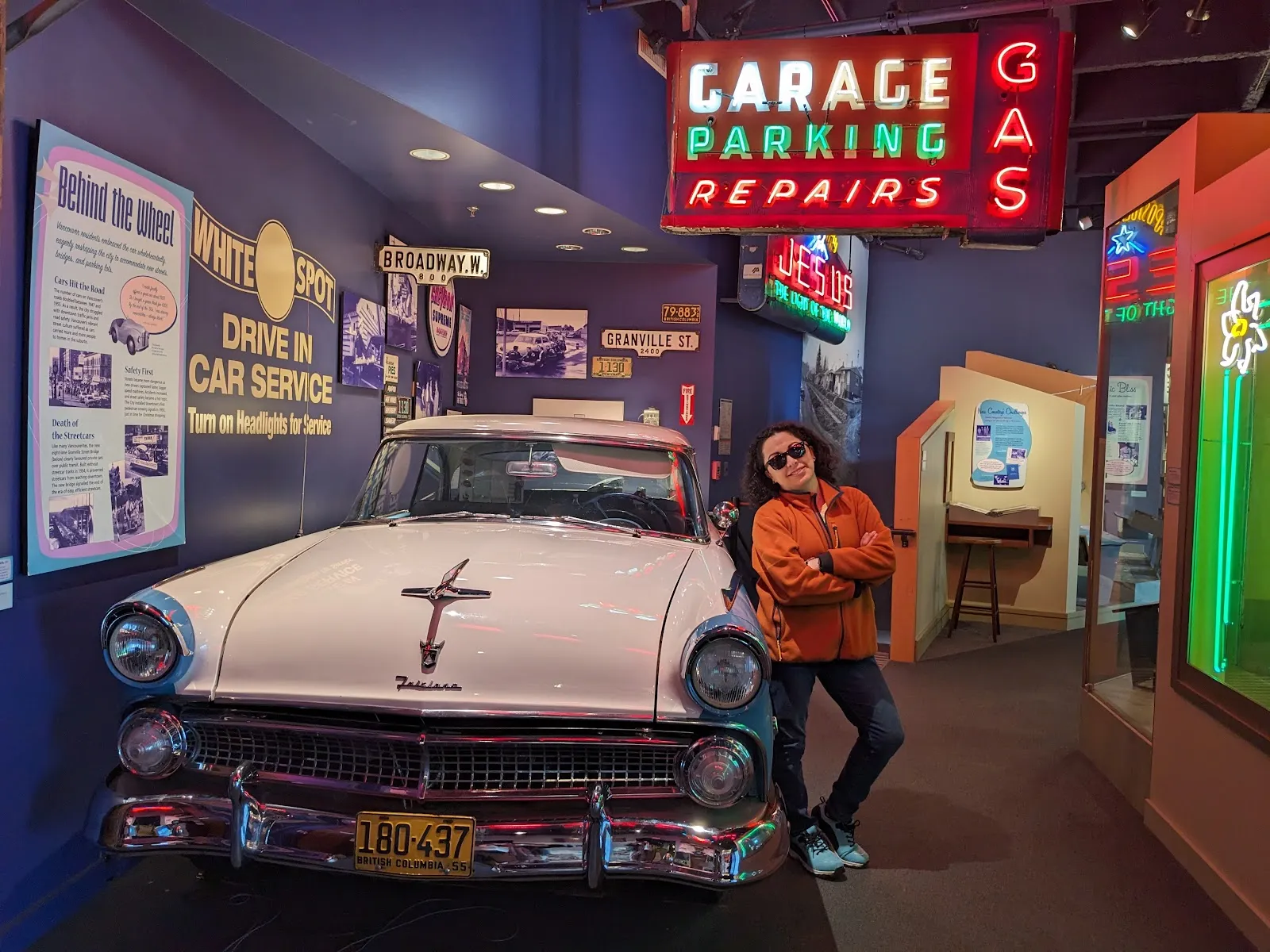
The Neon Vancouver | Ugly Vancouver gallery looks at the city’s neon era, with signs from the 1950s through the 1970s. The signs offer a direct view of how businesses and streets once looked, and they make a striking change of pace from text-led displays. A visitor can take time to examine the lettering, colours and designs as historical objects, rather than simply as decoration.
Other displays have brought together photographs and artefacts to show how Vancouver changed over time. One past exhibition, Vancouver in the Seventies, included 400 photographs. The city-history galleries also cover periods from the early 20th century through the 1970s, with smaller sections and objects that help give each era a distinct feel. Availability of individual exhibitions can change, so treat named temporary displays as examples rather than a promise of what will be showing on your visit.
Indigenous histories and community stories
Indigenous histories are an important part of the museum’s account of Vancouver. Exhibitions have included c̓əsnaʔəm, focused on Musqueam history, and displays about the return of Indigenous belongings to their communities. These subjects place the city’s development alongside the continuing histories and cultural achievements of Indigenous peoples.
The museum also examines immigration and the treatment of different communities. Its exhibitions have addressed Chinese immigration and the experiences of immigrant groups, including hardship and anti-immigrant discrimination. Together, these subjects offer context for the people and decisions behind the city’s growth. Give these displays time, and approach them with care: they address histories of displacement, racism and cultural loss as well as community life.
Planning your visit
The museum is in Vanier Park, close to the waterfront and within walking distance of Kitsilano Beach and Granville Island. Its setting makes it possible to combine the galleries with time outdoors. The Museum of Vancouver is in the same building as the H.R. MacMillan Space Centre, and the park also has the Vancouver Maritime Museum. A combined admission option for the three museums has been mentioned, but check current ticket details before relying on it.
A visit of about 1.5 to 2 hours gives you time to move through the galleries without rushing. The museum is family-friendly, and family activities have included self-guided scavenger hunts and educational programs. If you want to keep your visit focused, start with the city-history galleries, then spend time on the displays that match your interests. Admission is available by donation on the first Sunday of the month; confirm the current arrangement before setting out. Food choices nearby are limited, so plan a meal or bring a snack. The museum has restrooms and vending machines.
FAQ
How long should I spend at the Museum of Vancouver?
Plan for about 1.5 to 2 hours to explore the galleries.
Where is the Museum of Vancouver?
It is at 1100 Chestnut St in Vanier Park, between Kitsilano Beach and Granville Island.
Can you visit the Museum of Vancouver by donation?
Admission by donation is available on the first Sunday of the month. Check current details before your visit.
What can you see at the Museum of Vancouver?
The galleries cover Vancouver’s history and communities, including Indigenous histories and historic neon signs. Temporary exhibitions change.