Across the Ottawa River in Gatineau, the Canadian Museum of History explores Canada’s human story through galleries, objects and changing exhibitions. Douglas Cardinal’s flowing design is part of the visit, with curved forms that follow the riverfront. In the Grand Hall, look for the towering totem poles and views towards Parliament Hill; the First Peoples Hall and Canadian History Hall add further perspectives on the country’s past. Families can also visit the hands-on Canadian Children’s Museum, and CINÉ+ screens films in a large-format theatre.
A museum across the river
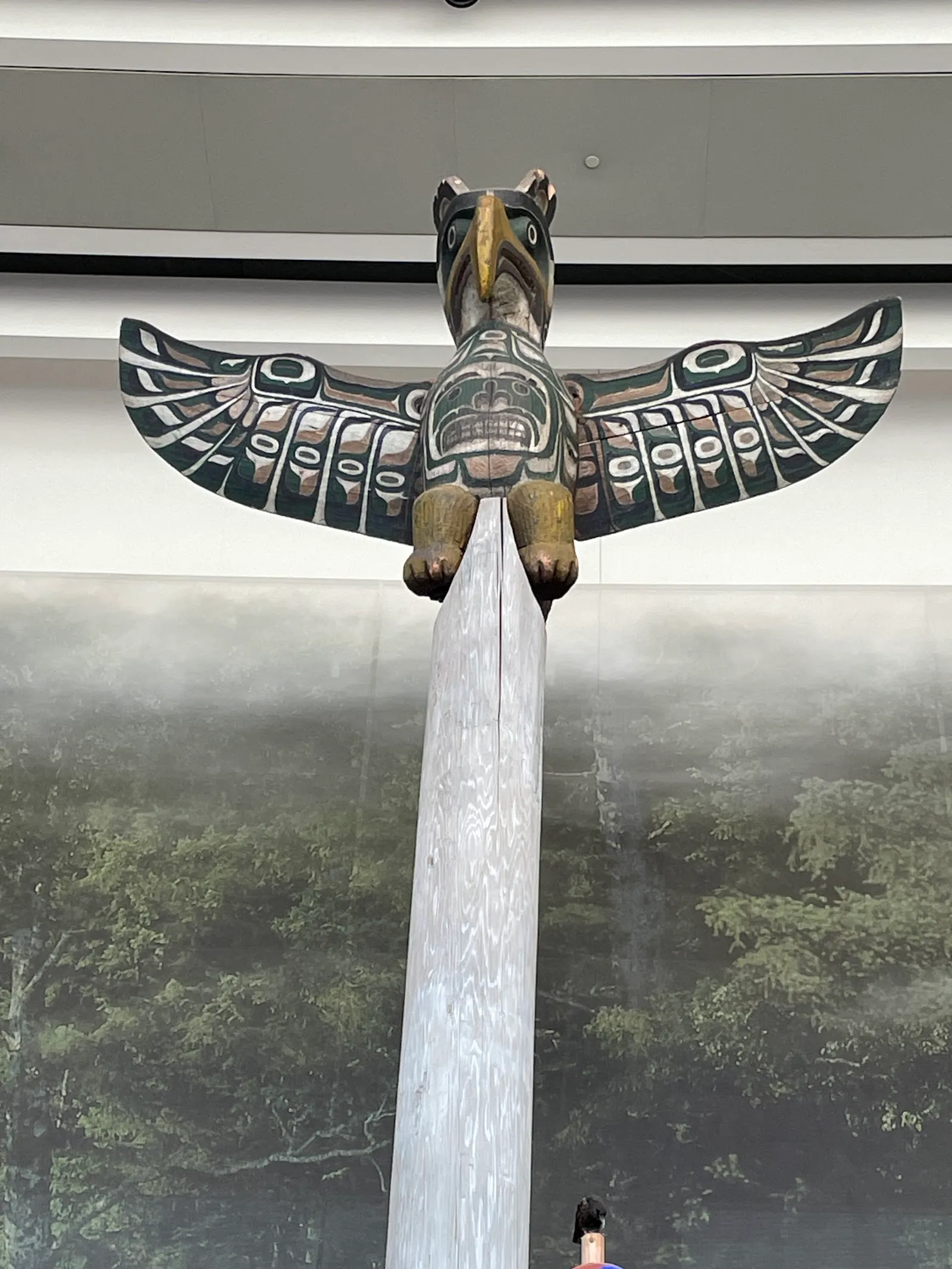
The Canadian Museum of History is at 100 Rue Laurier in Gatineau, Quebec, on the opposite bank of the Ottawa River from Ottawa and Parliament Hill. Its location makes the river part of the visit: the Grand Hall’s tall window looks across to the capital’s government buildings.
Architect Douglas Cardinal designed the museum, which was completed in 1989. Its curved exterior follows the river’s contours. Inside, the building’s flowing forms frame galleries and displays about Canada’s human history, from Indigenous peoples and colonial encounters to more recent social change.
The Grand Hall and First Peoples Hall
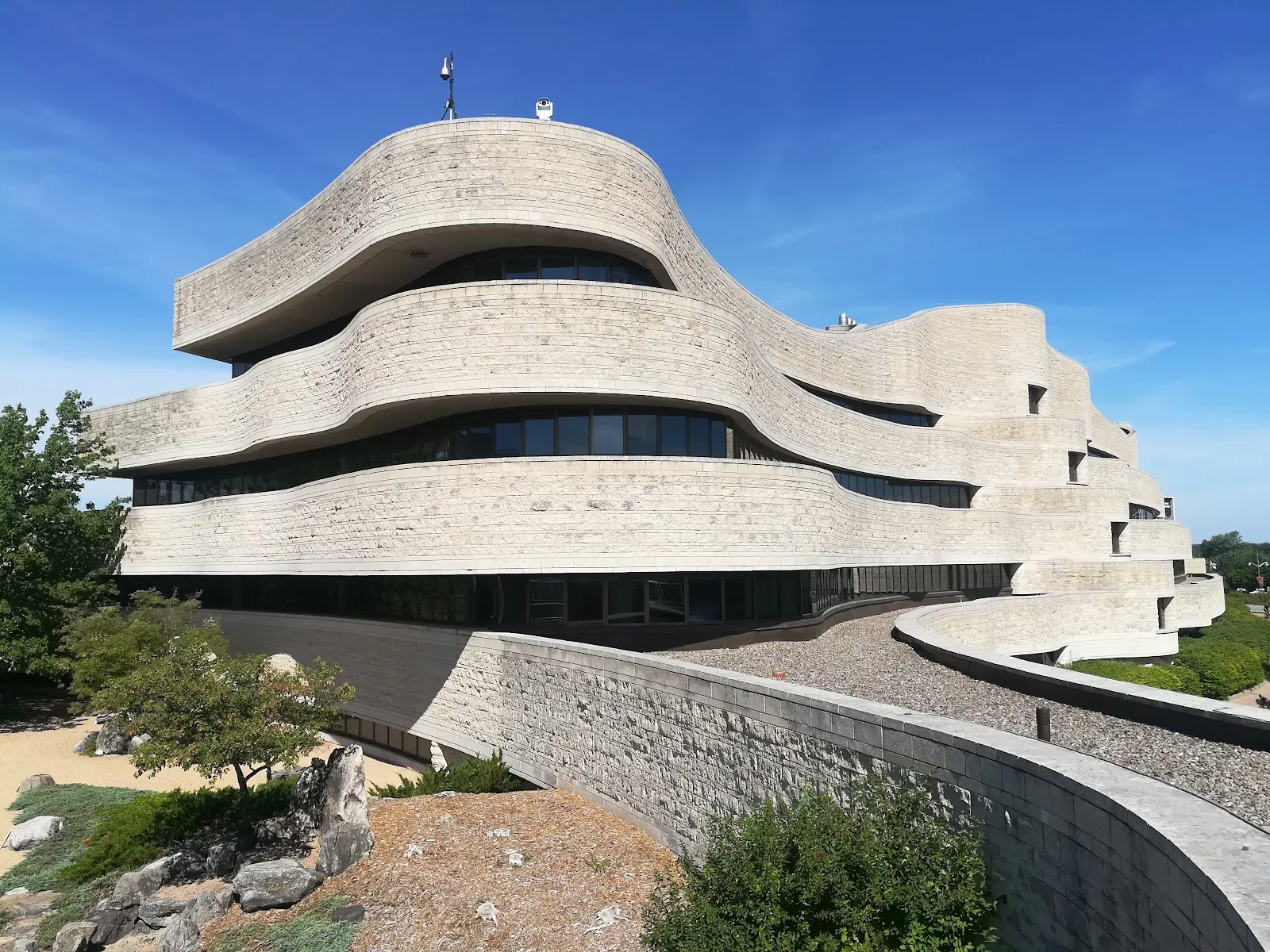
The Grand Hall centres on the histories and artistic traditions of Indigenous peoples of Canada’s Pacific Coast. Totem poles rise through the space, alongside a recreation of a West Coast village. The hall also includes works by Indigenous artists, among them sculptures by Bill Reid, Robert Davidson and Beau Dick.
The First Peoples Hall takes a broader look at First Nations, Métis and Inuit histories and cultures. Its collection includes more than 2,000 objects, as well as Daphne Odjig’s mural The Indian in Transition. Displays address subjects such as hunting, cooking and traditional handicrafts. Together, these galleries place Indigenous histories and achievements at the heart of the museum visit.
Canada’s past and family galleries
The Canadian History Hall follows the country’s development through objects and recreated settings. In Canada Hall, life-size scenes include a New France farmhouse and a street from an early Ontario town. The museum’s permanent galleries also include Face to Face, which introduces people who shaped Canada’s history. Temporary exhibitions bring other subjects into the visit, so the displays can differ from one trip to another.
Families can add the Canadian Children’s Museum, where interactive spaces invite children to explore places and cultures through play. The museum complex also includes the Canadian Postal Museum and CINÉ+, a large-format theatre that screens films. Check the museum’s current programme before visiting if a particular exhibition or screening is important to your plans.
FAQ
Is the Canadian Museum of History in Ottawa?
It is in Gatineau, Quebec, across the Ottawa River from Ottawa and Parliament Hill.
What should I see at the Canadian Museum of History?
Start with the Grand Hall’s totem poles and the First Peoples Hall. The Canadian History Hall and the Canadian Children’s Museum are also part of the museum.
Is there a children’s museum?
Yes. The Canadian Children’s Museum has interactive spaces where children can explore through play.
Does the museum have a cinema?
Yes. CINÉ+ is a large-format theatre inside the museum complex.