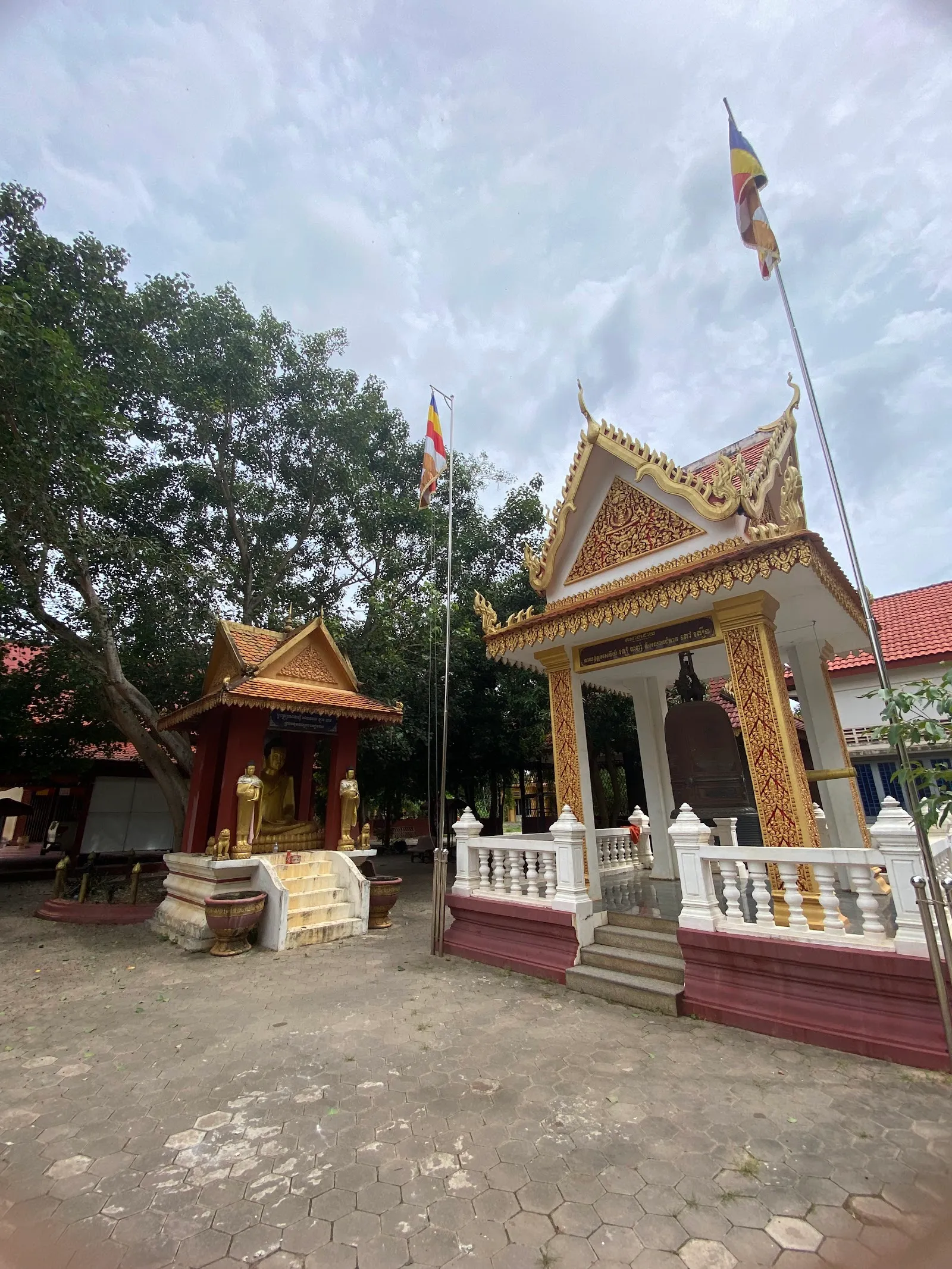
Wat Thmei is an active Buddhist pagoda and memorial in Siem Reap, on a site that was once a killing field under the Khmer Rouge. Its stupa holds skulls and bones of victims, and a small museum has photographs and survivor testimonies. Plaques and on-site historians help explain this period of Cambodian history. The visit is solemn; take time to read the displays and move through the grounds quietly. A ticketed area provides access to further historical artifacts.
A pagoda on a former killing field
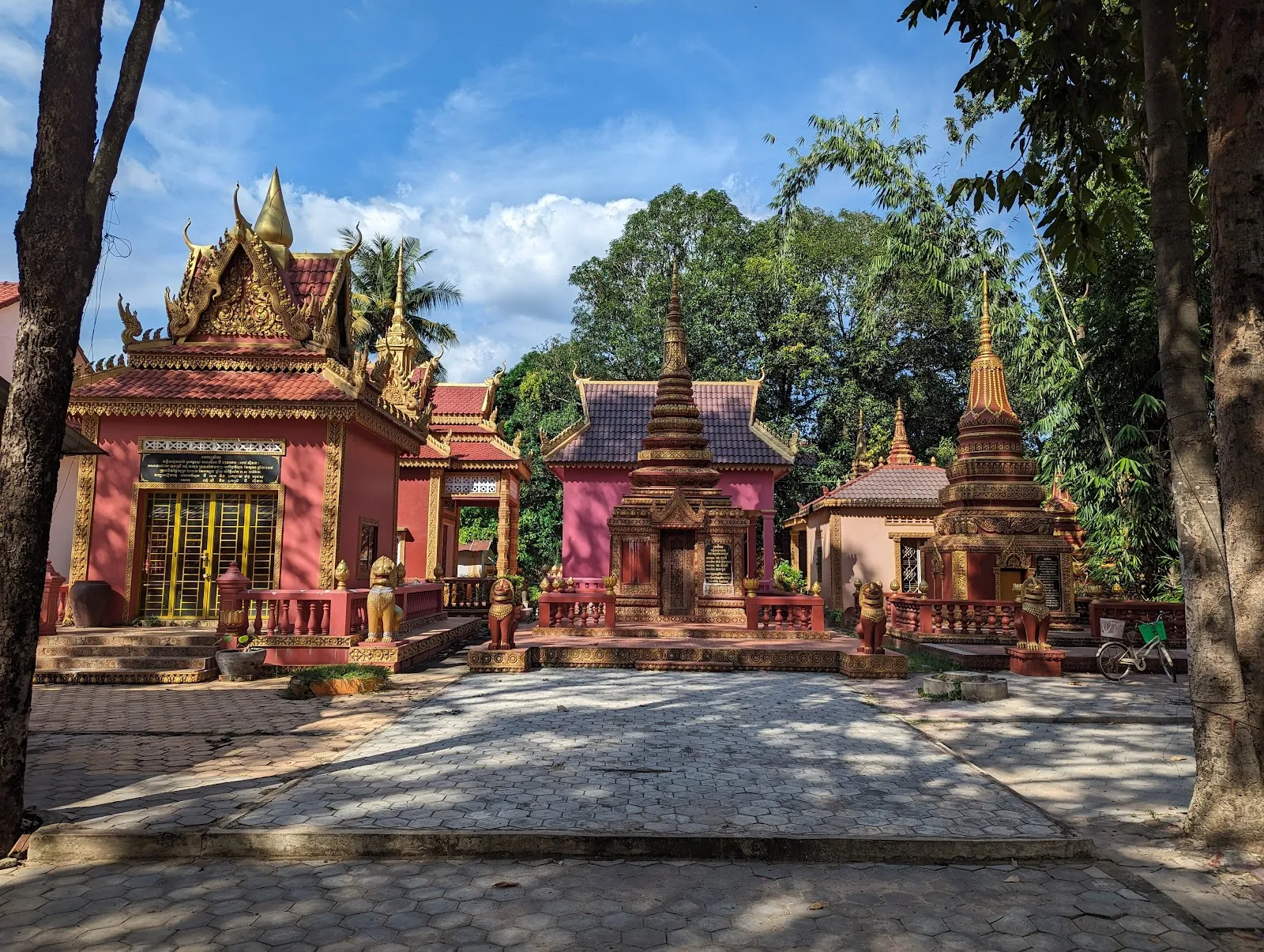
Wat Thmei is an active pagoda built on a site where people were killed during the Khmer Rouge period. The memorial recalls the Khmers who died under Pol Pot’s regime from 1975 to 1979. Its scale is smaller than the killing-field sites in Phnom Penh, but the setting remains a place for quiet reflection.
The stupa contains skulls and bones of victims. Treat the memorial as a place of remembrance, and give yourself time to take in what is displayed.
The museum and memorial displays
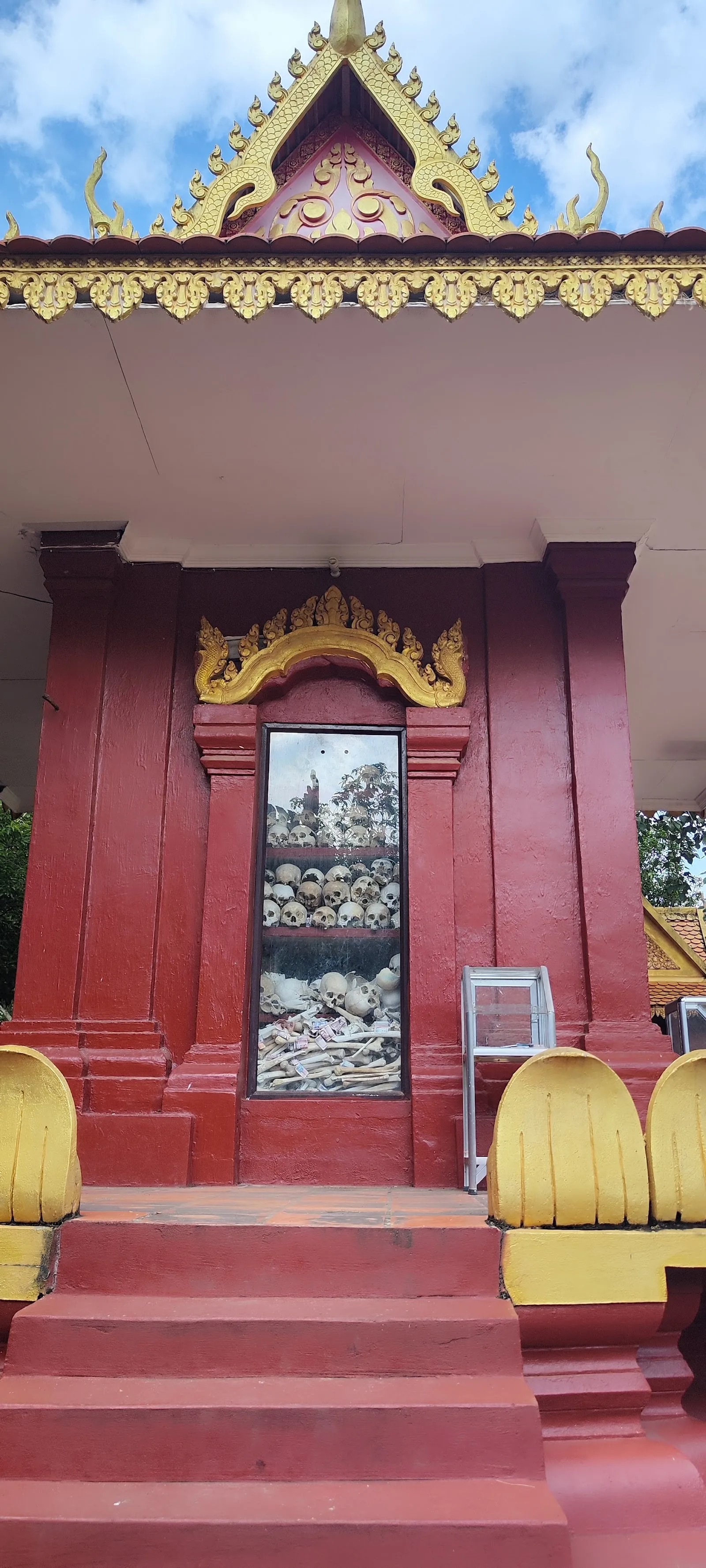
A small museum on the grounds holds photographs and survivor testimonies. Plaques provide further context, and on-site historians can explain Cambodia’s past. Reading the material helps connect the remains in the stupa with the people and events remembered here.
A ticketed area beyond the entrance gives access to additional historical artifacts. Wat Thmei is near the Angkor Wat ticket office, so it can be included before or after a visit to the Angkor temples.
FAQ
What is Wat Thmei?
It is an active Buddhist pagoda and memorial in Siem Reap, built on a site that was once a killing field under the Khmer Rouge.
What can you see at Wat Thmei?
The stupa contains victims’ skulls and bones. A small museum has photographs and survivor testimonies, with plaques and on-site historians providing context.
Is there a ticket to enter Wat Thmei?
A ticketed area beyond the entrance contains additional historical artifacts. The available information does not specify the ticket price.
Where is Wat Thmei in relation to Angkor Wat?
It is near the Angkor Wat ticket office and can be visited before or after the Angkor temples.


